
🏠 Home > 🗺️ Recipes > 🥪 Appetizers > 🇦🇱 Albania Appetizers
🇦🇱 🥪 Albania Appetizers Recipes
Published by Supakorn | Updated: February 2026
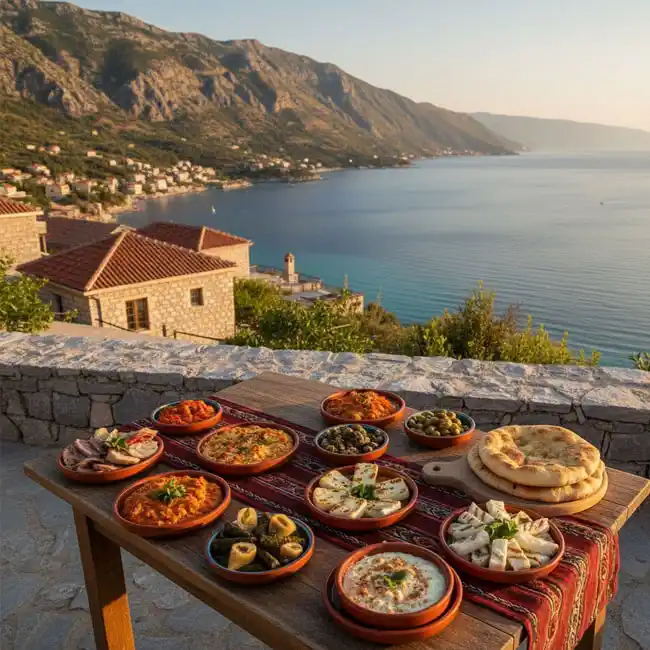
🗺️ A Taste of the Balkans: The Culture of Albanian Meze
Hey there, fellow food lover! Ever wondered what it’s like to start a meal in a place where hospitality is practically a national sport? Welcome to Albania! Forget the quick, single-bite starters you might be used to; in Albania, the appetizer spread, often called meze, is a whole vibe—a colourful, flavour-packed tapestry that perfectly sets the stage for any gathering.
Albanian cuisine is a glorious mash-up, a delicious history lesson on a plate. It sits right in the heart of the Mediterranean diet, meaning you'll find an abundance of fresh vegetables, sun-drenched olive oil, and lots of wholesome goodness. But the story doesn't end there! Picture this: a blend of Greek influences with their love for feta and olives, Turkish echoes from the Ottoman era bringing flaky pastries and rich spices, and a dash of Italian flair with a focus on tomatoes and herbs. The result? A unique, hearty, and incredibly satisfying cuisine where the starters aren't just an afterthought—they're the main event!
The culture of eating in Albania is all about community and warmth. When you’re invited to an Albanian table, you’re not just a guest; you’re family. Meals, especially lunch (often the biggest meal of the day), are a communal experience, served "family-style." This means large platters piled high with food, and the meze selection is your first, best introduction. It’s a chance to linger, chat, share, and taste a little bit of everything. The meze platter is a beautiful chaos of dips, pastries, cheeses, and cold salads, all designed to be scooped up with fresh, often homemade, bread. It’s informal, generous, and utterly charming—the perfect way to truly connect with Albanian hospitality.
🌟 The All-Star Lineup: Iconic Albanian Appetizers
Ready to explore the must-try bites that grace every authentic Albanian table? These dishes are more than just food; they are staples, woven into the fabric of daily life and special occasions.
🥧 Byrek: The Flaky Balkan Delight
If there's one thing you must try, it's Byrek. Trust me, this isn't just a pastry; it's an institution. Imagine incredibly thin, layered phyllo dough baked to a crisp, golden perfection. It’s sold everywhere—from bakeries to street stalls—and eaten for breakfast, as a snack, or right here, as part of your meze spread. The magic lies in the filling. The most classic versions?
- Byrek me Djathë (with cheese, usually a salty, feta-like white cheese)
- Byrek me Spinaq (with spinach and cheese)
- Byrek me Mish (with minced meat)
It’s satisfying, versatile, and oh-so-flaky. You’ll find different shapes too, from large pies cut into squares to individual rolled sausages. A true crowd-pleaser that embodies the Ottoman influence on Albanian food.
🌶️ Fërgesë: The Creamy, Cheesy Dip (or Stew!)
This dish is a regional star, particularly beloved in the central city of Tirana, giving it the name Fërgesë e Tiranës. It’s basically a glorious, creamy blend of roasted bell peppers, tomatoes, and a local white cheese called gjizë (a type of curdled cottage cheese) or feta, all baked together. It's often served warm in a small clay pot. When it's cool and spoonable, it makes for an incredible, vibrant dip for your bread. Sometimes you'll find a heartier version with liver, but the vegetarian pepper and cheese one is the ultimate meze treat. It’s rich in flavour, bursting with the freshness of Mediterranean vegetables, and perfectly seasoned with herbs and garlic.
🥒 Tarator: The Ultimate Refresher
Need something to cool you down? Meet Tarator, the chilled hero of the meze platter, especially popular during the warmer months. Unlike the Turkish or Bulgarian versions you might have heard of, the Albanian take is usually more of a soup or a thick, cold starter. It combines creamy yogurt, cold water, grated cucumber, a generous dose of garlic, and fresh dill. It’s incredibly light, tangy, and so refreshing. It pairs perfectly with the richer, heavier appetizers and is often enjoyed as a cool-down before a main meat dish. Think of it as a super-savoury, extra-garlicky lassi—you won’t be able to stop!
🍡 Qofte: The Humble Meatball Marvel
Meatballs, you say? Sure, but Albanian Qofte have a special place. These little flavour bombs are usually made from minced meat (beef, lamb, or a mix) and seasoned expertly with garlic, mint, and other local herbs and spices. They are typically grilled, baked, or lightly fried and served as a delicious, protein-packed appetizer or side dish. They are often served plain with a sprinkle of herbs, but sometimes you’ll find them in a light sauce or served with a dollop of kos (yogurt). They are fantastic for popping straight into your mouth—a true taste of Balkan grilled goodness.
🫑 Stuffed Veggies and Leaves: The Dolma Family
The Mediterranean influence shines through with the family of stuffed vegetables and leaves. The most common are:
- Japrak / Dollma: Tender vine leaves (grape leaves) meticulously rolled and filled with a savory mix of rice, herbs, and sometimes minced lamb or beef. They are cooked until soft and tangy.
- Speca të Mbushura: Literally "stuffed peppers." Bell peppers are filled with a hearty mixture of rice, ground meat, and aromatic herbs, then baked until tender. While they can be a main course, a smaller portion is an amazing addition to the meze.
These dishes showcase the Albanian love for fresh produce and clever, slow-cooked preparation that locks in flavour.
🍽️ The Albanian Table: Eating and Living
Albanian food culture is deeply intertwined with family, generosity, and a slower pace of life. It’s not just about what you eat, but how you eat it.
👵 Hospitality and Heart
If there’s one thing to know, it’s that Albanian hospitality, or Mikpritja, is legendary. Being invited to an Albanian home means you will be fed—and I mean generously fed—until you physically cannot eat another bite. Saying "no, thank you" is often taken as a sign that you haven’t enjoyed the food, so a small bite or a phrase like "Shumë faleminderit, ishte shumë e shijshme!" (Thank you very much, it was very delicious!) is the way to go. The meze is the first testament to this generosity; it’s an over-the-top display of culinary pride and welcome.
🕰️ The Rhythm of the Day
The eating rhythm often revolves around a substantial lunch. While breakfast might be light—maybe some fresh bread with butter, jam, or cheese, often with tea—lunch is the main event. Businesses often close down to allow everyone to go home and share a meal with their family. This is where the meze truly shines, often accompanying a hearty main dish like Tavë Kosi (the national dish of lamb and yogurt casserole) or a slow-cooked stew (gjellë). Dinner is often a lighter, simpler affair.
🍞 Bread, Cheese, and Olive Oil: The Holy Trinity
At the heart of every Albanian meal are a few constants:
- Fresh Bread (Bukë): It is central. It's used to soak up every last drop of sauce, dip, and gravy. You’ll find various kinds, from simple homemade loaves to Kulaç, a crusty, round bread.
- Cheeses and Dairy: Local dairy is a point of pride. Feta, Gjizë (cottage/curd cheese), and Kaçkavall (a semi-hard yellow cheese, often baked with tomatoes and herbs as an appetizer) are staples.
- Olive Oil (Vaj Ulliri): As a core Mediterranean country, Albania uses olive oil liberally and proudly, drizzling it over salads, dips, and grilled dishes.
🍻 Raising a Glass
For non-alcoholic options, you might find dhallë (a salty yogurt drink, similar to ayran), which is growing in quality and popularity, especially along the coasts.
🥗 More Meze Magic: Hidden Gems
Beyond the superstars, the Albanian meze world is full of delightful surprises that are essential to a full tasting experience.
🧀 Kaçkavall në Furrë me Domate: Baked Cheese Bliss
Imagine a slice of salty, semi-hard Kaçkavall cheese, baked in the oven until perfectly melted and gooey, often topped with fresh, chopped tomatoes and a sprinkle of oregano. Served hot, this is the Albanian version of a comfort-food appetizer. The sharpness of the tomatoes cuts through the richness of the cheese—it’s simple, quick, and addictive.
🍚 Qifqi: The Gjirokastër Secret
If you find yourself in the beautiful, stone-city of Gjirokastër, you simply must try Qifqi. These are small, deep-fried balls made from a mixture of boiled rice, eggs, and local herbs (especially mint). They are typically cooked in a special pan that gives them their distinct, rounded shape. They’re a regional delicacy, often served as a snack or appetizer, and they are incredibly flavourful, with the fresh mint cutting through the richness of the rice and egg.
🫓 Petulla: The Fried Dough Favourite
Petulla is fried dough, but calling it just that doesn't do it justice. These light, fluffy, golden-brown puffs are a staple street food and snack across the Balkans. In the meze context, they are often served savory, paired with cheese (djathë) or a sprinkle of salt. They can also be enjoyed sweet with honey or jam, but the savory preparation makes them a wonderful, simple bread alternative for dipping into Fërgesë or Tarator. They are a little piece of edible sunshine!
🥒🍅 Sallatë: The Fresh Counterpoint
To balance all the richness, a simple, fresh salad is non-negotiable. The classic is the Tomato-Cucumber Salad (Sallatë Domate me Kastraveca). It is incredibly simple: sliced tomatoes, cucumbers, often thinly sliced onion, a block of local feta cheese, all dressed with virgin olive oil, salt, and maybe a splash of vinegar or a squeeze of lemon. This salad acts as a palette cleanser, a crisp and bright anchor in the meze feast.
❓ Frequently Asked Questions (FAQ)
1. What is the difference between Albanian appetizers and "meze"?
In Albania, the word meze (pronounced meh-zeh) is the general term for the entire platter or selection of appetizers and small dishes served before or alongside the main course. The appetizers are the meze. It refers to the communal, informal style of dining with a variety of small plates, which can include Byrek, Tarator, cheeses, and cured meats.
2. Is Albanian cuisine very spicy?
Generally, no. Albanian cuisine is known for its reliance on fresh ingredients and flavourful herbs (like mint, oregano, and dill) and aromatics (garlic and onion), rather than intense heat. While some dishes may use mild chili peppers, the dominant flavours tend to be savoury, tangy (from yogurt or lemon), and herbal, with a comforting, home-cooked feel.
3. Are there many vegetarian appetizer options in Albania?
Absolutely! Albanian cuisine is incredibly rich in vegetable and dairy-based dishes, aligning with the Mediterranean diet. Many of the most popular meze items are vegetarian, including Tarator (yogurt dip), Fërgesë (pepper and cheese stew/dip), most types of Byrek (cheese or spinach), Petulla (fried dough with cheese), and all the fresh vegetable Sallatë (salads).
🥪 Unveiling Albania's Best: Appetizer Recipes You'll Crave
| 🌐 🥪 < Back | Next > 🍝 🇦🇱 |