
🏠 Home > 🗺️ Recipes > 🍲 Soups > 🇦🇱 Albania Soups
🇦🇱 🍲 Albania Soups Recipes
Published by Supakorn | Updated: February 2026
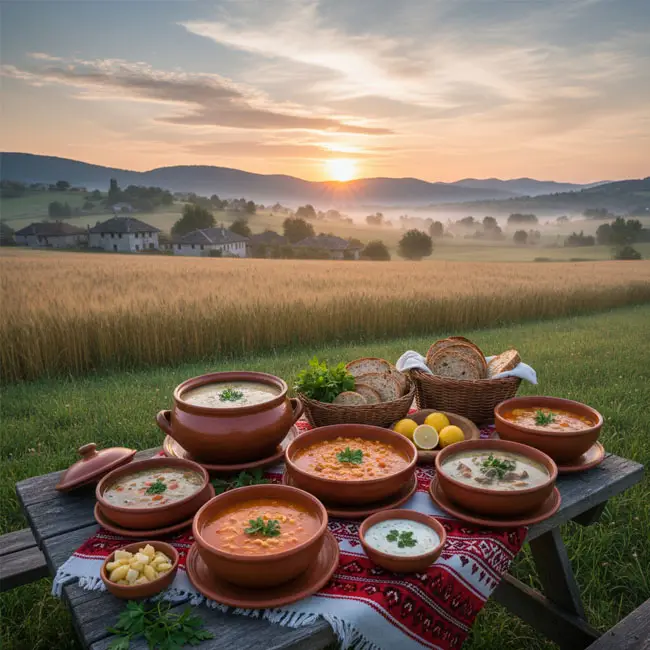
🥣 The Soul in a Bowl: Understanding Albanian Soup Culture
Welcome to the ultimate guide to Albanian soups! If you're looking for the true heart of Balkan comfort food, you've found it. Forget everything you know about light, brothy starters; in Albania, soup is often the main event, the foundation of the meal, or the soul-soothing remedy for a cold day (or, surprisingly, a hot one!).
Albanian cuisine, like the country itself, is a beautiful fusion of influences. It’s got that hardy, rustic flavour profile from the mountainous regions and a light, fresh Mediterranean touch from the Ionian and Adriatic coasts. The country's historical ties to the Ottoman Empire, as well as its geographical neighbours like Greece and Turkey, mean that the soup and stew traditions here are rich, varied, and deeply ingrained in daily life.
Culturally, serving a warm bowl of soup, known generally as supë (pronounced soo-peh), is the ultimate expression of hospitality and care. Whether it’s a simple homemade broth (supë me mish - meat soup) or a robust stew (gjellë), it's meant to be shared with family and friends. Meals often begin with a small, savory, spoonable dish—or a large one that serves as the centerpiece of lunch, which is traditionally the biggest meal of the day.
The philosophy behind these soups is simple: maximum flavour from minimal, high-quality, local ingredients. You’ll find staples like beans, fresh vegetables, local meats (especially lamb or veal), and generous amounts of high-quality Albanian olive oil and herbs like oregano and mint. These aren’t just dishes; they are traditions passed down through generations, each grandmother (Nënë) claiming hers is the best recipe!
🏔️ The Cornerstones: Iconic Soups & Hearty Stews
These are the absolute must-try dishes. They define Albanian culinary identity and you will find a version of them in virtually every household and traditional restaurant (lokal) across the country.
🫘 Jani me Fasule: The National Comfort
If there is one soup that belongs to the heart of Albania, it is Jani me Fasule (White Bean Soup). It’s simple, humble, and fiercely loved. In fact, many Albanians consider it a national dish, a symbol of resilience and home cooking.
- The Vibe: This is a thick, robust soup, almost stew-like (gjellë), made from white navy beans. It's often slow-cooked until the beans are creamy and tender.
- The Flavour Profile: It gets its depth from sautéed onions, carrots, and a rich blend of tomato paste, smoked paprika, and bay leaves.
- Meat or Veggie? It’s a beautifully versatile dish. The base is often naturally vegetarian or vegan, but many recipes incorporate a piece of smoked meat, like ham hocks, or a chunk of beef, which elevates the flavour and makes it even heartier.
- How to Eat It: Fasule is almost always served hot, with a generous drizzle of olive oil, a side of pickled vegetables (turshi), and—crucially—chunks of fresh, crusty Kulac (traditional Albanian bread) for soaking up every last bit of the rich, thick broth.
🥶 Tarator: The Coolest Summer Starter
Switching gears completely, we move from a winter warmer to the most essential summer refresher: Tarator. This cold soup is incredibly popular across the Balkans and is the perfect antidote to the scorching coastal heat.
- The Vibe: It's essentially a chilled yogurt and cucumber soup, making it wonderfully creamy, tangy, and light.
- The Flavour Profile: The base is plain yogurt (sometimes thinned with water), blended with finely grated or diced cucumber, copious amounts of fresh garlic, and usually a dash of vinegar or lemon juice.
- The Garnish: A sprinkle of chopped dill or mint and a golden swirl of high-quality olive oil before serving gives it a fresh, herbaceous finish.
- When to Eat It: Tarator is often served as a starter or a side dish alongside grilled meats or hearty stews, offering a fantastic cooling contrast. It is also rumored to be an excellent hangover cure!
🐑 Supë me Mish: Classic Meat Broth
This is the ultimate home remedy and comfort food, often served to children or anyone feeling under the weather. Supë me Mish is a simple, clear broth that showcases the purity of the ingredients.
- The Vibe: A light, savory broth traditionally made by simmering meat (usually chicken, lamb, or veal on the bone) with basic vegetables like carrots, celery, and onions.
- The Heartiness: To make it a more substantial meal, small soup pasta (like fidhe or orzo) or rice is often added, along with a whisked egg and lemon juice mixture (avgolemono style, sometimes) to thicken and enrich the broth.
- It’s Healing: It’s cherished for its nourishing qualities. The deep flavor comes from the slow extraction of bone marrow and fat, making it a true power booster.
🍲 From Coast to Mountain: Regional Soup Variations
Albania's diverse geography—from the rugged mountains of the North (Gheg region) to the fertile plains and coasts of the South (Tosk region)—means soup recipes vary dramatically depending on local produce and traditions.
🐟 Supë Peshku: The Coastal Catch
Along the Ionian and Adriatic coastlines, where fresh seafood is abundant, the soup game changes completely.
- The Vibe: Supë Peshku (Fish Soup) is a clear, delicate soup that highlights the flavour of the sea.
- The Ingredients: It's made with whatever fresh fish was caught that morning—sea bass, sea bream, or hake—simmered with simple aromatics like onion, celery, and tomato.
- Mediterranean Finish: It is often finished with a bright squeeze of fresh lemon juice, a splash of virgin olive oil, and sometimes a handful of chopped parsley, keeping it light and vibrant—perfect for a seaside meal.
🥣 Gjellë: The Hearty Stew Family
In Albania, the line between a thick soup and a stew is often blurred, and this category is covered by the term Gjellë (meaning 'dish' or 'stew'). These are generally thicker, richer, and intended to be the main course.
- Gjellë me Bishtaja (Green Bean Stew): A classic gjellë that uses fresh green beans, potatoes, and often chunks of beef or lamb, simmered in a light tomato-based sauce with herbs. It’s the definition of wholesome, home-style cooking.
- Lakra me Mish (Cabbage and Meat Stew): A rustic, warming dish more common in the cooler, northern regions. It combines slowly cooked cabbage and chunks of meat, often seasoned simply with paprika and sometimes chili flakes for a slight kick. This is true mountain food.
- Gjellë me Patate (Potato Stew): A simple, filling peasant dish featuring tender potatoes, carrots, and onions in a light, savory broth, often prepared without meat, making it a staple during fasting periods or for vegetarian households.
🥄 The Unexpected & The Traditional
Albania also has a few specialty soups and stews that are either part of very old traditions or are renowned for their incredible restorative powers.
🐐 Paçe Koke: The Revitalizing Soup
This is a soup for the adventurous and the traditionalists! Paçe Koke (Head Soup) is the Albanian equivalent of a powerful, hearty tonic, famous across the Balkans.
- The Vibe: A thick, rich, slightly gelatinous soup made from slow-cooked lamb or veal parts, often including the head. This process creates an incredibly rich and nutritious broth.
- The Finish: It's usually served with a strong kick of garlic and a dash of vinegar or lemon juice, which cuts through the richness and adds a necessary zing.
- The Tradition: This soup is not for the faint of heart, but it is highly valued for its restorative and strengthening properties—a traditional cure for the common cold or, famously, the morning after a big celebration!
🥚 Tarhana: The Fermented Starter
Tarhana is a very ancient, simple soup that is a legacy of Turkish and Central Asian influence. It’s made from a unique fermented ingredient.
- The Ingredients: The base is a dried, coarse, fermented food made from grain (like wheat or semolina) and yogurt or soured milk. This dried ingredient can be stored indefinitely.
- The Process: To make the soup, the dried Tarhana mixture is dissolved in water or broth, cooked until it thickens, and seasoned.
- The Result: A slightly sour, tangy, and incredibly satisfying soup. It represents one of the earliest forms of instant meal preparation in history and is still a comforting staple in many rural homes.
🍽️ The Eating Habits: Soup at the Albanian Table
Soup is never just a sideline in Albania; it’s a ceremonial component of the meal, especially lunch.
☀️ Lunchtime Central
For many Albanians, particularly in traditional settings or rural areas, lunch (dreka) is the most important and substantial meal of the day. A big pot of Fasule or a hearty Gjellë will often be at the centre of this mid-day feast. It’s eaten slowly, with family, and is meant to provide energy for the rest of the day.
🥖 Dipping and Scooping
You'll quickly notice that bread (bukë), usually a large, crusty loaf of homemade Kulac, is essential. It's not just a side—it's a tool. The goal is to tear off pieces of bread and use them to soak up every last drop of the soup or stew, ensuring absolutely nothing goes to waste.
🌶️ The Flavor Boosters
Albanians love to customize their bowls. You'll often find condiments available on the table:
- Pickled Vegetables (Turshi): The sour, crunchy tang of pickled peppers, cabbage, or cucumbers offers a brilliant textural and flavour contrast to the rich, slow-cooked soups.
- Chili Flakes/Oil: For those who like a little fire, a pinch of crushed dried chili or a swirl of chili-infused oil is a common addition.
- Yogurt (Kos): A dollop of fresh, creamy yogurt often cools down and balances the intensity of meat-heavy stews, a key Mediterranean touch.
So next time you're in Albania, don't overlook the soups. They are more than just food—they are history, geography, and hospitality served piping hot in a bowl. Enjoy!
❓ Frequently Asked Questions (FAQ)
1. What is the difference between Supë and Gjellë in Albanian cuisine?
The terms are often used interchangeably, but generally, Supë refers to a lighter, brothier soup (like Supë me Mish or clear chicken broth) that is often served as a starter. Gjellë (meaning 'dish' or 'stew') refers to a much thicker, more substantial dish (like Jani me Fasule or Gjellë me Bishtaja) that is dense enough to be considered a main course. Gjellë typically contains more meat, beans, or hearty vegetables.
2. Is Tarator (Cold Soup) a soup or more of a dip/side dish?
Tarator is officially classified as a cold soup, perfect for the hot summer months. However, due to its thick, creamy, yogurt-based consistency, it often functions more like a refreshing side dish or a cooling sauce (salcë) served alongside grilled meats, byrek, or rich stews to cut through their heaviness. Its lightness prevents it from being a heavy main course itself.
3. Which Albanian soup is recommended for a vegetarian or vegan diet?
Jani me Fasule (White Bean Soup) is the top recommendation. While it is sometimes prepared with smoked meat, the traditional base is entirely plant-based (beans, vegetables, tomato paste, herbs, and olive oil). You can easily specify that you want it prepared without meat, as it is a hearty and delicious main dish on its own. Tarator is also naturally vegetarian, though it uses yogurt (dairy).
🍲 A Taste of Tradition: The Best Albanian Soups to Comfort Your Soul
| 🌐 🍲 < Back | 🇦🇱 🍷 < Previous | Next > 🥗 🇦🇱 |