
🏠 Home > 🗺️ Recipes > 🍨 Desserts > 🇦🇩 Andorra Desserts > 🍨 Crema Andorrana , Torrijas , Mel i Mató
🍨 Indulge Your Sweet Tooth: Mastering Andorra’s Coziest Dessert Recipes
Published by Supakorn | Updated: February 2026
🍮 Mountain Sweets: Why Andorran Desserts Deserve the Spotlight
Hey bakers and dessert enthusiasts! Ever found yourself craving a dessert that’s rich, comforting, and just a little bit exotic? Well, let me introduce you to the delightful sweet side of Andorran cuisine. Tucked high up in the Pyrenees between Spain and France, Andorra’s food is famously hearty and rustic, and their desserts are the perfect grand finale to any meal. They embody that cozy, mountain-lodge feeling—think rich custards, fragrant fried dough, and fresh flavors.
While dishes like Crema Catalana and Torrijas might be better known from their bigger neighbors, Andorra has beautifully adopted and adapted these classics, often with a unique twist that reflects its high-altitude, traditional farming culture. These are not fussy, complicated sweets; they are simple, high-impact desserts made with pantry staples like milk, eggs, honey, and nuts.
If you’re looking to impress your friends or just treat yourself to something genuinely comforting, you’ve come to the right place. This article breaks down three of Andorra's most iconic and beloved desserts into easy-to-follow steps:
1.Crema Andorrana: The elegant, creamy mountain cousin of Crème Brûlée.
2.Torrijas: The comforting, spiced Andorran "French toast."
3.Mel i Mató: The simplest, freshest cheese and honey delight.
Get ready to make your kitchen smell absolutely heavenly!
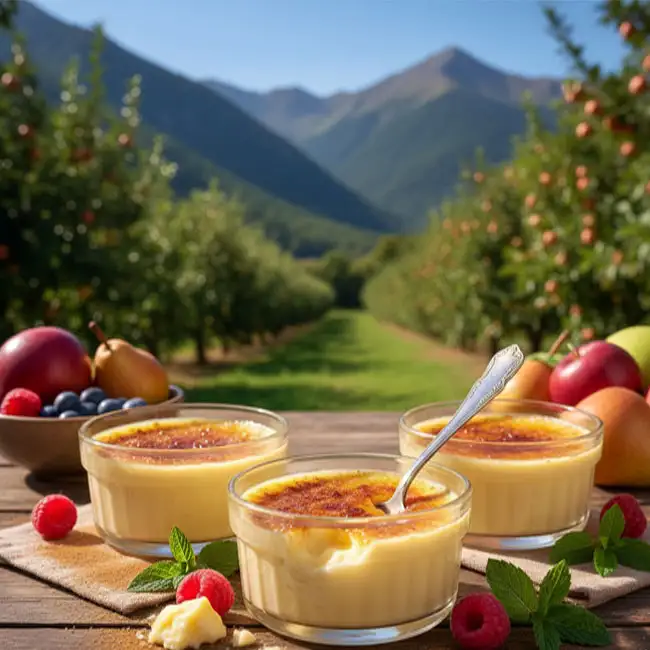
❄️ Recipe 1: Crema Andorrana - The Pyrenean Custard Dream
💬 About this Recipe (The Story of Crema Andorrana)
Crema Andorrana is the country's answer to the famous Crème Brûlée or Crema Catalana. The main difference? The addition of soft, light meringue on top, meant to symbolize the snow-capped mountains of the Pyrenees! It’s an incredibly rich, creamy custard, traditionally flavored with cinnamon and citrus zest, often made with both milk and cream for an extra velvety texture.
This dessert is a showstopper. It has all the wonderful complexity of a traditional custard, but the contrast between the smooth, cold cream and the slightly torched, sweet meringue topping is truly luxurious. It’s perfect for special occasions, or just when you need a decadent, comforting treat.
🔪 Ingredients & Measurements
- 500 ml (2 cups) whole milk
- 100 ml (just under 1/2 cup) heavy cream
- 1 cinnamon stick
- 1 lemon, for the peel (avoid the white pith)
- 6 large egg yolks (save the whites!)
- 100 g (1/2 cup) granulated sugar, plus extra for caramelizing the meringue
- 25 g (3 tbsp) cornstarch
- 2 saved egg whites, for the meringue
- 1 tsp vanilla extract (optional, but nice)
📝 Step-by-Step Instructions
1.Infuse the Milk: In a medium saucepan, combine the whole milk, heavy cream, cinnamon stick, and long strips of lemon peel. Bring the mixture gently to a simmer over medium heat, watching carefully so it doesn't boil over. Once simmering, remove it from the heat and let it steep for about 15 minutes to infuse the flavors. Remove and discard the cinnamon stick and lemon peel.
2.Mix the Base: In a separate large bowl, whisk the egg yolks, 100g of sugar, and cornstarch together until the mixture is pale and thick. Whisk in the vanilla extract, if using.
3.Temper the Eggs: Slowly pour the warm, infused milk mixture into the egg yolk mixture while whisking constantly. This is called 'tempering' and prevents the eggs from scrambling.
4.Thicken the Custard: Pour the entire mixture back into the saucepan. Cook over low to medium-low heat, stirring constantly with a wooden spoon or spatula, until the custard thickens significantly—it should coat the back of the spoon. Do not let it boil!
5.Chill: Pour the custard into individual ramekins. Let them cool to room temperature, then cover them and chill them in the refrigerator for at least 4 hours, or preferably overnight, until firm.
6.Make the Meringue: Beat the 2 reserved egg whites with a whisk or electric mixer until stiff peaks form. Gradually beat in a tablespoon of sugar until the meringue is glossy and stiff.
7.Assemble and Serve: Top the cold custard in each ramekin with a generous dollop of the meringue, creating a little snow-capped peak. Sprinkle a little sugar over the meringue and use a kitchen blowtorch (or a broiler on high for less than 30 seconds—watch closely!) to caramelize the sugar on the meringue until golden brown. Serve immediately!
🛑 Tips & Mistakes to Avoid
- ✅ Tip: When separating the lemon peel, use a vegetable peeler to avoid the bitter white pith.
- ❌ Mistake: Don't rush the thickening! If you cook the custard over high heat, the egg yolks will scramble, resulting in lumpy custard. Low and slow is the way to go.
- ✅ Tip: Ensure the custard is ice-cold before adding the meringue and caramelizing the topping. The temperature contrast is crucial for the best flavor and texture experience.
❓ FAQ: Crema Andorrana
Q1.What makes Crema Andorrana different from Crème Brûlée?
A1.The main distinction is the meringue or whipped cream topping. Crema Andorrana features a light meringue on top of the custard before caramelizing. Traditional Crème Brûlée only has the caramelized sugar crust directly on the custard.
Q2.Can I omit the meringue?
A2.Yes, you can. If you omit the meringue and just torch the sugar directly on the custard, you will effectively have a Crema Catalana (the Catalan version), which is also a popular dessert in Andorra!
Q3.Why did my custard curdle?
A3.This usually happens if you heated it too quickly or let it boil. Next time, keep the heat low and stir without stopping!
🌟 Summary
Crema Andorrana is the ultimate creamy comfort food with an elegant mountain twist. It’s definitely worth the effort and will become a favorite!

🍞 Recipe 2: Torrijas - The Spiced Bread of Andorra
💬 About this Recipe (Comfort in a Slice)
Torrijas are often described as the Spanish or Andorran version of French toast, but trust me, they are so much more decadent! Traditionally eaten around Easter and Lent, these slices of bread are soaked not just in milk, but often a mixture of milk, spices, and sometimes wine, then dipped in egg, pan-fried, and finally coated in cinnamon sugar and drizzled with honey.
Unlike everyday French toast, the key to a great Torrijas is the deep, slow soaking of stale bread in the spiced milk mixture, making the finished product incredibly moist on the inside and perfectly crisp on the outside. It is the definition of sweet, fragrant comfort.
🔪 Ingredients & Measurements
8 slices of thick, day-old bread (like a baguette or brioche)
- 500 ml (2 cups) whole milk
- 1 cinnamon stick
- 1/2 lemon peel (no pith)
- 60 g (1/4 cup) granulated sugar
- 3 large eggs, lightly beaten
- 100 ml (scant 1/2 cup) olive oil or vegetable oil, for frying
For Topping:
- 3 tbsp granulated sugar
- 1 tsp ground cinnamon
- Honey, for drizzling
📝 Step-by-Step Instructions
1.Infuse the Milk: In a saucepan, combine the milk, cinnamon stick, lemon peel, and 60g of sugar. Heat the mixture over medium-low heat until it’s hot and the sugar is dissolved, but do not boil. Remove from heat and let it cool slightly (lukewarm is ideal). Remove the cinnamon stick and lemon peel.
2.Soak the Bread: Arrange the bread slices in a shallow dish (like a baking pan). Pour the lukewarm spiced milk mixture evenly over the slices. Let them soak for at least 15–20 minutes, or until they are fully saturated but still hold their shape. The longer the soak, the creamier the Torrijas!
3.Prepare to Fry: Pour the beaten eggs into a wide, shallow bowl. Heat the oil in a large skillet over medium heat. The oil should be hot, but not smoking.
4.Dip and Fry: Gently lift a piece of soaked bread (it will be soft!), quickly dip it into the beaten egg, coating both sides. Place it immediately into the hot oil.
5.Cook: Fry the Torrijas for about 3–4 minutes per side, until they are golden brown and beautifully caramelized. Drain them briefly on a paper towel-lined plate.
6.Finish and Serve: While still warm, roll or sprinkle the Torrijas generously with the combined cinnamon and sugar mixture. Serve them immediately with a generous drizzle of good quality honey.
🛑 Tips & Mistakes to Avoid
- ✅ Tip: Stale, day-old bread works better than fresh bread as it won't fall apart when soaked, but still absorbs a lot of liquid.
- ❌ Mistake: Don't soak the bread when the milk is too hot! Hot milk will par-cook the bread and make it completely mushy. It should be lukewarm.
- ✅ Tip: Use a flavorful oil like a mild olive oil for frying. It gives the Torrijas a unique and authentic taste profile, unlike butter used in traditional French toast.
❓ FAQ: Torrijas
Q1.Can I use wine instead of milk?
A1.Yes! Some traditional recipes use sweet white wine instead of, or in combination with, the milk for a tangier, more complex flavor.
Q2.Is there a quick way to soak the bread?
A2.To achieve that creamy center, patience is best. If you must rush, soak for 5 minutes, flip, and soak for another 5 minutes, gently pressing to help absorption.
Q3.What type of bread is best?
A3.A thick-sliced baguette, barra, or brioche loaf works perfectly. The key is a sturdy crumb that won't disintegrate.
🌟 Summary
Torrijas are a sweet, fragrant delight that turns simple bread into an elevated, comforting masterpiece. They are a must-try for any lover of cozy, baked goods!
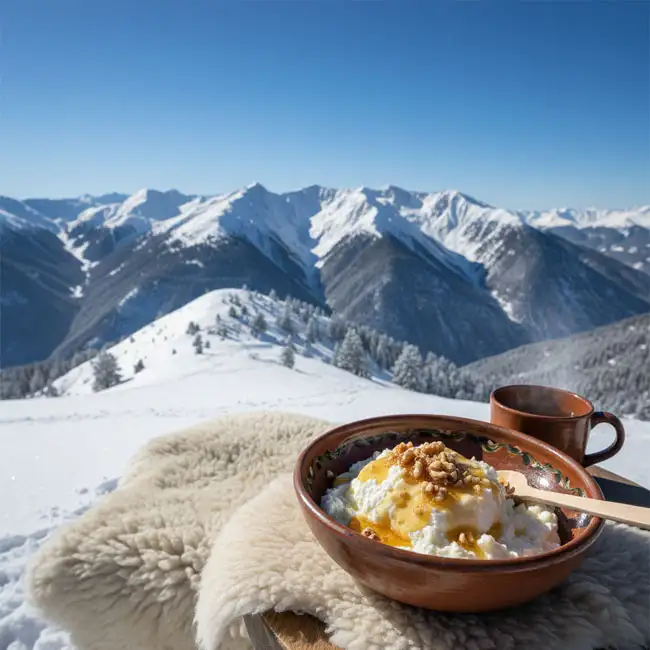
🍯 Recipe 3: Mel i Mató - The Simplest Fresh Delight
💬 About this Recipe (Pure Mountain Freshness)
Sometimes, the best desserts are the simplest. Mel i Mató is a classic Catalan/Andorran dessert that is incredibly refreshing and highlights the purity of its two main ingredients: Mel (honey) and Mató (a fresh, unsalted cheese). Mató is similar to fresh ricotta or cottage cheese, made traditionally from cow's or goat's milk whey, and prized for its delicate, mild flavor.
This dessert is light, naturally low in sugar (you control the honey!), and a perfect palate cleanser after a hearty mountain meal. It’s also incredibly easy to make at home, as we will use a simple method to create a fresh cheese similar to mató.
🔪 Ingredients & Measurements
- 1 Litre (4 cups) whole milk (do not use ultra-pasteurized)
- 1/4 cup fresh lemon juice (or white vinegar, if no lemon is available)
- A pinch of salt
For Serving:
- 3-4 tbsp mountain honey or high-quality honey
- 2 tbsp chopped nuts (walnuts, pine nuts, or almonds are traditional)
- 1 tbsp fresh berries (optional)
📝 Step-by-Step Instructions
1.Heat the Milk: Pour the milk into a large, heavy-bottomed pot. Bring the milk slowly to a rolling boil over medium-high heat, stirring occasionally to prevent scorching.
2.Curdle the Milk (Make Mató): Once the milk is boiling, remove the pot immediately from the heat. Stir in the lemon juice (or vinegar) and a pinch of salt. The milk will begin to curdle almost instantly, separating into thick white curds and yellowish, watery whey. Let it sit, undisturbed, for 10 minutes.
3.Strain the Curds: Line a large colander with several layers of cheesecloth (or a clean, fine kitchen towel). Place the colander over a large bowl to catch the whey. Gently pour the entire contents of the pot into the cheesecloth-lined colander.
4.Drain and Chill: Gather the edges of the cheesecloth and tie them loosely. Allow the curds (your mató) to drain completely for about 1 hour at room temperature. For a firmer, creamier texture, place the bundle in the fridge and let it drain for another 2–3 hours. Gently squeeze the bundle to remove excess liquid before serving.
5.Serve: Spoon the fresh mató cheese into small serving bowls. Drizzle generously with your best honey and sprinkle with chopped nuts. Serve cold and enjoy the pure, fresh flavor!
🛑 Tips & Mistakes to Avoid
- ✅ Tip: The quality of the milk is important. Using whole, non-UHT (ultra-high temperature) pasteurized milk yields the best texture for the curds.
- ❌ Mistake: Don't stir too much after adding the lemon juice. You want the curds to form naturally and cleanly. Too much stirring will break them up too finely.
- ✅ Tip: If your milk isn't curdling, it's likely not hot enough or needs a tiny splash more acid. Return it to the heat for 30 seconds and add another teaspoon of lemon juice.
❓ FAQ: Mel i Mató
Q1.What is the texture of Mató supposed to be like?
A1.It should be smooth, spreadable, and light, similar to a very mild, fresh ricotta cheese. It is never rubbery or tough.
Q2.Can I use different toppings?
A2.Yes! While honey and nuts are classic, you can serve it with fruit preserves, fresh figs, or even a sprinkle of ground cinnamon.
Q3.Can I skip making the cheese and buy it?
A3.If you can find fresh mató or a good quality fresh ricotta, that works perfectly! Just skip to the "Serve" step.
🌟 Summary
Mel i Mató is a beautiful, light dessert that celebrates the fresh dairy and natural sweetness of the mountains. It's the perfect clean, sweet finish to any meal.
🍽️ Final Thoughts on Your Andorra Sweet Journey
We've covered three distinct and wonderful corners of Andorran dessert culture: the creamy sophistication of Crema Andorrana, the nostalgic warmth of Torrijas, and the pure freshness of Mel i Mató.
As you can see, making these traditional desserts at home is not a challenge, but a rewarding experience. They rely on simple techniques and quality ingredients to deliver deep, comforting flavors that speak of cozy kitchens and high mountain air.
Ready to bake? I suggest starting with the dessert that excites you most, mastering it, and then moving on to the next.
I would love to know which of these traditional sweets you tried first and how it turned out! Share your baking success or any questions you have in the comments below!
| 🇦🇩 🍨 < Back |