🏠 Home > 🗺️ Recipes > 🍞 Breads > 🇧🇾 Belarus Breads
🇧🇾 🍞 Belarus Breads Recipes
Published by Supakorn | Updated: February 2026
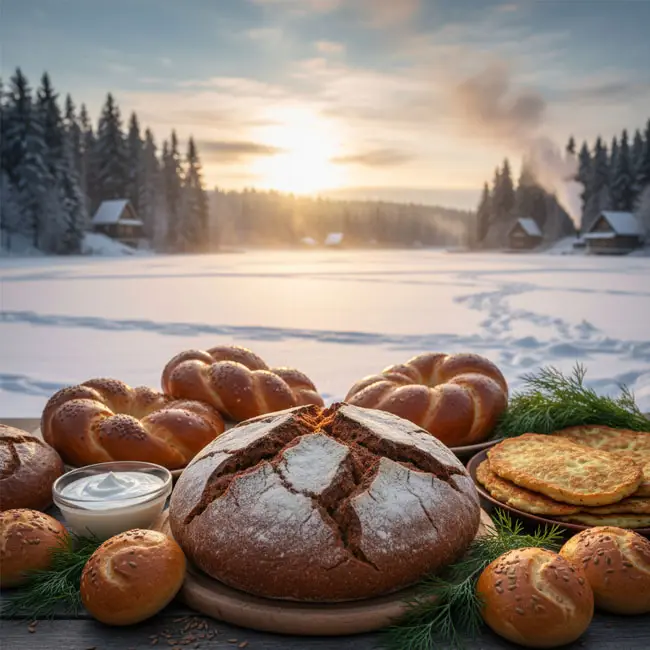
🥖 The Soul of Belarusian Cuisine: More Than Just Flour
Hey there, fellow food explorers! Have you ever thought about how a simple loaf of bread can tell the entire story of a nation? If you’re anything like me—a bread enthusiast who believes a country’s heart is baked into its dough—then you’re in the right place. We’re about to dive deep into the fascinating, complex, and utterly soulful world of Belarusian Breads. Forget what you think you know about Eastern European baking; this is a journey into rye, ritual, and resilience.
In Belarus, bread (khleb) isn't just a food item; it’s a living entity, an object of respect, and a cornerstone of culture. It's often referred to as "The Second Bread" (the first being the humble potato, but we’ll get to that synergy later). The sheer gravity of bread in Belarusian life is evident in countless traditions, proverbs, and daily habits. It’s a staple so profound that to waste it is considered a sin, and to offer it to a guest is the highest form of hospitality. This isn't mass-produced, soft, sugary sandwich bread. This is dense, hearty, sourdough-leavened fuel—the kind that sustained a nation through long, cold winters and turbulent history. It’s a taste of the earth, slightly sour, often malty, and always satisfying.
📜 A History Baked in Rye: From Kievan Rus' to Modern Identity
To truly appreciate Belarusian bread, you need a quick history lesson—don't worry, I'll keep it fun! The roots of this baking tradition stretch back over a thousand years, intertwined with the history of the East Slavs, the Grand Duchy of Lithuania, and later, the Russian Empire and the Soviet Union. The territory of modern Belarus has always been right in the middle of major trade routes and conflicts, which meant access to ingredients wasn't always guaranteed, and self-sufficiency was paramount.
The land itself dictated the primary ingredient: Rye. Unlike the warmer regions to the south where wheat thrived, the cooler, damper climate of Belarus was perfect for hardy rye grain. Rye flour, especially whole grain rye, doesn't produce the same light, airy loaf as wheat. It requires a different, more patient approach—namely, sourdough fermentation. This is why traditional Belarusian bread is almost always a dark, dense, slightly acidic sourdough loaf. The reliance on zakvaska (sourdough starter) meant that baking was a continuous, almost familial process, as the starter itself could be passed down through generations.
During the Soviet era, baking became industrialized. While many regional variations persisted, standard state recipes were introduced, such as the famous Borodinsky (though its origins are often debated, it became a pan-Soviet staple). However, the underlying reverence for the dark rye loaf endured. Even today, despite the availability of lighter, French-style pastries and white bread, the dark, sour rye loaf holds the place of honor on the Belarusian table. It represents stability, heritage, and the enduring connection to the land. When you bite into a slice of Narochansky, you are literally tasting centuries of history. It's truly a profound culinary experience!
🏡 The Kitchen Table: Bread in Daily Life and Rituals
In Belarusian homes, bread is treated with almost sacred respect. It’s not simply sliced; it's ceremoniously cut. It’s not just placed on the counter; it has its own dedicated spot, often covered with an embroidered towel (rushnyk). This respect is woven into the very fabric of daily life and celebrated during major rites of passage.
Daily Life: For a traditional Belarusian family, a meal is incomplete without khleb. Breakfast might be a slice of dark rye with butter and honey; lunch and dinner will feature it as an essential accompaniment to hearty soups (borscht, solyanka) and stews (machanka). It’s the utensil used to scoop up the last drops of sauce, the foundation for an open-faced sandwich, and the simple, comforting snack before bed. The heavy rye bread ensures that a hard-working person stays full for hours, making it incredibly practical and economical. It’s a reminder that good food is simple food, built from essential ingredients.
Rituals and Rites of Passage: The most famous ceremonial bread is the Karavai. This large, intricately braided, and highly decorated loaf is baked for weddings. Its preparation is a communal affair, often involving specific rituals and songs performed by the women of the family. The Karavai symbolizes fertility, prosperity, and the couple's new life together. When the Karavai is presented, the couple traditionally breaks it or bites into it, signifying shared fortune. It’s an edible piece of art that carries immense cultural weight. Similarly, bread is used in housewarmings, baptisms, and even at funerals, signifying the circle of life and the connection between the spiritual and the earthly. These traditions reinforce the idea that bread is the physical manifestation of life's blessings.
🇧🇾 Meet the Bread Stars: Iconic Belarusian Loaves
While every baker has their unique touch, several types of bread are considered national icons in Belarus. These are the loaves you must know if you want to understand the country’s food identity. They are all linked by a common thread: the dominant use of rye and a deep, complex flavor profile. Let's get acquainted with the legends.
🌾 Rye Royalty: Narochansky Khleb (The Classic Dark Loaf)
If Belarusian bread had a flag, it would probably be the Narochansky Khleb. Named after the Naroch region, this is the archetypal dark rye loaf. What makes it special is its balanced composition and its profound, malty flavor.
What is it? It’s a mixed flour loaf, typically using a high percentage of dark rye flour combined with some wheat flour for structure. It is always naturally leavened with a sourdough starter. A signature component is the use of red rye malt and sometimes molasses or treacle. The malt provides the distinct dark color, a subtle sweetness, and a deep, caramel-like complexity that distinguishes it from pure, black, German-style pumpernickel. It’s usually baked in a large, round or oval shape.
The Flavor Profile: The taste is a wonderful dichotomy—a strong, earthy sourness from the rye and the long fermentation, immediately followed by the rich, slightly sweet, malty notes. It has a moist, dense crumb that is perfect for spreading. It’s the kind of bread that gets better the next day and is impossible to tire of. For a true taste of Belarusian heritage, Narochansky is the gold standard.
✨ The Sweet Sensation: Palianitsa (The Wheat-Rye Classic)
While the darkest rye breads capture the soul of the country, Palianitsa offers a slightly softer, more widely accessible taste that still honors the rye tradition. While often associated with Ukraine, a distinct Belarusian version is incredibly popular and essential at any major meal.
What is it? Palianitsa is a traditional hearth bread that is characteristically baked in a round shape with a distinctive split or raised cap on top. In Belarus, it usually incorporates a mix of white wheat flour and a lighter rye flour, often using a yeast and a sourdough/buttermilk combo to achieve a texture that is lighter than Narochansky but heavier than pure white bread. The ratio of wheat to rye is higher, making the final loaf less dense and chewy.
The Flavor Profile: This bread has a milder sourness compared to the heavy dark rye. It's often brushed with water or a thin flour paste before baking to give it a signature crispy, crackly crust. It’s the perfect all-purpose bread, easy to slice and delicious with both savory toppings (like ham, cheese, or pickled vegetables) and sweet spreads (like fruit preserves). It’s the loaf that bridges the gap between the heavy rye tradition and the lighter, wheat-based breads of the west.
💖 The Festive Bite: Karavai (The Ceremonial Bread)
As we mentioned, the Karavai is not just a food—it’s a symbol. It’s the bread reserved for the most important milestones in a person’s life, primarily weddings.
What is it? This bread is massive, often weighing several kilograms, and is traditionally made from the finest white wheat flour, symbolizing purity and prosperity. Its preparation is complex and highly ritualized. The Karavai is recognizable by its stunning decorations, which are also made from dough. These can include:
- Wreaths of periwinkle: Representing eternal love.
- Birds (doves or swans): Symbolizing the couple and their desire for a large family.
- Sun, Moon, and Stars: Representing the cosmos blessing the union.
- Braids and Knots: Signifying the binding of two families.
The Flavor Profile: Unlike the daily rye bread, Karavai is a celebratory, slightly sweet, yeast-leavened loaf. It’s lighter in texture and meant to be shared by a large group. Its flavor is subtle, allowing the symbolic visual decorations to take center stage. When a Karavai is presented to the newlyweds, it’s often accompanied by salt, a dual symbol: the salt signifies the bitterness that life might bring, which must be overcome by the couple, while the bread itself represents the sweetness and abundance of their life together.
🥔 The Hearty Alternative: Bulbyany Khleb (Potato Bread)
In a country where the potato is king—literally "The First Bread"—it was inevitable that it would find its way into the baking tradition. This is where the deep, intertwined food culture of Belarus truly shines.
What is it? Bulbyany Khleb translates directly to potato bread. It is a rustic loaf made by replacing a portion of the flour (often up to 30%) with mashed, cooked potatoes. This technique isn't just a way to stretch precious grain; it actually changes the texture and shelf-life of the final product. The starch in the potatoes helps retain moisture, giving the bread a remarkably soft, almost velvety crumb, and allowing it to stay fresh much longer than a purely flour-based loaf.
The Flavor Profile: The addition of potato starch creates a subtly sweet and earthy flavor that complements the rye or wheat perfectly. It's often baked with caraway or fennel seeds, adding an aromatic complexity that pairs beautifully with the simple potato flavor. This loaf represents the resourcefulness and ingenuity of Belarusian cooks, perfectly blending the country’s two most important staple crops into one comforting, hearty creation.
🍽️ Eating Habits & The Bread Culture
Belarusian bread is designed for a specific way of eating—one that is hearty, pragmatic, and focused on using simple, high-quality local ingredients. The country's history of agriculture, long winters, and close-knit family life have shaped how these breads are consumed, elevating the simple act of eating to a form of cultural expression.
🥣 Soup's Best Friend: Pairing Bread with Borscht and Machanka
In Belarusian cuisine, the main course is often a soup or a savory stew, and the dark rye bread is their essential counterpoint. The relationship between the two is symbiotic: the sourness and density of the Narochansky cut through the richness of the main dish, and its robust crust provides a necessary textural contrast.
- With Borscht: The famous beet soup, often served with a dollop of sour cream (smetana), is traditionally eaten with dark rye bread. A common practice is to dip the slice directly into the broth, allowing the dense bread to soak up the juices without falling apart. The slightly sour, malty rye is the perfect foil for the sweetness of the beets and the tang of the sour cream.
- With Machanka: This is a thick, savory stew—often pork or sausage cooked in a creamy sauce—that is a true regional delicacy. Machanka is almost designed to be eaten with bread, specifically by tearing off chunks of a fresh loaf and using them to scoop up the sauce. In this scenario, the bread functions as a biodegradable, edible utensil, ensuring not a single drop of the delicious, rich sauce is wasted.
This habit underscores the Belarusian value of completeness in a meal. Bread is not an accessory; it is a structural element of the dining experience, absorbing flavors and providing sustenance.
🗓️ A Loaf for Every Occasion: Festivals, Funerals, and the Hearth
The ceremonial use of bread extends far beyond just weddings. Different types of bread and different presentations are essential for marking the passage of seasons, religious holidays, and personal milestones.
- Paska (Easter Bread): While a festive loaf made with richer ingredients (eggs, butter, sugar, often studded with raisins) is common, the Belarusian Paska often maintains a denser, slightly more rustic quality than its Ukrainian or Russian counterparts, linking the celebratory meal back to the earthy staples of the regular diet. It is often tall and cylindrical, decorated with simple crosses or braids.
- Dzyady (Commemoration of the Ancestors): During this ancient holiday (now often merged with Christian traditions), special bread is baked and left on the table for the departed ancestors. This act of communion through the most basic of foods highlights bread’s role as a link between the living and the past.
- The Shared Loaf: In a less formal but equally important ritual, the shared loaf signifies unity. Breaking bread with guests or new acquaintances instantly establishes trust and a bond of shared humanity. Even today, to be greeted with the offer of bread and salt—often the Karavai itself—is the ultimate sign of welcome in a Belarusian home. It means, "We share what we have, and we wish you well."
🥔 The 'Second Bread': Potatoes and Rye in Synergy
We can’t talk about bread in Belarus without addressing the potato. As mentioned, the potato is affectionately nicknamed "The First Bread" due to its dominance in the diet, especially after it was widely adopted in the 18th century. However, the dark rye loaf (khleb) never lost its spiritual or cultural title. Instead, the two form a culinary partnership.
Belarusian cuisine beautifully marries the two staples:
1.Direct Integration: As seen in Bulbyany Khleb, potatoes are integrated into the bread itself.
2.Meal Pairing: The heavy, starch-rich main courses—like Draniki (potato pancakes) or Kalduny (meat-stuffed potato dumplings)—are often served alongside the dark rye bread. This seems redundant to a Western diner, but it speaks to a deep need for complementary textures and flavors. The potato provides richness and moisture, while the dark rye provides a necessary sour, slightly acidic lift, acting almost as a palate cleanser and flavor enhancer.
This synergy perfectly encapsulates the Belarusian food philosophy: use what the challenging soil gives you, make it hearty, make it last, and never forget the ritual and history behind the ingredients.
🛍️ Finding & Baking Belarusian Bread Abroad
As more people around the world discover the joys of Eastern European cuisine, the interest in authentic Belarusian baking has grown. While nothing beats a loaf fresh from a traditional Belarusian pekarnya (bakery), you can certainly recreate the magic at home.
🧪 The Key Ingredients: Sourcing Quality Rye, Sourdough, and Molasses
To capture the true flavor of Narochansky or a rustic Palianitsa, you need to focus on three essential components:
1.Dark Rye Flour (Whole Grain Rye): This is non-negotiable. Don't settle for light rye. You need the robust flavor and the nutritional power of dark, whole-grain rye. This is what provides the dense texture and deep, earthy color.
2.Sourdough Starter (Zakvaska): Most traditional Belarusian breads are leavened using sourdough for a deep, complex sourness that yeast alone cannot replicate. The starter is the heart of the bread. If you’re serious, you can often find dedicated Belarusian or Russian rye starters online to kickstart your journey, as they are often specifically geared toward high-rye formulas.
3.Red Rye Malt (or Molasses/Treacle): This is the secret weapon for the Narochansky and Borodinsky-style loaves. Red rye malt, which is slightly sweet and deeply flavored, is the preferred ingredient. If unavailable, food-grade molasses (not blackstrap, which can be too bitter) or dark treacle is used to achieve the color and malty sweetness that balances the rye's sourness. This ingredient is key to the bread's deep brown hue.
👩🍳 The Home Baker's Challenge: Mastering the Sourdough Starter (Zakvaska)
Baking a 100% rye sourdough loaf is a different beast than baking a classic French baguette. Rye behaves differently than wheat. It’s stickier, less elastic, and requires a lot more patience. Here are a few things to keep in mind for your home baking journey:
- Rye Fermentation is Different: Rye dough is often so wet and sticky that it cannot be kneaded in the traditional sense. You "mix" it rather than "knead" it. This is why many traditional rye breads are baked in forms or loaf pans.
- The Long Proof: The best rye breads take time. A long, cool bulk fermentation (the first rise) is essential for developing the deep, signature flavor and for improving the digestibility of the high-fiber grain. Patience is rewarded with unparalleled flavor depth.
- Embrace the Density: Don't expect a light, fluffy loaf! The beauty of Belarusian bread is its density. It’s meant to be heavy, moist, and substantial. If your loaf feels heavy, you’ve done it right!
Finding a good, trusted recipe is your first step. Remember the non-negotiable rule: do not rush the fermentation, and always treat your ingredients—especially your zakvaska—with respect.
Conclusion: A Toast to Heritage
The breads of Belarus are a powerful, flavorful link to the past. They are the daily sustenance, the ceremonial centerpiece, and the quiet symbol of a nation's resilience. From the dark, complex sourness of Narochansky to the sweet welcome of the Karavai, each loaf carries a story of history, climate, and culture.
So, the next time you hold a piece of hearty, dark rye, don't just see a piece of food. See the history of the Kievan Rus', the warmth of a Belarusian hearth, the simple bounty of the fields, and the respect passed down through generations. It’s a profound culinary tradition, one that is built on the simple, honest partnership of grain and time.
Ready to start baking your own piece of history? Smačnaha! (Enjoy your meal!)
❓ Frequently Asked Questions (FAQ)
Q1.What is the most famous type of bread in Belarus?
The most famous and culturally significant daily bread is generally considered to be Narochansky Khleb. This dark, dense, sourdough rye loaf, often flavored with red rye malt and caraway seeds, is the staple that truly represents the nation's traditional baking identity. For ceremonial purposes, the Karavai (the wedding bread) is the most recognizable.
Q2.Why is dark rye bread so popular in Belarus and Eastern Europe?
Dark rye bread is popular primarily due to historical and geographical reasons. Rye grain is much hardier and thrives better in the cooler, damper climates of Eastern Europe compared to wheat. The dense, high-fiber rye loaves were also essential for providing long-lasting energy and nutrition, making them ideal for long working days and cold winters. The tradition has simply endured because the complex, slightly sour flavor is now deeply ingrained in the local palate.
Q3.Is Belarusian bread always sourdough (naturally leavened)?
While not always sourdough (some lighter loaves like Palianitsa use a combination of yeast and a souring agent), the most traditional and iconic Belarusian breads, like the dark rye Narochansky, are fundamentally sourdough loaves. The use of a zakvaska (sourdough starter) is essential for developing the necessary acidity, depth of flavor, and improving the structure of high-rye doughs, which cannot rely on the gluten structure of wheat.
🍞 Discover the Soul of Belarus: Traditional Breads Worth Baking at Home
👉 View 3 Popular Breads Recipes
| 🌐 🍞 < Back | 🇧🇾 🥗 < Previous | Next > 🍱 🇧🇾 |