
🏠 Home > 🗺️ Recipes > 🍷 Drinks > 🇧🇾 Belarus Drinks > 🍷 Kompot (The Versatile Seasonal Fruit Nectar) , Mors (The Vibrant, Immune-Boosting Berry Decoction) , Byarozavik (The Elusive Birch Sap Refresher)
🍷 Your Hydration Station: Uncovering the Best Non-Alcoholic Belarusian Drinks
Published by Supakorn | Updated: February 2026
💧 Introduction: Savoring the Wild Flavors of Eastern Europe
Welcome back to the heart of the Belarusian kitchen! Today, we're swapping out the heavy stews and digging into the refreshing world of traditional Belarusian beverages. This is where the magic happens: clean flavors, natural ingredients, and centuries of tradition simmered into one perfect sip.
Forget the mass-produced sugary drinks. Belarusian non-alcoholic refreshments are all about harnessing the pure, authentic taste of the land—wild berries, seasonal fruit, and even the precious sap of the forest. These drinks are universally loved, incredibly healthy, and have kept families hydrated (and happy) through all four seasons.
We’re diving deep into three essential, incredibly popular, and completely non-alcoholic recipes. These are the long-form guides you need to master these unique flavors at home, making you the coolest person on the block with the most authentic drinks.
Get ready to brew three Belarusian staples:
1.Kompot (The Seasonal Fruit Nectar): The ultimate, versatile fruit drink, served year-round.
2.Mors (The Tart Berry Refresher): A bright, immune-boosting cranberry or lingonberry decoction.
3.Byarozavik (The Elusive Birch Sap Drink): The unique, clean taste of spring, straight from the birch tree.
Let's get cooking!

🍎 Recipe 1: Kompot (The Versatile Seasonal Fruit Nectar)
Kompot is arguably the most common and versatile non-alcoholic drink in Belarus. It’s a beautifully simple, non-fermented fruit drink made by cooking various fresh or dried fruits in water, sweetening slightly, and then chilling. It’s less dense than a juice but richer than fruit-infused water, earning it the affectionate name "fruit nectar." Every family has a signature Kompot recipe based on what's growing in their garden or available in their cellar.
✨ About this Recipe: Seasonal Sweetness, Zero Fuss
Kompot is the ultimate proof that simple is often best. It uses whatever fruit is abundant—in summer, that might be fresh cherries, plums, or apples; in winter, it’s dried apples, prunes, or apricots (often called Uzvar). The beauty of Kompot is that you barely need a recipe. It's a forgiving process that yields a comforting, slightly sweet, and aromatic drink. Unlike our other recipes, you don't strain out all the fruit, making this a true sip-and-snack experience!
📝 Ingredients & Measurements
We're going with a classic, versatile summer mix—but remember, you can substitute any fruit you have!
- Fruit: 4 cups fresh, mixed seasonal fruit (e.g., apples quartered, stone fruit like plums or cherries halved/pitted, and a handful of berries)
- Water: 8 cups (about 1.9 liters) cold water
- Sweetener: 1/2 cup granulated sugar, honey, or to taste (this can be omitted if your fruit is very sweet)
- Flavor Booster: 1 small piece of lemon peel or a few sprigs of fresh mint (optional)
👩🍳 Step-by-Step Instructions
1.Prep the Fruit: Thoroughly wash your fruit. If using large fruit (like apples or pears), cut them into 1-inch chunks. If using cherries or plums, pit them first, or simply cut them in half. Smaller berries can be left whole.
2.Boil the Base: Place the fruit in a large pot. Pour in the 8 cups of cold water, ensuring the fruit is well submerged. If using a lemon peel, add it now.
3.Simmer: Bring the water to a rolling boil over medium-high heat. Once boiling, immediately reduce the heat to low and let the mixture gently simmer for 15 to 20 minutes. The goal is to soften the fruit and allow the water to deeply absorb the flavor and color.
4.Sweeten: Remove the pot from the heat. Stir in the sugar (or honey) until it is completely dissolved. Taste the liquid now, before it's cold, and add more sweetener if you prefer.
5.Cool and Infuse: Cover the pot with a lid and let the Kompot cool down completely to room temperature. This long, slow cooling period is essential—the fruit continues to release flavor into the liquid as it cools, creating the rich "nectar" consistency.
6.Chill and Serve: Strain the Kompot through a colander into a large pitcher (or leave the fruit in for a chunkier drink, which is common). Refrigerate for at least 3 hours until completely chilled. Serve cold, often with some of the fruit pieces spooned into the glass.
🚨 Tips & Mistakes to Avoid
- Hard vs. Soft Fruit: If you use a mix of hard fruit (apples) and soft fruit (berries), add the hard fruit first, simmer for 10 minutes, and then add the soft fruit for the remaining 5-10 minutes to prevent the berries from disintegrating completely.
- The Sugar Myth: Kompot is not meant to be a heavily sweetened juice. Start with minimal sugar and let the natural fruit flavor shine. You can always add more later!
- Storage: Kompot stores well in the refrigerator for up to 5 days.
❓ FAQ
Q: Can I use dried fruit?
A: Yes! Using dried fruit makes it Uzvar, which is a popular winter version. Use 1.5 to 2 cups of mixed dried fruit (apples, prunes, apricots). Bring the mixture to a boil and let it steep (don't boil vigorously) for 30 minutes, then cool.
Q: Is it okay to leave the fruit in?
A: Absolutely. Many Belarusian families leave the fruit in, and it's served as a soft, edible treat alongside the drink.
✨ Summary
Kompot is the taste of a Belarusian childhood—pure, comforting, and deeply satisfying. It’s the perfect, simple recipe to keep fresh fruit and flavor in your rotation all year long.
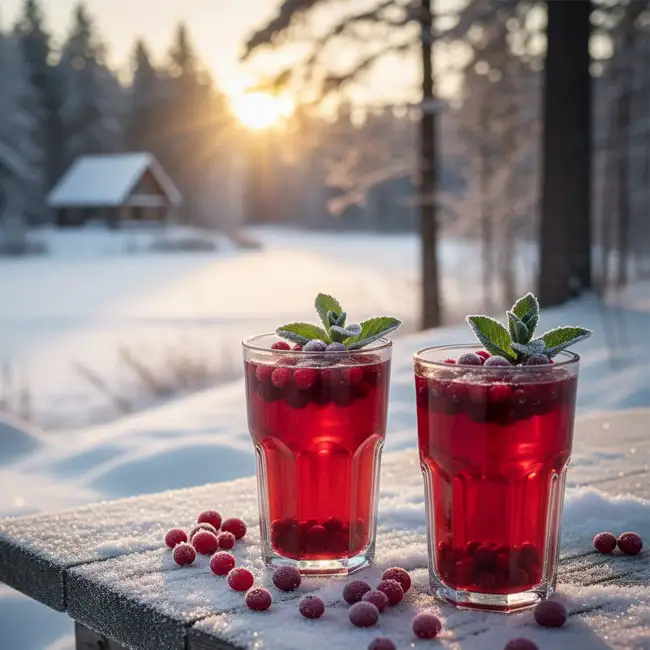
🍒 Recipe 2: Mors (The Vibrant, Immune-Boosting Berry Decoction)
Mors is a traditional, non-alcoholic fruit decoction prized for its tartness and vibrant color. It’s a staple in Eastern European health and wellness, typically made from wild, sour berries like cranberries (klyukva) or lingonberries (brusnika). The key difference from Kompot is that Mors is always made by separating the valuable raw juice, maximizing flavor and nutrients.
✨ About this Recipe: Tart, Bright, and Therapeutic
Mors is intensely refreshing and often touted for its immune-boosting properties. By crushing some of the berries and reserving the raw juice, we ensure the final drink retains the brightest, freshest flavors and vitamins that would otherwise be destroyed by prolonged boiling. The final texture is smooth and velvety, thanks to the natural pectin in the berries.
📝 Ingredients & Measurements
- Berries: 3 cups (about $400\text{g}$) fresh or frozen cranberries (or lingonberries/red currants)
- Water: 8 cups (about 1.9 liters) cold water
- Sweetener: 1/2 cup granulated sugar or liquid honey (or to taste)
- Brightener: 1 tablespoon lemon juice (optional, for extra zest)
- Optional Spices (Winter Mors): 1 cinnamon stick and 3 whole cloves
👩🍳 Step-by-Step Instructions
1.Crush and Reserve: Rinse the berries. Place them in a bowl and use a potato masher or a sturdy wooden spoon to thoroughly crush them, releasing all the juice.
2.Separate the Raw Juice: Pour the crushed berries and their liquid through a fine-mesh sieve into a clean bowl. This is the valuable raw juice. Do not discard the pulp/skins left in the sieve—we need those!
3.Make the Decoction: Transfer the berry pulp/skins (from the sieve) into a saucepan. Add the 8 cups of water and your optional spices (if using).
4.Boil and Simmer: Bring the mixture to a boil over medium heat. Reduce the heat and gently simmer the pulp for about 15 minutes. This step extracts the color, pectin (for texture), and flavor remaining in the skins.
5.Strain and Combine: Remove the decoction from the heat. Strain the liquid through a fine-mesh sieve (or cheesecloth-lined colander) directly into the bowl containing the reserved raw juice (from Step 2). Discard the boiled pulp and spices.
6.Sweeten and Finish: While the liquid is still warm, stir in the sugar (or honey) and lemon juice (if using) until completely dissolved. Adjust the sweetness level to your liking.
7.Chill and Serve: Mors is almost always served very cold. Transfer the liquid to a pitcher and chill in the refrigerator for at least 4 hours.
🚨 Tips & Mistakes to Avoid
- The Two-Step Method is Key: Never boil the entire quantity of juice. Separating the raw juice is the traditional secret to Mors's superior fresh flavor and vitamin content.
- Use Sour Berries: Mors shines with tart berries (cranberries, lingonberries). If you use sweeter fruit, you may need to add more lemon juice for balance.
- Frozen Works Great: Frozen berries are perfect because the freezing/thawing process naturally breaks down the cell walls, making them easier to crush and release their juice.
❓ FAQ
Q: Can I use this recipe for other berries?
A: Yes, use any tart berry you can find! The balance of water and sweetener may need minor adjustments based on the fruit's natural acidity.
Q: Why is my Mors cloudy?
A: If you blend the berries instead of simply crushing them, or if you don't strain thoroughly, your Mors will be slightly cloudy. For a clear drink, use a fine-mesh sieve or cheesecloth for the final strain.
✨ Summary
Mors is your go-to when you need a vibrant, tart pick-me-up. It's a taste of the Belarusian wilderness, packed into a glass, and a far healthier choice than any store-bought cranberry juice cocktail.

🌲 Recipe 3: Byarozavik (The Elusive Birch Sap Refresher)
Byarozavik is perhaps the most unique and ancient non-alcoholic beverage in Belarus—the literal taste of spring. It is the clear, subtly sweet sap collected directly from birch trees for a short time in early spring. In Belarus, it is consumed fresh, or very gently processed to create a lightly flavored, mineral-rich drink.
✨ About this Recipe: Forest Elixir
Fresh birch sap is incredibly light and clean, often described as the freshest water you’ve ever tasted with a faint, earthy sweetness. Since it doesn't keep long, the traditional way to preserve and enhance it is with a short, controlled infusion or fermentation. This recipe focuses on creating the classic, non-alcoholic, lightly fortified version, which results in a sparkling, naturally healthy treat.
📝 Ingredients & Measurements
- Base: 2 quarts (about 1.9 liters) fresh or commercially bottled, unflavored birch sap (often sold as "Birch Water")
- Sweetener: 2 tablespoons granulated sugar or liquid honey (needed to support the natural fizz)
- Acidity: 2 tablespoons fresh lemon juice
- Natural Fizz: 10-15 dark raisins (for natural yeast and a gentle sparkle)
- Optional Flavor: A small piece of orange peel or a sprig of mint
👩🍳 Step-by-Step Instructions
1.Prepare the Base: Pour the birch sap into a large, clean glass jar (at least 2.5 quarts/liters capacity).
2.Add the Flavor: Add the sugar (or honey) and stir until it dissolves completely. Stir in the lemon juice and gently drop in the dark raisins and any optional flavorings (orange peel, mint).
3.Start Gentle Infusion: Cover the jar opening with a cloth or paper towel, securing it with a rubber band. This allows air exchange while keeping things clean.
4.Wait and Observe: Let the jar sit at room temperature (68∘F to 75 ∘F( 20∘C to 24∘C) for 2 to 3 days. You should see the raisins swell and perhaps float, indicating gentle natural fermentation has begun.
5.Bottle and Chill: Once you notice a slight tanginess and a hint of bubbles when you stir, it's ready. Strain the liquid to remove the raisins and any solids. Pour the liquid into sturdy bottles (flip-top style is best) and seal them.
6.Final Fizz: Leave the sealed bottles at room temperature for another 8 to 12 hours to build a little more carbonation. Important: Briefly "burp" the bottles (open them slightly) after 8 hours to relieve pressure.
7.Serve: Transfer the bottles to the refrigerator to halt fermentation. Serve well-chilled for the cleanest, most refreshing taste.
🚨 Tips & Mistakes to Avoid
- Don't Over-Ferment: The key is to stop the process before it gets overly sour or acidic. Taste frequently! After 3 days, move it to the fridge regardless of how fizzy it is.
- Handle Sap Gently: Birch sap is delicate. Avoid boiling or vigorous shaking, as this can flatten the flavor.
- Sourcing: If you can't find birch water, this recipe can be adapted using pure coconut water as a base for a similar texture (though the flavor will be different), but the authentic experience requires real birch sap.
❓ FAQ
Q: Is it safe to drink birch sap?
A: Yes, it is incredibly safe, healthy, and consumed widely in Eastern Europe. The sap is simply the tree's spring water/nutrient transport system.
Q: Does it have a tree flavor?
A: Not in the way you might think. It is incredibly delicate—a subtle sweetness and a clean, earthy mineral finish, making it highly refreshing.
✨ Summary
Byarozavik is a truly unique culinary experience. It is the taste of ancient survival and nature's gift, providing a sparkling, non-alcoholic drink unlike anything else you can buy.
🍹 Final Thoughts: Your New Favorite Hydration
You now have the master guide to three of the most authentic and wonderful non-alcoholic drinks from Belarus: the sweet, comforting Kompot; the tart, healthy Mors; and the clean, unique Byarozavik.
These recipes are a beautiful reflection of Eastern European culture—simple, resourceful, and focused on extracting the best flavors from nature. The best part? They are all non-alcoholic, gut-friendly, and perfect for every member of the family.
So, roll up your sleeves, pick your favorite seasonal fruit, or find some birch water, and get started. Try the Kompot first, share your experience, and tell me which one became your go-to refreshment!
| 🇧🇾 🍷 < Back |