
🏠 Home > 🗺️ Recipes > 🥘 Sauces > 🇧🇾 Belarus Sauces
🇧🇾 🥘 Belarus Sauces Recipes
Published by Supakorn | Updated: February 2026
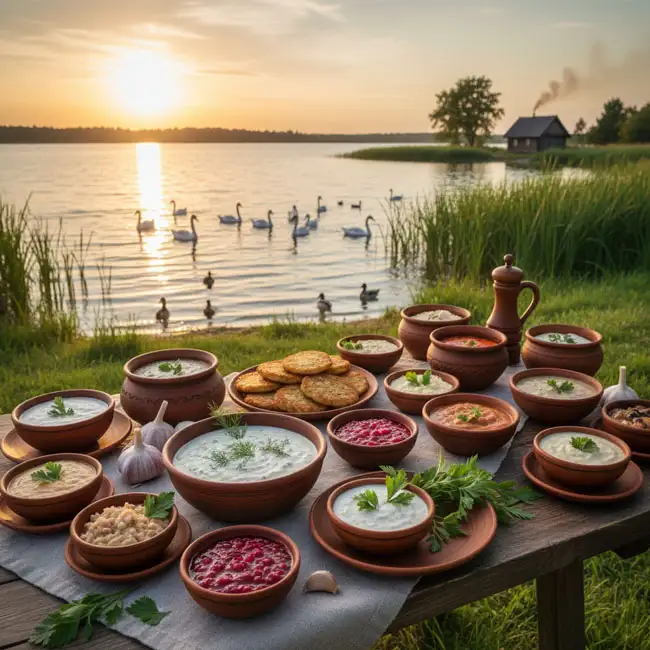
🥄 The Unsung Heroes: Why Belarusian Sauces Define the Meal
Hello there, culinary adventurers! We’ve talked about the magnificent, hearty breads and the legendary potato dishes of Belarus, but there’s a quiet, often overlooked element that truly binds the entire cuisine together: the sauces and gravies. In Belarusian food culture, a meal isn't just a plate of ingredients; it’s an experience where the main starch (potatoes or pancakes) is often merely a vehicle for the rich, flavorful, and deeply satisfying sauce.
Think of it this way: if the potato (bulba) is the king, and the rye bread (khleb) is the queen, then the sauces are the royal decree—the flavor and cultural reason for the meal. These are not dainty, light French reductions. Belarusian sauces are thick, often creamy, intensely savory, and designed for one thing: to provide essential fat, flavor, and moisture to dense, peasant-style fare. They are the ultimate expression of the country's resourcefulness, turning simple staples into comforting, unforgettable feasts.
The philosophy behind these sauces stems from the harsh realities of the region's history: long, cold winters and a traditional reliance on preserved meats (like smoked pork, sausages, and lard) and dairy. Sauces were necessary to "lighten" the dry texture of cured meats and to ensure every drop of precious meat fat and flavor was incorporated into the meal. This is why dairy (especially sour cream) and smoked pork products are the cornerstones of virtually every famous Belarusian gravy.
📜 A Historical Dip: From Peasant Staple to National Delicacy
The history of Belarusian sauces is largely the history of necessity and clever cooking. In the ancient kitchens of the peasantry—and later, the gentry—ingredients were seasonal and hard-won. Sauces, often called prismaki (a term for flavorful additions or seasonings), served several key functions:
1.Moisture and Satiety: They added much-needed hydration and caloric density to dry bread, thick pancakes (draniki), or plain boiled potatoes.
2.Flavor Extension: They used small, expensive bits of meat or fat (like bacon rinds or smoked sausage ends) and stretched their flavor across an entire bowl of less expensive starches.
3.Preservation (Dairy): The frequent use of smetana (sour cream) or buttermilk ensured that valuable milk products were consumed before spoiling, and their natural acidity helped balance the meal.
One of the oldest and most prominent families of Belarusian sauces is the Machanka or Vereshchaka group. These aren't sauces in the modern thin sense; they are more akin to hearty, thick stews or gravies, often containing chopped meat. The tradition of dipping (or "machania") your bread or pancakes directly into the communal pot of gravy is so foundational that the dish itself is named after the act of dipping (machanka literally means "dipping"). This habit reinforces the communal nature of Belarusian dining. Even today, these rich meat gravies remain the hallmark of traditional restaurants and family celebrations.
🥣 The Core Triumvirate: Essential Belarusian Sauces
While a Belarusian kitchen will have many seasonal and regional prismaki, three types of "sauce" stand out as defining pillars of the national cuisine. They cover the spectrum from light and tangy to dark and intensely savory.
🥓 The Hearty King: Machanka (Meat Gravy/Stew)
If there is one dish that exemplifies the spirit of Belarusian sauces, it is Machanka. It is the ultimate expression of flavor extraction and hearty consumption, designed specifically as a "dip" for potato pancakes (draniki) or thick, plain yeast pancakes.
What is it? Machanka is essentially a very thick, savory gravy or a thin stew made from an assortment of rich pork products. A typical preparation involves:
- Meat: Sautéed fresh pork cuts, smoked sausages, bacon, or even pork ribs, all cut into small, manageable pieces.
- Base: A combination of stock (often beef or mushroom) and a thickening agent like flour (often rye or wheat, sometimes browned for extra flavor).
- Creaminess: Crucially, many versions are finished with a generous amount of sour cream (smetana) to add richness, body, and a slight tang.
- Aromatics: Onions, garlic, black pepper, and bay leaves are standard.
Vereshchaka, mentioned in historical texts, is often considered a regional or older variation of Machanka, sometimes utilizing a more beer-based broth instead of pure sour cream, giving it an even deeper, fermented flavor. The cultural significance is in its sheer richness—it's celebration food, often served at large gatherings because it is so satisfying and easily shared.
The Eating Culture: Machanka is never poured over the food. It is served in a large, communal clay pot (gliniany garshok) in the center of the table. Diners tear off pieces of draniki or thick pancakes and dunk them into the Machanka, ensuring every bite is heavily coated in the luscious, meaty gravy. It’s an interactive, messy, and wonderfully social way to eat.
🥄 The Universal Ingredient: Smetana (Sour Cream)
While not a complex cooked sauce, Smetana (sour cream) is so universally utilized in Belarusian cooking that it functions as the country's most important condiment/sauce. It is the culinary equivalent of an apostrophe: it clarifies and complements almost everything.
What is it? Belarusian smetana is typically thicker, richer, and less processed than much of the sour cream found in Western supermarkets. It often has a higher fat content and a very clean, tangy, and slightly milky flavor. It is a staple dairy product, valued for its ability to cut through the heavy richness of meat and starches.
The Flavor Profile and Use: Smetana is the required accompaniment for:
- Draniki: A dollop on a hot potato pancake is non-negotiable.
- Borscht and Khaladnik: It provides the signature, creamy tang that finishes the soup.
- Savory Dumplings (Kolduny and Kletski): It acts as a dipping sauce to add moisture.
- Sweet Dishes: Used as a topping for syrniki (cottage cheese pancakes) and fresh berries.
Its versatility is key; it’s a cooling contrast to hot food, a binding agent in baked goods, and an instant flavor enhancer in almost any context, embodying the simple, dairy-rich agricultural heritage of Belarus.
🐴 The Pungent Punch: Khren (Horseradish Sauce)
For those seeking a powerful, sinus-clearing kick, the various forms of horseradish sauce, or Khren, offer a sharp contrast to the creamy comfort of Smetana and Machanka.
What is it? This isn't just pure grated horseradish; it’s a prepared condiment designed for the meat course. While simple horseradish is often served raw and grated, the classic sauce combines freshly grated horseradish root with other ingredients to mellow its fire and enhance its flavor. Common variations include:
- Khren with Sour Cream (Khrén so Smétanoy): A mixture of grated horseradish, smetana, and often a touch of salt and sugar. This is the most common creamy dipping sauce for smoked meats, cold cuts, and tongue.
- Khren with Beetroot (Khrenovina/Cvikli): A vibrant, pungent, red/pink sauce where the grated horseradish is mixed with cooked beetroot, giving it sweetness, color, and depth.
The Eating Culture: Khren is a quintessential accompaniment for rich, cold, or smoked meats, particularly Pyachisto (slow-roasted ham or pork) or cold boiled tongue. Its sharpness is intended to cut through the fat and stimulate the appetite, making it a fixture on holiday and ceremonial tables where large meat courses are served. It speaks to the Slavic love for intense, clear, and powerful flavors.
🍽️ The Art of Pairing: How Sauces Shape the Meal
The way these sauces are paired is not random; it follows a well-established culinary logic designed to maximize flavor and caloric intake, while still celebrating local ingredients.
🥔 The Potato's Partner: Machanka and Draniki
This pairing is perhaps the most iconic culinary relationship in Belarus. Draniki (potato pancakes) are crispy and somewhat dry, providing a neutral, sturdy base. Machanka is rich, meaty, and wet, providing the necessary fat and flavor.
The relationship is one of perfect balance:
- The plain potato soaks up the complex meat sauce.
- The crisp texture of the pancake contrasts with the smooth, thick gravy.
- The nutritional energy of the starchy potato is completed by the protein and fat of the Machanka.
It’s a meal that is complete, balanced, and deeply rooted in the concept of sustenance—the ability to keep a person full and warm through a long day of labor.
🍖 Meat and Acidity: Khren with Cold Cuts
The pairing of Khren with cold meats highlights the Belarusian preference for contrast. Serving rich, salty, and fatty meats (like cold tongue, smoked ham, or lard) with a sharply acidic condiment is not unique to Belarus, but the intensity of the freshly prepared Khren sets it apart. The heat and acidity cleanse the palate, preventing the heavy meat from becoming overwhelming, and adding a lively element to the cold, savory slices. It’s a deliberate, palate-waking contrast that is essential to the holiday zakuski (appetizer) table.
🍓 Sweet & Sour: Smetana in Desserts
While mostly known for savory roles, Smetana's natural tang is crucial for balancing sweetness. The most popular sweet pairing is with Syrniki (fried cottage cheese pancakes) or fresh, tart forest berries (like lingonberries or cranberries). The slight sourness of the cream cuts the sweetness and richness of the cheese or the tartness of the berry, transforming simple ingredients into a sophisticated, yet comforting, dessert. This use showcases the ingredient's versatility, proving that Smetana is the dairy backbone of the entire culinary spectrum.
🌿 Other Notable Prismaki and Flavor Enhancers
Beyond the major three, Belarusian cuisine is rich with minor prismaki and flavor boosters that are vital to daily cooking:
- Garlic and Dill: These are not just seasonings; they are flavor foundations. Dill is added to almost every summer salad and soup, while fresh garlic is often mashed with oil and served as a dip for bread or an addition to Draniki.
- Mushroom Gravies (Grybny Sos): Given the country's abundance of wild mushrooms, rich gravies based on dried or fresh mushrooms are common, especially during fasting periods (Lent). These are often thickened with flour and use the soaking liquid of dried mushrooms for an intensely earthy flavor, served over potatoes, kletski (dumplings), or buckwheat kasha.
- Oil and Vinegar Dressings: For simple vegetable salads (cabbage, carrots, cucumbers), a mixture of unrefined vegetable oil (often flaxseed or sunflower oil for a nutty flavor) and a light vinegar or brine is preferred over heavy dressings, allowing the natural flavor of the garden vegetables to shine.
Conclusion: The Secret Ingredient is Culture
Belarusian sauces are more than just toppings; they are the concentrated essence of the country’s food culture. They speak of ingenuity, of turning basic agricultural products (potatoes, rye, pork, and dairy) into comforting masterpieces. Whether you are dipping a crispy dranik into the creamy, meaty warmth of Machanka, or adding a refreshing dollop of Smetana to a bowl of Borscht, you are partaking in a culinary tradition that values richness, satiety, and the communal sharing of flavor.
Next time you explore Eastern European food, pay close attention to the sauce—it’s the secret, unsung hero, the true heart of the meal, and the best way to understand the heritage of the Belarusian table. Smačnaha! (Enjoy your meal!)
❓ Frequently Asked Questions (FAQ)
Q1.What is the difference between Machanka and Vereshchaka?
A1.Machanka is the general term for a thick, meat-based dipping sauce or gravy in Belarus, literally meaning "a dip." Vereshchaka is a specific, historically older variation of Machanka that traditionally used white sausage, bacon, and was thickened with flour, often incorporating beer or kvass into the broth for a distinct fermented flavor. Today, the names are often used interchangeably, but Vereshchaka implies a more specific, usually richer, traditional recipe.
Q2.Why is sour cream (Smetana) so central to Belarusian cuisine?
A2.Sour cream, or Smetana, is central because Belarus is historically a dairy-rich agricultural country with long, cold winters. Smetana was a practical way to preserve milk in the days before refrigeration. Culturally, its rich, tangy flavor perfectly complements the major staples: it provides moisture and a sharp, cooling contrast to the heavy, savory flavor of potato dishes (Draniki, Kolduny) and hearty soups (Borscht, Khaladnik).
Q3.Are Belarusian sauces traditionally spicy?
A3.No, traditional Belarusian sauces are generally not spicy in the sense of chili heat. The prominent flavors are rich, savory, earthy (from mushrooms and meat), tangy/sour (from Smetana or fermented ingredients), and pungent (from Khren—horseradish). While black pepper is common, capsaicin-based heat is not a traditional element of the historical prismaki.
🥘 Discover the Tastiest Belarus Sauces to Brighten Any Meal
| 🌐 🥘 < Back | 🇧🇾 🍱 < Previous |