
🏠 Home > 🗺️ Recipes > 🍲 Soups > 🇧🇾 Belarus Soups
🇧🇾 🍲 Belarus Soups Recipes
Published by Supakorn | Updated: February 2026
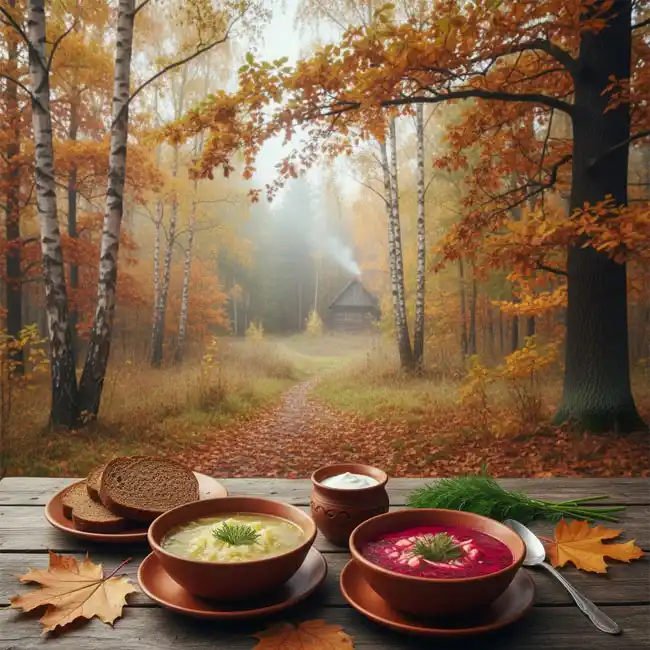
🇧🇾 🍜 Belarus Soups: A Culinary Hug in a Bowl
Hey soup lovers and culinary adventurers! If you’ve heard of Belarusian cuisine, your mind probably jumps straight to draniki (potato pancakes), right? Fair enough, potatoes are king! But here's a secret: the true heart and soul of Belarusian cooking often lies in a big, steamy, or sometimes shockingly cold, bowl of soup.
In Belarus, soup isn't just an appetizer; it's a meal, a tradition, and a reflection of the country's history and resourceful spirit. Their soups are simple, made with local, humble ingredients, but they deliver a punch of flavor and sustenance that few other dishes can match. They are, quite simply, a cozy, culinary hug in a bowl, perfectly suited for the country's climate and heritage.
Ready to dive deeper? We’re going to explore the culture of Belarusian soups, highlight the iconic must-try dishes (both hot and cold!), and talk about how soup remains an essential, daily part of Belarusian life. Grab a spoon, and let's get started!
🥣 The Cultural Cornerstone: Why Soup Matters in Belarus
To understand Belarusian soups, you need to understand their historical context. Belarus is a landlocked country with cold winters and a strong tradition of self-sufficient farming. Their cuisine, and especially their soup culture, is directly influenced by this reality.
🚜 From Field to Bowl: Ingredients as Identity
Belarusian soups are a masterclass in resourcefulness and seasonal eating. The most common ingredients are a direct snapshot of the country’s agricultural output:
- The Power of the Potato: Naturally, potatoes are a major component, adding starchiness and body to many savory soups.
- Grains and Legumes: Traditionally, cereals like barley, millet, and oats were used extensively. They weren't just filler; they were the thickening agents and the nutritional core, a practice that defines the ancient soup category known as Poliŭka.
- Root Vegetables and Cabbage: Beets, carrots, turnips, and especially cabbage (often fermented into sauerkraut) are the core vegetables, providing deep, earthy flavors that hold up well to long simmering times.
- The Forest’s Bounty: Mushrooms (fresh, dried, and pickled) are incredibly important, used to flavor broths and add a hearty, umami depth, especially during Lent or when meat was scarce.
- Dairy’s Tang: Dairy products like sour cream (smetana) and buttermilk are essential finishing touches, added to almost every bowl—hot or cold—to enrich the texture and balance the deep, earthy flavors.
The traditional Belarusian peasant dinner often consisted of just two courses: soup and a main dish (like a potato casserole or dumplings). This highlights soup's role as the primary source of nutrients, a hearty starter that bridges the gap between the day's hard work and the evening's repose.
🍲 Old World Terminology: The Poliŭka Tradition
Before the generic term "soup" was borrowed from German by the nobility in the 18th century, the traditional Belarusian word for many cooked, hearty broths was Poliŭka.
- The Poliŭka Vibe: Poliŭka refers to a thin, cooked soup that relied on cereal grains (barley, millet) and starchy ingredients (potatoes) to give it body, and often used slightly sour bases like kvass (a fermented rye drink), buttermilk, or beet juice. This concept captures the true, rustic, ancestral style of soup-making, where the liquid base was simple, but the contents were rich and nourishing. Today, while the term Poliŭka is less common, the style lives on in many of the country's mushroom and barley soups.
🌟 The Iconic Bowls: Hot and Cold Soup Heroes
Belarusian soup divides beautifully into two categories: the soul-warming, hearty soups for the long, cold season, and the shockingly refreshing cold soups perfect for summer. You need to know both to appreciate the full culinary spectrum!
🔥 The Cold-Weather Comforts (Hot Soups)
These soups are designed to be filling, richly flavored, and deeply comforting, utilizing the preserved or root vegetables that store well through the winter.
🍄 Gribnoy Sup (Mushroom Soup): The Taste of the Forest
Belarus is known for its vast forests, and with them, a thriving culture of mushroom foraging. This is a soup that celebrates that heritage.
- What it is: A rustic, deep-flavored broth made primarily from various types of forest mushrooms (especially dried ones, which intensify the flavor), often simmered with pearl barley, potatoes, onions, and carrots.
- The Vibe: It's earthy, smoky (if dried mushrooms are used), and has a marvelous, chewy texture from the barley. It's often thickened slightly with a zakolota (a simple mixture of flour and water or liquid) and almost always topped with a generous swirl of fresh sour cream. It’s the ultimate embodiment of forest-to-table cuisine.
🥬 Shchi (Cabbage Soup): A Hearty Winter Staple
While popular across Eastern Europe, the Belarusian Shchi is a thick, vitamin-rich workhorse of the winter kitchen.
- What it is: A deeply flavorful soup made with sauerkraut (sour cabbage) or fresh cabbage, and often includes meat stock (pork or beef), potatoes, carrots, and onions. The use of sauerkraut gives it a pleasant, tangy sourness.
- The Vibe: It’s robust, savory, and traditionally made in large batches, as it is widely believed to taste even better the next day. This soup is pure, satisfying fuel—the kind of dish that warms you from the inside out after a long day in the cold.
🥔 Zhur (Sour Rye Soup): An Ancient Sour Delight
Zhur is a soup that truly captures the old, resourceful spirit of Slavic peasant food.
- What it is: A distinctive, slightly tangy soup made from an oat or rye flour ferment (similar to a sourdough starter). This sour base is then enriched with smoked meats (like bacon or sausage), potatoes, eggs, and often served with a dollop of sour cream.
- The Vibe: It has a unique, pleasantly sour taste and a creamy, almost jelly-like consistency due to the cereal base. It was historically a key dish served before major fasts (like Lent) because it could be easily made in "lean" (dairy-free) or "rich" (meat/milk-inclusive) versions.
🌸 The Summer Refreshers (Cold Soups)
When the weather warms up, the starchy, heavy soups are set aside for their famous, shockingly colorful, and incredibly refreshing cold cousins.
💖 Khaladnik (Cold Beet Soup): The Pink Jewel of Summer
Khaladnik (literally meaning "cooler") is arguably the most recognizable and beloved Belarusian soup, a true seasonal marvel.
- What it is: A vibrant, bubblegum-pink soup made from cooled, strained beet broth or a mixture of beet puree and a cold dairy base like kefir or buttermilk. It's loaded with finely chopped fresh cucumbers, dill, green onions, and garnished with a hard-boiled egg and sour cream.
- The Vibe: It is served ice-cold and is the ultimate antidote to a hot summer day. The flavor is a perfect blend of earthy sweetness from the beets, tanginess from the dairy/lemon juice, and fresh crunch from the cucumbers and herbs. It is traditionally served alongside hot boiled potatoes, creating a wonderful, satisfying contrast in temperature.
🍃 Cold Sorrel Soup (Shchavel): The Green and Tangy Alternative
For those who prefer a less vibrant, but equally refreshing cold soup, Shchavel steps up.
- What it is: A bright green soup made from sorrel leaves (a leafy green with a natural, lemony tartness), simmered, chilled, and finished with potatoes, a hard-boiled egg, and sour cream.
- The Vibe: It's often called "green borscht" and is prized for its clean, intensely tangy, and light flavor. It’s another brilliant example of using seasonal, locally foraged ingredients to create a deeply flavorful and nutritious dish.
🍽️ Eating Culture: The Daily Ritual of Soup
The role of soup in the Belarusian diet goes beyond the recipe—it’s about the routine and the atmosphere.
🥄 The Daily Anchor: Soup for Lunch
In Belarus, as in many Eastern European countries, lunch is the main meal of the day, and it almost always begins with soup. It’s seen as a necessary part of digestion and an essential way to replenish energy.
- The Order: A typical, traditional Belarusian lunch starts with a bowl of hearty soup (hot or cold, depending on the season), followed by a heavy second course (like draniki with a sauce, or meat pyachysta).
- The Accompaniment: Soup is rarely eaten alone. It is almost always paired with a piece of heavy, dark rye bread (often sliced and buttered or used for dipping) and the omnipresent, cooling swirl of sour cream.
👩🍳 The Home Kitchen vs. The Restaurant
While you can find incredible soups in Minsk’s best traditional restaurants, the true soul of Belarusian soup lies in the home kitchen.
- Grandma’s Cooking: These are recipes passed down through generations, often varying slightly from region to region and family to family. The long, slow cooking of hot soups and the careful chilling of cold soups are acts of domestic love and heritage.
- A Taste of Tradition: Even modern, urbanized Belarusian families maintain the tradition of having a pot of soup on the stove, ready for a quick, wholesome meal. It is the definition of "home cooking."
❓ FAQ: Diving Deeper into Belarusian Soups
Q1: What is the main difference between Belarusian Borscht and Ukrainian Borscht?
A: While both are delicious beet soups, Belarusian Borscht often features a greater abundance of potatoes and may have a slightly sweeter or more tangy flavor profile, sometimes using a touch of vinegar or lemon juice to brighten the beet's earthy flavor. Historically, the base meat might also differ, but the real key is the emphasis on the hearty combination of root vegetables and potatoes.
Q2: Why are so many Belarusian soups served with sour cream?
A: Sour cream (smetana) serves several important functions: Flavor, Texture, and Tradition. It balances the often intense, rustic, and slightly sour flavors (especially in Khaladnik or Zhur). It adds a luxurious richness and creaminess to the thin, broth-based soups. Finally, it’s a deep-seated culinary tradition—a spoonful of smetana is the sign of a properly finished Belarusian soup.
Q3: What makes Khaladnik pink, and does it taste like a vegetable salad?
A: Khaladnik gets its signature vibrant pink color from the combination of cooked beets and a white dairy liquid (like kefir or buttermilk). While it contains chopped vegetables (cucumber, dill, onions), the base is a liquid (the beet broth/kefir), giving it a true soup consistency. It tastes fresh, tangy, slightly sour, and earthy, not heavy like a salad, making it incredibly refreshing.
That’s the low-down on the magnificent world of Belarusian soups—proof that simple ingredients, handled with care and tradition, can create dishes with enormous flavor and cultural depth.
Since Khaladnik is the iconic Belarusian summer soup, would you like me to find a traditional recipe for Khaladnik so you can be ready for the next warm day?
🍲 Taste the Heart of Belarus: 3 Comforting Soups to Warm Your Soul
| 🌐 🍲 < Back | 🇧🇾 🍷 < Previous | Next > 🥗 🇧🇾 |