
🏠 Home > 🗺️ Recipes > 🥗 Salads > 🇧🇪 Belgium Salads
🇧🇪 🥗 Belgium Salads Recipes
Published by Supakorn | Updated: February 2026
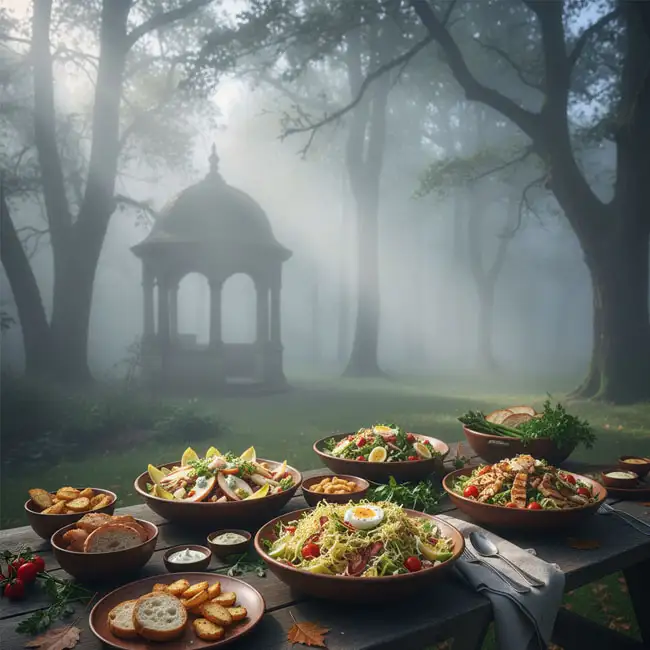
🥬 The Unexpected Green: Salad Culture in the Land of Fries
Hey there, fellow foodies! When the thought of Belgian cuisine pops into your head, you're probably envisioning crispy frites, rich stews, and perhaps some glorious chocolate. Salads? Maybe not the first thing, right? But here's a delicious little secret: Belgian salads are absolutely essential. They are the quiet, sophisticated counterpoint to the country's rich main dishes.
Belgian salad culture is a beautiful lesson in balancing heartiness with freshness. These aren't just bowls of plain lettuce; they are thoughtful compositions that often blur the line between a side dish and a main course. They reflect the same commitment to high-quality, seasonal, and hyper-local ingredients that defines all of Belgian cooking.
The secret is duality: Belgians love contrasting textures and temperatures. You'll find salads that are served warm alongside crisp, cold vegetables, or ones that use sharp, acidic dressings to cut through the richness of savory add-ins. This is where tradition and clever cooking truly shine, taking simple farm-to-table ingredients and making them feel complex and utterly satisfying.
🌟 The Stars of the Bowl: Iconic Belgian Salads
If you step into a classic Belgian brasserie, there are a few salads that will repeatedly appear on the menu, each telling a story of a specific region and tradition.
🥔 Salade Liégeoise: The Warm Hug from Wallonia
If there is one salad that defines Belgian heartiness, it’s the Salade Liégeoise. This isn't your typical chilled, delicate side; it's a warm, savory, and robust meal that often takes center stage.
Hailing from the Liège region in Wallonia, this "salad" is a testament to the working-class origins of Belgian comfort food. Its core ingredients are humble but powerful: tender steamed potatoes, slightly firm green beans (often haricots verts for a delicate touch), and savory, crispy lardons (small strips of cured bacon). These ingredients are all tossed together while warm, then dressed simply with a tangy vinaigrette, often incorporating a touch of vinegar (like sherry or raspberry vinegar) to balance the fat from the lardons. It’s hearty, honest, and the perfect meal for a cool day.
🌼 Witloof Salade: The Queen of Crispness
Meet the vegetable nicknamed "white gold": the Belgian Endive (witloof in Dutch or chicon in French). This crisp, pale vegetable is a national icon and the basis for one of the most refreshing and classic Belgian salads.
Belgian endive is intentionally grown in the dark, which keeps its leaves pale and ensures its characteristic mild bitterness. The simplest and most traditional Witloof Salade highlights this beautiful contrast:
1.The Crisp Base: Thinly sliced endive provides the main crisp, slightly bitter texture.
2.The Sweet Counterpoint: Slices of fresh, crisp apple (like a Fuji or Granny Smith) or sometimes dried sultanas add necessary sweetness.
3.The Richness: Cubes of firm cheese (often Swiss Gruyère or Gouda) and chopped walnuts or pecans provide depth and satisfying crunch.
4.The Dressing: A simple, sharp vinaigrette, sometimes featuring a touch of mustard or honey, is used to marry the bitter and sweet flavors.
This salad is a masterclass in balance—the bitterness of the witloof is perfectly tamed by the sweetness of the fruit and the richness of the cheese.
🍤 Tomato-Shrimp Salad: A North Sea Delight
While the above two are staples, a key part of the coastal Belgian diet is the Grey Shrimp, or Garnalen. These tiny, incredibly flavorful shrimp form the base of an elegant, refreshing salad that is popular along the coast and in seaside towns.
The simplest version features peeled, cold grey shrimp piled generously atop a bed of crisp shredded lettuce (often iceberg or Roman) and combined with wedges of perfectly ripe tomato. It's dressed lightly, usually with a classic mayonnaise-based sauce or a clean lemon vinaigrette. The texture contrast between the delicate shrimp and the crunchy lettuce is what makes this simple salad a sophisticated favorite.
🧑🍳 The Belgian Salad Philosophy: Eating Habits and Ingredients
Belgian food is designed to be savored, and even the salads play a crucial role in the dining structure.
☀️ Salad as a Main Meal (Or a Hearty Side)
In Belgium, a salad is not just a precursor to the main course. Dishes like Salade Liégeoise are substantial enough to be considered a complete lunch or dinner main. In the summer, even lighter options, dressed with protein (like grilled chicken or the aforementioned shrimp), are common main courses.
When served as a side, the salad is carefully chosen to complement the heaviness of the main dish. For example, the sharp bitterness of the Witloof Salade is the perfect refreshing palate cleanser alongside a rich Carbonade (Flemish beef stew), balancing the entire plate.
🥓 Importance of Texture and Fat
Unlike some modern salad trends that focus purely on leafy greens, Belgian salads are structurally complex. They utilize:
- Fats for Flavor: The use of lardons (small bacon strips) is prevalent. The fat rendered from the bacon is often used as the base for the dressing, warming the salad and imparting a rich, smoky flavor.
- Hearty Carbs: Potatoes aren't just for fries! They are often the foundation of the salad, providing a comforting, starchy anchor that absorbs the dressing beautifully.
- Simple Dressings: Dressings are typically vinegar-based (vinaigrettes) or mayonnaise-based (for richer, creamy salads). They are designed to be sharp enough to cut through the richness of the main ingredients, creating a balanced flavor profile rather than overwhelming the dish.
Belgian salads, therefore, are far from boring. They are deep, flavorful, and incredibly satisfying, proving that in Belgium, every dish—even the "salad"—is a carefully curated comfort food experience.
❓ Frequently Asked Questions (FAQ)
1. Why is Salade Liégeoise served warm?
Salade Liégeoise originated as a hearty, working-class meal, designed to be filling and warming, especially during colder seasons. Serving the potatoes and green beans immediately after cooking, while they are still warm, allows them to better absorb the rendered bacon fat and the tangy vinaigrette, enhancing the comfort and flavor of the dish significantly.
2. Is Belgian Endive (Witloof) supposed to taste bitter?
Yes, a slight, pleasant bitterness is the signature characteristic of Witloof. The vegetable is naturally a chicory, and the bitterness comes from its core. Belgian cooks often remove the very hard core to reduce intense bitterness, but they embrace the remaining mild flavor, knowing it pairs perfectly with sweeter additions like apples, pears, or creamy cheeses and dressings.
3. Do Belgians use a lot of mayonnaise on their salads, similar to how they use it on fries?
While a rich, homemade mayonnaise is a national obsession (especially for frites), it is used more selectively in salads. Mayonnaise is traditional in certain creamy preparations, like the cold tomato-shrimp salad. However, many classic Belgian salads, particularly the Salade Liégeoise and the Witloof Salade, rely on sharp, acidic vinaigrettes to provide a refreshing contrast to the hearty or rich ingredients.
🥗 Step-by-Step Guide to Belgium’s Most Delicious Salad Recipes
👉 Experience 3 Popular Belgium Salads
| 🌐 🥗 < Back | 🇧🇪 🍲 < Previous | Next > 🍞 🇧🇪 |