
🏠 Home > 🗺️ Recipes > 🍷 Drinks > 🇧🇷 Brazil Drinks
🇧🇷 🍷 Brazil Drinks Recipes
Published by Supakorn | Updated: February 2026
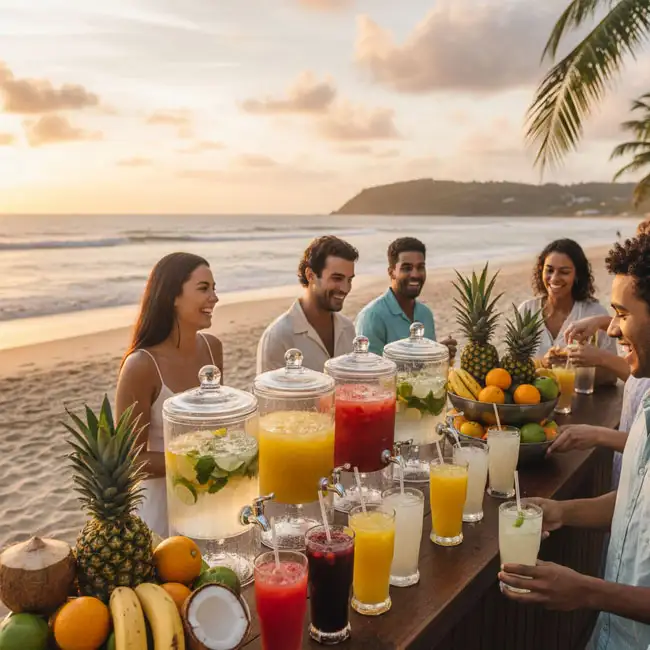
🌴 A Splash of Culture: Understanding Brazilian Beverages
Hey friend! If you’ve ever tasted the rich, soulful flavors of Brazilian food, you know it’s an experience. But to truly understand the vibrant, energetic rhythm of Brazilian life, you have to look at what they drink! Just like its food, Brazil's beverage culture is a spectacular reflection of its geography, history, and deep connection to nature.
Brazil is massive, stretching across diverse climates, from the humid Amazon to the cooler Southern plains. This geography gifts the country an incredible biodiversity, meaning a mind-boggling array of fruits that simply don't exist elsewhere—think passion fruit, acerola, cupuaçu, and caju (cashew fruit). Brazilians have mastered the art of turning these raw, natural treasures into some of the most refreshing and invigorating drinks on the planet.
For Brazilians, drinks aren't just for quenching thirst; they're an integral part of the social and daily ritual. Whether it’s a quick cup of coffee to kickstart the day, a vibrant, blended juice (suco) with lunch, or a thermos of mate shared among friends, the act of drinking is always tied to community and connection. Forget processed flavors; here, the mantra is fresh, fruit-forward, and often intensely sweet or wonderfully tart. Getting to know these drinks is the perfect way to soak up the sunny, natural spirit of Brazil!
🍹 The Kings and Queens of Brazilian Thirst Quenchers
When you step into any Brazilian lanchonete (snack bar) or feira (market), you'll be greeted by an explosion of colors and aromas. While every region has its own specialties, these non-alcoholic beverages are the universal stars that everyone loves.
🥭 Suco de Fruta: The Daily Dose of Sunshine
If you only try one category of beverage in Brazil, make it the fresh Suco de Fruta (Fruit Juice). This is the lifeblood of the nation! Forget the stuff from a carton; Brazilian juices are made-to-order, using whatever fruit is perfectly ripe that day.
• A World of Flavors: While you can easily find familiar juices like orange (laranja) and pineapple (abacaxi), the real adventure begins with the tropical, exotic flavors. Don't leave without trying:
• Maracujá (Passion Fruit): Wonderfully tart and aromatic—perfectly refreshing.
• Acerola (Barbados Cherry): Small, red, and incredibly high in Vitamin C, offering a slightly acidic, bright flavor.
• Caju (Cashew Fruit): Has a unique, slightly astringent taste that is surprisingly delicious when juiced.
• Goiaba (Guava): Sweet, thick, and incredibly fragrant.
Juice bars are everywhere, and they often blend the juice with water (com água) or milk (com leite), sometimes adding a touch of sugar to balance the natural acidity of the fruits. It’s a habit, a healthy boost, and a cultural statement all rolled into one.
💜 Açaí na Tigela: The Amazonian Power Bowl
While technically a thick, frozen food served in a bowl (tigela), Açaí deserves a spot here because its primary form is a highly popular, energy-boosting beverage-smoothie. Originating from the Amazon palm tree, açaí berries have a unique earthy flavor with subtle hints of chocolate and nuts.
In Brazil, the frozen pulp is blended into a thick, slushy texture, usually with a little banana or guaraná syrup to sweeten it. It's much thicker than a typical smoothie—often eaten with a spoon—and topped with crunchy granola, sliced fruit (like banana or strawberry), and sometimes honey. It has evolved from a Northern staple to a nationwide phenomenon, especially popular with athletes and beach-goers for its revitalizing kick.
🥤 Guaraná: Brazil’s Homegrown Soda
Every country has its iconic soft drink, and in Brazil, it’s undeniably Guaraná. This fizzy beverage is made from the seeds of the Guaraná fruit, an Amazonian vine known for its natural, gentle caffeine content.
The flavor is hard to describe—it’s sweet and fruity, often compared to a mix of apple and berry with a slightly earthy finish. Brands like Guaraná Antarctica are ubiquitous, served at every celebration, lanchonete, and family meal. It’s a clean, refreshing alternative to the standard cola and holds a special place in the hearts of Brazilians as a truly national taste.
🥛 Batidas: The Creamy, Non-Alcoholic Blends
The term Batida literally means 'shaken' or 'beaten/blended,' and while some versions contain cachaça (a distilled spirit), many of the most delicious are completely non-alcoholic. These are essentially thick, creamy milkshakes or blended fruit drinks.
The base is often condensed milk and/or fresh milk, blended with fresh fruit pulp. Common batidas include flavors like:
• Coco (Coconut): Rich, tropical, and wonderfully sweet.
• Amendoim (Peanut): A thick, comforting shake with a nutty flavor.
• Abacate (Avocado): Yes, avocado! Blended with milk and sugar, it turns into a surprising, creamy, and naturally green dessert drink that’s a local favorite.
These drinks are luscious, decadent, and incredibly satisfying, perfect for a treat on a hot day.
☕ Cozy Comforts: Brazilian Hot Beverages
Brazil might be famous for beaches and sunshine, but that doesn't mean they don't appreciate a warm, comforting drink. The consumption of hot beverages is deeply rooted in daily life, tradition, and the country's huge coffee production history.
☕ Cafezinho: The Cultural Cornerstone
If there’s one drink that truly defines the Brazilian daily rhythm, it’s the Cafezinho. This isn't your giant, complicated American coffee; it’s a small, strong, often pre-sweetened shot of intensely flavorful black coffee, traditionally brewed using a cloth filter (coador).
• More Than a Drink: The cafezinho is offered everywhere: in homes, at business meetings, at the end of a meal, and even in banks! It’s an immediate gesture of hospitality and welcome. To offer someone a cafezinho is to invite them into conversation and connection. It’s typically consumed quickly and multiple times throughout the day, providing small, comforting bursts of energy.
🌿 Tereré and Chimarrão: The Shared Mate Tradition
Venture down to the Southern states of Brazil, and you'll encounter a strong cultural tradition inherited from neighboring countries: the communal sharing of Yerba Mate.
• Chimarrão (Hot Mate): This is the version famous in the colder, cattle-ranching regions (Gaucho culture). It involves drinking hot, naturally bitter infused mate leaves from a small gourd (cuia) using a metal straw with a filter (bomba). The cuia is passed around a circle of friends, with the host constantly refilling the hot water. It’s a powerful symbol of friendship and communal belonging.
• Tereré (Cold Mate): This is the version popular in warmer, central-western regions. It’s essentially the same ritual, but the mate is steeped in ice-cold water or juice (like citrus), making it an incredibly refreshing and invigorating drink for hot climates.
Both forms are integral to daily social life, providing a natural, sustained energy lift without the jitters of strong coffee.
🍫 Chocolate Quente: The Brazilian Hot Chocolate
When the weather turns cool, or just for a moment of pure indulgence, Brazilians turn to Chocolate Quente (Hot Chocolate). This isn't the watery powder mix you might be used to; Brazilian hot chocolate is renowned for being incredibly thick, rich, and creamy.
It’s often made by melting high-quality chocolate or cocoa powder directly into milk, sometimes thickened with cornstarch or flour, and sweetened with condensed milk. The result is a velvety, almost pudding-like drink that is pure comfort—a luxurious treat for a chilly evening or a cozy afternoon break.
🧉 The Culture of Brazilian Beverage Consumption
The way Brazilians drink their beverages tells you just as much about the culture as the drinks themselves. There's a structure, a seasonality, and a deep appreciation for the natural state of the ingredients.
☀️ The Power of Cold and Fresh
Given that a huge portion of Brazil is tropical, the majority of daytime consumption is focused on beverages that are ice-cold. You will rarely be served a lukewarm drink! Ice is paramount, and the quality of freshness from the fruit is highly prized. This is why suco is made-to-order—Brazilians can taste the difference, and they demand the pure, vibrant flavor of the freshly blended fruit.
⏰ Time and Place: When to Drink What
• Morning Kickstart: The day begins with a cafezinho—always strong, always quick, and usually sweet. This is followed by a light breakfast where more juice (suco) might appear.
• Midday Refresh: Lunch (almoço) is always accompanied by a non-alcoholic drink. Fresh juice is the favorite, but Guaraná is also a common fixture on the table.
• Afternoon Boost: As the day drags on, another cafezinho or a shared session of tereré provides the energy needed to power through. Açaí bowls are a popular late-afternoon snack after a workout or time at the beach.
• Evening Wind-Down: Dinner (jantar) is usually lighter, and the beverage is often simple—water, or perhaps a glass of natural juice.
🥤 The Role of the Lanchonete and Mercado
The Lanchonete (snack bar) is the unofficial hub of Brazilian beverage culture. These casual spots are where you get your daily dose of fresh juice, your cafezinho, and your guaraná. They are fast, friendly, and accessible. Similarly, the Mercado (market) is where the true bounty of the fruits is displayed, inspiring consumers to take home the ingredients to make their own drinks, ensuring the tradition of fresh blending continues in the home kitchen. The sheer variety available reflects a national pride in natural resources.
❓ Your Brazilian Drinks FAQs
1. What is the difference between suco (juice) and a vitamina (vitamin)?
The difference lies primarily in the base and consistency. A Suco is typically the blended pulp of a single fruit mixed with water (com água). A Vitamina is a thick, nutrient-dense smoothie made from one or more fruits (like banana, papaya, and apple) blended with milk (com leite) and often fortified with oats or other healthy additions. Vitaminas are usually thicker, more filling, and consumed as a meal replacement or substantial snack.
2. Is mate the same as traditional tea?
While both mate and tea leaves are steeped in water, they come from completely different plants. Traditional tea (Camellia sinensis) is grown primarily in Asia. Mate (Ilex paraguariensis) is a native South American herb. Mate has a distinct, earthy, and naturally bitter flavor profile and contains a unique blend of caffeine and nutrients, giving a smooth energy boost. The preparation (drinking from a cuia and bomba) is also a unique cultural ritual not found in traditional tea consumption.
3. Are all the tropical fruits used in juices naturally sweet?
Surprisingly, no! Many of Brazil's most popular native fruits are naturally quite tart or acidic. Fruits like maracujá (passion fruit), limão (lime), and acerola are often too sour to drink without balancing the flavor. Because of this, it is standard practice to add sugar (açúcar) or a natural sweetener to the juice when it is blended, depending on the preference of the person ordering. You should always specify sem açúcar (without sugar) if you prefer the juice unsweetened!
🍷 Sip Your Way to Wellness: Healthy Brazilian Drinks and Juices
👉 Sip 3 Lifestyle World’s Best Brazil Drinks
| 🌐 🍷 < Back | 🇧🇷 🍨 < Previous | Next > 🍲 🇧🇷 |