
🏠 Home > 🗺️ Recipes > 🥪 Appetizers > 🇧🇳 Brunei Appetizers
🇧🇳 🥪 Brunei Appetizers Recipes
Published by Supakorn | Updated: February 2026
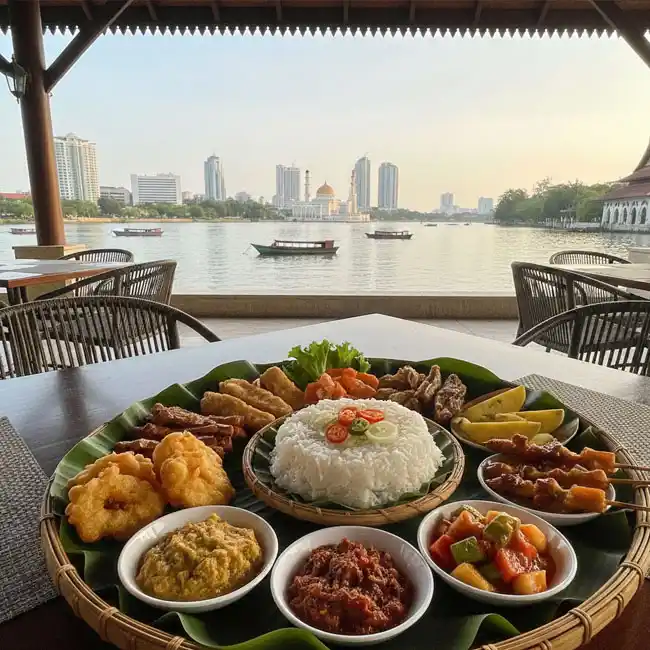
Welcome to the ultimate foodie journey into the "Abode of Peace"! If you’ve ever wondered what makes the food in Brunei so incredibly soul-warming, you’re in the right place. We aren't just talking about food; we’re talking about a lifestyle where every bite tells a story of heritage, rainforest riches, and a deep love for communal dining.
🌭 The Heart of the Bruneian Table: A Cultural Intro 🕌
Before we dive into the crispy, chewy, and spicy world of Brunei appetizers, let’s set the scene. Imagine a place where the air smells like toasted coconut, lemongrass, and simmering shrimp paste. Brunei’s culinary identity is a gorgeous tapestry woven from Malay, Chinese, and indigenous Bornean influences.
In Brunei, food is the ultimate "social glue." Whether it’s a massive royal celebration or a cozy Friday afternoon gathering with family, the table is always overflowing. The concept of an "appetizer" here is a bit more fluid than in Western dining. Sometimes these snacks serve as a prelude to a feast, and other times, they are the main event during a leisurely afternoon tea (or minum petang).
The flavors are bold but balanced. You’ll find the heat of bird’s eye chilies tamed by the creaminess of coconut milk, and the funkiness of fermented shrimp paste (belacan) brightened by a squeeze of local lime. It’s a sensory playground that reflects the country’s pristine environment and its history as a major trading hub.
🥢 The "Ambuyat" Experience: More Than Just a Starter
You can’t talk about Brunei without mentioning Ambuyat. It is the undisputed national dish, and while it often anchors a full meal, its role as a communal "tasting" experience makes it the king of all Bruneian starters.
🥣 What exactly is it?
Derived from the interior trunk of the sago palm, Ambuyat is a starchy, translucent glue-like substance. On its own, it’s quite bland, but that’s the beauty of it! It acts as a blank canvas for a variety of intensely flavored side dishes and dips.
🥢 The Art of the Chandas
Eating Ambuyat is an interactive sport. You use a double-pronged bamboo stick called a chandas. You swirl the starchy goodness around the tips (like spinning pasta) and then dip it into a fiery, tangy sauce—usually Cacah Binjai (made from a sour local fruit) or Cacah Belacan.
It’s meant to be swallowed, not chewed, providing a unique texture that is silky, cooling, and incredibly satisfying. Sharing a bowl of Ambuyat is a sign of friendship and unity. If you’re invited to share Ambuyat, you’re basically family!
🍢 Street Side Stars: The Must-Try Small Bites
Brunei’s night markets, especially the famous Gadong Night Market, are the frontline of the appetizer world. Here, the "small bites" culture truly shines. These are the snacks you grab in a paper bag and munch on while wandering through the smoky, delicious aisles.
🍗 Satay: The Universal Crowd Pleaser
While Satay is found across Southeast Asia, Brunei’s version has a distinct local flair. Small skewers of marinated beef or chicken are grilled over hot coals until charred and juicy. The magic is in the peanut sauce—thick, sweet, and just spicy enough to make you want ten more skewers. It’s the perfect "opening act" for any Bruneian meal.
🥟 Pulut Panggang: The Smoky Surprise
If you love textures, Pulut Panggang is your best friend. It consists of glutinous rice stuffed with a savory filling—usually spicy dried shrimp or spiced beef—wrapped tightly in banana leaves and grilled. The grill caramelizes the banana leaf, infusing the rice with a smoky aroma that is absolutely addictive. It’s portable, filling, and the perfect balance of sweet and salty.
🌮 Cucur: The Crispy Fritter Family
In Brunei, "Cucur" is a broad term for fritters, and they are everywhere!
• Cucur Udang: These are crispy prawn fritters, often featuring whole small prawns embedded in a seasoned flour batter with chives and sprouts.
• Cucur Pisang: For those who want a sweet start, these banana fritters are a staple.
• Cucur Sayur: Vegetable fritters that make for a great light snack.
Most savory cucur are served with a signature sweet-and-spicy chili dip that elevates the humble fried dough to gourmet status.
🥟 Traditional "Kuih-Muih": The Colors of Brunei
The term Kuih refers to a broad category of bite-sized snacks or desserts. In Brunei, these colorful treats are the stars of any tea break or morning spread. They are often steamed, made with rice flour or glutinous rice, and heavily feature coconut and pandan.
🟢 Kuih Malaya
Think of this as a Bruneian pancake. It’s a thick, fluffy griddle cake folded over a filling of crushed peanuts, sugar, and sometimes sweet corn. It’s warm, comforting, and usually the first thing to disappear at a party.
🥥 Kuih Kosui
These are dark, jelly-like cakes made with palm sugar and served with a generous coating of freshly grated salted coconut. The contrast between the deep, caramel-like sweetness of the cake and the savory coconut is a masterclass in flavor balancing.
🍮 Kuih Talam
A two-layered delight! The bottom layer is usually a green pandan-flavored rice cake, while the top is a white, salty coconut cream layer. It’s soft, wobbly, and incredibly refreshing as a palate cleanser before a heavy meal.
🦐 Coastal Delights: Seafood-Based Starters
Being a coastal nation on the island of Borneo, Brunei has access to incredible seafood. This reflects heavily in their appetizers, where the "taste of the sea" is preserved through drying, fermenting, or fresh grilling.
🥨 Keropok Udang (Prawn Crackers)
Forget the store-bought versions you’ve had before. Bruneian Keropok Udang is made with a high ratio of fresh prawns to starch. They are sun-dried and then deep-fried until they puff up into light, airy clouds of umami. They are the ultimate "table snack" to keep your hands busy while waiting for the main course.
🐟 Otak-Otak
This is a grilled fish cake made of ground fish meat mixed with tapioca starch and a blend of aromatic spices like galangal, turmeric, and lemongrass. Wrapped in nipa leaves, the parcels are grilled until the fish mousse sets into a soft, fragrant cake. It’s zesty, smoky, and slightly spicy.
🏡 The Bruneian "Eating & Living" Philosophy
To truly understand Brunei appetizers, you have to understand the Bruneian pace of life. It’s a culture that values patience and quality. There is no "rush" to finish a meal.
🤲 Eating with Hands
In many traditional settings, especially when enjoying Ambuyat or dry snacks like Pulut Panggang, Bruneians prefer to eat with their right hand (the sunnah way). There is a belief that eating with hands creates a more intimate connection with the food and the people you are sharing it with.
🕌 Halal Excellence
As an Islamic sultanate, Brunei takes Halal food very seriously. This means all appetizers are prepared according to strict dietary laws, ensuring cleanliness and high-quality ingredients. For travelers, this offers a sense of security and purity in every bite.
🌴 Living Off the Land
A lot of Bruneian appetizers utilize wild-foraged ingredients. From the sago palm for Ambuyat to wild jungle ferns (Paku) used in salads, the food is deeply connected to the lush rainforests of Borneo. This "farm-to-table" (or jungle-to-table) approach ensures that flavors are vibrant and seasonal.
🌶️ The "Dip" Culture: Essential Accompaniments
In Brunei, an appetizer is rarely served alone. The "Dip" or Cacah is what defines the dish.
1.Sambal Belacan: The backbone of Bruneian heat. Fresh chilies pounded with fermented shrimp paste and lime.
2.Cacah Binjai: A seasonal specialty using the Binjai fruit (a relative of the mango) which provides a sharp, pungent sourness that cuts through fried foods perfectly.
3.Peanut Sauce: Usually sweeter and smoother than its neighbors, used primarily for Satay and certain types of Cucur.
🌟 Why Brunei Appetizers Stand Out
In a world of globalized fast food, Brunei’s snacks remain fiercely local. They haven't been "diluted" for mass tourism. When you eat a snack in a Brunei tamu (market), you are tasting the same flavors that have been enjoyed for generations.
The use of Pandan for aroma, Gula Melaka (Palm Sugar) for sweetness, and Santat (Coconut Milk) for richness creates a flavor profile that is uniquely Bornean. It’s a cuisine that doesn't try too hard to be fancy because its ingredients are already so naturally flavorful.
❓ FAQ: Everything You Need to Know About Brunei Bites
Q1. Is Bruneian food very spicy?
It definitely has a kick! However, Bruneian spice tends to be "bright" and "zesty" rather than just pure heat. Most appetizers serve the spicy elements on the side (like sambal), so you can control the fire levels yourself.
Q2. What is the most famous snack to bring home from Brunei?
If you’re looking for a souvenir, Keropok Udang (prawn crackers) or Maruku are popular. You can find them in beautiful packaging at local markets, and they stay crunchy for a long time.
Q3. Are there vegetarian options in Brunei appetizers?
Yes! While Brunei loves its seafood and meat, many Kuih-Muih (sweet cakes) are naturally vegetarian (and often vegan, as they use coconut milk instead of dairy). Vegetable fritters (Cucur Sayur) are also a staple.
Q4. Where is the best place to try these appetizers?
For the most authentic experience, head to the Gadong Night Market in Bandar Seri Begawan. It’s an affordable, vibrant, and delicious way to sample dozens of different appetizers in one night. The Kianggeh Market is also great for morning snacks!
🥪 Healthy & Savory: Top Low-Carb Bruneian Starters for Your Next Family Gathering
👉 Cook 3 Low-Carb Brunei Appetizers
| 🌐 🥪 < Back | Next > 🍝 🇧🇳 |