
🏠 Home > 🗺️ Recipes > 🍝 Main Dishes > 🇨🇲 Cameroon Main Dishes
🇨🇲 🍝 Cameroon Main Dishes Recipes
Published by Supakorn | Updated: March 2026
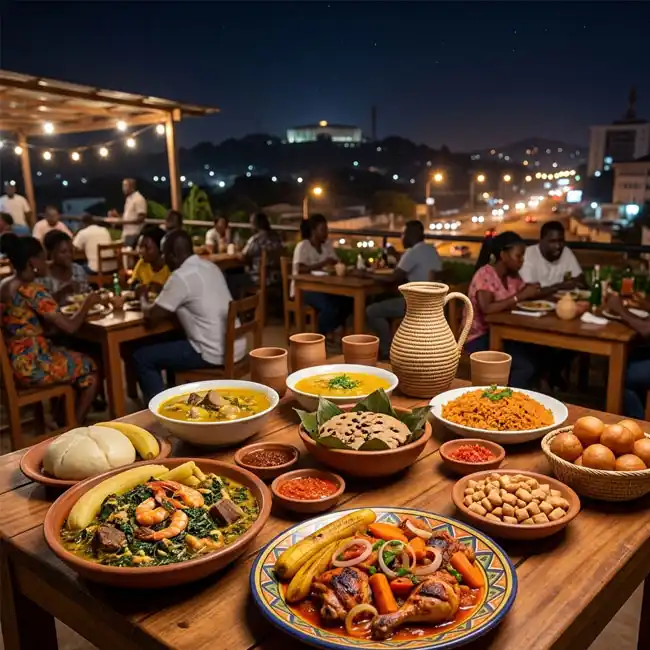
Cameroon is often called “Africa in miniature,” and honestly, that nickname makes perfect sense when you look at its food. The country blends flavors from Central, West, and even North Africa, creating a rich and diverse culinary scene that feels both deeply traditional and excitingly varied.
From leafy vegetable stews to hearty root-based staples, Cameroonian main dishes are all about bold flavors, slow cooking, and sharing meals with family. Food here isn’t just about eating—it’s about connection, culture, and daily life.
Let’s dive into the world of Cameroon main dishes, where every bite tells a story 🍲
🌍🏜️ The Food Culture of Cameroon 🇨🇲 🍝🍛
Cameroonian cuisine reflects the country’s geography and cultural diversity. With over 250 ethnic groups, each region has its own cooking style, ingredients, and signature dishes.
In the south, you’ll find more forest-based ingredients like leafy greens, peanuts, and cassava. In the north, dishes lean toward grains, spices, and simpler cooking techniques. Coastal regions bring in fresh fish and rich sauces.
Meals are usually:
• Cooked fresh daily
• Shared among family or friends
• Eaten with hands (especially with fufu or similar staples)
Food is often served in large portions, placed in the center, and enjoyed together—no strict rules, just a relaxed, communal vibe.
🍽️ Staple Foods That Define Cameroon Cuisine
Before talking about specific dishes, it’s important to understand the staples that form the base of most Cameroonian meals.
🌾 Fufu – The Heart of the Table
Fufu is the ultimate staple. It’s a soft, dough-like side made from:
• Cassava
• Plantains
• Yam or maize
It’s not eaten alone—you pinch a small piece, roll it with your fingers, and dip it into soups or sauces.
Fufu is filling, comforting, and honestly, essential to understanding Cameroonian food culture.
🌿 Cassava and Plantains Everywhere
Cassava and plantains show up in almost every meal. They can be:
• Boiled
• Fried
• Pounded
• Fermented
These ingredients are affordable, versatile, and perfect for soaking up flavorful sauces.
🌰 Peanuts and Palm Oil
Two key flavor builders:
• Ground peanuts (used in sauces and soups)
• Red palm oil (adds color and richness)
They give many dishes their signature deep, earthy taste.
🍲 Famous Cameroon Main Dishes You Should Know
Now let’s get into the real stars—the main dishes that define Cameroonian cuisine.
🥬 Ndolé – The National Favorite
Ndolé is probably the most famous dish from Cameroon. It’s a rich stew made with:
• Bitterleaf (a slightly bitter green vegetable)
• Ground peanuts
• Meat, shrimp, or fish
The bitterness of the leaves balances beautifully with the creamy peanut sauce. It’s usually served with:
• Plantains
• Rice
• Or fufu
This dish is often prepared for special occasions, but many families enjoy it regularly.
🍖 Egusi Soup – Nutty and Comforting
Egusi soup is made from ground melon seeds, creating a thick, nutty base. It often includes:
• Leafy greens
• Meat or fish
• Spices and palm oil
The texture is rich and slightly grainy, which makes it perfect for scooping with fufu.
It’s a comfort food that feels both hearty and satisfying.
🐟 Eru – A Leafy Delicacy
Eru is a traditional dish from the southwest region. It’s made using:
• Wild forest leaves
• Waterleaf
• Palm oil
• Meat or dried fish
It’s thick, slightly chewy, and packed with flavor. Usually served with:
• Garri (cassava granules turned into dough)
• Or water fufu
Eru is deeply tied to local traditions and is often served during gatherings.
🍗 Poulet DG – A Modern Classic
Poulet DG (short for “Director General”) is a more modern Cameroonian dish. It’s made with:
• Chicken
• Fried plantains
• Vegetables like carrots and green beans
The name comes from the idea that it’s a “luxury” dish—something special you’d serve to important guests.
It’s colorful, flavorful, and a great example of how Cameroonian cuisine continues to evolve.
🍛 Koki Beans – Steamed Goodness
Koki beans are made from black-eyed peas blended into a paste and cooked with:
• Palm oil
• Spices
• Sometimes fish or shrimp
The mixture is wrapped (often in leaves) and steamed until firm.
It’s soft, slightly dense, and incredibly flavorful—often served with plantains.
🥘 Achu Soup – Yellow and Unique
Achu is a traditional dish known for its bright yellow sauce. It includes:
• Pounded cocoyam (achu)
• A special yellow soup made with spices, oil, and alkaline water
The texture is smooth and stretchy, and the flavor is unlike anything else—slightly tangy, rich, and deeply traditional.
🏡 Everyday Eating Habits in Cameroon
Cameroonian meals aren’t rushed. Cooking takes time, and people take pride in preparing food properly.
🍽️ Meal Structure
A typical day might include:
• A simple breakfast (often leftovers or light food)
• A large lunch or dinner with a main dish and staple
Dinner is usually the most important meal, where families gather and share food.
🤲 Eating Together
Sharing food is a big deal. It’s common to:
• Eat from one large plate
• Use your right hand
• Talk and laugh while eating
Food is social—it brings people together.
🔥 Cooking Methods
Traditional cooking often involves:
• Slow simmering
• Steaming in leaves
• Open-fire cooking in rural areas
These methods bring out deep, layered flavors that you don’t get from quick cooking.
🌶️ Flavors and Ingredients That Stand Out
Cameroonian cuisine is bold but balanced.
🧂 Spice Level
Food can be spicy, but not always overwhelming. Chili peppers are used to:
• Add heat
• Enhance flavor
You can often adjust the spice level to your preference.
🌿 Fresh and Natural Ingredients
Most meals rely on:
• Fresh vegetables
• Natural oils
• Minimal processing
This keeps the flavors authentic and rich.
🍃 Leaf-Based Cooking
Leaves play a big role in:
• Wrapping food
• Adding flavor
• Creating unique textures
It’s a traditional technique that’s still widely used today.
🎉 Food and Celebrations
Food becomes even more important during celebrations.
🎊 Special Occasions
At weddings, festivals, or family gatherings, you’ll often find:
• Ndolé
• Poulet DG
• Eru
• Large portions of fufu
Cooking for events is a group effort—everyone helps, and the result is a feast.
👨👩👧👦 Community Cooking
Preparing food together is part of the experience.
People gather to:
• Chop ingredients
• Stir large pots
• Share stories
It turns cooking into a social activity, not just a task.
🌍 Why Cameroon Main Dishes Are So Unique
What makes Cameroonian food stand out is the combination of:
• Cultural diversity
• Regional ingredients
• Traditional cooking methods
Each dish tells a story of heritage, environment, and daily life.
It’s not just about taste—it’s about identity.
🍴 Final Thoughts on Cameroon Cuisine
If you’re exploring African food, Cameroon is an amazing place to start. The variety, depth of flavor, and strong cultural roots make its cuisine unforgettable.
From the rich bitterness of Ndolé to the nutty warmth of Egusi soup, every dish offers something different. And once you understand how these meals are shared and enjoyed, you realize that Cameroonian food is as much about people as it is about flavor ❤️
🙋♂️ FAQ
❓ Q1.What is the most popular dish in Cameroon?
Ndolé is widely considered the most popular and iconic dish, known for its unique combination of bitterleaf and peanut sauce.
❓ Q2.Do Cameroonian meals always include fufu?
Not always, but fufu is very common and often served with soups and stews as a staple side.
❓ Q3.Is Cameroonian food spicy?
Some dishes can be spicy, but the heat level is usually adjustable. Many meals focus more on rich, savory flavors than extreme spice.
🍝 Discover the Taste of Cameroon Through These Must-Try Dishes
👉 Cook 3 Local Cameroonian Main Dishes
| 🌐 🍝 < Back | 🇨🇲 🥪 < Previous | Next > 🍨 🇨🇲 |