🏠 Home > 🗺️ Recipes > 🍲 Soups > 🇨🇲 Cameroon Soups
🇨🇲 🍲 Cameroon Soups Recipes
Published by Supakorn | Updated: March 2026
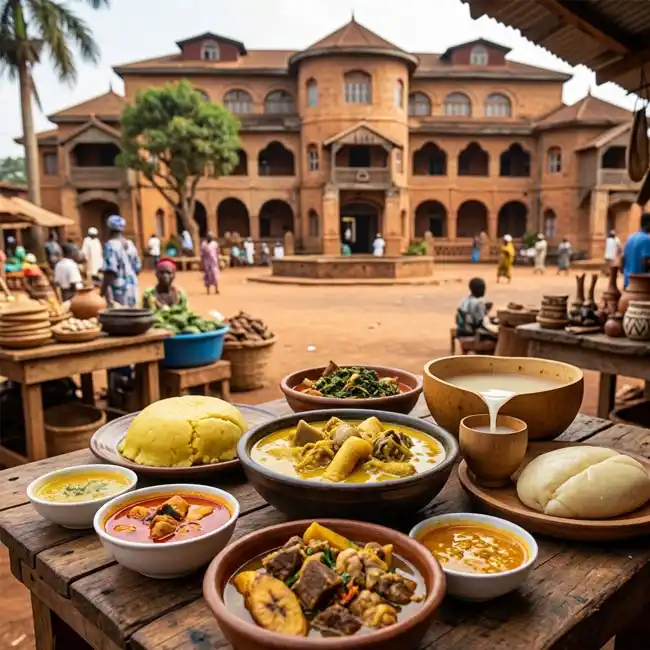
If you’re looking for the true "heartbeat" of Central African cuisine, look no further than a steaming pot of Cameroon soup. Now, before we get started, let’s clear one thing up: in Cameroon, the word "soup" doesn't always mean a thin, watery liquid you sip from a spoon. Oh no, my friend! In this part of the world, a soup is often a thick, rich, nutrient-dense masterpiece that’s designed to be "swallowed" with a side of starch.
Cameroon is famously known as "Africa in Miniature" because it contains every major landscape found on the continent—from rainforests and mountains to savannas and beaches. This diversity is reflected perfectly in their soups. Whether it’s the bitter greens of the coast or the spicy, yellow broths of the Northwest, every bowl tells a story of the land.
🇨🇲 ✈️🗺️The Cultural Soul of the Cameroonian Soup Pot🍲🥣
In Cameroon, soup isn't just a meal; it’s a social glue. The act of "cooking the pot" is a communal event. You’ll often find grandmothers, aunties, and neighbors gathered around a tripod hearth, chatting away as the aroma of smoked fish and fermented locust beans wafts through the air.
• The "Swallow" Connection: You can’t talk about Cameroon soups without mentioning "fufu," "garri," or "pounded yam." These are the starchy sides (the "swallows") used to scoop up the soup. You use your hands, mold a small ball of dough, make a thumbprint indentation, and use it as a mini-edible spoon to fetch the soup. It’s an interactive, tactile way of eating that brings you closer to the food.
• Hospitality on a Plate: If you visit a Cameroonian home, especially in the villages, being served a bowl of soup is the highest form of welcome. It means they’ve used their best spices, their freshest greens, and their most prized smoked meats just for you.
• The "Medicine" in the Bowl: Many Cameroonian soups are prized for their medicinal qualities. Feeling under the weather? Someone will whip you up a bowl of "Pepper Soup" to clear your sinuses. Need a boost of iron? It’s time for some bitterleaf-based Ndolé.
🥘 Iconic Cameroon Soups You Have to Try
Let's break down the "Big Players." These are the legendary soups that define the regions of Cameroon.
🍃 1. Ndolé (The Unofficial National Dish)
Ask any Cameroonian what their favorite soup is, and nine times out of ten, they’ll say Ndolé. It’s more of a thick stew made from bitterleaf (which is washed many times to remove the bitterness), groundnuts (peanuts), and a mix of meat or seafood. It’s creamy, nutty, and savory beyond belief. Usually topped with fried onions and prawns, it’s the star of every wedding and celebration.
🌿 2. Eru (The Forest Specialty)
Hailing from the Manyu region in the Southwest, Eru is made from two types of wild forest greens: Eru (a tough, shredded leaf) and Waterleaf (a succulent, spinach-like leaf). It’s cooked with a generous amount of palm oil, smoked skin (kanda), and dried fish. It’s earthy, slightly chewy, and has a deep, "forest-floor" richness that is incredibly addictive.
🟡 3. Achu Soup (The Yellow Soup)
This is the pride of the Northwest Region. Achu Soup is famous for its vibrant yellow color, which comes from a blend of palm oil and "limestone" (a traditional alkaline salt). It has a unique, velvety texture and a complex spicy-tart flavor profile. It’s traditionally served with pounded coco-yams arranged in a ring, with the soup sitting in the center like a golden lake.
🥜 4. Egusi Soup (Melon Seed Soup)
Egusi is made from the dried and ground seeds of a specific type of melon. These seeds are rich in fat and protein, and when cooked, they create "clumps" that feel almost like scrambled eggs. It’s typically cooked with bitterleaf or spinach and a variety of smoked meats. It’s a staple in the Littoral and Center regions.
🌶️ 5. Pepper Soup (The Ultimate Comfort)
Unlike the thick stews above, Pepper Soup is a light, spicy broth. It’s infused with a "secret" blend of indigenous spices like njangsa, pebe, and country onion. It’s usually made with goat meat or fresh fish. It’s the "hangover cure" and the "cold remedy" of Cameroon. One sip, and you’ll feel the heat dancing all the way down to your toes!
🥣 6. Okra Soup (Draw Soup)
In Cameroon, Okra Soup is loved for its "draw" (the slippery, mucilaginous texture of the okra). This texture is highly prized because it makes the fufu slide down your throat effortlessly. It’s often packed with "obstacles"—the local term for large chunks of meat, tripe, and crab legs that you have to navigate through while eating.
🌽 Regional Flavors: A Culinary Map
Because Cameroon is so geographically diverse, the ingredients in the soup pot change as you travel.
🌊 The Atlantic Coast (Douala, Kribi, Limbe)
The soups here are all about the ocean. You’ll find Fresh Fish Pepper Soup made with catch-of-the-day snappers. There’s also a heavy use of Njangsa seeds, which give the soups a thick, nutty, and slightly fruity undertone. The coastal people are masters of the "umami" flavor, using dried shrimp and crayfish to season everything.
⛰️ The Western Highlands (Bafoussam, Bamenda)
This is the land of volcanic soil and cool temperatures. The soups here are "heavy" and designed to keep you warm and energized for farm work. Achu Soup and Black Soup (made with burnt spices) are king here. They use a lot of tubers like yams and cocoyams as the base for their meals.
🌳 The Tropical Rainforest (East and South)
In the dense forests, it’s all about wild-harvested greens and bushmeats. You’ll find soups made with Moabi seeds or wild mango seeds (Ogbono). These soups are often very dark in color and have a deep, fermented aroma that is a true "acquired taste" for outsiders but pure bliss for locals.
🏜️ The Northern Savanna (Maroua, Garoua)
The North has a more arid climate, and the cuisine reflects its Islamic and nomadic influences. Soups here are often made with dried baobab leaves (Lalo) or okra. They are often simpler, focusing on the quality of the beef or lamb, and are usually eaten with "Maize Fufu."
🥬 The "Secret Weapons" of Cameroonian Soups
What makes these soups taste so... Cameroonian? It’s all about the traditional seasonings that you won't find in a standard supermarket.
1.Crayfish: These aren't the little lobsters you see in the US. In Cameroon, crayfish are tiny, sun-dried shrimp that are ground into a powder. They act as the "MSG of Africa," providing a massive savory punch.
2.Country Onion: A spice that looks like a small nut but smells exactly like a mix of garlic and onion. It gives the soups a "soulful" aroma.
3.Palm Oil: Forget the refined stuff. This is thick, bright red, unrefined oil. It provides a rich fatty base and a distinct vitamin-A-heavy flavor.
4.Bitterleaf: This leaf is boiled and squeezed multiple times to temper its bitterness. It’s a digestive aid and provides a unique "dark green" flavor to Ndolé.
🍽️ The Etiquette: How to Eat Your Soup Like a Pro
If you find yourself sitting in front of a bowl of Eru or Achu, here’s how you handle it without looking like a total tourist:
• The Right Hand Only: Traditionally, you only eat with your right hand. Your left hand is considered "unclean" (historically for personal hygiene), so keep it off the plate!
• The "Wash and Dry": Before the meal, a basin of water and soap will be brought around. Wash your hands thoroughly—this is your cutlery for the next hour.
• The Thumbprint Technique: Take a bit of your fufu (swallow), roll it into a ball about the size of a golf ball, and use your thumb to make a "well." Dip it deep into the soup, catch some meat or fish, and pop the whole thing in your mouth.
• Don't Chew the Swallow: Most people in Cameroon don't chew the fufu; they swallow it whole with the soup. The texture is meant to be smooth.
🌟 Why Cameroon Soups are Taking Over the World
Foodies across the globe are starting to realize that Cameroonian food is a "Superfood" goldmine.
1.Fermented Goodness: Many ingredients are fermented, which is great for gut health.
2.Leafy Greens: Soups like Eru and Ndolé are packed with more greens than your average kale salad.
3.No Processed Gunk: These recipes rely on whole spices, seeds, and oils.
When you eat a Cameroonian soup, you aren't just eating dinner; you’re consuming a piece of African history that has been perfected over thousands of years.
🤔 FAQ
Q1: Why do some Cameroon soups have a "slimy" or "slippery" texture?
A: That’s intentional! We call it "Draw Soup" (like Okra or Ogbono). The slippery texture is highly valued because it makes the starchy "swallow" side dish easier to eat and digest. It’s a texture that locals love!
Q2: Can I make these soups without meat?
A: While meat and smoked fish are traditional, you can definitely make "luxury" vegetarian versions using mushrooms, tofu, or extra chunks of garden eggs (local eggplant) to mimic the texture of meat.
Q3: Is it okay to eat the soup with a spoon if I’m not comfortable using my hands?
A: In a modern restaurant setting in the city? Sure! But if you’re in a traditional home or a local market, people might give you a playful hard time for it. Using your hands is part of the sensory experience—the food actually tastes better that way!
🍲 The Wellness Pot: Nutrient-Rich Cameroonian Soups for a Vibrant Life
👉 Master 3 Local Cameroonian Soups
| 🌐 🍲 < Back | 🇨🇲 🍷 < Previous | Next > 🥗 🇨🇲 |