
🏠 Home > 🗺️ Recipes > 🍞 Breads > 🇨🇴 Colombia Breads
🇨🇴 🍞 Colombia Breads Recipes
Published by Supakorn | Updated: February 2026
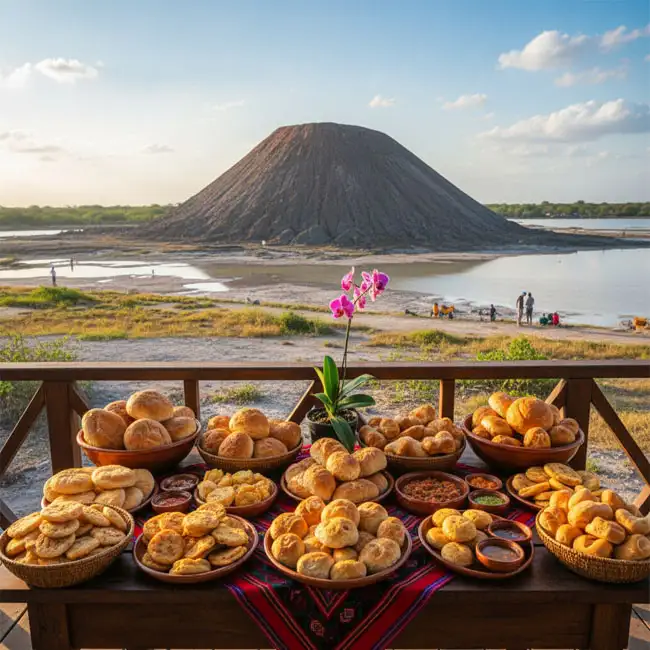
Bread in Colombia is not just something you eat — it’s something you live with. It’s part of morning routines, afternoon breaks, family conversations, and quiet moments at home. Colombian breads are deeply rooted in daily life, often enjoyed without ceremony, yet impossible to separate from cultural identity.
Unlike bread cultures that focus on large loaves or complex fermentation, Colombian breads tend to be small, personal, and comforting. Many are meant to be eaten fresh, shared casually, and enjoyed the same day they’re made. Bakeries play a major role in neighborhoods, acting as social spaces as much as food providers.
In this guide, we’ll explore the culture behind Colombian breads, the most iconic varieties, and how bread fits naturally into everyday Colombian life — without diving into recipes.
🥖 The Role of Bread in Colombian Food Culture
Bread in Colombia is closely tied to routine.
Most Colombians grow up eating bread:
• In the morning
• During afternoon breaks
• At home or from local bakeries
Bread is not usually eaten as a replacement for meals. Instead, it fills the spaces between meals, creating moments of comfort and pause.
Colombian bread culture is shaped by:
• Indigenous ingredients
• Spanish baking traditions
• Regional creativity
The result is a unique bread identity that feels familiar yet distinctly Colombian.
🏡 Bakeries as Part of Daily Life
Local bakeries are everywhere in Colombia. In many neighborhoods, the bakery is just a short walk away, and people visit it daily.
Bakeries are places where:
• Neighbors greet each other
• Fresh bread is bought warm
• Daily routines feel complete
The smell of freshly baked bread drifting through streets is a common and comforting experience.
Unlike large commercial bakeries, many Colombian bakeries feel personal. They’re part of the community, not just businesses.
🧀 Iconic Colombian Breads You Should Know
Colombia’s breads are diverse, but many share one thing — they’re designed to be enjoyed fresh and simply.
🧀 Pandebono – A National Favorite
Pandebono is one of Colombia’s most loved breads.
It’s commonly eaten:
• In the morning
• During afternoon breaks
• Fresh from the bakery
Pandebono represents comfort and familiarity. Many Colombians associate it with childhood, school mornings, or relaxed afternoons at home.
This bread reflects Colombia’s love for warm, soft, and satisfying baked goods.
🟡 Arepa – More Than Just Bread
While often discussed separately, arepa plays an important role in Colombian bread culture.
Arepas are eaten daily in many regions and can appear:
• At breakfast
• Alongside meals
• As a quick snack
They are simple, adaptable, and deeply tied to Colombian identity. For many people, a day without arepa feels incomplete.
Arepa represents the bridge between indigenous food traditions and modern Colombian life.
🧈 Almojábana – Soft and Comforting
Almojábana is another beloved Colombian bread, known for its gentle texture and comforting feel.
It’s commonly enjoyed in quiet moments — early mornings or late afternoons — when people want something light but satisfying.
This bread reflects Colombia’s preference for breads that comfort rather than impress.
🍞 Pan de Yuca – A Regional Classic
Pan de yuca is especially popular in certain regions and highlights the importance of local ingredients.
It’s often eaten warm and fresh, making timing an important part of the experience. Many people plan their bakery visits around when pan de yuca is just coming out of the oven.
This bread shows how Colombian baking respects freshness above all else.
🌄 Regional Bread Traditions Across Colombia
Colombia’s regions influence how bread is made and enjoyed.
• Andean regions: Breads suited for cooler climates and slower mornings
• Valle del Cauca: Known for iconic cheese-based breads
• Caribbean coast: Bread often plays a supporting role to other foods
• Rural areas: Simpler breads tied to daily sustenance
Each region adds its own rhythm to bread culture, but all value freshness and familiarity.
🍽️ When and How Colombians Eat Bread
Colombian bread consumption is tied to moments, not meals.
Bread is commonly eaten:
• Early in the morning
• Mid-afternoon
• During short breaks
It’s often eaten plain or with minimal additions, allowing the bread itself to shine.
Bread is rarely rushed. Even short bread breaks encourage people to slow down and connect.
👨👩👧👦 Bread and Family Traditions
Bread carries strong emotional value in Colombian households.
Many people remember:
• Walking to the bakery with family
• Eating bread together after school
• Sharing fresh bread at home
These experiences build lifelong attachments to certain breads.
Even Colombians living abroad often say bread is one of the foods they miss most.
🕰️ Freshness Over Longevity
Colombian breads are not designed to last for days.
They are meant to be:
• Bought fresh
• Eaten the same day
• Enjoyed warm if possible
This focus on freshness reflects a broader cultural value — food should be enjoyed in the moment.
🏙️ Bread in Urban vs Rural Colombia
In rural areas:
• Bread is simpler
• Bakeries may be limited
• Homemade traditions remain strong
In cities:
• Bakeries are everywhere
• Bread variety increases
• Traditional favorites remain popular
Despite modernization, traditional breads continue to dominate Colombian preferences.
❤️ Why Colombian Breads Feel So Comforting
Colombian breads feel comforting because they are:
• Familiar
• Warm
• Unpretentious
• Connected to routine
They don’t aim to surprise. They aim to satisfy and soothe.
That emotional comfort is what keeps people returning to the same breads again and again.
🌱 Tradition and Modern Influence
While global baking trends reach Colombia, traditional breads remain central.
You may see:
• Small modern twists
• New bakery styles
• Younger generations experimenting
Still, the classics hold strong. Tradition is respected, not replaced.
✨ Final Thoughts on Colombian Breads
Colombian breads tell quiet stories.
They speak of:
• Daily routines
• Neighborhood life
• Family connections
• Cultural continuity
To understand Colombian food culture, pay attention to its bread. Walk into a local bakery, choose something warm, and enjoy it slowly — that’s Colombia, one bite at a time.
❓ FAQ: Colombia Breads
❓ 1.Why is bread so important in Colombia?
Bread fits naturally into daily routines, offering comfort and connection between meals.
❓ 2.Are Colombian breads usually eaten fresh?
Yes, freshness is essential. Most breads are meant to be eaten the same day they’re baked.
❓ 3.Do all regions in Colombia eat the same breads?
No, bread traditions vary by region, but many iconic breads are enjoyed nationwide.
🍞 Light & Healthy Colombian Breads for Weight Loss and Everyday Balance
👉 View 3 Healthy Best Colombia Breads
| 🌐 🍞 < Back | 🇨🇴 🥗 < Previous | Next > 🍱 🇨🇴 |