🏠 Home > 🗺️ Recipes > 🍞 Breads > 🇰🇲 Comoros Breads
🇰🇲 🍞 Comoros Breads Recipes
Published by Supakorn | Updated: March 2026
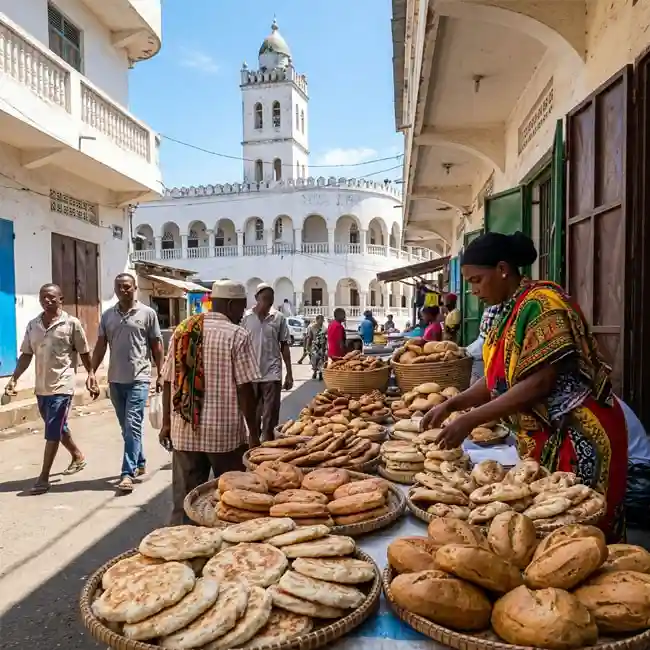
If there is one smell that defines the morning air in the Comoros, it isn’t just the sea salt or the blooming ylang-ylang—it’s the scent of yeast, toasted coconut, and wood-fired ovens. Welcome to the wonderful, doughy world of Comoros Breads.
In the "Perfume Isles," bread is far more than just a side dish. It is the canvas upon which all other flavors are painted. Whether you are dipping a warm piece of flatbread into a spicy octopus curry or spreading local honey over a thick, cake-like slice for breakfast, bread is the steady heartbeat of Comorian culinary life.
The bread culture here is a fascinating map of the islands' history. You’ll find the influence of Arab "Khubz," the flaky textures of Indian "Paratha," and the refined techniques of French boulangeries, all given a tropical makeover with the addition of fresh coconut milk and island spices. Let’s break bread together and explore the unique loaves that make the Comoros a hidden paradise for carb-lovers!
🇰🇲 🌊The "Coconut" Secret of Comorian Dough🕌🍪
What makes Comoros bread taste different from a baguette in Paris or a pita in Dubai? The answer is simple: The Coconut Tree.
In most parts of the world, bread is made with water or cow's milk. In the Comoros, water is often replaced (or supplemented) with freshly squeezed coconut milk. This doesn’t just add a subtle tropical sweetness; the natural fats in the coconut milk act as a tenderizer, creating a crumb that is incredibly soft, rich, and moist.
🌿 Spices in the Flour
It’s also very common to find "warm" spices mixed directly into the dough. Don’t be surprised if your morning toast has hints of:
• Cardamom: Crushed seeds that add a floral, citrusy note.
• Black Cumin or Sesame Seeds: Often sprinkled on top for a nutty crunch and a beautiful visual contrast.
• Aniseed: Giving some festive breads a very slight, sweet licorice undertone.
🥖 Iconic Comoros Breads You Have to Try
While the islands have dozens of local variations, a few specific types of bread stand out as the true "celebrities" of the Comorian table.
🥞 Mkatra Foutra (The Famous Coconut Bread)
This is the undisputed king of Comorian breads. Mkatra Foutra is a thick, yeast-risen flatbread made with a generous amount of coconut milk. It is traditionally cooked in a shallow clay or metal pan over a charcoal fire.
The magic of Mkatra Foutra is in the texture. Because it is cooked with a little oil or coconut cream in the pan, the bottom becomes golden and crispy, while the top remains white, soft, and pillowy. It is often topped with black sesame seeds. You’ll see people eating this with everything—from morning tea to evening grilled fish.
🥐 Mkatra wa Choupa (The "Bottle" Bread)
Don't let the name fool you—there are no bottles in the bread! This is a festive, slightly sweeter bread that is often twisted into beautiful, intricate shapes. It’s enriched with eggs and a bit of sugar, making it lean more toward a "brioche" style. This is the bread you see at weddings and during Eid celebrations. It’s shiny, golden, and smells like a dream when it comes out of the oven.
🍪 Mkatra wa Mayassa (The Thin Crepe-Bread)
If Mkatra Foutra is the heavy hitter, Mkatra wa Mayassa is the delicate cousin. This is a very thin, almost lace-like bread made from a fermented rice flour batter. It is cooked quickly on a hot griddle. It has a slightly sour tang (from the fermentation) that pairs perfectly with the rich, fatty coconut curries the islands are known for. It’s light, airy, and disappears off the plate in seconds!
🥖 The Comorian Baguette (Le Pain)
Thanks to the French influence, especially in Mayotte and the larger towns of Grand Comore, you will find incredibly high-quality crusty baguettes. However, even the "French" bread here often has a local twist. Locals might use it to make "Sandwiches de Rue," filling a fresh baguette with grilled Mshakiki (beef skewers) and a generous amount of hot chili sauce.
🤝 The Social Life of the "Boulangerie"
In the Comoros, bread is a social connector. In the villages, many families still use communal wood-fired ovens. There is a beautiful rhythm to the day: the dough is prepared in the cool of the morning, and as the ovens heat up, women gather to bake, share news, and watch over the fire.
🕌 Bread and the "Grand Mariage"
For a Grand Mariage (the traditional Great Wedding), the amount of bread produced is staggering. Special "Wedding Breads" are baked in massive quantities to feed entire villages. These loaves are often decorated with patterns or glazed to a high shine. Giving bread is seen as a gesture of abundance and a wish for the new couple to never know hunger.
🥯 Eating Habits: How to Enjoy Bread Like a Local
If you want to eat like a true Comorian, follow these unofficial rules:
1.Always Tear, Never Cut: Except for the French-style baguettes, most Comorian breads are "tear-and-share." Using your hands to break off a piece of Mkatra Foutra is part of the sensory experience.
2.The "Scoop" Technique: Use your bread as a spoon. Comorian curries are often thin and flavor-packed; the bread is designed to soak up every drop of that liquid gold.
3.Sweet and Savory: Don't be afraid to pair a savory bread with something sweet. A piece of coconut bread dipped into hot, sweetened spiced tea is a classic island breakfast.
🏺 The Traditional Baking Tools
Even today, many Comorians prefer the taste of bread cooked over charcoal.
• The "Foune": A traditional portable stove or oven where heat can be applied to both the top and bottom of the pan to ensure an even rise.
• Cast Iron Pans: Used to get that signature crispy bottom on the Mkatra.
• Hand-Grating Coconuts: While machines exist, many traditionalists still grate their coconuts by hand and squeeze the milk through a cloth to ensure the perfect fat content for the dough.
📈 Why Comorian Breads are a Hidden Gem for Foodies
As the world looks for artisanal baking techniques, the Comoros offers a masterclass in flavor:
• Alternative Flours: The use of rice flour and cassava starch in some breads makes them a fascinating study for those looking beyond wheat.
• Healthy Fats: By using coconut milk instead of processed margarines or shortenings, these breads carry the nutritional benefits of medium-chain triglycerides.
• Fermentation: The traditional use of natural fermentation in rice-based breads adds probiotics and a complex flavor profile that modern commercial breads lack.
🧐 FAQ: Two Quick Questions
Q1: Is Comoros bread usually vegan?
Many of the daily breads like Mkatra Foutra are naturally vegan because they use coconut milk instead of dairy and oil instead of butter. However, festive breads like Mkatra wa Choupa often contain eggs, so it’s always good to check the specific variety!
Q2: Why is the bread often topped with black seeds?
Those are usually black cumin (Nigella) or black sesame seeds. They aren't just for decoration—they provide a savory, slightly smoky contrast to the sweet coconut flavors in the dough and are believed to have digestive health benefits.
From the crispy edges of a coconut flatbread to the soft, pillowy center of a wedding loaf, Comoros Breads are the ultimate comfort food of the Indian Ocean. They are a testament to the islands' ability to take simple ingredients—flour, yeast, and coconut—and turn them into something that smells like heaven.
🍞 Quick & Flaky: Authentic Comorian Flatbreads You Can Make in One Pan
👉 Discover 3 One-Pan Comorian Breads
| 🌐 🍞 < Back | 🇰🇲 🥗 < Previous | Next > 🍱 🇰🇲 |