
🏠 Home > 🗺️ Recipes > 🍲 Soups > 🇰🇲 Comoros Soups
🇰🇲 🍲 Comoros Soups Recipes
Published by Supakorn | Updated: March 2026
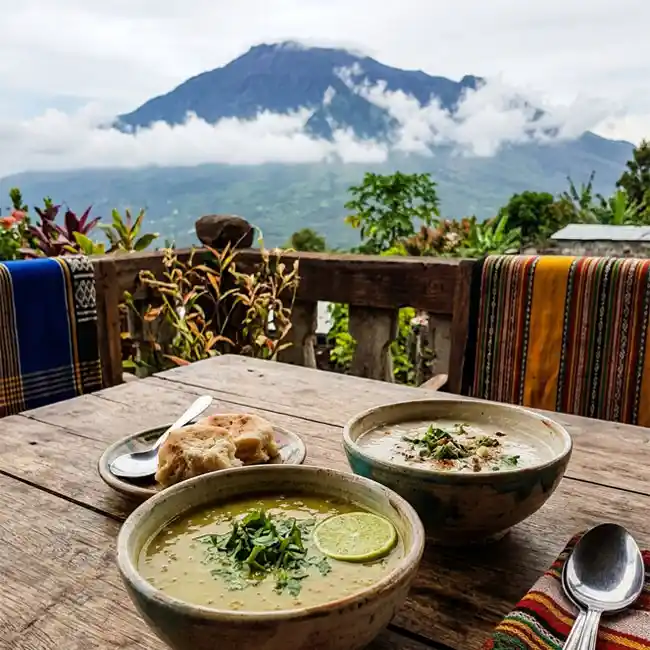
Welcome back to our flavor-filled journey through the "Perfume Isles!" We’ve already snacked on appetizers and indulged in desserts, but today we’re getting into the real "soul food" of the islands. We’re talking about Comoros Soups.
In many parts of the world, soup is just a side dish or a light lunch. But in the Comoros, a bowl of soup is a warm embrace. It’s the smell of home wafting through the narrow stone streets of Itsandra. It’s the steam rising from a communal pot during a monsoon rain. Because the Comoros sits at a geographical crossroads, their soups are a fascinating blend of hearty African stews, aromatic Arab broths, and even a bit of French "pot-au-feu" influence—all simmered together with the tropical bounty of the Indian Ocean.
Whether it’s a light, zesty fish broth enjoyed by the coast or a thick, coconut-heavy stew that eats like a meal, Comorian soups tell a story of resilience, spice trading, and island hospitality. Let’s grab a big wooden spoon and dive in!
🍲 🇰🇲 The Liquid Heart of Comorian Cooking🥣🥘
If you want to understand why Comorian soups taste so "deep," you have to look at the base. While Western soups often rely on chicken or beef stock cubes, the foundation of a great Comorian soup is almost always built from scratch using two things: Fresh Seafood and The Magic of the Coconut.
Living on an archipelago means the sea is the primary pantry. The heads and bones of fresh snapper, grouper, or even lobster are simmered for hours to create a base that tastes like the ocean. To this, the "Secret Sauce" of the islands is added—freshly pressed coconut milk. This adds a silky, creamy texture that balances out the heat of the local chilies and the earthiness of the spices.
🌿 A Symphony of Aromatics
What sets these soups apart from a standard tropical stew is the layering of aromatics. In a typical Comorian pot, you’ll find:
• Fresh Turmeric: Smashed by hand to give the broth a golden glow.
• Ginger and Garlic: The "Holy Trinity" that provides the backbone of flavor.
• Lemongrass and Curry Leaves: Lemony, herbal notes that keep the rich coconut milk from feeling too heavy.
• Black Pepper: Grown locally, it provides a slow, lingering heat.
🥣 Iconic Comoros Soups & Broths You Must Know
While every family has their own "secret" way of seasoning their pot, there are several distinct styles of soup that define the Comorian palate.
🐟 Soupe au Poisson (The Coastal Classic)
This is the quintessential island soup. It isn’t a thick, creamy chowder; it’s usually a clear or slightly golden broth. It features chunks of white fish, often marinated in lime and salt before being poached in the soup. What makes the Comorian version unique is the addition of local greens—sometimes sweet potato leaves or cassava leaves—which wilt into the hot broth and add a wonderful earthy contrast to the delicate fish. It’s light, healthy, and incredibly refreshing.
🥥 Rostee (The Hearty Coconut Stew-Soup)
Technically a cross between a soup and a stew, Rostee is the definition of comfort. It usually features a starchy base like green plantains, breadfruit, or cassava, simmered in a literal sea of thick coconut milk. Pieces of salted fish or beef are often added for a savory kick. The starch from the plantains breaks down slightly, thickening the coconut milk into a rich, velvety gravy that you eat with a spoon. It’s the kind of meal that makes you want to take a nap under a palm tree immediately afterward!
🐃 Beef and Vegetable "Pot-au-Feu" (The French Influence)
Thanks to the islands' history with France, you’ll find a Comorian take on the classic beef soup. However, instead of carrots and potatoes, the Comoros version uses yams, taro, and local pumpkins. The broth is infused with cloves and cinnamon, giving it a warm, spiced aroma that you wouldn't find in a Parisian bistro. It’s a perfect example of "Creole" cooking—taking a European concept and making it taste like the islands.
🍲 Shamba (The Farmer’s Soup)
This is a rustic, vegetable-heavy soup traditionally eaten by farmers and those living in the greener, inland parts of the islands like Mohéli. It uses whatever is fresh from the garden—maize (corn), beans, and local spinach. It’s often thickened with ground peanuts or pounded coconut meat, making it a high-protein, energy-boosting meal that tastes incredibly "green" and vibrant.
🥘 The Social Ritual of "Sharing the Pot"
In the Comoros, soup is rarely served in individual portions in the kitchen and brought to the table. Instead, the "Marmite" (a large, heavy metal pot) is often placed in the center of the eating area.
Eating soup is a slow process here. People use pieces of M'katra (coconut bread) or boiled cassava to dip into the broth, soaking up every last drop of the spiced liquid. It’s a messy, joyful, and communal experience.
🌙 Breaking the Fast with Soup
During Ramadan, soups take center stage. After a long day without water or food, the stomach needs something gentle. A light, warm soup—often a simple lentil broth or a clear vegetable water—is the first thing many Comorians reach for. It’s believed that the warmth of the soup "wakes up" the body, preparing it for the heavier appetizers and main courses to follow.
🏝️ The Street Soup Culture of Moroni and Mutsamudu
If you wander through the markets at night, you’ll see vendors with large cauldrons lit by small lamps or charcoal fires. These "Soup Stands" are the ultimate late-night hangouts.
You’ll see fishermen coming off their boats and office workers heading home, all standing around a small stall, sipping soup from plastic bowls. The most popular street soup is often a spicy beef-bone broth, simmered until the marrow melts into the water, served with a side of "Poutou" (hot chili paste) so you can customize your own heat level. It’s cheap, nutritious, and tastes like the soul of the city.
🏺 Key Ingredients for an Authentic Comorian Pot
If you’re looking to capture that "Perfume Isles" vibe in your own kitchen, these are the non-negotiables:
1.Fresh Lime: Almost every Comorian soup is finished with a squeeze of fresh lime juice right before serving. It cuts through the coconut and brightens the spices.
2.Whole Spices: Don’t use ground powders! Use whole cloves, cinnamon sticks, and cardamom pods. You want the flavor to infuse slowly.
3.Salted Fish: Many soups use a small piece of dried, salted fish as a "seasoning" rather than a main protein. It adds a deep, umami funk that is essential to the flavor profile.
4.Starchy Tubers: Cassava and taro give the soup "body" and make it a filling meal.
📈 Why Soup Lovers are Turning to Comorian Cuisine
In a world full of Ramen and Pho, people are looking for the next "Great Soup Culture." The Comoros offers something totally unique:
• The Ultimate Fusion: It’s where African heartiness meets Arab aromatics.
• Dairy-Free by Nature: Almost all the "creamy" soups use coconut milk, making them perfect for those avoiding dairy.
• Ancient Health Secrets: With high amounts of turmeric, ginger, and garlic, these soups have been used for generations as natural remedies for colds and fatigue.
🧐 FAQ: Two Quick Questions
Q1: Are Comorian soups always served with rice?
Not always! While rice is a staple, many traditional soups are so full of plantains, cassava, and breadfruit that they are considered a "complete meal" on their own. However, a side of M’katra (coconut bread) is almost always present for dipping!
Q2: Is the fish in the soup always cooked through?
Yes! Unlike some Asian soups that might use raw fish slices that "cook" in the broth, Comorian style usually involves simmering the fish or seafood until it’s tender and flaky, allowing the flavors to fully meld with the coconut and spices.
The next time you’re feeling a bit under the weather or just want a taste of the tropics, think of the Comoros. A simple pot of coconut and lime-infused broth can transport you straight to the white sands and vanilla plantations of the Indian Ocean.
🍲 Burn Calories with Delicious, Nutritious Comorian One-Pot Soups
👉 Savor 3 One-Pot Comorian Soups
| 🌐 🍲 < Back | 🇰🇲 🍷 < Previous | Next > 🥗 🇰🇲 |