
🏠 Home > 🗺️ Recipes > 🍨 Desserts > 🇨🇬 Congo Desserts
🇨🇬 🍨 Congo Desserts Recipes
Published by Supakorn | Updated: February 2026
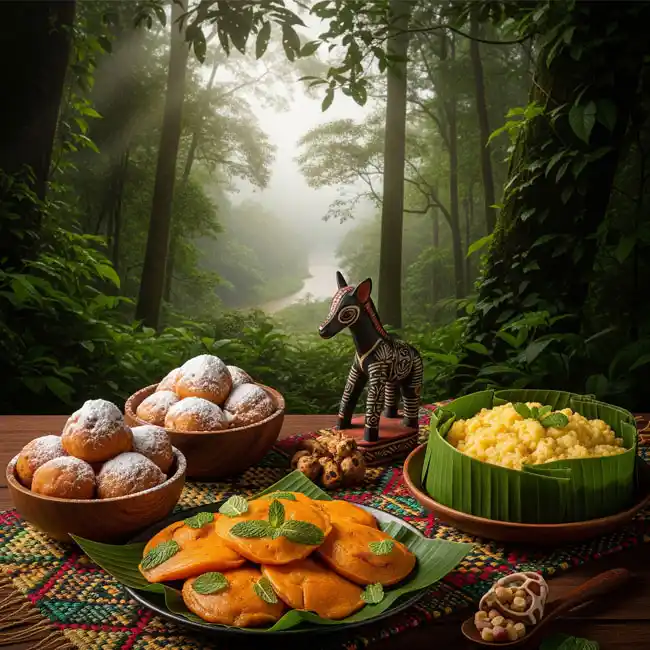
🍰 Sweet Treats Beyond the Dinner Plate
🌍 The Sweet Side of Central Africa: Unpacking the Magic of Congolese Desserts
✨ Beyond the Fufu and Pondu: Why Dessert in Congo is a State of Mind
Hey there, fellow sweet-tooth!
If you’re anything like me, you probably associate the Democratic Republic of Congo (DRC) and the Republic of the Congo with savory, soul-warming cuisine. Think rich, earthy stews like Pondu (cassava leaves stew) or Moambe (chicken in a delectable palm nut sauce), all served with the essential, starchy staple: Fufu. And while those dishes are absolute culinary masterpieces, there’s a whole other chapter of Congolese food that often gets overlooked: the desserts and sweet snacks!
Here’s the thing: In many traditional African cultures, the concept of a "formal" plated dessert served after a meal isn't quite the same as in the West. Instead, you find a vibrant culture of irresistible sweet snacks, light finishers, and street food treats that are enjoyed throughout the day. These are the sweet bites that locals grab on a break, share with friends, or enjoy as a simple, satisfying end to a hearty meal.
This is where the magic of Congolese desserts truly shines. They are an incredible blend of indigenous ingredients like plantains, cassava, and peanuts, often prepared with a touch of ingenuity and sometimes a hint of French colonial influence.
Ready to dive into a world of fluffy fritters, unique sweet breads, and peanut-packed delicacies? Perfect. We’re going to explore the most authentic, accessible, and utterly delicious sweet African snacks that deserve a permanent spot in your recipe collection. Get ready for a deep-dive into how to master these sweets and bring the flavor of the Congo right into your kitchen!
🍯 The Holy Trinity of Congolese Sweetness: Dough, Plantain, and Cassava
The foundation of most great Congolese desserts is often a local starch, transformed through simple, brilliant cooking techniques. Forget complicated baking; these are comfort foods at their finest.
🍩 Mikate – The Reigning Champion of Congo Street Sweets
If there’s one sweet item you must know, it's Mikate (pronounced Mee-kah-teh). While we mentioned them as an appetizer, they are undeniably the most famous sweet snack or dessert in the Congo.
What they are: Small, spherical, deep-fried dough balls, often made from a simple yeasted batter of flour, sugar, and water. They are the ultimate example of easy African fritters.
The Dessert Twist: For dessert, Mikate is elevated. Instead of being dusted with simple sugar, they are often:
• Infused with Flavor: Adding a touch of vanilla or cinnamon to the batter makes them instantly dessert-ready.
• Dipped and Drizzled: Imagine them served warm with a drizzle of thick honey, or a simple, homemade mango-ginger sauce. The slightly crispy exterior gives way to a light, airy, and fluffy interior, making them perfect for soaking up any sweet topping.
• The Banana Version: Some variations incorporate very ripe mashed bananas into the dough, adding natural sweetness and moisture.
If someone is searching for fluffy African doughnut recipes or quick Congo desserts with flour, Mikate is the answer. Their universal appeal as a comfort food makes them a winner.
🍌 The Natural Sweetness of Makemba (Fried Plantains)
Plantains, or Makemba, are a staple, but when they are fully ripened (often with a dark yellow or even black peel), they become an incredible natural dessert.
The Dessert Prep: Slice the ripe plantains and fry them in a bit of oil until they are beautifully caramelized and soft. In many Congolese households, this is the quickest way to satisfy a sweet craving after a long day.
The Taste: The natural sugars brown and caramelize, giving them a sticky, sweet exterior and a creamy, melting interior. They are a perfect simple dessert served just as they are.
How to Elevate Them:
• Serve them hot with a scoop of coconut or vanilla ice cream.
• Dust them with a simple mixture of cinnamon and sugar for an instant churro-like effect.
• Pair them with a small, cooling dish of fresh coconut cream for a classic tropical flavor pairing.
🍰 The Unsung Hero: Cassava Cake
While less common than the fritters, variations of sweet cassava-based cakes or puddings exist, showcasing the versatility of this root vegetable.
What it is: A dense, moist cake made from grated cassava, often blended with coconut milk, condensed milk, and warming spices like nutmeg or vanilla.
The Flavor Profile: It’s a tropical dream—rich, moist, and intensely coconut-y, with the unique, slightly chewy texture that cassava provides. It’s reminiscent of Caribbean cassava pone, showing the shared history and ingredients across the global South. This is a great way to target those searching for moist African cassava cake recipes.
🥜 Rare & Traditional Congo Sweet Snacks: Peanut Power and Banana Leaves
To truly delve into the authentic and unique sweet culture, we need to look beyond the easy street food and into the more specific, traditional regional delicacies.
🥣 Tshomba Tsha Kabiola – The Cassava-Peanut Revelation
This is an amazing, deep-cut dessert that is a must-know for anyone serious about traditional Congolese sweet snacks. It’s a treat that expertly combines two of Central Africa’s most important food groups: cassava and peanuts.
The Ingredients: It's a sweet concoction made from fermented cassava (giving it a unique tang), peanuts, milk, and sugar.
The Texture & Taste: This dish often has a rich, dense, and slightly grainy texture from the ground peanuts and cassava. The flavor is a sophisticated balance of sweet, earthy peanut, and a hint of sourness from the fermentation process, which adds incredible complexity. It’s the ultimate expression of African peanut sweets.
🍃 The Power of the Wrapper: Steamed Sweets
In the Congo, banana leaves are not just for savory dishes like Liboke (fish or meat steamed in banana leaves). They are also used to steam sweet mixtures, creating unique textures and imparting a wonderful, subtle, grassy aroma.
Sweet Liboke / Steamed Pudding: Imagine a small parcel of sweet potato or pumpkin mixed with a little sugar, coconut, and maybe some ginger, wrapped tightly in a banana leaf and steamed until tender. The leaf acts as a natural, non-stick baking vessel, locking in moisture and flavor.
The Appeal: This approach results in a tender, moist, and naturally portion-controlled dessert. This is a great way to explore the eco-friendly "packaging" tradition of African cuisine.
🏙️ The Social Fabric: How Sweets Bring People Together
In the Democratic Republic of Congo, "dessert" is rarely a solitary affair. It’s about the "Malewa" culture—the local eateries where people from all walks of life gather. You might see a businessman in a sharp suit standing next to a student, both waiting for a fresh batch of Mikate to come out of the hot oil.
🚶♂️ The Art of "Gouter" (The Afternoon Snack)
Because of the French influence, the concept of le goûter (afternoon snack) is very much alive in Congolese cities. Around 4 PM, the streets come alive with vendors. It’s the perfect time for a sweet snack to bridge the gap between lunch and dinner. This is when the most vibrant social interactions happen, over a shared paper bag of warm fritters or a slice of peanut bread.
🏠 Hospitality and Sweet Welcome
If you visit a Congolese home, you will almost certainly be offered something sweet. It might be as simple as a perfectly ripe mango from the tree in the backyard, but the gesture is everything. In Congolese culture, sharing sweetness is a way of saying "you are welcome here, and your presence is a joy."
🍍 Fusion and Freshness: The Modern Congo Dessert Table
While tradition is important, modern Congolese dessert culture also embraces freshness and the creative use of available fruits.
🥭 Tropical Fruit Finishers
The Congo is a tropical paradise, meaning the freshest, most vibrant fruits are often the best and simplest dessert.
The Go-To Fruits:
• Mangoes: Sliced fresh or blended into a simple, light sorbet or refreshing juice.
• Pineapples: Served grilled or simply sliced for a palate-cleansing finish.
• Papayas: Often eaten fresh, sometimes with a squeeze of lime to enhance the flavor.
The ultimate simple dessert is often a fruit salad, tossed with a light syrup made from sugar and a hint of vanilla or mint—the freshest way to end a heavy meal.
🍞 Pain Mwambe – Peanut Butter Bread (The Sweet Interpretation)
Pain Mwambe literally translates to "Peanut Bread." While it can be a savory snack, the sweet version is a beloved, hearty treat that's easy to replicate.
The Sweet Concept: This is essentially a dense, soft bread or quick-bread made with a generous amount of ground peanuts or peanut butter mixed right into the dough.
The Flavor: It’s rich, nutty, and slightly dense—a perfect companion to a morning tea or a late-afternoon snack. It’s one of those recipes that fills the whole house with a warm, nutty aroma that is absolutely irresistible.
💡 Tips for Recreating Congo Sweets at Home
If you're feeling inspired to try these at home, here are a few "pro-tips" from the heart of the Congo:
1.Don't Rush the Dough: For Mikate, the yeast needs time to work its magic. A longer proofing time results in a lighter, airier fritter.
2.Ripeness Matters: When a recipe calls for plantains in a dessert, wait until they are almost black. They might look "spoiled" to the uninitiated, but that's when they are at their peak sweetness!
3.Texture is Key: Congolese desserts often celebrate unique textures—the chewiness of cassava, the crunch of peanuts, or the fluffiness of dough. Embrace these differences!
💖 Final Thoughts on Mastering Congo’s Sweet Side
Exploring Congolese desserts is a delightful journey into the heart of Central African ingredients and ingenuity. It’s a reminder that a perfect dessert doesn't always need to be a multi-layered cake—it can be a simple, perfectly fried dough ball, a caramelized plantain, or a rich, earthy pudding made from cassava and peanuts.
The next time you're looking for a dessert that’s new, authentic, and a total crowd-pleaser, open this guide and pick one of these delicious Congo dessert ideas. You’ll be sharing a piece of Central African culture, one incredibly sweet bite at a time. Enjoy the journey, and Bon Appétit!
❓ FAQ (Frequently Asked Questions)
Q1. Is Mikate the same as Puff Puff?
Yes, essentially they are! Mikate is the term most commonly used in the Congo, while Puff Puff is the term widely used in Nigeria and Ghana. They are both delicious deep-fried, yeasted dough balls, and they serve the same purpose: pure, sugary joy.
Q2. Is it safe to eat cassava raw?Absolutely not! Raw cassava contains compounds that can be toxic. It must be properly peeled, soaked, and cooked (boiled, steamed, or baked) before consumption. Always ensure you are using properly processed cassava flour or fresh cassava that has been correctly prepared.
Q3. What is the most authentic way to serve Congolese desserts?
Authentic Congolese sweets are often best enjoyed simply: served warm, as a snack in hand, or alongside a fresh, cold beverage like fruit juice or a simple spiced tea. They are meant to be shared casually among friends or family.
Q4. Can I find these ingredients in a regular grocery store?
Mostly, yes! Plantains, peanuts, and cassava (often labeled as Yuca) are now available in many international aisles. For specific items like fermented cassava, you might need to visit a specialty African or international market.
Q5. Are there any gluten-free Congolese desserts?
Yes! Fried plantains and many cassava-based puddings are naturally gluten-free. Just be sure to check that your cassava flour hasn't been cross-contaminated if you are highly sensitive.
🍨 Beginner-Friendly Congo Desserts: 3 Sweet Recipes to End Your Meal on a Tropical High
| 🌐 🍨 < Back | 🇨🇬 🍝 < Previous | Next > 🍷 🇨🇬 |