
🏠 Home > 🗺️ Recipes > 🍲 Soups > 🇨🇬 Congo Soups > 🍲 Pondu (Cassava Leaf Stew) , Muamba Nsusu (Chicken Peanut Stew) , Liboké ya Mbisi (Fish Steamed in Banana Leaves)
🍲 From Kinshasa to Your Kitchen: 3 Easy Congolese Stew & Soup Recipes You Have to Try
Published by Supakorn | Updated: February 2026
Welcome to the Soul of Central Africa: Why Congolese Soups and Stews Rule
Hey, friends! If you’re anything like me, you’re always on the hunt for a meal that offers deep, comforting flavour without requiring a culinary degree. Well, let me introduce you to the absolute champion of comfort food: Congolese stews and soups.
In the Democratic Republic of Congo (DRC) and the Republic of the Congo (RC), a good stew is more than just food; it’s a daily staple, a cultural handshake, and a family tradition. These dishes are rich, often thick and hearty, and perfectly balanced, pairing beautifully with starchy sides like fufu (cassava dough), rice, or boiled plantains.
While the ingredients might seem exotic, the cooking techniques are incredibly simple—it’s mostly about slow, gentle simmering that allows the flavours to marry perfectly.
The best part? Congolese cuisine is having a serious moment globally. Everyone is discovering the creamy, nutty depths of its peanut stews and the earthy richness of its greens. You’re about to join the trend!
Forget complicated techniques. This guide is your friendly, no-fuss passport to mastering three of the most popular and authentic Congolese stews. We’re going to cover:
1.Pondu (Cassava Leaf Stew): The essential national dish, earthy and nutritious.
2.Muamba Nsusu (Chicken Peanut Stew): A rich, creamy, and globally-loved stew.
3.Liboké ya Mbisi (Fish Steamed in Banana Leaves): A flavour-bomb of fresh fish and aromatics, cooked the traditional way.
Get ready to fill your kitchen with the amazing, complex aroma of Central Africa. Let’s start cooking!
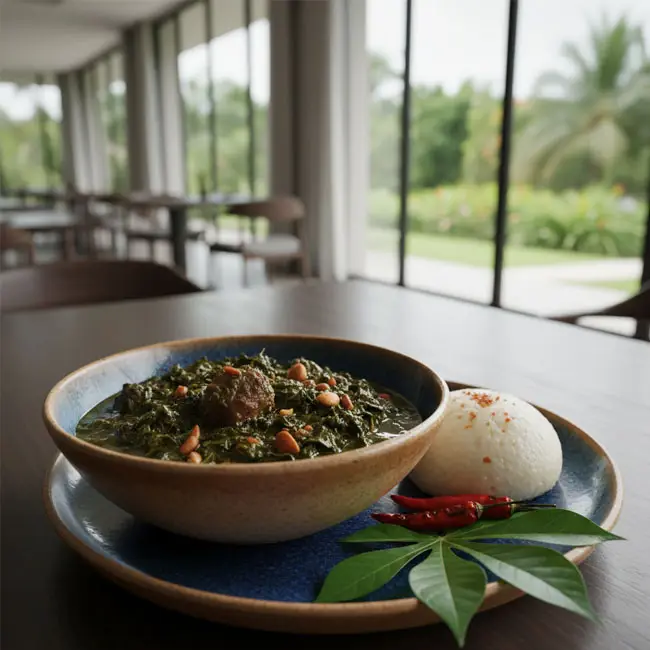
🔹 Recipe 1: Pondu – The Essential Congolese Cassava Leaf Stew
About this Recipe: The National Dish
If there is one dish that defines Congolese cuisine, it’s Pondu (also known as Sombé). This thick, intensely savoury stew is made from pounded or ground cassava leaves cooked down with red palm oil, fish or meat (though often vegetarian), and a burst of aromatics.
Don’t be intimidated by the cassava leaves! They have a milder flavour than you might expect—earthy, slightly bitter, and deeply satisfying, similar to collard greens or mature spinach. The slow, long cook time is crucial; it breaks down the fibrous leaves and tenderises them into a rich, paste-like consistency, while also removing any residual toxicity. The result is a highly nutritious, dark green, and incredibly flavourful stew that is traditionally served with fufu or rice. This recipe uses frozen, pre-processed cassava leaves, which makes it 100% beginner-friendly and fast.
Ingredients & Measurements (Serves 6–8)
- Cassava Leaves: 1kg (approx 2.2 lbs) frozen, pre-ground cassava leaves (also labelled as Pondu or Sombé)
- Aromatics: 2 medium yellow onions, finely chopped
- Fat: 1/2 cup red palm oil (or substitute with vegetable oil)
- Fish/Meat: 1 smoked mackerel or catfish, de-boned and flaked (optional, can be vegetarian)
- Liquid: 500 ml (approx 2 cups) vegetable or chicken stock (or water)
- Seasoning: 2 bouillon cubes (or 2 tsp all-purpose seasoning), 1 tsp salt, 1/2 tsp black pepper
- Spice (Optional): 1 small Scotch bonnet or habanero pepper, left whole (for heat, but do not cut)
Step-by-Step Instructions
1.Prep the Leaves: Thaw the frozen cassava leaves completely. Place them in a large colander and rinse them thoroughly under cold running water, then squeeze out as much excess water as possible. This step helps remove bitterness and improves the texture.
2.Start the Stew: In a large, heavy-bottomed pot, combine the rinsed cassava leaves, chopped onions, and the stock (or water). Bring the mixture to a boil over medium-high heat.
3.Simmer and Cook Down: Once boiling, reduce the heat to low, cover the pot, and let it simmer for 30 minutes. If the mixture seems too dry, add a little more water/stock.
4.Add Palm Oil and Seasoning: After 30 minutes, the leaves should be softer. Stir in the red palm oil, bouillon cubes, salt, and pepper. If using the whole chili pepper, add it now. The palm oil will give the Pondu its signature orange colour and earthy flavour.
5.Continue Simmering: Cover the pot again and continue to simmer on low heat for another 45 minutes to 1 hour. The key here is patience; the longer it simmers, the softer the leaves become and the deeper the flavour develops. Stir every 15 minutes to prevent sticking.
6.Introduce Fish (If Used): After the long simmer, stir in the flaked smoked fish. Cook for another 10 minutes to allow the fish flavour to infuse. If you added a whole chili, remove it now.
7.Adjust and Serve: Taste the stew and adjust the salt and seasoning if needed. The final Pondu should be thick, smooth, and deeply green. Serve piping hot with a generous scoop of white rice or fufu.
Tips & Mistakes to Avoid
- Rinse Those Leaves: Rinsing and squeezing the thawed leaves is crucial! It improves texture and ensures a better flavour profile.
- Patience, Grasshopper: The cooking time is non-negotiable. Don't rush the 1 hour plus simmering time. The flavour payoff is worth the wait.
- Palm Oil Choice: Red palm oil is traditional and gives the stew its colour and unique flavour. If you can’t find it, use vegetable oil, but know the colour and depth of flavour will be slightly different.
-Don't Cut the Pepper: If using a Scotch bonnet for flavour without too much heat, leave it whole. Puncturing it will unleash volcanic heat!
FAQ
Q: Where can I buy frozen cassava leaves (Pondu/Sombé)?
A: Check your local African or Caribbean grocery store. They almost always carry them in the frozen vegetables section.
Q: Can I make Pondu vegetarian?
A: Absolutely! Skip the fish and use vegetable stock. You can add chopped mushrooms or pre-cooked beans for texture and protein.
Q: What is fufu and how do I eat Pondu with it?
A: Fufu is a soft, sticky dough made from cassava flour, plantains, or yam. You eat it by tearing off a small piece, making a thumb indentation, and using it like a spoon to scoop up the Pondu. No forks needed!
Summary
Pondu is a powerful, nutrient-dense green stew that showcases the earthy heart of Congolese cuisine. It’s a simple blend of leaves, aromatics, and palm oil that becomes complex and satisfying through long, slow cooking.
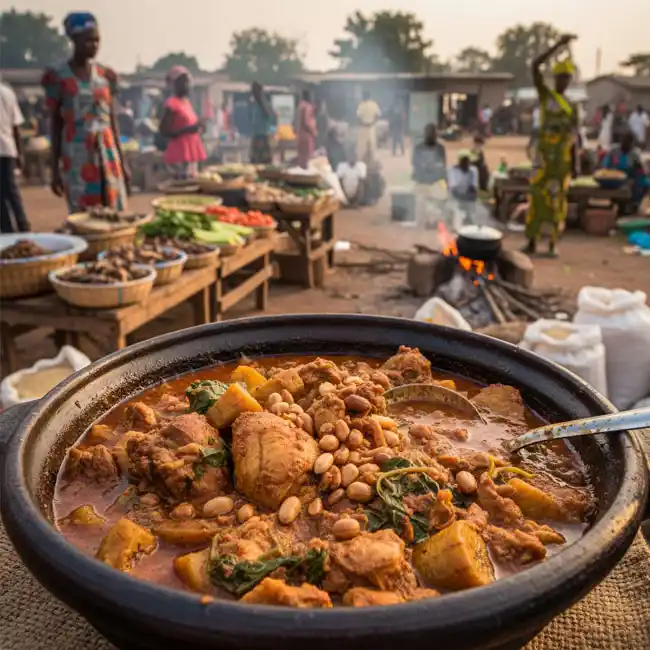
🔹 Recipe 2: Muamba Nsusu – The Rich Chicken Peanut Stew
About this Recipe: Creamy, Nutty, and World-Famous
If you've heard of one Congolese stew, it’s probably Muamba Nsusu, or Chicken in Peanut Sauce. This dish is wildly popular across Central and West Africa, and for good reason—it’s an unbelievably rich, creamy, and flavourful stew where the star is the peanut.
Unlike the Pondu, this stew is all about that creamy texture and deeply savoury-nutty taste. Chicken is simmered in a luscious sauce made from unsweetened peanut butter, tomatoes, and spices until it’s falling off the bone. It's truly an experience in balanced flavour: earthy and savory with a hint of warmth from the spices. If you love a good curry or a comforting chili, this is your African entry point!
Ingredients & Measurements (Serves 4)
- Chicken: 1 kg (approx 2.2 lbs) bone-in, skin-on chicken pieces (thighs and drumsticks are best)
- Oil: 2 tbsp vegetable or peanut oil
- Aromatics: 1 large onion, chopped, 3 cloves garlic, minced, 1 tsp grated fresh ginger
- Vegetables: 1 large ripe tomato, chopped, or half a 400 g can of crushed tomatoes
- Peanut Butter: 1/2 cup smooth, unsweetened natural peanut butter
- Liquid: 2 cups chicken stock
- Seasoning: 1 tbsp tomato paste, 1 tsp smoked paprika, 1/2 tsp turmeric, 1 tsp salt, 1/2 tsp black pepper
- Garnish (Optional): Handful of chopped spinach or collard greens, crushed peanuts, and fresh cilantro
Step-by-Step Instructions
1.Brown the Chicken: Pat the chicken pieces dry and season them lightly with salt and pepper. Heat the oil in a large pot or Dutch oven over medium-high heat. Brown the chicken pieces on all sides until they have a nice golden crust (about 3 minutes per side). Remove the chicken and set it aside, leaving the oil in the pot.
2.Sauté the Aromatics: Reduce the heat to medium. Add the chopped onion to the pot and sauté until soft (about 5 minutes). Stir in the minced garlic and grated ginger and cook for another 1 minute until fragrant.
3.Build the Sauce Base: Stir in the tomato paste, paprika, and turmeric. Cook for 2 minutes, stirring constantly, until the tomato paste darkens slightly. Add the fresh or crushed tomatoes and cook for 5 minutes until they soften.
4.Create the Peanut Sauce: Reduce the heat to low. Add the peanut butter to the pot, then slowly pour in the chicken stock, whisking constantly to smoothly dissolve the peanut butter into the liquid. It should form a thick, creamy sauce. Stir in the salt and pepper.
5.Simmer the Stew: Return the browned chicken pieces to the pot, nestling them into the sauce. Bring the sauce to a gentle simmer, then cover the pot, and cook for 45 minutes to 1 hour. The chicken should be very tender and the sauce should have thickened.
6.Add Greens (Optional): If adding greens, stir them in during the last 10 minutes of cooking and cover until wilted.
7.Serve: Adjust salt if necessary. Serve hot over white rice, with boiled plantains, or alongside fufu. Garnish with crushed peanuts and cilantro for a final pop of flavour and texture.
Tips & Mistakes to Avoid
- Unsweetened Peanut Butter: This is a savoury stew! You must use natural, unsweetened peanut butter, or the stew will taste like dessert.
- Whisk the Peanut Butter: Adding the peanut butter and stock slowly and whisking vigorously ensures a smooth, lump-free sauce. If you just dump it in, you'll have peanut clumps.
- Medium-Low Simmer: Peanut sauce can stick and burn easily. Keep the heat low and stir from the bottom occasionally during the long simmer.
- Bone-in Chicken is Best: The bones and skin add incredible flavour and body to the stew. Don’t skip them!
FAQ
Q: Can I make this with beef or vegetables instead of chicken?
A: Absolutely! This recipe is wonderful with cubed beef, goat, or simply chunky vegetables like sweet potato, pumpkin, and chickpeas for a vegetarian version. Adjust cooking time until the protein/vegetables are tender.
Q: What if my sauce is too thin?
A: Simply remove the chicken, uncover the pot, and let the sauce simmer vigorously for 5–10 minutes to reduce and thicken. You can also mix a teaspoon of cornstarch with a tablespoon of water and stir it into the simmering sauce.
Q: Can I use red palm oil in this recipe?
A: Yes, you can! Many traditional recipes call for red palm oil instead of vegetable oil. It will add an orange hue and a distinct, earthy flavour.
Summary
Muamba Nsusu is the quintessential African peanut stew: creamy, deeply savoury, and utterly comforting. It’s a perfect showcase for how the humble peanut can form the basis of a rich, world-class main course.
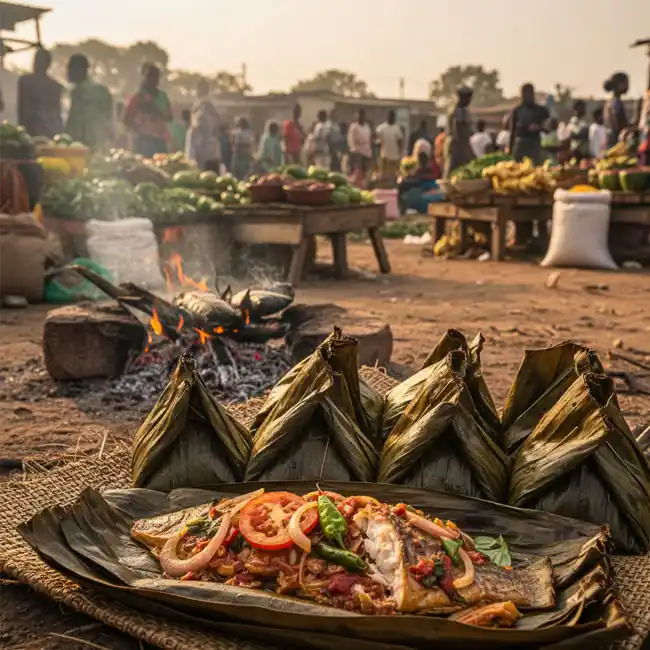
🔹 Recipe 3: Liboké ya Mbisi – Fish Steamed in Banana Leaf Packets
About this Recipe: The Ultimate Flavour Packet
Liboké is less of a soup or stew and more of a steamed flavour packet—but it’s a central part of Congolese cuisine, celebrated for its unique cooking method that seals in every bit of aroma. Liboké is the Lingala word for "packet" or "parcel," and Mbisi means fish.
This dish involves marinating fish (often Tilapia or Catfish) with a vibrant mix of onions, tomatoes, and spices, then wrapping it tightly in banana leaves (or sometimes aluminium foil) and steaming it. The banana leaves act as a natural, airtight vessel, infusing the fish with an intoxicating herbal fragrance and keeping it incredibly moist. It’s healthy, simple, and the final presentation is stunning.
Ingredients & Measurements (Serves 4)
- Fish: 4 medium fish fillets (such as Tilapia, Catfish, or Cod), about 150 g (approx 5 oz) each
- Aromatics: 1 large onion, thinly sliced, 2 large ripe tomatoes, thinly sliced
- Greens: 1 bunch spring onions/scallions, roughly chopped
- Spice: 1 tsp bouillon powder (or all-purpose fish seasoning), 1 tsp salt, 1/2 tsp cayenne pepper (optional)
- Liquid: 2 tbsp lemon or lime juice
- Fat: 1 tbsp vegetable oil
- Wrapping: 4 large sheets of banana leaves (or large squares of heavy-duty aluminium foil)
- Steaming Liquid: 500 ml (approx 2 cups) water for the steamer
Step-by-Step Instructions
1.Prep the Leaves: If using fresh banana leaves, gently pass them over a gas flame or dip them briefly in boiling water. This wilting process softens the leaves and makes them pliable, so they don’t crack when folded. If using foil, skip this step.
2.Marinate the Fish: Rinse the fish fillets and pat them dry. In a bowl, toss the fish with the sliced onion, sliced tomatoes, chopped spring onions, bouillon powder, salt, cayenne, oil, and lemon/lime juice. Gently mix to coat the fish and vegetables without breaking the fish.
3.Assemble the Liboké: Lay a banana leaf or piece of foil on your work surface. Place one piece of fish and a generous portion of the marinated vegetables in the center. Bring the top and bottom edges together, fold them down, and then fold in the sides to create a tight, leak-proof parcel.
4.Steam the Parcels: Use a large pot with a steamer basket, or a double boiler setup. Fill the bottom with water and bring it to a boil. Place the fish parcels in the steamer basket (ensure they are above the waterline).
5.Cook to Perfection: Cover the steamer and cook for 20 to 30 minutes. The cooking time will depend on the thickness of the fish, but 25 minutes is usually perfect. The fish should be opaque and flake easily when opened.
6.Serve: Carefully remove the Liboké packets from the steamer. Serve them still sealed in their banana leaf or foil packets, allowing everyone to unveil their own incredibly aromatic, flavour-infused fish. Serve with boiled green plantains or rice.
Tips & Mistakes to Avoid
- Seal the Parcel: The magic of Liboké is the steaming. Make sure your packets are well-sealed, especially if using banana leaves, to trap the steam and all the incredible aromas inside.
- Use the Right Fish: Firm, white, river fish is best, like Tilapia or Catfish. Avoid very delicate fish that might fall apart easily.
- Wilt the Leaves: If you skip wilting the banana leaves, they will tear when you fold them, and all your precious juices will leak out.
- Don't Overcook: Fish cooks quickly in steam. Check a packet at the 20 minutes mark. Overcooked fish will be dry, which defeats the purpose of this moist method.
FAQ
Q: Can I bake or grill Liboké instead of steaming?
A: Yes! It can be baked in an oven at 180∘C (350∘F) for 30−40 minutes, or placed on a grill over medium heat for about 20 minutes. The result is slightly smokier, but just as delicious.
Q: Is there a substitute for banana leaves?
A: Heavy-duty aluminium foil works perfectly well to create an airtight packet that traps the moisture. However, the banana leaf imparts a subtle, herby flavour that foil won't.
Q: Why do I need to slice the vegetables so thin?
A: Thinly sliced onions and tomatoes cook faster and release their juices easily, creating a flavourful, thin sauce inside the packet that coats the fish.
Summary
Liboké ya Mbisi is an elegant, yet simple cooking method that concentrates the vibrant flavour of fresh fish and aromatics into a perfect, moist parcel. It’s an easy way to experience traditional Congolese cooking at its best.
Final Thoughts: Your Congolese Culinary Adventure Awaits
Wow! You just took a massive step into the incredible world of Central African cuisine. You now have three amazing, diverse, and authentic recipes in your pocket: the earthy simplicity of Pondu, the creamy, comforting richness of Muamba Nsusu, and the vibrant, fragrant elegance of Liboké ya Mbisi.
If you noticed a trend, it’s that Congolese cooking is all about taking simple, fresh, and wholesome ingredients—cassava, peanuts, tomatoes, and fish—and transforming them through time and patient simmering. There are no complicated tricks, just a whole lot of flavour.
Don't feel pressured to tackle them all at once. Maybe start with the family-friendly, creamy comfort of the Muamba Nsusu. When you’re ready for a change, go for the hearty greens of Pondu. And when you want to impress someone with a unique presentation, the Liboké is your go-to.
I’m genuinely excited for you to discover how rewarding and delicious these dishes are. Trust the process, take your time with the simmering, and I guarantee you'll have a new set of favourite recipes.
Now, go grab that unsweetened peanut butter and a big pot. Your Congolese feast is just a simmer away! Come back and tell me which one you tried first! Happy cooking, friend!
| 🇨🇬 🍲 < Back |