🏠 Home > 🗺️ Recipes > 🥘 Sauces > 🇨🇮 Côte d’Ivoire Sauces
🇨🇮 🥘 Côte d’Ivoire Sauces Recipes
Published by Supakorn | Updated: March 2026
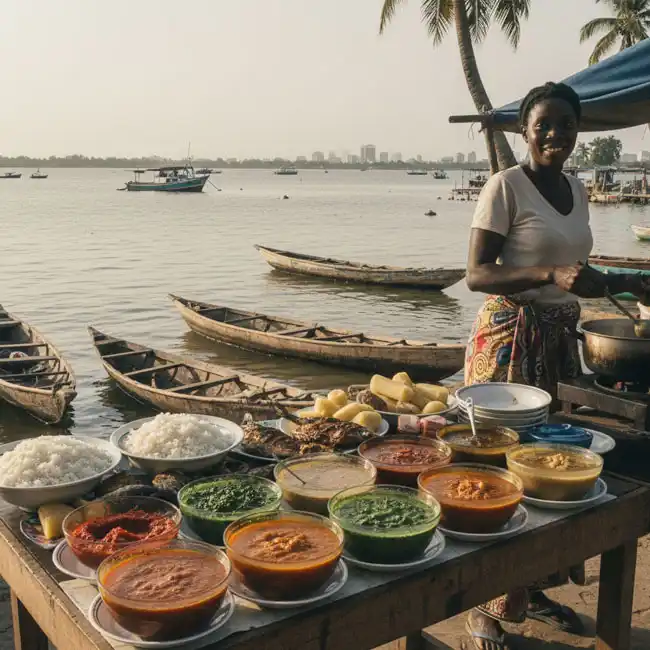
If you’ve ever sat down for a traditional meal in Côte d’Ivoire, you know the truth: the sauce is the star of the show. In this beautiful West African nation, the protein—whether it’s fish, chicken, or smoked meat—is merely a vehicle for the masterpiece that is the sauce.
Walking through the markets of Abidjan or the coastal villages of the south, the air is thick with the scent of simmering palm oil, toasted peanuts, and aromatic ginger. This is a cuisine built on layers, patience, and a deep-seated love for robust, punchy flavors. Today, let’s pull back the curtain on the world of Ivorian sauces, the soul-warming concoctions that define the country's culinary landscape.
🥣🌐📚 The Philosophy of the Ivorian Sauce 🇨🇮 🥘
In Côte d’Ivoire, a "sauce" is rarely a light accompaniment. It is a hearty, complex stew that provides the flavor, the nutrition, and the comfort for the entire meal.
The Ivorian kitchen operates on a philosophy of balance and texture. Most sauces are designed to be served over a staple starch—usually Attiéké (fermented cassava), Foutou (mashed plantain/yam), or plain white rice. The sauce needs to be thick enough to coat the starch, savory enough to satisfy, and spicy enough to keep you reaching for the next bite.
Culturally, these sauces are the heartbeat of the home. They are often cooked in large batches, slowly simmered over open fires or gas stoves to allow the spices to meld. In Ivorian homes, the cook is considered an artist, and the sauce is their canvas.
🍲 The "Heavy Hitters": Iconic Sauces You Must Know
If you want to understand the Ivory Coast, you have to eat your way through these foundational recipes. Each one tells a story of the region’s geography and history.
🌴 Sauce Graine: The Palm Nut Queen
This is arguably the most "Ivorian" sauce of them all. Made from the juice of the oil palm fruit, Sauce Graine is rich, earthy, and possesses a unique, nutty depth that is impossible to replicate with other ingredients. It’s thick, dark, and often cooked with smoked fish or succulent pieces of chicken. It’s the ultimate comfort food—the kind of dish that feels like home even if you’ve never visited the country before.
🥜 Sauce Arachide: The Peanut Powerhouse
Peanuts, or arachides, are a staple of West African agriculture, and in Côte d’Ivoire, they are transformed into a creamy, savory, and nutty sauce that is purely addictive. Sauce Arachide is velvet on a plate. It’s slightly sweet from the peanuts but gets a kick from chopped onions, garlic, and hot chili peppers. It’s typically served with rice or boiled yams.
🌿 Sauce Feuille: The Green Marvel
If you’re looking for something earthy and nutritious, Sauce Feuille is the answer. These sauces are made from leafy greens—often spinach, cassava leaves, or bitter leaves—that are finely chopped and simmered until they reach a dark, intense consistency. They are often enriched with palm oil and a variety of smoked meats or dried shrimp, creating an umami bomb that is both healthy and deeply satisfying.
🌶️ Sauce Tomate: The Bold Classic
Don't be fooled by the name; this isn't your average pasta sauce. The Ivorian Sauce Tomate is a fiery, concentrated, and slow-cooked blend of fresh tomatoes, onions, garlic, and plenty of Scotch Bonnet peppers. It is spicy, vibrant, and tangy, often used to coat braised fish or grilled poultry.
🧺 The Art of the "Maquis" Experience
You cannot talk about Ivorian sauces without mentioning the Maquis. A Maquis is the local open-air restaurant, the center of social life in cities like Abidjan. This is where the sauce culture really shines.
In a Maquis, you’ll see the famous Poisson Braisé (braised fish) served with a side of spicy, chunky vegetable sauce. The way the locals eat these sauces is a masterclass in communal dining. They use their hands, molding a ball of Foutou or Attiéké and using it as a scoop to pull up a massive portion of the sauce. It’s not just about eating; it’s about experiencing the blend of textures and the slow, deliberate pace of a long lunch.
🌶️ The Secret Weapon: The "Piment" Culture
If you ever ask for sauce in Côte d’Ivoire, you will invariably be asked: "Do you want it spicy?" And the answer, if you want to be a true adventurer, is always "Yes."
Ivorian spice isn't just "hot." It is flavorful. The local peppers have a fruity, floral quality that enhances the ingredients rather than masking them. Often, a side bowl of pure, raw Piment paste—made from chilies, onions, and sometimes a hint of fermented seasoning—is provided so you can adjust the heat to your personal preference.
🌽 Ingredients that Define the Flavor Palette
Why do these sauces taste so distinct? It comes down to the pantry staples of the region:
• Palm Oil: Provides the signature orange/red color and the buttery, savory richness.
• Fermented Seasonings: Ingredients like Soumbala (fermented locust bean) add a profound, savory "funk" that is the secret to the depth in many traditional sauces.
• Dried Crustaceans: Dried shrimp or ground crayfish are frequently used as "seasoning salt," adding a layer of saltiness and ocean-fresh umami to everything.
• Fresh Aromatics: Massive amounts of garlic, ginger, and fresh herbs are the base for almost every sauce.
🥢 Why Ivorian Sauces are Universal
What makes Ivorian sauces so incredible is their versatility. They can be incredibly rustic and simple, using just a few local ingredients, or they can be luxurious and elaborate, packed with multiple types of meat and seafood for a celebration.
They also offer a fantastic introduction to the concept of "slow food." Because these sauces require hours of simmering, they encourage a lifestyle where you sit back, relax, and wait for the magic to happen. They are the perfect way to turn a simple ingredient like plain cassava into a royal feast.
💡 Tips for the Culinary Traveler
If you’re attempting to recreate the vibe of an Ivorian sauce at home, keep these three tips in mind:
1.Be Patient: If the recipe says simmer for an hour, simmer for an hour. The breakdown of the onions and the thickening of the sauce are essential.
2.Don’t Fear the Fat: Palm oil is traditional for a reason. It carries the flavor of the spices in a way that lighter oils simply can't.
3.Respect the Starch: The sauce is only as good as the starch it’s paired with. Ensure your rice is fluffy or your plantains are perfectly prepared—they are the blank canvas that makes the sauce pop.
🧐 FAQ (Frequently Asked Questions)
🙋♂️ 1. Are all Ivorian sauces extremely spicy?
Most traditional Ivorian sauces are flavorful and "warm" rather than painfully hot. The chili is used as a spice to build flavor. If a dish is intended to be very spicy, the locals will often provide extra chili sauce on the side so you can customize your experience!
🙋♂️ 2. Which sauce should a beginner try first?
Start with Sauce Arachide (Peanut Sauce). It’s universally loved, creamy, and familiar enough to feel comforting, yet distinct enough to give you a true taste of West African flavor profiles. It’s a great introduction to the richness of Ivorian cooking.
🙋♂️ 3. Are there vegetarian-friendly sauces in Côte d’Ivoire?
Yes, absolutely! While many sauces traditionally use smoked fish or meat for depth, the base of these sauces—tomatoes, onions, palm oil, and various greens—is entirely plant-based. You can easily make a delicious Sauce Feuille or Sauce Tomate using vegetables and extra spices, skipping the meat entirely without losing the heart of the dish.
🥘 Transform Your Meals with 3 Protein-Boosted Sauces from Côte d'Ivoire
👉 Make 3 Nutritious Ivoirian Sauces
| 🌐 🥘 < Back | 🇨🇮 🍱 < Previous |