
🏠 Home > 🗺️ Recipes > 🍨 Desserts > 🇩🇯 Djibouti Desserts Recipes
🇩🇯 🍨 Authentic Djibouti Desserts: Horn of Africa Sweet Heritage
Published by Supakorn | Updated: November 2026
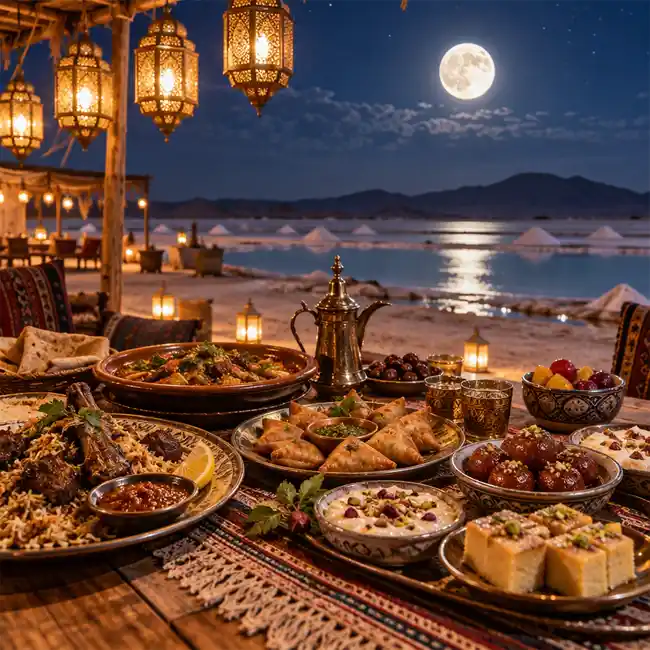
🇩🇯 Introduction: The Cultural Heritage of Djibouti Desserts
Welcome, fellow food lover! If you have ever wondered what sweet secrets are tucked away in the vibrant horn of East Africa, you are in for an absolute treat today. Nestled right at the crossroads of the Red Sea and the Gulf of Aden, Djibouti is a nation with a food culture as rich, warm, and deeply inviting as its sunny landscapes.
When we talk about Djibouti desserts, we are talking about a fascinating culinary crossroads. For centuries, maritime trade routes linked this beautiful coastal country to the Arabian Peninsula, India, France, and neighboring East African nations. As traders crossed the seas, they brought with them aromatic spices, clarified butter, refined sugar, and centuries-old cooking traditions. What emerged from this melting pot is a sweet culture that feels completely unique yet instantly comforting.
In Djibouti, desserts are never just afterthoughts or quick snacks rushed between errands. Sweet bites represent deep hospitality, warmth, and celebration. Whether it is a lazy afternoon gathering with family, a festive Eid celebration, or a warm welcome for an unexpected neighbor, opening up a platter of golden, honey-drenched sweets is the ultimate gesture of friendship. Let us dive into the wonderful world of Djiboutian sweet living!
☕ The Art of Djibouti Dining Culture & Social Eating
To truly understand Djiboutian sweets, you have to picture how people live and eat together every single day. In Djibouti, eating is a collective ritual of love and togetherness. Families gather around low communal tables or sit comfortably on patterned woven mats spread across cool tile floors.
• The Sacred Ritual of Shaah: Afternoon tea in Djibouti, locally known as shaah, is the beating heart of social life. Tea is brewed long and strong with crushed cardamom pods, cinnamon sticks, cloves, and generous helpings of sugar. Sweets are almost always enjoyed alongside a piping hot glass of spiced tea or rich, freshly ground cardamom coffee.
• Communal Sweets & Sharing Platter: Sweets are rarely served in individual, isolated portions. Instead, large platters of fried pasties, spiced flatbreads, and warm halvah are placed in the center of the room. Everyone reaches in together, sharing conversation, stories, and laughter while taking small bites.
• Generosity First: If you ever walk into a Djiboutian home as a guest, you will never leave empty-handed or hungry. Serving sweet pastries and aromatic tea is the universal sign of respect and honor for anyone crossing the threshold.
• Festive Celebrations: During major cultural and religious milestones—especially weddings, baby-naming ceremonies, and Eid celebrations—sweets take center stage. Homes fill with the scent of melted subag (clarified butter) and warm spices days before the main festivities even begin.
📍 Where Culture Meets Flavor: Iconic Food Tourism Spots
If you ever find yourself wandering through the colorful streets of Djibouti, eating your way through the local food scene is an unforgettable adventure. Sweet treats are baked into the urban landscape, from sleepy coastal towns to bustling capital markets.
• Djibouti City Market (Marché Central): Located in the vibrant heart of the capital city, this lively market is an absolute sensory explosion. As you stroll through the bustling alleyways, you will spot local street vendors frying up fresh dough treats early in the morning and late into the evening. The air smells divine—a mix of roasting coffee, hot oil, fried sugar, and fresh incense.
• Place du 27 Juin 1977 (European Quarter): This iconic public square showcases Djibouti's unique historic blend. Here, you can sit at open-air sidewalk cafés where French-inspired pastry culture meets traditional African spices. You can enjoy flaky morning pastries while watching the rhythm of city life unfold around you.
• Tadjoura - The White City: As one of the oldest towns in Djibouti, coastal Tadjoura offers a much slower, traditional pace. Visiting Tadjoura gives food travelers an authentic taste of coastal dessert traditions, where coconut, fresh dates, and local honey reign supreme.
• Lake Assal Region & Coastal Outposts: Along old caravan routes and coastal rest stops, traveling nomads and traders historically relied on energy-dense sweet staples like dates, ghee-soaked breads, and sesame treats that could withstand the African heat while offering maximum nutrition and energy.
🍯 Top Iconic Djibouti Dessert Specialties
Djiboutian sweets are rustic, satisfying, and packed with wholesome goodness. Here are the standout stars of Djibouti's dessert scene that every food enthusiast needs to know about.
⭐ Xalwo (Djiboutian Halvah): This is undeniably the undisputed king of Djiboutian desserts. Unlike flour-heavy or seed-paste halvah found elsewhere in the world, Djiboutian Xalwo is a jelly-like, glistening sweet made from sugar, starch, clarified butter (subag), and crushed spices like cardamom and nutmeg. It is dark, rich, chewy, and served hot in generous slabs during weddings and holiday feasts.
⭐ Sabayad with Honey & Sugar: While sabayad is a traditional layered, flaky flatbread often eaten during savory meals, its sweet variation is a beloved breakfast and dessert staple. Hot off the griddle, the golden, crisp layers of bread are drizzled with melted ghee, smothered in wild local honey, or dusted with coarse sugar.
⭐ Cambaboor (Sweet Spiced Crepes): A spectacular morning or festive treat, cambaboor is a soft, fermented crepe infused with aromatic spices like turmeric, anise, cumin, and garlic powder. The finished warm crepe is generously brushed with clarified butter and dusted with powdered sugar, creating a complex sweet-and-savory flavor combination.
⭐ Gabaato (Sweet Fried Dough Balls): Similar to small donuts or sweet fritters, these deep-fried golden dough balls are crisp on the outside and wonderfully fluffy inside. They are typically tossed in a light sugar syrup or dusted with powdered cardamom and powdered sugar while still warm.
⭐ Cambuulo (Sweet Azuki Beans & Wheat Dessert): A deeply comforting traditional dish made from slow-cooked beans, grain, or wheat, seasoned generously with oil or melted butter and finished with a sweet topping of sugar. It is wholesome, filling, and deeply rooted in nomadic heritage.
⭐ Fresh Date Platter with Subag: Dates hold a deeply honored place in East African hospitality. Fresh, soft dates are often served alongside warm liquid ghee or goat's butter for dipping, served with a steaming hot cup of spiced cardamom tea.
✨ Flavor Profile: What Makes Djibouti Desserts Unique?
What sets Djiboutian sweet treats apart from the rest of the world? It comes down to a masterclass in balance, texture, and fragrance.
◦ The Sweet-Savory Contrast: Djiboutian sweets often incorporate subtle hints of savory spices like turmeric, ginger, or cardamom. This ensures the sweets are rich without being cloyingly sugary.
◦ Aromatic Spice Infusion: Cardamom is the absolute queen of Djiboutian dessert flavorings. Its herbal, citrusy, and warm notes cut through rich sugars and fats, giving every bite a distinct African signature.
◦ Decadent Clarified Butter (Subag): Instead of standard cooking oil or plain butter, Djibouti dessert culture relies heavily on subag—clarified butter simmered with aromatic spices. It adds a nutty, velvety richness that coats the palate.
◦ Textural Magic: From the crispy, paper-thin layers of fried dough to the silky chewiness of traditional Xalwo, contrast in texture is a key feature of every traditional platter.
🍳 Essential Ingredients & Traditional Cooking Techniques
Behind every incredible sweet bite in Djibouti lies a timeless tradition of simple, high-quality ingredients transformed through patience and skill.
🌿 Signature Spices & Local Ingredients
◦ Green Cardamom Pods: Used whole or freshly crushed, green cardamom provides the signature warm, citrus-spiced aroma found in almost every sweet bake, syrup, and beverage across the country.
◦ Clarified Butter (Subag): The backbone of regional sweet cooking. Pure butter is melted down and clarified, often infused with fragrant leaves or seeds to create a golden cooking medium that resists spoiling even in hot weather.
◦ Wild Horn of Africa Honey: Natural honey harvested from dry-land flora provides a deep, floral sweetness used to top griddle cakes, warm breads, and date dishes.
◦ Dates & Dried Fruits: Rich in natural sugars, dates are both an ingredient and a standalone dessert served to break fasts or welcome home guests.
◦ Nutmeg, Cinnamon & Cloves: Essential warm baking spices brought over by historical sea traders, adding depth and cozy aromatic layers to traditional holiday sweets.
◦ Coarse Sugar & Sugarcane Syrups: Used liberally to craft clear caramel bases for chewy halved sweets and glossy glazes for hot street fritters.
🏺 Time-Honored Cooking Methods
◦ Open-Flame Skillet Grilling: Flaky sweet flatbreads like sabayad are cooked on heavy iron flat skillets (shidni) over open flames, achieving golden crispy exterior spots while keeping the inside tender.
◦ Slow Caramelization in Copper Pots: Crafting traditional Xalwo requires hours of continuous stirring over low heat in heavy-bottomed pots to ensure the sugar, starch, and clarified butter emulsify into a smooth, glossy consistency without burning.
◦ Deep-Frying Fritters: Quick-street favorites are dropped by hand into roaring hot cauldrons of oil, frying until golden before immediately dipping them into spiced aromatic sugar syrup.
◦ Fermentation: Batter bases for sweet crepes like cambaboor are left to ferment naturally overnight, developing a subtle, complex tang that balances out sweet sugar toppings.
🐫❓ Frequently Asked Questions (FAQ)
Q1: What is the most famous traditional dessert in Djibouti?
The most iconic dessert in Djibouti is undoubtedly Xalwo (pronounced halwa). It is a soft, gelatinous, spice-infused sweet made from sugar, starch, cardamom, nutmeg, and clarified butter (subag). It is traditionally served at special events, weddings, and holiday feasts alongside hot spiced tea.
Q2: Are Djibouti desserts very sweet?
Djiboutian desserts hit a lovely middle ground. While items like Xalwo are rich and sweet, many traditional treats—such as sweet sabayad flatbreads or cambaboor crepes—rely on natural honey, dates, and warm spices like cardamom and ginger to balance out refined sugars.
Q3: How are sweets traditionally served during a Djiboutian meal?
Sweets are rarely eaten alone; they are almost always paired with shaah (traditional spiced black tea infused with cardamom and cinnamon) or rich coffee. They are served on large communal platters intended to be shared among family members and guests as a symbol of hospitality.
Q4: What ingredients make Djibouti sweet cooking unique?
The secret weapon of Djibouti dessert cooking is subag (spiced clarified butter) combined with generous amounts of green cardamom. The combination of ghee, warm sea-trade spices, wild honey, and fermented grain batters creates a flavor profile you won't find anywhere else.
🏛️ Culinary Heritage & Credit to Djibouti Traditions
The sweet food culture of Djibouti is a living testament to the resilience, generosity, and rich historical heritage of its people. Across centuries of trade, nomadic travel, and coastal living, Djiboutian families have preserved these heartwarming food traditions, passing down techniques by memory and touch from generation to generation.
Every piece of golden Xalwo stirred over an open flame, every warm griddle bread drizzled with honey, and every steaming pot of cardamom tea poured for a traveler reflects a culture that puts community, hospitality, and human connection above all else. Honor and respect go out to the traditional cooks, street vendors, and home bakers of Djibouti who keep these sweet traditions alive and welcoming for the world to discover.
🍨 Unlocking Hidden Djibouti Fruit Treasures Your Kids Will Crave
👉 Recreate Delicious Djiboutian Desserts
| 🌐 🍨 < Back | 🇩🇯 🍝 < Previous | Next > 🍷 🇩🇯 |