
🏠 Home > 🗺️ Recipes > 🍷 Drinks > 🇩🇴 Dominican Republic Drinks
🇩🇴 🍷 Dominican Republic Drinks Recipes
Published by Supakorn | Updated: February 2026
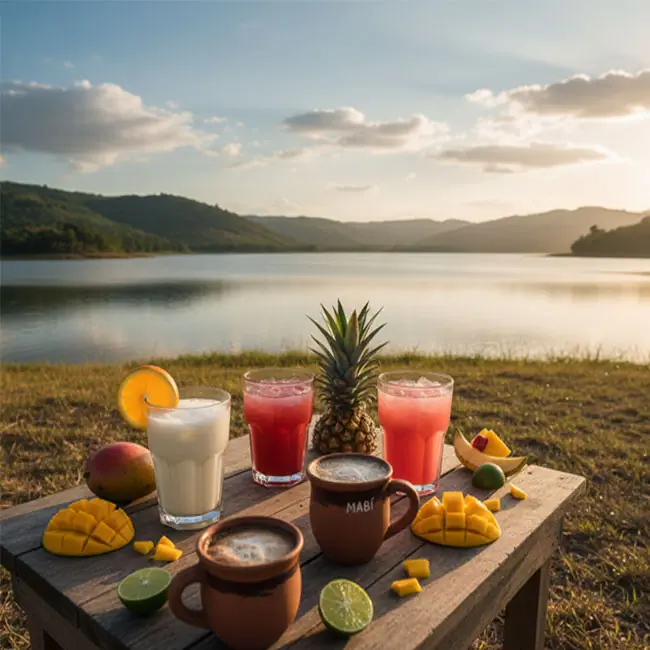
Hello again, tropical traveler and beverage enthusiast! If you've been following our culinary journey through the Dominican Republic, you know the food is rich, savory, and incredibly satisfying. But when the Caribbean sun is shining bright—and it usually is!—you need something cool, refreshing, and deeply flavorful to wash it all down.
That’s where the incredible world of Dominican drinks comes in. Forget your basic bottled water; in the DR, hydration is an art form, a daily ritual, and a celebration of the island’s unbelievably lush produce. The drinks here are vibrant, natural, and packed with the essence of pure tropical paradise.
This guide is your passport to the non-alcoholic side of the Dominican refreshment culture. We'll explore the history, the daily habits, and the star beverages that keep Dominicans cool and energized from sunrise to sunset. Get ready to learn about jugos, batidas, and a few uniquely Dominican creations that you absolutely have to try!
🌴 The Culture of Cool: Hydration in the Dominican Republic
In a place where the temperature often hovers in the high 80s and 90s, staying refreshed isn't just a choice—it’s a necessity. The Dominican culture of drinking is deeply practical, intensely social, and centered around using the freshest local fruits available.
Unlike places where soda might be the default thirst-quencher, in the DR, the first choice is often something made just minutes ago, usually with ice, sugar, and the pulp of whatever fruit is in season. This reliance on natural ingredients connects the beverage culture directly to the island's farming and agricultural cycles.
🥭 The Star Ingredient: Tropical Fruit Abundance
The abundance of tropical fruit is the key differentiator for Dominican beverages. The island produces an astonishing variety of mangoes, passion fruit (chinola), pineapples (piña), guavas (guayaba), tamarind (tamarindo), and star fruit (carambola).
These fruits don't just become drinks; they become the centerpiece of daily refreshment, sold by street vendors, in small corner stores (colmados), and offered as a courtesy in almost every home. The speed and frequency with which these natural juices (jugos) are consumed make them an essential part of the Dominican diet.
🍹 Jugos Naturales: The Cornerstone of Dominican Thirst-Quenching
If you ask for a drink in the Dominican Republic, chances are you'll be offered a jugo natural—a fresh, natural juice. These aren't heavily processed; they are simple, pure fruit and water, sometimes slightly sweetened with sugar to enhance the natural flavor.
🍍 Jugo de Piña (Pineapple Juice)
Pineapple juice is a Caribbean classic, but in the DR, it reaches new levels of refreshment. Served ice cold, it strikes the perfect balance between sweet and tart. It’s a common accompaniment to the heavy midday meal (El Almuerzo), as its acidity is believed to aid in digestion.
💜 Jugo de Chinola (Passion Fruit Juice)
This juice is a flavor explosion! Passion fruit, or chinola, is intensely aromatic and notoriously tart. The juice is made by blending the pulp and seeds with water and a generous amount of sugar to create a uniquely tangy, sweet, and unbelievably refreshing drink. It's often favored for its vibrant flavor and bright orange-yellow color.
🧡 Jugo de Tamarindo (Tamarind Juice)
Tamarind is a unique fruit with a deep, slightly sour, and tangy flavor. The pulp is soaked, strained, and then sweetened to create a dark, rich, and distinctly earthy juice. It's a favorite among locals for its unusual taste profile, which offers a great counterpoint to sweet fruits. It's also traditionally known for its potential digestive benefits.
🥛 The Creamy Dream: Batidas and Unique Milk-Based Beverages
When Dominicans want something a little richer and more filling than a simple juice, they turn to Batidas. These are essentially thick, creamy tropical milkshakes or smoothies, often used as a mid-afternoon energy boost or a filling breakfast.
🌙 Morir Soñando: "To Die Dreaming"
This is arguably the most famous non-alcoholic beverage and a must-try for any visitor. Morir Soñando literally translates to "To Die Dreaming," and it’s aptly named because it's truly heavenly.
It is made by mixing freshly squeezed orange juice (not from concentrate) with milk and sugar, and crucially, a lot of ice. The trick is blending or mixing the cold milk and cold juice slowly to prevent the milk from curdling, creating a foamy, creamy, and wonderfully tangy drink. It tastes like an orange creamsicle but with a fresh, vibrant citrus punch. It’s the perfect blend of sweet, creamy, and refreshing.
🥑 Batidas de Fruta (Fruit Smoothies)
Batidas are incredibly versatile. They are usually made by blending any fresh fruit with milk (sometimes powdered milk, which adds extra richness), ice, and sugar. Some popular batida flavors include:
• Papaya (Lechosa): Creamy, sweet, and mild, often served as a digestive aid.
• Soursop (Guanábana): A unique, sweet-and-sour fruit that creates a highly flavorful and slightly textured smoothie.
• Banana (Guineo): A simple, filling, and energy-boosting classic.
These creamy drinks are often thicker than their American counterparts, making them incredibly satisfying and ideal for a quick breakfast or a powerful snack.
🧊 Daily Refreshments and Lesser-Known Gems
Beyond the juices and batidas, several other refreshing drinks are woven into the fabric of Dominican daily life, often used as simple, cost-effective ways to beat the heat.
💧 Agua de Coco (Coconut Water)
In the DR, coconut water isn't a trendy health drink—it's nature’s fast-food. You'll often see vendors selling whole, chilled green coconuts (cocos) on the side of the road. They simply chop off the top with a machete and hand you a straw. Sipping fresh, cold coconut water directly from the fruit is the ultimate form of authentic Caribbean hydration, offering a subtle, slightly sweet taste and natural electrolytes.
🍚 Arroz con Leche (Rice Pudding Drink)
While often served as a warm dessert in other cultures, the ingredients used to make rice pudding are sometimes adapted into a cooling drink. This beverage involves cooking rice with milk, sugar, and cinnamon, then blending or straining it to create a thick, spiced, and chilled beverage. It’s a very comforting, sweet, and energy-dense drink.
🥣 Maíz Caquiao / Chenchén (Sweet Corn Drink/Dessert)
This is a thick, sweet concoction often made from cracked or ground dried corn, slow-cooked in milk with spices like cinnamon and nutmeg, and sweetened. While it's often thick enough to be considered a dessert or porridge, when served slightly thinner and chilled, it becomes a hearty, comforting drink that’s rich in flavor and tradition.
🧊 The Role of Drinks in the Dominican Lifestyle
Beverages in the Dominican Republic are closely tied to social activities and the structure of the day.
• The Colmado Stop: The colmado (a small, neighborhood grocery store/hangout spot) is the social hub. While known for many things, it's also where you can quickly grab a chilled jugo or a refreshing bottle of water, often enjoying it right on the curb while chatting with neighbors.
• The Post-Lunch Quencher: After the heavy La Bandera lunch, a light, acidic juice like piña or chinola is a classic choice to cut the richness and aid digestion, symbolizing the transition back to the afternoon work or activity.
• Roadside Vendors: The ubiquity of roadside vendors selling agua de coco or fresh juices highlights the constant need for immediate, natural refreshment while traveling or commuting.
The Dominican approach to drinks is one of maximizing flavor and freshness, turning simple fruits and ingredients into sophisticated, soul-soothing refreshments that perfectly complement the island's dynamic pace of life.
🌟 Sipping on Sunshine
The non-alcoholic beverage landscape of the Dominican Republic is a colorful testament to the island's natural bounty and creative culinary spirit. Whether you are sipping on the creamy delight of a Morir Soñando, enjoying the tart tang of Jugo de Chinola, or cooling off with water straight from a Coco on the beach, you are partaking in a delicious, age-old tradition.
These drinks are more than just a momentary escape from the heat; they are liquid sunshine, bottled culture, and a deeply satisfying way to connect with the heart of the Caribbean.
❓ FAQ: Your Dominican Drink Questions Answered
Q1.What is the most popular non-alcoholic drink in the Dominican Republic?
The most iconic and widely beloved non-alcoholic drink is Morir Soñando ("To Die Dreaming"). It is a unique and delicious combination of freshly squeezed orange juice, milk (often evaporated or whole), sugar, and ice, mixed to create a creamy, tangy, and foamy refreshment.
Q2.What is the difference between jugos and batidas?
A Jugo natural is a fresh juice made primarily by blending or squeezing fruit with water and often a small amount of sugar. A Batida is a thicker smoothie or milkshake made by blending fruit with milk (whole or powdered), ice, and sugar, resulting in a creamier, richer, and more filling beverage.
Q3.Can I easily find fresh coconut water in the DR?
Yes, Agua de Coco (coconut water) is very easy to find throughout the Dominican Republic. It is frequently sold by roadside vendors, who will usually open a chilled green coconut with a machete right in front of you for the freshest, most authentic hydration experience.
🍷 Savoring the Caribbean: Essential Dominican Drinks for Your Next Cozy Dinner
👉 Enjoy 3 Dinner Dominican Republic Drinks
| 🌐 🍷 < Back | 🇩🇴 🍨 < Previous | Next > 🍲 🇩🇴 |