
🏠 Home > 🗺️ Recipes > 🥗 Salads > 🇩🇴 Dominican Republic Salads
🇩🇴 🥗 Dominican Republic Salads Recipes
Published by Supakorn | Updated: February 2026
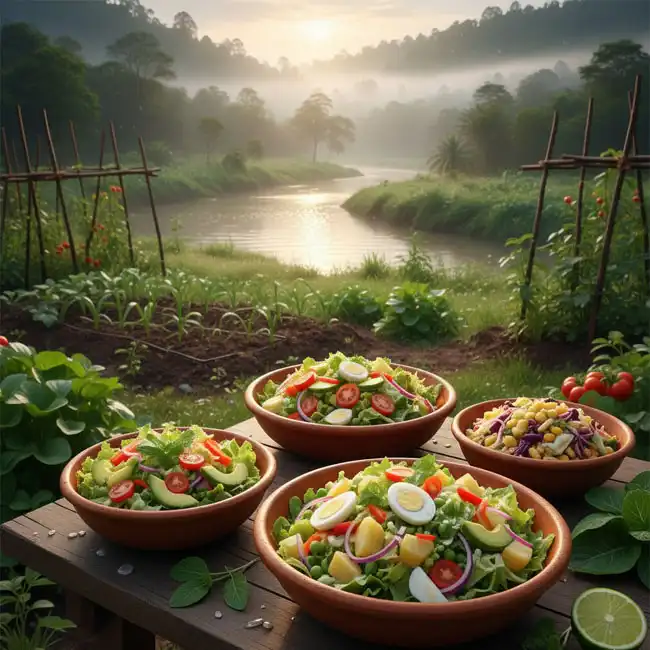
Hola, food explorers! If you’ve been following our delicious deep dive into the Dominican Republic’s incredible food scene, you’ve heard all about the savory, the stewed, and the satisfyingly rich dishes that make up the backbone of La Comida Dominicana. We’ve talked about tender sancocho, flavorful mofongo, and the daily might of La Bandera.
But here’s a secret to enjoying this bold, hearty cuisine: it’s all about balance.
In a climate where the sun beats down with tropical intensity, you can’t survive on savory stews alone. You need a cool, bright, and often slightly acidic counterpoint to cleanse the palate and refresh the soul. And that, my friends, is where the marvelous world of Dominican Salads comes in.
To the uninitiated, the term "salad" might conjure images of simple, leafy greens. While those exist, Dominican salads, or ensaladas, are so much more. They are cultural staples, mandatory side dishes, festive centerpieces, and a reflection of the island's unique agricultural diversity. They are the essential, unsung heroes that complete every plate.
Join me as we dive into this vibrant, crunchy, and often creamy side of Dominican cuisine, exploring why these salads are not just healthy additions, but absolute necessities for anyone who wants to eat like a true Dominican.
🍽️ The Role of Salads in Dominican Dining Culture
In many Western cultures, a salad is often a main meal, a starter, or an optional side. In the Dominican Republic, the salad is an integral, non-negotiable component of the plate, especially during the crucial midday meal, El Almuerzo. It plays a vital role in tradition, texture, and nutrition.
🏡 La Mesa Diaria: The Daily Culinary Balance
Think about the classic Dominican lunch: La Bandera. This dish consists of white rice (arroz), stewed beans (habichuelas), and slow-cooked meat (carne). It's earthy, warm, and comforting. Now, imagine eating this heavy, rich combination without anything fresh. You’d feel full quickly, perhaps even weighed down.
This is precisely why a fresh salad is mandatory. Its primary function is to provide contrast.
The typical daily salad, often a simple Ensalada Verde, brings three crucial elements to the table:
1.Coolness: It's often served chilled, providing relief from the warm climate and the warm food.
2.Acidity/Tartness: The dressing is usually a simple, sharp mixture of lime, vinegar, or sour orange (naranja agria), which cuts through the fat and richness of the meat and stewed components. This acidity is a palate cleanser, preparing you for the next bite.
3.Texture: It adds a necessary crunch—from fresh cabbage, cucumber, or onion—that contrasts beautifully with the soft, yielding textures of rice and tender meat.
This practice of culinary contrast is deeply ingrained. A plate without the vibrant splash of a salad is considered visually and gastronomically incomplete. The salad ensures that the meal is not only delicious but also properly balanced and easy to digest. It transforms a heavy meal into a well-rounded feast.
🎉 Celebration and Tradition: Starches and Mayonnaise
While the daily salad is light and zesty, Dominican special occasions call for something richer, more substantial, and often creamier. This is where the cultural impact of potato and root vegetable salads becomes evident.
For holidays like Christmas, New Year's, or major family gatherings, salads move from simple side dish to main attraction. These festive salads often incorporate a higher caloric density, which historically symbolizes abundance and celebration. They are comforting, rich, and visually appealing, demanding a prominent spot on the holiday table.
These creamy, starchy creations are a powerful nod to traditional European and American influences (like the famous Russian Salad) but have been completely Caribbeanized using local ingredients and flavors. They are rich in mayonnaise, starches, and hard-boiled eggs, turning them into a filling comfort food that anchors any celebratory spread. It’s a testament to the Dominican knack for adopting and transforming international recipes into something uniquely their own. The transition from a vinegary green salad on a Tuesday to a creamy potato salad on Sunday is a fascinating culinary marker of the island’s social calendar.
🥬 Meet the Stars: Prominent Dominican Salads
The term "Dominican Salad" isn't one thing; it's an umbrella term for a family of side dishes, each with its own place in the country’s gastronomic heart. While many international ingredients have been adopted, the spirit remains simple, fresh, and tropical.
🥑 The Ubiquitous Green: Ensalada Verde and Avocado
The simplest and most frequently consumed salad is the Ensalada Verde (Green Salad), and its most common variation, the Cabbage Salad (Ensalada de Repollo).
The Simple Genius of Ensalada Verde
The Ensalada Verde is characterized by its reliance on freshness and simplicity. The base is often finely shredded cabbage (repollo) or lettuce, which provides that vital crunch. It’s then mixed with humble, cooling vegetables:
• Tomatoes (Tomates): Diced, providing juicy acidity.
• Onions (Cebollas): Thinly sliced red onions, often soaked in lime or vinegar first to mellow their pungency, adding a sharp, clean flavor.
• Cucumbers (Pepinos): Sliced, adding cool hydration.
The dressing is the essence of Caribbean simplicity: a generous pour of neutral oil (like vegetable or corn oil), a splash of white vinegar or lime/sour orange juice, and salt and pepper. No fancy emulsified dressings, just a clean, bright vinaigrette that heightens the natural flavor of the vegetables. It’s light, refreshing, and the perfect foil to any rich guiso (stew).
Avocado: The Unofficial King of Sides
In the Dominican Republic, avocado (aguacate) is not a trendy toast topping or a light garnish; it is a serious, substantial food item. It’s so crucial, in fact, that it’s often treated as a side dish unto itself, sometimes served simply sliced alongside La Bandera.
When incorporated into a salad, it’s not diced small. Large, creamy slices of avocado are layered over the Ensalada Verde, providing a rich, buttery counterpoint to the sharp acidity of the vinaigrette. The Dominican aguacate is typically large, with firm, brilliant green flesh, and is available for most of the year. Its presence elevates the simplest meal, adding healthy fats and a velvety texture that is highly prized.
🥔 The Festive Favorite: Ensalada Rusa (Dominican Russian Salad)
While the green salad is the daily staple, the Ensalada Rusa (Russian Salad) is the undisputed champion of Dominican celebration. Its origin may be European, but its heart is pure Dominican comfort food.
This salad is rich, visually appealing, and unapologetically creamy. It is built around a foundation of boiled and diced root vegetables:
• Potatoes (Papas): Diced and boiled until tender but still holding their shape.
• Carrots (Zanahorias): Diced and cooked, adding a touch of sweetness and color.
• Beets (Remolacha): This is the key distinguishing ingredient. In the Dominican version, beets are often boiled separately and then sometimes mashed or blended with the mayonnaise. This gives the entire salad a striking, festive pink or magenta color, making it instantly recognizable on any holiday table.
These vegetables are bound together with a generous amount of rich mayonnaise, often mixed with a touch of mustard and vinegar or lime juice for a slight tang. Finally, it’s studded with hard-boiled eggs and sometimes green peas.
Ensalada Rusa is the epitome of celebratory Dominican cooking—it’s hearty, makes excellent leftovers, and signifies abundance and happiness. It’s often served alongside roast pork (pernil) or chicken, providing a cool, rich contrast to the succulent meats. The sheer labor involved in prepping and dicing all the ingredients also speaks to its significance—it’s a dish made with love and time for those you cherish.
🌿 Beyond the Classics: Regional & Simple Salads
Dominican cuisine is regional, and so are its salads. While Ensalada Verde and Ensalada Rusa are national stars, many simple, seasonal variations reflect local harvests and historical influences.
🌶️ Pico Gallo or Pico de Gallo (The Flavor Bomb)
Though the name is shared with the Mexican salsa, the Dominican version is often a chunky, vibrant salad focused on local aromatics and heat. It’s not necessarily a chunky dip, but a rough, quickly assembled mix of ingredients that is spooned over rice or beans. The components are simple and powerful: finely diced onions, bell peppers, plenty of cilantro (cilantrico), and the essential lime or sour orange juice. Sometimes a ají cubanela (a sweet, mild pepper) is added for crunch. This "salad" functions more as an intensely flavored condiment, bringing raw, bright, and pungent notes to the plate.
🍠 Root Vegetables as Salad Base
Because rice and beans are the anchors, Dominicans are masters at incorporating other starches into non-rice meals. Boiled tubers—like yucca (yuca), taro (ñame), or yautía—are often boiled until fork-tender and then tossed with a simple oil-and-vinegar dressing and plenty of onions and cilantro. This Ensalada de Yucca or Ensalada de Víveres is rich, comforting, and chewy, offering a different textural experience than potato salad. It’s a hearty, grounding side dish that is a staple in more rural and interior areas where these root crops are king.
🥗 The Salad Philosophy: Frescura y Sencillez (Freshness and Simplicity)
What unites all Dominican salads is a dedication to frescura (freshness) and sencillez (simplicity).
1.Minimalist Dressings: The vinaigrette is always simple. The goal is not to mask the flavor of the fruit or vegetable, but to enhance it. Oil, acid (lime/vinegar), salt—that’s often it.
2.Texture First: Salads are often prepared right before serving to maximize crunch. Cabbage is typically shredded very thinly, ensuring a soft but crisp bite.
3.Visual Appeal: The vibrant colors—the white of the cabbage, the red of the tomato, the pink of the beet, and the green of the avocado—are essential. Dominican cuisine, despite its hearty nature, is always visually appealing, and the salad provides the necessary artistic flourish.
By embracing these simple tenets, Dominican home cooks turn humble, affordable vegetables into an indispensable part of the national culinary identity. So, the next time you sit down to a plate of La Bandera, remember to grab a generous serving of that ensalada verde—it’s the secret ingredient that makes the entire meal sing.
❓ FAQ: Your Dominican Salad Questions Answered
1.What is Ensalada Rusa and why is it so important in Dominican culture?
Ensalada Rusa, or Russian Salad, is a creamy, starchy side dish central to Dominican festive dining, particularly during holidays like Christmas and New Year's. The Dominican version is typically made from a mix of diced, boiled potatoes, carrots, and often beets, which give the entire salad a signature pink color, all bound together with mayonnaise. Its richness and celebratory nature make it a symbol of abundance and family gathering.
2.Is a Dominican salad usually served with lettuce?
While lettuce is sometimes used, the most common base for an everyday Dominican salad (Ensalada Verde) is finely shredded white cabbage (repollo). Cabbage holds its crunch better in the tropical heat and is more widely available and affordable, providing a more robust texture than delicate lettuce leaves. It is typically dressed with a simple oil, vinegar, and lime mixture.
3.How is avocado usually treated when served with a Dominican meal?
Avocado (aguacate) is considered a major food group and a vital side dish in the Dominican Republic, not just a garnish. When in season, it is often served sliced in large, substantial pieces alongside La Bandera (the traditional midday meal). It is valued for its rich, buttery texture and healthy fats, which perfectly complement the warm, savory stews and rice.
🥗 Fresh & Flavorful: Essential Dominican Salads for Your Next Family Dinner
👉 Get 3 Family Dominican Republic Salads
| 🌐 🥗 < Back | 🇩🇴 🍲 < Previous | Next > 🍞 🇩🇴 |