
🏠 Home > 🗺️ Recipes > 🍨 Desserts > 🇫🇯 Fiji Desserts
🇫🇯 🍨 Fiji Desserts Recipes
Published by Supakorn | Updated: February 2026
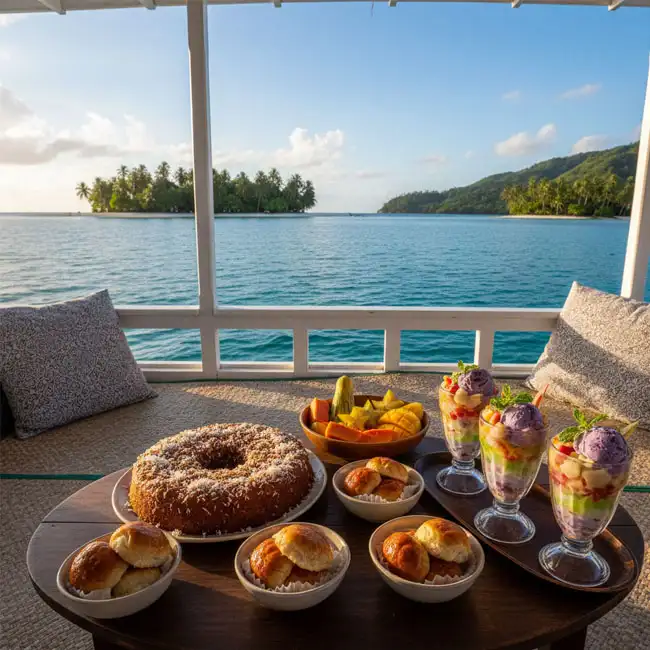
🇫🇯 🍨 Fiji Desserts: A Sweet Journey into the Heart of the Pacific
Bula, friend! If you’ve ever closed your eyes and imagined paradise, you’re probably thinking of white sandy beaches, crystal-clear turquoise waters, and the gentle sway of palm trees. But let me tell you—Fiji isn’t just a feast for the eyes; it’s a total party for your taste buds, especially if you have a bit of a sweet tooth like I do.
When we talk about Fiji desserts, we aren’t just talking about sugar and flour. We’re talking about a rich tapestry of history, community, and the incredible natural bounty of the islands. Every bite tells a story of the land and the sea. So, grab a fresh coconut (imaginary or real!), get comfy, and let’s dive into the delicious world of Fijian sweets.
🌴 The Soul of the Fijian Kitchen: A Culture of Sweetness
Before we get into the "what," we have to talk about the "why." In Fiji, food is more than just sustenance; it is Veidovui—a way of showing love and respect. When you visit a Fijian village, you’re not just a guest; you’re family. And what does family do? They feed you until you can’t move!
Fijian cuisine is a beautiful blend of indigenous iTaukei traditions and the vibrant influences brought by the Indo-Fijian community. This "melting pot" (or should I say "melting pot of sugar"?) has created a dessert scene that is unique in the South Pacific.
🥥 Natural Ingredients are King
Forget processed syrups and artificial flavorings. In Fiji, the stars of the show are plucked straight from the trees or dug out of the volcanic soil. We're talking:
• Coconut (Lolo): The MVP of every dessert. Whether it’s freshly grated, squeezed into thick cream, or toasted, you can’t have a Fijian dessert without it.
• Cassava & Taro: These starchy root vegetables are the backbone of island life. They provide a dense, chewy texture that makes desserts incredibly satisfying.
• Tropical Fruits: Papayas (we call them Pawpaws), bananas, pineapples, and mangoes that taste like pure sunshine.
🍯 Iconic Fiji Desserts You Absolutely Need to Know
Alright, let's get to the good stuff. If you were wandering through a local market in Suva or attending a village Lovo (earth oven feast), these are the sweet treats that would be calling your name.
🍮 Vakalolo: The King of Island Sweets
If there is one dessert that defines Fiji, it’s Vakalolo. This isn't your average pudding. It’s made from grated cassava or taro, mixed with ginger and sugar, and then drenched in a rich, thick coconut cream sauce. The magic happens when it’s wrapped in banana leaves and steamed. It’s sticky, chewy, and intensely comforting. It’s the kind of dessert that feels like a warm hug from a Fijian grandmother.
🍰 Purini (Fijian Steamed Pudding)
Influenced by British colonial history but given a tropical makeover, Purini is a dark, dense, steamed pudding. Unlike the light sponges you might find in Europe, Purini is heavy on the coconut milk and often flavored with cinnamon or cloves. It’s the ultimate companion to a cup of lemon grass tea on a rainy afternoon in the islands.
🍌 Vakalavalava (Cassava Cake)
This is a staple in many households. Vakalavalava is a baked or steamed cassava cake. It’s simple, humble, and perfectly highlights the natural sweetness of the cassava root. Often topped with a layer of sweetened coconut cream that caramelizes in the oven, it has a texture that sits somewhere between a cake and a custard.
🥟 Topoi (Fijian Dumplings)
Imagine little dough balls made from flour or grated root vegetables, simmered in a pot of sweetened coconut milk until they are soft and pillowy. Topoi is often eaten for breakfast or as a heavy snack. It’s the definition of "filling" food.
🏡 The Island Way: How Dessert Fits into Daily Life
In the West, we usually think of dessert as something you have after dinner. In Fiji, the rules are a bit more relaxed!
☀️ The "Tea Time" Tradition
Because of the British influence, "Morning Tea" and "Afternoon Tea" are huge deals in Fiji. This is when the best sweets come out. You’ll see coworkers sharing a plate of Babalasiga (fried dough) or families gathering around a tray of Indo-Fijian sweets like Gulgula (sweet banana fritters).
🤝 Food as a Community Bond
You’ll rarely see someone eating a dessert alone in Fiji. Sweets are meant for sharing. If a neighbor makes a big batch of Babakau (Fijian fried bread), they’re going to pass some over the fence. This communal spirit is what makes the food taste even better. It’s seasoned with friendship!
🥘 The Lovo Experience
While most people think of the Lovo (the traditional underground oven) as being for savory meats and vegetables, it’s also where some of the best desserts are "baked." Wrapping sweets in banana leaves and letting them slow-cook in the earth gives them a subtle smoky flavor that you just can't replicate in a modern kitchen.
🍍 The Indo-Fijian Influence: A Fusion of Flavors
We can't talk about Fiji desserts without mentioning the incredible contribution of the Indo-Fijian community. About nearly half the population has Indian heritage, and their sweets—locally known as "Mithai"—are a massive part of the food culture.
• Gulgula: These are small, deep-fried dumplings made with overripe bananas and flour. They are crunchy on the outside and soft on the inside. Warning: they are highly addictive!
• Lakri: A crunchy, sweet snack made from flour and coated in sugar syrup.
• Suwa: A sweet semolina-based pudding often served during religious festivals or family gatherings.
The way these spices (cardamom, nutmeg, ginger) have blended with Pacific ingredients (coconut, cassava) is what makes Fijian desserts truly world-class.
🥥 Why You’ll Fall in Love with Fijian Flavors
If you’re tired of overly processed, hyper-sugary snacks, Fiji is going to be a breath of fresh air for you. Here is why:
1.Textural Wonderland: From the "bounce" of cassava to the creaminess of fresh lolo, the textures are unlike anything in Western baking.
2.Naturally Sweet: Many desserts rely on the ripeness of the fruit rather than heaps of white sugar.
3.Gluten-Free Friendly: Because so many traditional recipes use cassava and taro instead of wheat flour, Fiji is secretly a paradise for those avoiding gluten!
4.Farm-to-Table: In Fiji, "organic" isn't a marketing buzzword; it’s just how things are grown. You can taste the freshness of the soil in every bite.
🌿 Sustainability and the Future of Fijian Sweets
One of the coolest things about Fiji desserts is how sustainable they are. Think about it—the "packaging" is often a biodegradable banana leaf. The ingredients are grown in the backyard or the village garden.
As the world moves toward more conscious eating, there is so much we can learn from the Fijian way of life. Using every part of the coconut, respecting the seasonal cycles of fruit, and cooking with fire and steam are traditions that have kept the islands healthy and happy for generations.
✨ Pro-Tips for Enjoying Fiji Desserts
If you ever find yourself lucky enough to be sitting at a Fijian table, here are a few "pro-tips" to help you eat like a local:
• Don't be shy with the coconut cream: If someone offers you extra lolo (coconut sauce), say yes. It’s where all the flavor lives!
• Eat with your hands: Many traditional sweets like Babakau or Vakalolo are best enjoyed using your fingers. It’s part of the sensory experience.
• Pair it with local tea: Instead of coffee, try these sweets with "Fiji Tea" (usually black tea with plenty of milk and sugar) or fresh lemon grass tea.
• Ask for the story: Every family has their own twist on a recipe. Asking "How does your family make this?" is a great way to start a conversation and make a new friend.
🌈 Wrapping Up Our Sweet Tour
Fiji is a place where "Bula" is a way of life, and that warmth extends directly into their kitchen. Whether it’s the smoky sweetness of a banana-leaf-wrapped Vakalolo or the crispy delight of an Indo-Fijian Gulgula, these desserts are a celebration of life, nature, and togetherness.
You don't need a plane ticket to start appreciating these flavors, but man, eating a piece of cassava cake while looking at a Fijian sunset is definitely a bucket-list item!
❓ FAQ: Everything You’ve Ever Wondered About Fiji Desserts
❓ Q1. Are Fijian desserts very sweet?
They definitely have a sweetness to them, but it’s often more balanced than Western desserts. The richness usually comes from the fat in the coconut milk rather than just pure sugar. Many treats rely on the natural sugars found in ripe bananas and papayas.
❓ Q2. Can I find these desserts in resorts, or do I need to go to a village?
Most resorts in Fiji will serve popular items like Cassava Cake or Purini during their "Fijian Night" buffets. However, for the most authentic experience, visiting a local market in a town like Nadi or Suva is your best bet!
❓ Q3. What is the most common ingredient in Fiji desserts?
Without a doubt, it’s the coconut (Niu). From the water to the flesh to the cream, almost every part of the coconut is used in the dessert-making process. It provides texture, flavor, and that signature tropical aroma.
🍨 Sweet Island Bliss: Traditional Fijian Treats to Brighten Your Day
👉 Explore 3 Best Tasty Fiji Desserts
| 🌐 🍨 < Back | 🇫🇯 🍝 < Previous | Next > 🍷 🇫🇯 |