
🏠 Home > 🗺️ Recipes > 🍨 Desserts > 🇬🇦 Gabon Desserts > 🍨 Gâteau aux Bananes (Gabonese Banana/Plantain Cake), Mikate Ya Koko (Chewy Coconut Fritters) , Banana Fritters (Richer, Flatter Sweet Beignet Variation)
🍨 From Plantain Cakes to Coconut Fritters: 3 Easy Gabon Dessert Recipes for the Beginner Baker
Published by Supakorn | Updated: February 2026
Introduction: The Sweet Side of Central Africa
Hello, fellow sweet-toothed explorers! You’ve probably heard of the savory delights of African cuisine—the rich stews, the smoky kebabs—but are you ready to discover its beautifully understated dessert scene?
Gabon, with its abundance of tropical fruits like plantains, bananas, and coconuts, combined with a subtle French culinary heritage, offers a range of sweet treats that are both exotic and surprisingly familiar. These are desserts that rely on the natural sweetness of the land, simple techniques, and a lot of heart.
If you thought African baking was complicated, think again! These recipes are proof that you can whip up authentic, comforting Gabonese desserts right in your own kitchen tonight, even if your baking experience is limited to boxed cake mixes. They are perfect for rounding off an authentic African meal or simply enjoying with a strong cup of afternoon coffee.
We've selected three of the most popular and accessible sweet recipes that define Gabonese dessert culture. They each showcase a different essential ingredient and technique, guaranteeing you a well-rounded start to your sweet African baking journey:
1.Gâteau aux Bananes (Gabonese Banana/Plantain Cake): The moist, tropical banana/plantain cake.
2.Mikate Ya Koko (Chewy Coconut Fritters): The chewy, aromatic coconut fritters.
3.Banana Fritters (Richer, Flatter Sweet Beignet Variation): The classic, universal sugar-dusted doughnut (a must-have!).
Get ready to preheat your oven and heat your oil. Your kitchen is about to get a whole lot sweeter!
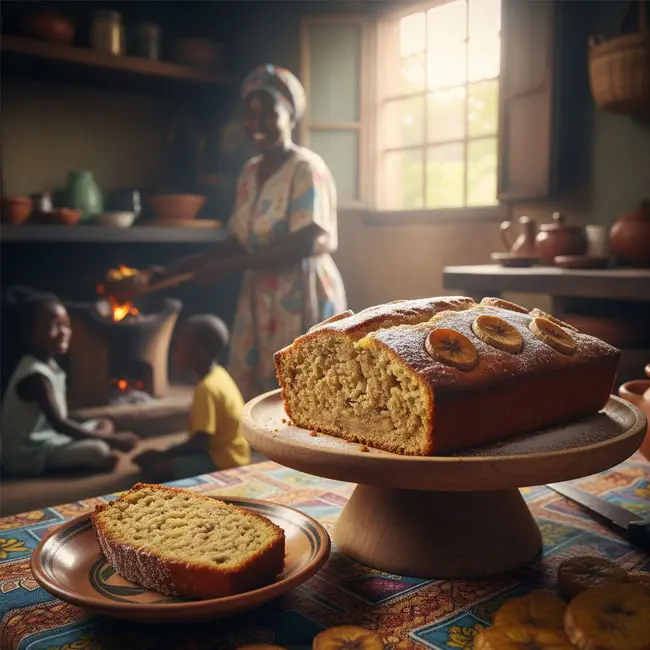
🔹 Recipe 1: Gâteau aux Bananes (Gabonese Banana/Plantain Cake)
About this Recipe (Menu Introduction)
Forget the heavy, dense American banana bread you might be used to. The Gabonese Gâteau aux Bananes is a marvel of moistness and tropical flavor. It’s light, tender, and beautifully showcases the concentrated sweetness of overripe bananas or, more traditionally, overripe plantains. This cake is a testament to the resourcefulness of Gabonese home cooking, ensuring no sweet fruit goes to waste. It’s perfect for a casse-croûte (snack) with tea or as a light dessert after a savory meal. This recipe requires only basic baking skills and will fill your home with the most comforting aroma!
Ingredients & Measurements
Ingredient - Quantity - Notes
- All-Purpose Flour 1 3/4 cups Standard baking flour.
- Baking Soda 1 tsp The main leavening agent.
- Salt 1/2 tsp Essential for flavor balance.
- Very Ripe Bananas/Plantains 2 cups mashed At least 4–5 medium, very dark/black fruit.
- Unsalted Butter, Softened 1/2 cup (1 stick) Room temperature is key for creaming.
- Granulated Sugar 3/4 cup Or slightly less if using very sweet, ripe fruit.
- Large Eggs 2 Room temperature.
- Milk 1/2 cup Whole milk is recommended for richness.
- Vanilla Extract 1 tsp Enhances the sweetness.
Step-by-Step Instructions
1.Prep and Preheat: Preheat your oven to 350°F (175°C). Grease and flour a standard loaf pan (about 9x5 inches). Crucially, mash your very ripe bananas or plantains in a bowl and set them aside. The darker the fruit, the better!
2.Dry Mix: In a medium bowl, whisk together the flour, baking soda, and salt. Set this mixture aside.
3.Creaming: In a large mixing bowl (or using an electric mixer), cream together the softened butter and granulated sugar until the mixture is light and fluffy. This usually takes about 3–5 minutes. This step introduces air and ensures a light cake texture.
4.Wet Ingredients: Beat the eggs into the butter-sugar mixture one at a time, ensuring each is fully incorporated before adding the next. Stir in the vanilla extract, followed by the 2 cups of mashed fruit. The mixture will look a little chunky—that’s fine!
5.Combine: Alternate adding the dry ingredients (flour mix) and the milk to the wet mixture. Start with a third of the flour mix, then half the milk, then another third of the flour, the rest of the milk, and finish with the remaining flour mix. Mix only until just combined. Overmixing at this stage will develop the gluten and result in a tough, dense cake.
6.Bake: Pour the batter into your prepared loaf pan. Bake for 60 to 75 minutes, or until a toothpick or skewer inserted into the center comes out clean. If the top begins to brown too quickly, you can loosely tent it with aluminum foil.
7.Cooling and Serving: Let the cake cool in the pan for 10–15 minutes before carefully turning it out onto a wire rack to cool completely. Slice thick and serve plain, or with a light drizzle of honey or a sprinkle of powdered sugar.
Tips & Mistakes to Avoid
- Tip (Fruit Selection): The secret to the Gâteau aux Bananes is using fruit that is almost completely black. The enzymes convert the starch into sugar, making it moist and sweet without needing much added sugar.
- Mistake to Avoid (Overmixing): This is the number one culprit for dry banana/plantain bread worldwide. Once the wet and dry ingredients are introduced, mix gently until there are just no visible streaks of flour remaining.
- Tip (Plantain Substitution): If you use plantains, they must be cooked until very soft first (steamed or boiled for 15 minutes), then mashed and used as directed.
FAQ (Gâteau aux Bananes)
Question Answer
Can I make this cake in a muffin pan? Yes, absolutely! Reduce the baking time to about 20–25 minutes. Check for doneness with a toothpick.
The center of my cake is raw, but the outside is burnt! Your oven was likely too hot, or you placed the pan too high. Try lowering the oven temperature by 25°F and baking longer, or tenting the top with foil early in the baking process to slow browning.
Can I use oil instead of butter? You can, but butter provides superior flavor and texture. If substituting, use a neutral oil (like canola) and reduce the quantity by about 2 tablespoons.
Summary (Gâteau aux Bananes)
This simple cake is the epitome of comfort baking—moist, flavorful, and a great way to use up overripe tropical fruit. By focusing on proper creaming and gentle mixing, you will produce a light, tender crumb that instantly transports you to a Gabonese afternoon tea.
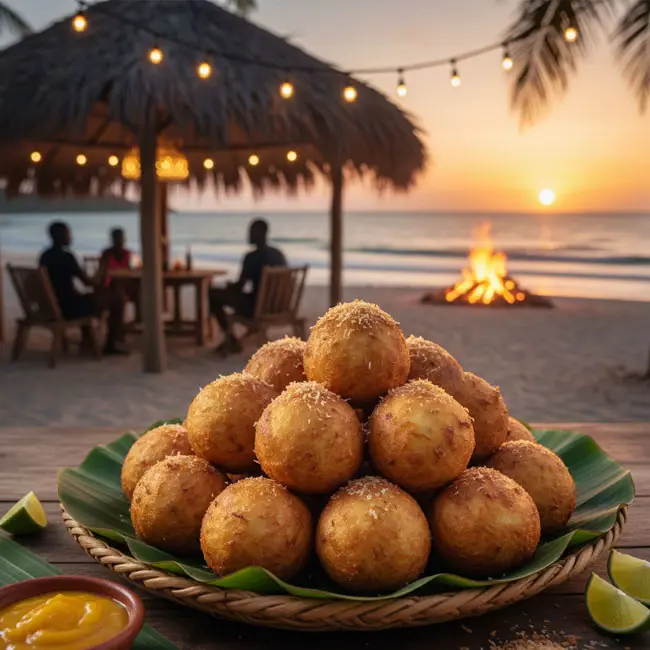
🔹 Recipe 2: Mikate Ya Koko (Chewy Coconut Fritters)
About this Recipe (Menu Introduction)
While we covered the sweet, yeast-risen Beignet in a previous guide, Mikate Ya Koko offers a wonderful, slightly denser, and uniquely tropical twist on the African fritter. Koko means coconut, and this recipe delivers on its promise: small, round balls of fried dough packed with the rich flavor and chewy texture of shredded coconut. These are incredibly popular in Gabon and surrounding Central African countries. They are quick, require no yeast-rising time, and are perfect for when you need a tropical sweet snack, right now.
Ingredients & Measurements
Ingredient - Quantity - Notes
- All-Purpose Flour 2 cups Standard flour.
- Granulated Sugar 1/2 cup Adjust if you like them sweeter or less sweet.
- Shredded Coconut 1/2 cup Sweetened or unsweetened, fine or medium shred.
- Baking Powder 1 tsp Provides the necessary lift.
- Salt 1/4 tsp A pinch to enhance sweetness.
- Coconut Milk 1 to 1 1/4 cups The secret to the rich flavor! Full-fat is best.
- Vanilla or Almond Extract 1/2 tsp Optional.
- Oil Sufficient for deep-frying Neutral oil with a high smoke point.
Step-by-Step Instructions
1.Dry Mix: In a large bowl, whisk together the flour, sugar, shredded coconut, baking powder, and salt. Make sure the coconut is evenly distributed throughout the dry ingredients.
2.Wet Mix and Batter: Gradually pour in the coconut milk (starting with 1 cup) and the extract, stirring continuously. The goal is to achieve a very thick, sticky, spoonable batter—much thicker than pancake mix, but still able to fall reluctantly from a spoon. Add the remaining coconut milk only if the batter is too stiff.
3.The Short Rest: Cover the bowl and let the batter rest at room temperature for 15 minutes. This short rest is vital as it allows the flour to fully absorb the liquid and the shredded coconut to soften slightly, giving the final product its characteristic chewy texture.
4.Prep for Frying: Heat about 2 inches of neutral oil in a deep, heavy pot to 360°F (182°C).
5.Shape and Fry: Using a teaspoon or small ice cream scoop (or the traditional two-spoon method), drop rounded balls of batter into the hot oil. Fry in small batches! Crowding the pot will drop the oil temperature and result in greasy fritters.
6.Cook to Perfection: Fry for about 3–4 minutes, turning the Mikate occasionally, until they are golden brown and fully cooked through. They should be crisp on the outside and soft and chewy on the inside.
7.Serve Tropical: Remove the Mikate with a slotted spoon and drain on a wire rack lined with paper towels. These are often served plain, or with a light dusting of powdered sugar or a side of tropical jam.
Tips & Mistakes to Avoid
- Tip (Density Check): Since there is no yeast, the structure of the Mikate relies entirely on the thickness of the batter. If your batter is too thin, they will absorb too much oil. If they start spreading flat in the oil, quickly add a tablespoon of flour to the remaining batter.
- Mistake to Avoid (Coconut Type): While you can use dried coconut, if you have access to freshly grated coconut, use it! It will dramatically enhance the flavor and aroma of the fritters.
- Tip (Flavor Boost): A sprinkle of nutmeg or cinnamon in the dry mix can add a lovely warmth that complements the coconut flavor perfectly.
FAQ (Mikate Ya Koko)
Question Answer
1.Can I use water or regular milk instead of coconut milk?
Yes, you can. However, using regular milk or water will significantly reduce the coconut flavor profile. If you substitute, add 1/2 teaspoon of coconut extract to compensate.
2.My Mikate are chewy on the outside, but doughy in the middle. Why?
The oil was likely too hot (above 375°F). The high heat instantly crisped the outside, preventing the heat from penetrating and fully cooking the dense center. Lower the temperature and cook for a minute longer.
3.How long will these keep?
Mikate are best eaten fresh and warm. If you must store them, place them in an airtight container at room temperature for 1–2 days and reheat them briefly in a toaster oven for crispness.
Summary (Mikate Ya Koko)
Mikate Ya Koko is a testament to Gabon's access to incredible tropical produce. It’s a fast, easy, no-fuss dessert that delivers a satisfying sweetness and chewiness. This recipe is a fantastic way to introduce authentic Central African tropical flavors to your dessert repertoire.

🔹 Recipe 3: Banana Fritters (Richer, Flatter Sweet Beignet Variation)
About this Recipe (Menu Introduction)
While the yeast-risen Beignet Sucré is the most common street food, Gabonese home cooks often whip up a much quicker, flatter, and fruit-filled variation that is closer to an American pancake or fritter. This version, often made with mashed bananas or plantains directly in the batter, is a delightful, simple sweet that is ready almost immediately. It’s richer, more fruit-forward, and relies on baking powder, not yeast, making it the fastest sweet snack on this list!
Ingredients & Measurements
Ingredient - Quantity - Notes
- All-Purpose Flour 2 cups Standard flour.
- Baking Powder 2 tsp The immediate leavener.
- Salt 1/2 tsp Essential pinch.
- Ripe Bananas (Mashed) 1 cup Very ripe, mashed well.
- Granulated Sugar 1/4 cup Bananas are sweet, so less is needed.
- Egg 1 large Binder.
- Milk or Water 1/2 cup (or less) Use sparingly; the bananas add moisture.
- Cinnamon/Nutmeg 1/2 tsp total Optional but recommended for warmth.
- Oil Sufficient for frying (or less for pan-frying) Neutral oil.
Step-by-Step Instructions
1.Dry Mix: In a large bowl, whisk together the flour, baking powder, salt, and spices (cinnamon/nutmeg).
2.Wet Mix: In a separate bowl, mash the ripe bananas well. Whisk in the sugar, egg, and the milk/water.
3.Combine: Pour the wet ingredients into the dry ingredients. Mix until just combined. The batter will be thick and lumpy due to the mashed bananas—this is exactly what you want! If the batter is too stiff, add milk one tablespoon at a time until you can spoon it.
4.The Fry: Heat about 1 inch of oil in a skillet or frying pan to 350°F (175°C). Since this batter is denser, you can also use less oil and cook them like thick pancakes.
5.Cook and Flatten: Drop 2-tablespoon portions of the batter into the hot oil. The Gabonese style is often to gently press the top of the fritter with the back of a spoon after dropping it, making it slightly flatter and ensuring it cooks through faster.
6.Flip and Finish: Fry for about 2–3 minutes per side until they are golden brown and fully cooked. They will not puff up as much as the yeast Beignets.
7.Serve Immediately: Drain on paper towels. Serve hot, dusted with powdered sugar, or drizzled with honey or a simple caramel sauce.
Tips & Mistakes to Avoid
- Tip (Moisture Control): The ripeness of your banana dictates the moisture. If your bananas are extremely watery, you might not need to add any milk. Start without the milk and add it only if the batter looks too dry.
- Mistake to Avoid (High Heat): Because the batter has natural sugars from the banana, it will caramelize (and burn) faster. Keep the heat controlled at medium-high to ensure the center cooks before the outside scorches.
- Tip (Serving): For an extra tropical touch, sprinkle a bit of shredded coconut or ground peanuts on top immediately after draining.
FAQ (Banana Fritters)
Question Answer
1.Why is this Beignet recipe different from the first one?
The first recipe (R1) is yeast-risen for maximum airiness, typical of street vendors. This recipe (R3) is baking-powder based and fruit-heavy, designed for quick, satisfying home cooking. Both are authentic variations!
2.Can I use other fruit in this batter?
Yes, as long as it’s a soft, easily mashable fruit like mango or pumpkin puree. Be aware that non-banana fruits may require a little extra sugar or binding agent.
3.How do I know when the fritters are cooked inside?
Unlike the airy yeast Beignets, these are denser. The cooking time is your best gauge, but if you're unsure, cut one in half; the center should look cooked through, not wet or doughy.
Summary (Banana Fritters)
This quick, banana-packed fritter recipe is the ultimate solution for a fast, delicious, sweet fix. It requires minimal time and effort, maximizing the natural, comforting flavors of tropical fruit. It’s a wonderful, dense alternative to the classic airy doughnut and a perfect example of Gabonese simplicity.
Final Thoughts: Continue the Sweet African Tradition
You've done it! You've successfully completed your first major steps into the sweet world of Gabonese baking. From the moist crumb of the Gâteau aux Bananes to the tropical chewiness of Mikate Ya Koko and the quick satisfaction of the banana fritters, you now have three fantastic, beginner-friendly recipes to share.
Gabonese desserts, much like the country's main dishes, are built on simple, honest, and high-quality local ingredients. They prove that you don't need complex patisserie techniques to create deeply satisfying, memorable sweets.
My challenge to you now: Try making all three, one by one. See which one is your favorite—the classic cake, the tropical fritter, or the fast banana fry. Then, share your creations! Post your pictures online, tag a friend, and let the world know how simple and delicious African home baking can be.
Keep exploring, keep cooking, and enjoy your new favorite sweet escape!
| 🇬🇦 🍨 < Back |