
🏠 Home > 🗺️ Recipes > 🥘 Sauces > 🇬🇦 Gabon Sauces > 🥘 Saka Saka / Pondu (Cassava Leaf Stew) , Mafé (African Peanut Stew/Groundnut Sauce) , Poisson Yassa (Mustard & Onion Fish/Chicken)
🥘 Unlock the Flavours of Gabon: 3 Essential African Sauces Every Beginner Should Master
Published by Supakorn | Updated: February 2026
Welcome to the Heart of Central African Cooking!
Hey there, fellow food adventurers! If you’ve been looking for a way to seriously upgrade your weekly dinner routine with something new, flavourful, and deeply satisfying, you've landed in the right place. Forget what you think you know about African cuisine—it’s not just about simple staples; it’s about rich, complex, soul-feeding sauces.
Today, we're taking a culinary trip straight to Gabon, a beautiful country in Central Africa. Gabonese food is known for its exquisite balance, drawing on incredible local ingredients like root vegetables, tropical fruits, and fish, often finished with a nod to classic French techniques. But the true secret to this cuisine lies in its sauces (or stews, as they’re often called). These are the slow-cooked, deeply seasoned masterpieces that you spoon generously over rice, fufu, or boiled plantains.
You might have noticed a growing international appreciation for African food, particularly from West and Central Africa. Dishes like Mafé are popping up everywhere, and for good reason! They are simple to prepare once you understand the basic process, primarily relying on slow simmering to let those big, bold flavors fully develop.
In this ultimate long-form guide, we’re going to walk you through three of the most iconic, mouthwatering Gabonese sauces. Get ready to master:
1.Saka Saka / Pondu (Cassava Leaf Stew): The earthy, nutritious green powerhouse.
2.Mafé (African Peanut Stew/Groundnut Sauce): The creamy, crowd-pleasing comfort food.
3.Poisson Yassa (Mustard & Onion Fish/Chicken): The bright, tangy, and aromatic classic.
Seriously, grab a big pot and get ready to cook. Your kitchen is about to smell amazing!
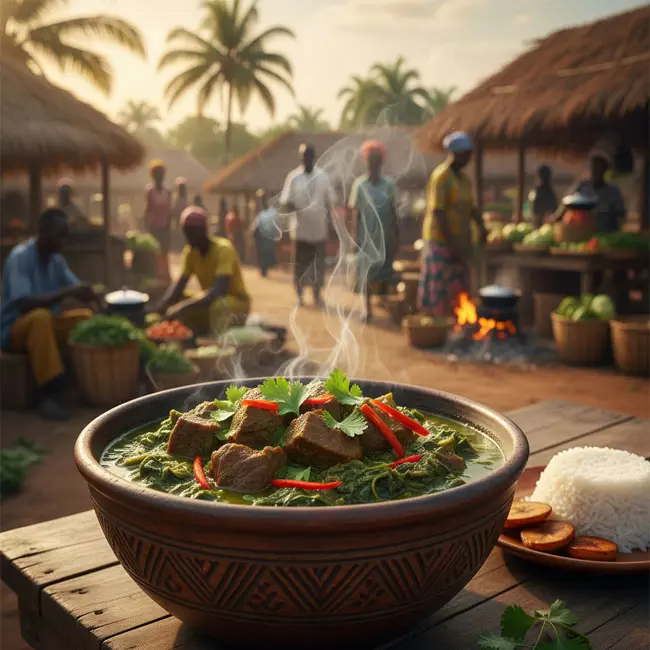
🔹 Recipe 1: Saka Saka / Pondu (Cassava Leaf Stew)
If you're looking for a truly authentic taste of Central Africa, Saka Saka (also known as Pondu) is a must-try. This isn't your grandma’s spinach dip; this is a deeply savory, textured, and rich green stew that forms the backbone of many meals in Gabon and the Democratic Republic of Congo.
About this Recipe: Unpacking the Greens
Saka Saka is all about one star ingredient: cassava leaves. Unlike the root itself, the leaves require a long, gentle cooking time (often two hours or more!) to become safe to eat and develop their incredibly deep, earthy flavour. When properly cooked, they soften into a thick, paste-like stew.
The distinctive taste comes from a perfect marriage of the greens, red palm oil (which gives it a beautiful orange hue and unique smoky flavour), and often ground peanuts or smoked protein. The result is a highly nutritious dish that’s incredibly satisfying. Think of it as a hearty, intensely flavorful, African creamed spinach!
Ingredients & Measurements
Here's what you'll need for a big pot of goodness (serves 6-8):
Ingredient - Measurement - Notes
- Cassava Leaves (Frozen/Pounded) 1.5 lbs (approx. 700g) Thawed and drained, pre-pounded is best.
- Beef, Chicken, or Smoked Fish/Mackerel 1 lb (approx. 450g) Cut into 1-inch cubes (optional but recommended).
- Yellow Onion 1 large Finely chopped.
- Garlic 4 cloves Minced.
- Red Palm Oil 1/2 cup Essential for authentic flavour and colour.
- Broth (Beef/Chicken/Fish) 4 cups Use the broth you cook the meat in.
- Natural Creamy Peanut Butter 1/4 cup Optional—for added richness and a smoother texture.
- Scotch Bonnet or Habañero Pepper 1 whole Optional—Pierce once, but leave whole for a gentle flavour infusion.
- Salt, Bouillon Powder, & Pepper To taste
Step-by-Step Instructions: Slow Cooking is the Secret
1.Prep the Protein (The Flavour Starter):
- If using beef or chicken, place it in a large pot with 2 cups of broth, a pinch of salt, and half the chopped onion. Bring to a boil, then simmer until the meat is partially tender (about 30 minutes). Remove the meat, and set the pot with the broth aside.
- If using smoked fish, simply rinse and set aside.
2.Prepare the Leaves (Squeeze, Squeeze, Squeeze):
- If your leaves are frozen, make sure they are completely thawed. Crucially, squeeze out as much excess water as you can. This step is non-negotiable for reducing bitterness and ensuring a thick stew.
3.Build the Base (Aromatics Time):
- In a separate, large, heavy-bottomed pot, heat the Red Palm Oil over medium heat. Add the remaining chopped onion and sauté until soft (about 5 minutes). Add the minced garlic and cook for 1 minute until fragrant.
4.The Big Combine (Get Everything Mixed):
- Add the squeezed cassava leaves to the pot. Stir well to coat them completely in the oil and aromatics.
- Pour in the remaining broth (including the reserved meat stock) and add the whole chili pepper.
5.Simmer for the Soul (Patience, Friend):
- Bring the mixture to a boil, then immediately reduce the heat to low. Cover and simmer gently for 1.5 to 2 hours.
- Why so long? This ensures the leaves are fully tender and safe to eat, and it develops that signature deep flavour. Stir every 20 minutes to prevent the thick stew from sticking to the bottom and scorching.
6.Finishing Touches (Thicken and Richness):
- In the last 30 minutes of simmering, stir in the Natural Peanut Butter (if using) until it dissolves completely. Add the pre-cooked meat or smoked fish back into the pot.
- Leave the pot uncovered for the final 30 minutes to allow the sauce to thicken to a hearty consistency.
7.Serve:
- Taste, adjust the salt and bouillon powder as needed, remove the whole chili, and serve hot!
Tips & Mistakes to Avoid
- Tip: The Thinner the Better: When preparing fresh cassava leaves, pounding or puréeing them until they resemble a fine mash is crucial. If you’re buying pre-pounded frozen leaves, you’re already ahead of the game!
- Mistake: Skipping the Squeeze: If you don't squeeze the water out of the thawed leaves, your stew will be watery and bitter. Don't skip it!
- Tip: Palm Oil Substitute: If red palm oil is absolutely impossible to find, you can use regular vegetable oil, but add an extra tablespoon of peanut butter or some smoked paprika to try and capture some of that unique flavour depth.
- Mistake: High Heat: Never cook Saka Saka on high heat. It will boil over or, worse, scorch the bottom, ruining the flavour of the whole batch.
FAQ: All Your Saka Saka Questions Answered
1.Is it safe to eat cassava leaves?
Yes! But only after they have been properly boiled or simmered for a long time (as we did in the recipe). This process breaks down the naturally occurring compounds that cause bitterness.
2.What should I serve Saka Saka with?
The traditional way is with Fufu (a soft dough made from pounded yams or cassava) or Chikwangue (cassava bread). But it’s fantastic with just plain white rice or even crusty bread.
3.Can I make it vegetarian/vegan?
Absolutely! Just omit the meat/fish and use vegetable broth. The red palm oil and peanut butter provide plenty of richness.
Summary
Saka Saka is more than just a stew; it’s an ancestral recipe that offers a comforting, deeply satisfying flavour profile. It’s a testament to the magic that happens when simple ingredients are given the time they need to shine.
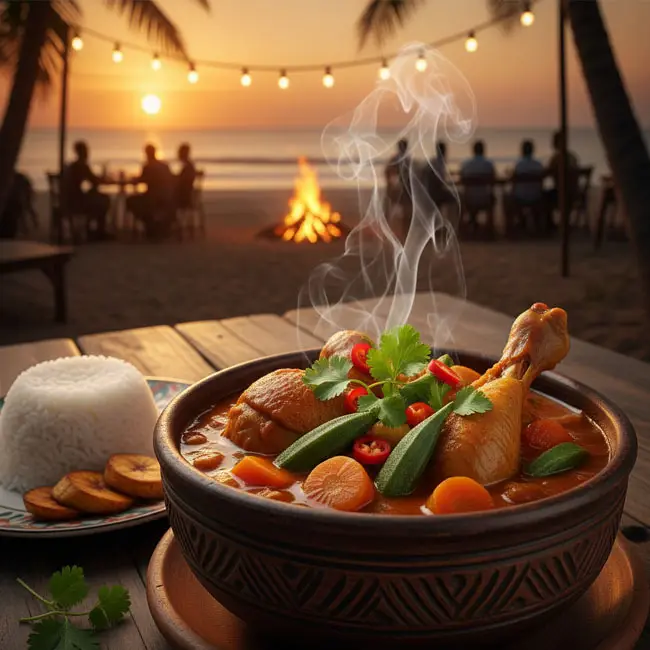
🔹 Recipe 2: Mafé (African Peanut Stew/Groundnut Sauce)
If there is one African stew that has successfully conquered the global palate, it’s Mafé. Originating from the Mandinka and Bambara people, this groundnut (peanut) sauce is a staple across West and Central Africa, including Gabon. It's a rich, creamy, and mildly spicy tomato-based stew that is famously addictive.
About this Recipe: Comfort Food Royalty
Mafé (sometimes spelled Maafe or Maffé) is the ultimate comfort food. It combines the savoury richness of natural peanut butter with the bright acidity of tomatoes, often simmered with tender meat and hearty root vegetables like sweet potatoes or carrots. The magic here is the balance: it should be deeply savory with a hint of natural sweetness from the peanuts and a subtle tang from the tomato. It's a flavor bomb you won't soon forget!
Ingredients & Measurements
Get ready for some creamy goodness (serves 6):
Ingredient - Measurement - Notes
- Stewing Beef or Chicken Thighs 1.5 lbs (approx. 700g) Cut into 1-inch cubes.
- Natural Creamy Peanut Butter 2/3 cup Crucial. Use 100% peanuts, no sugar, no oil added.
- Tomato Paste 4 tablespoons Essential for color and depth.
- Yellow Onion 1 large Diced.
- Garlic 3 cloves Minced.
- Fresh Ginger 1 tablespoon Grated.
- Vegetable Oil 2 tablespoons
- Beef or Chicken Broth 4 cups
- Sweet Potato or Carrot 2 large Peeled and cut into large chunks.
- Cayenne Pepper Powder 1/2 teaspoon Adjust for heat!
- Salt, Pepper, & Bouillon Powder To taste
Step-by-Step Instructions: Mastering the Groundnut Sauce
1.Sear the Meat (The Flavor Base):
- In a large pot or Dutch oven, heat the oil over medium-high heat. Season the meat generously with salt and pepper. Sear it until deeply browned on all sides. Remove the meat and set it aside, leaving the remaining oil and flavorful bits in the pot.
2.Build the Aromatics (The Foundation):
- Reduce the heat to medium. Add the diced onion and sauté until soft and translucent (about 5 minutes). Add the minced garlic and grated ginger and cook for 2 minutes until incredibly fragrant.
3.Caramelize the Tomato (The Color & Depth):
- Stir in the Tomato Paste. Cook it for about 5 minutes, stirring constantly. You'll notice the color deepen—this crucial step removes the raw, metallic taste of the paste.
4.Incorporate Peanut Butter (The Creaminess):
- Pour in 1 cup of the broth. Whisk the creamy Peanut Butter directly into the hot liquid until it is completely smooth and dissolved. This prevents clumping!
5.Simmer & Tenderize (The Long Wait):
- Add the remaining broth, cayenne pepper, and the seared meat back into the pot. Bring to a boil, then immediately reduce the heat to low and cover. Simmer for 45 minutes.
6.Add Veggies & Finish:
- Add the sweet potato or carrot chunks to the stew. Cover and continue to simmer for another 25–30 minutes, or until the meat is fork-tender and the vegetables are soft. The sauce should be thick enough to coat the back of a spoon.
7.Final Adjustments:
- Taste and adjust the seasoning. If it’s too sweet, a little squeeze of lemon juice can cut the richness. Add more salt or bouillon powder if needed.
Tips & Mistakes to Avoid
- Mistake: Sweet Peanut Butter: Using Jif or Skippy with added sugar will make your Mafé taste like candy. You must use natural, unsweetened peanut butter for that rich, savory flavor.
- Tip: Prevent Sticking: Mafé is notorious for sticking and burning on the bottom of the pot due to the high fat content of the peanuts. Use a heavy-bottomed pot and stir diligently throughout the entire cooking process!
- Tip: The Fat Test: When the Mafé is ready, you might see a layer of oil (the "groundnut oil") rise to the surface. This is a sign that the sauce has cooked down and the flavors have properly married.
FAQ: Your Mafé Questions Answered
1.Can I use chunky peanut butter?
You can, but it will give the sauce a noticeable chunky texture. Creamy is generally preferred for a smooth, rich sauce.
2.How should I serve Mafé?
Always served with a starch to soak up that incredible sauce! Traditionally white rice, Fufu, or couscous.
3.Can I add other vegetables?
Absolutely. Diced bell peppers, okra, or even a can of diced tomatoes (drained) make great additions.
Summary
Mafé is a hug in a bowl—rich, velvety, and deeply flavourful. It’s an easy yet impressive dish that showcases the wonderful balance and simplicity of African cooking.

🔹 Recipe 3: Poisson Yassa (Mustard & Onion Fish/Chicken)
Moving away from the creamy thickness of Mafé and Saka Saka, we arrive at Yassa. This dish, immensely popular in Gabon (where it’s often made with fish or chicken—hence Poisson Yassa), is defined by a bright, acidic, and intense marinade that magically transforms into a sweet-and-sour, caramelized onion sauce.
About this Recipe: The Magic of Caramelized Onions
Yassa is a flavor profile powerhouse where sour meets sweet, all thanks to the humble onion. The secret is the incredibly simple, yet potent, marinade of lemon juice, Dijon mustard, and loads of thinly sliced onions. The protein (fish or chicken) soaks up this tanginess, and then the star—the onions—are slow-cooked until they melt into a thick, syrupy relish that is the absolute definition of the sauce. It’s lighter than the other two stews but explodes with a fresh, punchy flavor.
Ingredients & Measurements
Get ready for that tangy, golden sauce (serves 4-6):
Ingredient - Measurement - Notes
- White Fish Fillets or Chicken Pieces 1.5 lbs (approx. 700g) Tilapia, Cod, or Bone-in Chicken Thighs.
- Yellow Onions 4 very large Crucial: Sliced paper-thin. Do not skimp!
- Fresh Lemon Juice 1/2 cup The main acidic component.
- Dijon Mustard 1/4 cup Essential for the signature Yassa tang.
- Garlic 4 cloves Minced.
- Vegetable Oil 4 tablespoons Used for marinade and cooking.
- Bouillon Powder (or Maggi Cube) 1 teaspoon For umami depth.
- Habañero or Scotch Bonnet 1 whole Optional. Leave whole for flavor, pierce for heat.
- Salt and Black Pepper To taste
Step-by-Step Instructions: Turning Onions into Gold
1.Prepare the Marinade (The Sour Kick):
- In a large bowl, whisk together the Lemon Juice, Dijon Mustard, minced garlic, 1 tablespoon of oil, bouillon powder, salt, and pepper.
2.Marinate Everything (The Fusion):
- Add the thinly sliced Onions and your protein (fish or chicken) to the marinade. Toss everything thoroughly to coat every single piece of onion.
- Cover and refrigerate for at least 2 hours (and up to 12 hours for chicken) to let the flavors fuse.
3.Cook the Onions (The Transformation):
- Separate the protein from the onions and marinade liquid, but save the liquid and onions!
- Heat 2 tablespoons of oil in a large, deep skillet or pot over medium-low heat. Add the marinated onions and cook them very slowly, stirring often, for 15–20 minutes.
- Goal: The onions should become incredibly soft, translucent, and start to caramelize—not brown or crisp.
4.Sear the Protein (The Flavor Lock):
- While the onions cook, quickly sear the chicken or fish in a separate pan until golden brown on the outside. This adds texture and flavor.
5.Simmer the Yassa (The Final Sauce):
- Pour the reserved marinade liquid over the cooked onions. Stir well.
- Add the seared chicken or fish back into the pot. Add the whole chili pepper.
6.Low and Slow Finish:
- Cover the pot and reduce the heat to low. Simmer for 30–40 minutes for chicken (or just 15-20 minutes for fish) until the protein is cooked through and the onion mixture has thickened into a sweet, savory relish.
7.Serve:
- Remove the chili pepper. Serve hot, making sure to spoon a generous amount of that caramelized onion sauce over the protein.
Tips & Mistakes to Avoid
- Tip: Slice Thinly: The thinner you slice the onions, the faster they will soften and melt into the sauce, giving you that authentic Yassa texture. A mandoline slicer is perfect for this.
- Mistake: Too Much Heat on Onions: If you try to speed up the onion-cooking process, they will burn instead of caramelizing and your sauce will taste bitter. Slow and low is the only way here.
- Tip: Balance the Acidity: If the final sauce is too tangy for your liking, you can stir in a teaspoon of sugar or a small splash of the meat's cooking water to mellow the lemon.
FAQ: Your Yassa Questions Answered
1.Why so much onion?
The onions aren't just a vegetable; they are the entire sauce. As they break down, they create a savory, sweet, and tangy relish that coats the protein.
2.Can I use lime juice instead of lemon?
Yes, you can! Lime is sometimes used traditionally and provides an even more intense acidity.
3.What is the best fish for Yassa?
Any firm white fish (like Cod, Tilapia, or Red Snapper) works wonderfully.
Summary
Poisson Yassa is a thrilling dish that uses simple, affordable ingredients—lemon, mustard, and onions—to create a complex sauce that is both sophisticated and satisfyingly homey.
Final Thoughts: Your New African Cooking Adventure Awaits!
Congratulations, food explorer! You’ve just been given the blueprint for three powerhouse Gabonese sauces—and the best part? You now know how incredibly approachable they are, despite their complex flavors.
These aren't just recipes; they are invitations to a vibrant culinary tradition. Whether you’re scooping up the rich, creamy Mafé, enjoying the deep, comforting earthiness of Saka Saka, or relishing the bright, tangy punch of Poisson Yassa, each dish offers a unique window into the heart of African home cooking.
Here is my challenge to you: Don't try to master all three in one weekend! Start with the one that sounds most delicious. Take your time, trust the process (especially the slow simmering), and let those aromas fill your kitchen.
African food isn't meant to be eaten alone. It's meant to be shared. So, gather your friends, make a big pot of one of these amazing sauces, and serve it family-style with plenty of rice or fufu.
We absolutely can't wait to see your Gabonese creations! Share your photos and let us know which sauce won your heart. Happy cooking, and welcome to the global table!
| 🇬🇦 🥘 < Back |