
🏠 Home > 🗺️ Recipes > 🍨 Desserts > 🇬🇲 Gambia Desserts > 🍨 Chakery (Creamy Spiced Couscous Pudding) , Sweet Tapalapa Toast with Cinnamon & Honey , Candied Peanuts (Groundnut Sweet/Nkatie Cake Inspired)
🍨 The Sweet Side of The Smiling Coast: Beginner-Friendly Gambia Desserts You Can Master
Published by Supakorn | Updated: February 2026
Introduction
Hey there, sweet tooth! If you thought West African food was only about hearty stews, smoky grilled meat, and spicy rice, get ready for a delightful surprise. While savoury dishes definitely rule the Gambian dinner table, The Smiling Coast has a fantastic (and often overlooked) sweet side, typically enjoyed as snacks, light breakfast items, or refreshing desserts.
Unlike heavily-processed Western sweets, Gambian desserts often lean on simple, wholesome ingredients like fresh fruit, millet, groundnuts (peanuts), and dairy, resulting in treats that are often lighter, tangier, and incredibly satisfying. These dishes are hugely popular both locally and among international food travellers looking for authentic local flavour.
The best part? They are incredibly easy to replicate at home, requiring minimal special equipment and simple, accessible ingredients. This long-form guide is dedicated to bringing those simple, soul-warming flavours right into your kitchen. We’ll skip the complexity and focus on accessibility!
We are diving into three of the most popular and easiest Gambian-inspired sweet recipes—perfect for beginners and for anyone looking for a quick, unique dessert tonight:
1.Chakery (Thiakry): The famous creamy, spiced couscous or millet pudding.
2.Sweet Tapalapa Toast: A delicious, quick dessert adaptation using the iconic Gambian bread.
3.Candied Peanuts (Groundnut Sweet): Crunchy, sweet, and highly addictive nuts that are essential street snacks.
Ready to swap the flour and butter for some yogurt, millet, and sugar? Let's get baking (and mixing)!

🔹 Recipe 1: Chakery (Creamy Spiced Couscous Pudding)
About this Recipe
Chakery (sometimes spelled Thiakry or Degue) is arguably the most famous dessert from the Senegambia region. It’s a creamy, chilled pudding that perfectly balances sweet and tangy flavours. Traditionally made with fine-grained millet couscous, the pudding combines cooked grains with a rich, spiced dairy mix of yogurt, sour cream, and sometimes evaporated milk.
It’s often served after a heavy meal or as a refreshing snack on a hot day. The texture is key: tiny, distinct pearls of millet or couscous are suspended in a thick, cooling, and subtly spiced cream. While traditional Gambian Chakery uses Lait Caillé (fermented sour milk) and millet, our beginner-friendly version uses readily available yogurt and instant couscous, making it lightning-fast to prepare!
Ingredients & Measurements
- 1 cup Instant Couscous (Semolina)
- 1 cup Plain Full-Fat Yogurt
- ½ cup Sour Cream (or Greek Yogurt for extra tang)
- ½ cup Evaporated Milk (or Sweetened Condensed Milk for more sweetness)
- ¼ cup Granulated Sugar (adjust to your preference)
- 1 teaspoon Vanilla Extract
- ½ teaspoon Ground Nutmeg
- ¼ teaspoon Ground Cinnamon (optional)
- Pinch of Salt
- 1 cup Boiling Water (for couscous)
- Toppings: Diced fresh pineapple, raisins, or shredded coconut
Step-by-Step Instructions
1.Prepare the Couscous: Place the dry couscous and a tiny pinch of salt in a medium bowl. Pour the 1 cup of boiling water over the top. Immediately cover the bowl tightly with a lid or plastic wrap and let it sit for 5-7 minutes until all the water is absorbed and the couscous is fluffy.
2.Cool Down: Once cooked, fluff the couscous with a fork and let it cool completely to room temperature. This is essential, as adding hot couscous to the dairy mixture will curdle it.
3.Whip the Cream Base: In a separate large bowl, whisk together the Plain Yogurt, Sour Cream, Evaporated Milk, Sugar, Vanilla Extract, Nutmeg, and Cinnamon (if using).
4.Taste Test the Sweetness: Taste the cream mixture and adjust the sugar content if necessary. Remember, this is the main flavour base!
5.Combine and Chill: Gently fold the cooled couscous into the sweet cream mixture. Stir until everything is evenly combined. The mixture should look creamy but slightly liquid.
6.Set and Serve: Cover the bowl and refrigerate the Chakery for at least 1-2 hours, or until thoroughly chilled. The couscous will continue to absorb the liquid as it rests, thickening the pudding to the perfect consistency.
7.Garnish: Serve in small bowls, topped with fresh diced fruit like mango or pineapple, a sprinkle of raisins, or shredded coconut.
Tips & Mistakes to Avoid
- Mistake: Skipping the Chill Time: The Chakery needs time in the fridge! The resting period allows the couscous to fully absorb the liquid and the flavours to meld, creating that signature thick, creamy texture.
- Tip: Go for Full-Fat: Use full-fat yogurt and sour cream. The fat content is crucial for achieving the rich, creamy mouthfeel of this pudding.
- Tip: Authentic Flavour: If you can find actual millet couscous (sometimes labelled Thiéboudienne or Degué), use it! It adds a nuttier, more traditional flavour than semolina couscous.
FAQ
Q: Can I make this with rice instead of couscous?
A: Yes! While traditionally Chakery uses millet, if you substitute for short-grain rice cooked like a firm rice pudding, the result is known as Ruy or Chura Gerrte, which is another popular Gambian sweet porridge/dessert.
Q: How long will Chakery last in the fridge?
A: It will stay fresh and delicious for about 3-4 days in an airtight container. The texture may continue to thicken slightly over time.
Q: Can I use different fruits?
A: Absolutely! Fresh mango, diced apple, papaya, or bananas are all delicious and authentic choices.
Summary
Chakery is the perfect introductory Gambian dessert. It’s fast, creamy, cold, and a wonderful way to end any meal. Master the cold-couss cous addition and the chill time, and you’ll have a sensational sweet treat every time.
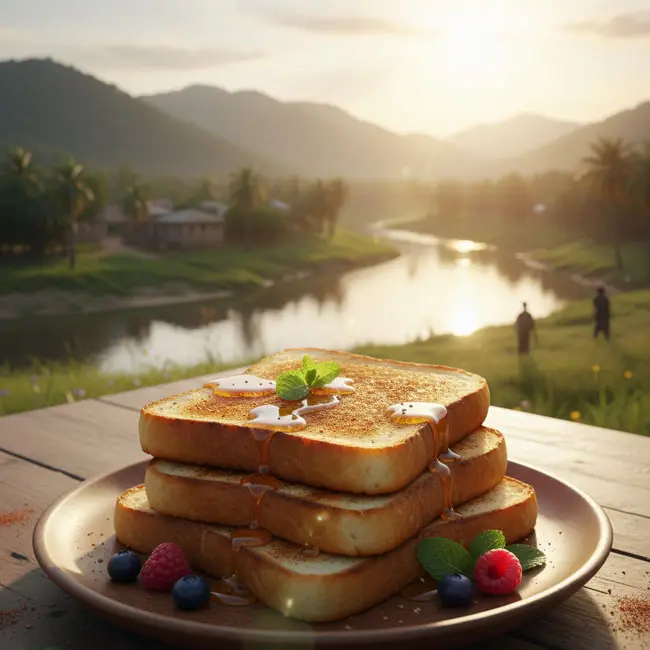
🔹 Recipe 2: Sweet Tapalapa Toast with Cinnamon & Honey
About this Recipe
Tapalapa is the iconic, dense, baguette-shaped bread of The Gambia, made with a mixture of wheat, millet, and sometimes cowpea flour. It has a distinctive crust and a hearty texture, making it far more substantial than a French baguette. While it's famously used for savory sandwiches (stuffed with Akara or beans), it transforms into a wonderful sweet treat when toasted and topped.
This recipe is an adaptation of the simple breakfast/snack traditions often seen in Gambian households, turning this unique bread into a perfect quick dessert. Think of it as an elevated, rustic cinnamon toast—a crunchy, warm, sweet counterpoint to the creamy Chakery.
Ingredients & Measurements
- 4 Slices Tapalapa Bread (or a dense, rustic bread like a good country loaf)
- 2 Tablespoons Unsalted Butter, softened
- 1 Tablespoon Honey (or light brown sugar)
- 1 Teaspoon Ground Cinnamon
- ½ Teaspoon Vanilla Extract (optional, for aroma)
- A Few Drops of Water or Milk (if needed for spreading)
- Toppings: Flaked almonds, extra honey drizzle, or a pinch of sea salt
Step-by-Step Instructions
1.Prepare the Cinnamon-Butter Spread: In a small bowl, combine the softened Butter, Honey (or sugar), Ground Cinnamon, and optional Vanilla Extract. Mix thoroughly until you have a smooth, spreadable paste. If the butter is too stiff, add a few drops of milk or water to make it easier to spread.
2.Prep the Bread: Slice the Tapalapa (or rustic loaf) into thick, equal slices. Generously spread the cinnamon-butter mixture evenly across one side of each bread slice.
3.Toast (Oven/Toaster Oven Method is Best):
- Toaster Oven/Broiler: Place the slices, butter-side-up, on a tray. Toast/broil until the butter is melted, bubbling, and the edges of the bread are golden brown and crisp (watch carefully to prevent burning—this usually takes 2-4 minutes).
- Pan-Fry Method: Place the slices, butter-side-down, in a dry frying pan over medium-low heat. Cook for 3-4 minutes until the base is toasted and the topping is melted and caramelized.
4.Finish and Serve: Remove the toast slices from the heat. Immediately sprinkle with flaked almonds or a final drizzle of honey.
5.Enjoy Warm: Serve while the Tapalapa is still warm and the topping is glossy and slightly sticky.
Tips & Mistakes to Avoid
- Tip: Find the Right Bread: If you can’t get Tapalapa, choose a bread that is dense and sturdy, not a light, airy sandwich bread. A crusty sourdough or a whole wheat peasant loaf will hold up better to the butter and honey.
- Mistake: Using High Heat: Whether pan-frying or broiling, keep the heat moderate. High heat will burn the honey and cinnamon topping before the bread has a chance to properly toast and crisp up.
- Tip: Salty-Sweet Kick: A tiny sprinkle of sea salt flakes over the warm, finished toast elevates the flavour by contrasting the sweetness beautifully.
FAQ
Q: Can I use this spread on other foods?
A: Absolutely! The cinnamon-honey butter is fantastic on pancakes, waffles, or melted over warm roasted sweet potatoes.
Q: Is Tapalapa hard to find outside of West Africa?
A: Yes, it can be. Look for it in African or International supermarkets, often near the refrigerated or frozen items. Otherwise, the recommended rustic loaf substitute is your best bet!
Q: Can I make this vegan?
A: Yes. Substitute the butter with vegan butter or coconut oil, and ensure you use a bread that doesn't contain dairy or eggs.
Summary
Sweet Tapalapa Toast is the ultimate easy, warm, comforting dessert. It uses the foundation of the Gambian staple bread and gives it a quick, universal sweet makeover—perfect for a cozy night in.

🔹 Recipe 3: Candied Peanuts (Groundnut Sweet/Nkatie Cake Inspired)
About this Recipe
Groundnut Sweet (or Nkatie Cake in Ghana, or simply Candied Peanuts in The Gambia) is a popular, crunchy street snack sold everywhere from market stalls to roadside vendors. Given that groundnuts (peanuts) are a foundational element in Gambian cooking (think Domoda), it's no surprise they star in a sweet treat.
This recipe is essentially an easy caramel brittle made with whole peanuts, providing a satisfyingly crunchy texture and intense sugary flavour. It’s simple, requiring just three ingredients, and offers a fun, hands-on way to make an authentic West African sweet. It’s perfect for a unique party favour or a little energy boost!
Ingredients & Measurements
- 1 cup Raw or Roasted Peanuts (Groundnuts), unsalted, with skins removed (if desired)
- ¾ cup Granulated Sugar
- ¼ cup Water
- ½ teaspoon Vanilla Extract (optional, for flavour)
- Pinch of Salt (optional, to balance the sweetness)
- Equipment: Baking sheet lined with parchment paper, heavy-bottomed saucepan
Step-by-Step Instructions
1.Prep the Pan: Line a baking sheet with parchment paper or a silicone mat. This step is mandatory, as the candy will stick to an unlined pan. Have a spatula ready.
2.Make the Syrup: In a heavy-bottomed saucepan (this is important to prevent burning), combine the Granulated Sugar and Water. Place over medium heat. Do not stir initially; simply swirl the pan occasionally until the sugar dissolves completely and the mixture comes to a gentle boil.
3.Caramelize: Let the syrup continue to boil without stirring. It will turn from clear to pale gold, then to a rich amber caramel color. This takes patience—about 8-12 minutes. Keep the heat steady and do not walk away.
4.Add Peanuts: Once the syrup reaches a deep amber color (around 320∘F or 160∘C), immediately remove the pan from the heat. Stir in the Peanuts, optional Vanilla Extract, and Pinch of Salt. Stir quickly and carefully until the peanuts are fully coated in the hot caramel.
5.Spread and Cool: Immediately pour the peanut mixture onto the prepared parchment-lined baking sheet. Use the back of your spatula to quickly spread it out into a thin, even layer. Be careful; the caramel is extremely hot.
6.Break and Serve: Allow the brittle to cool completely until it is hard and brittle (about 30 minutes). Once cooled, break the candy into bite-sized pieces.
Tips & Mistakes to Avoid
- Mistake: Stirring the Syrup: Resist the urge to stir the caramel after the sugar has dissolved. Stirring promotes crystallization, which results in grainy, not smooth, brittle.
- Tip: Use Heavy Equipment: A heavy-bottomed pan distributes heat evenly and prevents the caramel from burning on the bottom while the top is still cooking.
- Tip: Safety First: Caramel is extremely hot. Do not touch it or taste it until it has completely cooled and hardened.
FAQ
Q: Do I need to use roasted peanuts?
A: You can use pre-roasted peanuts, but make sure they are unsalted. Using raw peanuts gives you a better texture as they finish cooking in the hot caramel.
Q: My caramel became grainy. What happened?
A: This is called crystallization. It usually happens if sugar crystals splash onto the side of the pan and fall back into the syrup. To prevent this, wipe down the inside edges of the pan with a damp pastry brush before the sugar dissolves.
Q: How do I store Groundnut Sweet?
A: Store the cooled, broken pieces in an airtight container at room temperature. Humidity can make it sticky, so keep it in a cool, dry place.
Summary
Candied Peanuts are a simple, delicious, and crunchy tribute to the importance of groundnuts in Gambian cuisine. It's an easy, impressive sweet that requires focus but delivers huge flavour—perfect for those who love a brittle or toffee-like texture!
Final Thoughts
You’ve just taken a whirlwind tour of the sweet side of The Gambia! From the cool, comforting creaminess of Chakery, to the rustic warmth of Sweet Tapalapa Toast, and the satisfying crunch of Candied Peanuts, you now have three unique, beginner-friendly recipes to experiment with.
These aren't just desserts; they're an easy introduction to the wonderful, approachable, and diverse culinary traditions of West Africa. They show that you don't need a pantry full of specialty ingredients to create something truly delicious and unique.
Don't feel pressured to try all three tonight! Start with one that calls to you—maybe the quick-mixing Chakery if you’re craving something cold, or the Tapalapa Toast if you need a fast, warm treat.
We hope these recipes inspire you to keep exploring global flavours. Give one of them a try, and when you do, we’d love to hear how it went! Did you find the perfect balance of spice in your Chakery? Did you achieve that glassy, perfect caramel for your Groundnut Sweet? Share your experiences and let's keep the flavour journey going! Happy sweet travels!
| 🇬🇲 🍨 < Back |