
🏠 Home > 🗺️ Recipes > 🍷 Drinks > 🇬🇭 Ghana Drinks
🇬🇭 🍷 Ghana Drinks Recipes
Published by Supakorn | Updated: February 2026
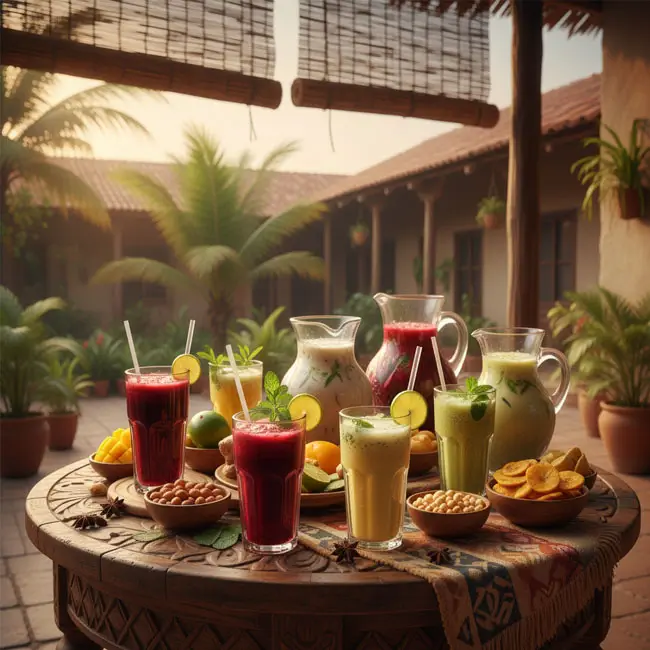
🍹 Taste the Refreshing Side of Ghana
When people think of Ghana, they often picture vibrant markets, warm sunshine, and lively music — but there’s another side of Ghanaian culture that deserves just as much attention: its refreshing, non-alcoholic drinks. In a country blessed with tropical fruits, fragrant spices, and natural herbs, beverages play a huge role in everyday life.
Ghanaian drinks are not just about quenching thirst. They are about balance — cooling the body, nourishing the system, and creating moments of togetherness. From homemade recipes passed down through families to street-side refreshments sold in reused bottles, these drinks reflect creativity, resilience, and a deep connection to nature.
🌍 The Cultural Roots of Ghanaian Beverages
🌞 Drinks Shaped by Climate and Lifestyle
Ghana’s warm climate strongly influences its beverage culture. With long sunny days and high temperatures, refreshing drinks are a daily necessity. Over generations, people learned how to turn local ingredients into cooling beverages that hydrate, energize, and soothe the body.
Instead of heavily processed options, traditional Ghanaian drinks rely on boiling, blending, soaking, and infusing — simple methods that preserve natural flavors. This approach results in drinks that feel light, clean, and deeply satisfying.
🏠 Home, Street, and Community
Drinks in Ghana are enjoyed everywhere:
• At home after a long day
• At markets while shopping
• At school, work, and community gatherings
Sharing a drink is a symbol of hospitality. Offering someone a chilled beverage is a quiet but powerful gesture of kindness and welcome.
🧺 From Market to Cup: Natural Ingredients
🍍 Fresh Produce at the Heart
Local markets are the backbone of Ghanaian drink culture. Vendors sell fresh fruits, ginger roots, dried hibiscus petals, mint leaves, and coconuts — often harvested just hours before.
Common ingredients include:
• Pineapple
• Mango
• Ginger
• Hibiscus (sobolo leaves)
• Tiger nuts
• Coconut
These ingredients are affordable, accessible, and deeply embedded in daily life.
🌿 Herbs and Spices with Purpose
Beyond flavor, many ingredients are chosen for how they make the body feel. Ginger warms and energizes, hibiscus cools and refreshes, and mint soothes. Ghanaian drinks are a natural response to the body’s needs.
🌺 Iconic Non-Alcoholic Ghanaian Drinks
🔴 Sobolo – Ghana’s Signature Refreshment
Sobolo is one of Ghana’s most recognizable drinks. Made from dried hibiscus petals, it has a deep red color and a tangy, slightly floral taste. It’s often infused with ginger, cloves, pineapple peels, or citrus for added depth.
Sobolo is enjoyed across all ages and occasions. You’ll see it served in homes, sold at roadside stalls, and offered at celebrations. Its bold color and refreshing taste make it instantly memorable.
More than just delicious, sobolo is appreciated for its natural benefits and cooling effect — perfect for hot afternoons.
🔥 Ginger Drink – Bold and Invigorating
Ginger drink is loved for its strong personality. Fresh ginger root gives it heat and aroma, while citrus or fruit balances the intensity.
This drink is commonly enjoyed in the morning or after meals. Many Ghanaians consider it a revitalizing drink — something that wakes up both body and mind.
It’s often homemade, stored in the fridge, and served cold in small cups or bottles.
🥥 Fresh Coconut Water – Nature’s Cooler
Coconut water is one of the simplest yet most beloved drinks in Ghana. Straight from the coconut, it’s lightly sweet, clean, and incredibly refreshing.
In coastal areas, coconut vendors skillfully open green coconuts and serve them on the spot. The experience is as much a part of Ghanaian street life as the drink itself.
Coconut water fits perfectly into Ghana’s natural, no-waste lifestyle — refreshing first, nourishing afterward.
🌰 Tiger Nut Milk – Creamy and Nourishing
Tiger nut milk, often called atadwe milk, is a creamy, naturally sweet drink made from soaked and blended tiger nuts. Despite the name, tiger nuts are actually small tubers, not nuts.
This drink is filling and smooth, often enjoyed as a breakfast drink or afternoon refreshment. Many people add dates, coconut, or spices to enhance the flavor.
Tiger nut milk is especially popular among those looking for plant-based, natural nourishment.
🌿 Lamugin – Herbal and Cooling
Lamugin is a refreshing herbal drink made from ginger, cloves, mint, and citrus. It has a clean, aromatic flavor and is often served cold.
It’s commonly prepared for family gatherings and community events. The combination of spices and herbs makes it both refreshing and comforting.
Lamugin reflects Ghanaian creativity — blending familiar ingredients into something uniquely satisfying.
🍍🍋 Fruit Juices – Tropical Simplicity
Fresh fruit juices are a daily pleasure in Ghana. Pineapple and mango are favorites, often blended alone or mixed with ginger or citrus.
These juices are bright, naturally sweet, and full of sunshine. They’re enjoyed at home, sold at juice bars, and served alongside meals.
Mixing fruits is common, allowing people to customize flavors based on taste and availability.
🕒 Everyday Life with Ghanaian Drinks
👨👩👧 Shared Moments
Drinks often mark moments of rest and connection. After school, after work, or during conversations, a shared drink brings people together.
Children grow up familiar with these flavors, associating them with comfort, home, and care.
🏪 Street Culture and Small Vendors
Many drinks are sold by small vendors who prepare them daily. These micro-businesses are an important part of local economies and community life.
Buying a drink from a street vendor is not just a transaction — it’s a social interaction.
🌱 Health and Wellness in Every Sip
💚 Naturally Nourishing
Traditional Ghanaian drinks align closely with modern wellness trends — long before those trends existed.
• Sobolo supports hydration and balance
• Ginger drink energizes and warms
• Coconut water replenishes naturally
• Tiger nut milk provides fiber and nutrients
These drinks are free from artificial colors and preservatives, relying instead on real ingredients.
🌍 A Sustainable Approach
Using local, seasonal ingredients reduces waste and supports farmers. Many drinks also reuse fruit peels and natural byproducts, reflecting a mindful approach to consumption.
✨ Modern Takes on Traditional Drinks
🧃 A New Generation of Creativity
Today, Ghanaian drinks are finding new expressions. Juice bars and home creators are experimenting with textures, blends, and presentations — without losing authenticity.
You’ll find chilled versions, blended variations, and creative combinations that appeal to younger audiences while honoring tradition.
❤️ Why Ghanaian Drinks Feel So Special
Ghanaian drinks are easy to love because they feel real. They’re not designed in factories — they’re crafted in kitchens, markets, and neighborhoods.
They remind us that refreshment doesn’t have to be complicated. With a few good ingredients and a little care, something wonderful can be created.
Each glass tells a story of land, culture, and people who value simplicity and sharing.
🇬🇭 Final Thoughts: Refreshment with Meaning
Ghana’s non-alcoholic drinks are a celebration of nature and community. They cool the body, nourish the soul, and bring people together.
From the deep red of sobolo to the creamy smoothness of tiger nut milk, every sip reflects Ghana’s warmth and generosity.
If you’re looking for drinks that feel natural, uplifting, and full of life, Ghanaian beverages offer exactly that — refreshment with heart.
❓ FAQ
Q1: What is the most popular non-alcoholic drink in Ghana?
A: Sobolo is the most widely loved, known for its refreshing taste and cultural importance.
Q2: Are Ghanaian drinks suitable for daily consumption?
A: Yes, most are made from natural fruits, herbs, and spices and are enjoyed daily.
Q3: Do Ghanaian drinks use artificial ingredients?
A: Traditional drinks focus on fresh, natural ingredients without artificial additives.
🍷 Taste of the Tropics: 3 Easy Homemade Ghanaian Drink Recipes (Non-Alcoholic)
| 🌐 🍷 < Back | 🇬🇭 🍨 < Previous | Next > 🍲 🇬🇭 |