
🏠 Home > 🗺️ Recipes > 🥪 Appetizers > 🇬🇹 Guatemala Appetizers
🇬🇹 🥪 Guatemala Appetizers Recipes
Published by Supakorn | Updated: February 2026
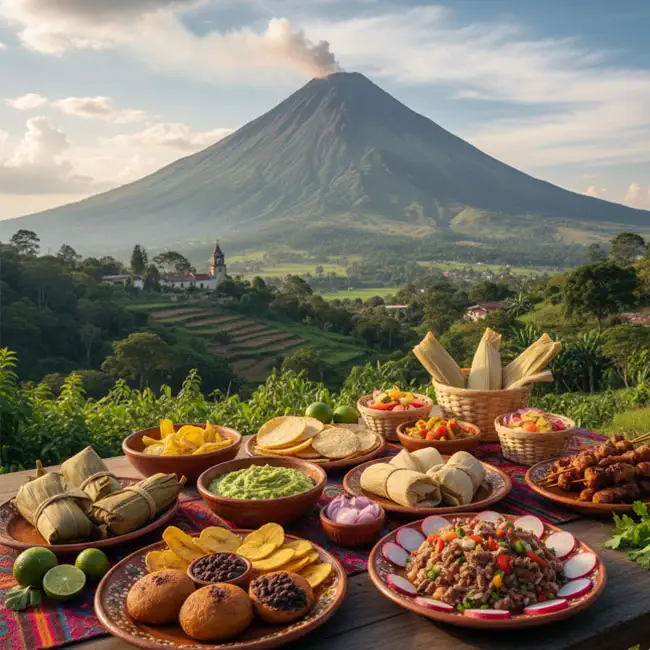
A Culinary Journey into the Heart of Central America
Hey there, fellow food adventurers! Are you ready to hop on a virtual flight with me and explore one of the most vibrant, flavor-packed culinary landscapes in Central America? I’m talking about Guatemala—the land of eternal spring, stunning volcanic landscapes, and, most importantly for us, absolutely mouthwatering food. Forget what you think you know about Latin American cuisine for a minute, because Guatemalan cooking is a beautiful, complex tapestry woven from indigenous Mayan traditions and Spanish colonial influences. It’s comforting, colorful, and built on staple ingredients that tell a story older than any cookbook.
Today, we're not diving straight into the heavy main courses. We're starting where the fun begins: with the appetizers! In Guatemala, these small bites—often called botanas or antojitos (little cravings)—are more than just a warm-up. They are the heart of social gatherings, the quick fuel for a bustling market day, and the perfect introduction to the country’s core flavors. They’re meant to be shared, savored, and often eaten right on the street or in the lively atmosphere of a local comedor. Get ready, because we’re peeling back the layers on this incredible culture, one delicious appetizer at a time.
🇬🇹 🌮 The Soul of Guatemalan Food Culture
To truly appreciate a Guatemalan appetizer, you need to understand the cultural context it comes from. This is a cuisine built on history, local geography, and the deep connection people have to the land. It’s a culture where food preparation is often a communal, multi-generational affair, particularly the process of transforming corn into masa (dough).
🌽 An Ingredient-Driven Identity
Guatemalan food is fundamentally based on three ancient, sacred ingredients—a holy trinity that has sustained the Mayan people for millennia: corn, beans, and squash.
• Corn (Maíz): This is the undisputed king. It’s not just an ingredient; it’s life itself. From breakfast to dinner, corn appears in countless forms, most famously as the base for tortillas, tamales, and, of course, many of our favorite antojitos. The process of nixtamalization (treating the corn with an alkaline solution) is a vital, ancient technique that makes the grain more nutritious and pliable, giving Guatemalan corn products their distinctive texture and flavor.
• Beans (Frijoles): Often served black or red, beans provide essential protein and are a staple pairing for almost every meal. They can be served whole, mashed, or volteados (refried into a thick, delicious paste). You'll find them tucked inside or smeared across many small bites.
• Chiles and Herbs: While Guatemalan food is flavorful, it’s not always about blistering heat like some other regional cuisines. The heat is usually moderate, focused more on the smoky, complex flavor profiles of chiles like chile guaque and chile zambo. Fresh herbs like cilantro, epazote, and mint are used liberally to brighten and deepen savory dishes.
This focus on foundational, fresh, and local ingredients means that Guatemalan food is incredibly hearty and grounding—even the small appetizers are satisfying!
🏘️ The Eating and Socializing Vibe
The way Guatemalans eat is just as important as what they eat. Appetizers, botanas, and street foods are intrinsically linked to social life and the rhythm of the day.
• The Comedor Experience: A comedor is a small, family-run restaurant, often operating out of the owner’s home. This is where you find the most authentic, home-style food, served quickly and affordably. Antojitos are often a feature, perfect for a quick lunch or an afternoon pick-me-up. The atmosphere is casual, friendly, and always bustling.
• The Thrill of Street Food: The street is perhaps the most exciting venue for Guatemalan appetizers. In every town and city, especially around parks (parques) or market entrances, you’ll find vendors selling fresh, hot, ready-to-eat snacks. This is the ultimate grab-and-go culture, where your food is cooked right in front of you and handed over on a small sheet of wax paper or a disposable plate. It's fast, fresh, and deeply satisfying.
• Sharing is Caring: In a group setting, ordering a few different plates of botanas to share is the norm. It encourages conversation and allows everyone to sample the rich variety of flavors available. It’s an act of community and connection, making the small bites truly feel like the glue of the social fabric.
🥟 🌽 Standout Stars: Must-Try Appetizers (Antojitos)
Now that we understand the ingredients and the vibe, let's talk about the specific appetizers that steal the show. These are the dishes that embody the soul of Guatemalan cuisine and are essential eating for any visitor or culinary enthusiast.
🍢 Tamalitos and Chuchitos: The Beloved Corn Pouch
You can’t talk about Guatemalan antojitos without mentioning the incredible world of tamales and their smaller cousins, chuchitos. These are arguably the most iconic examples of corn-based comfort food.
• Tamalitos de Chipilín: Tamalitos are generally smaller and simpler than their traditional tamal counterpart. They often feature chipilín, a nutritious and aromatic local herb with a distinct, slightly earthy flavor. The dough (masa) is mixed with chipilín and wrapped in a simple corn husk, then steamed. They are usually served with a dollop of fresh cream (crema) and a sprinkle of queso seco (dry cheese). They are light, savory, and perfect for dipping or eating alongside a main meal.
• Chuchitos: Think of a chuchito as a miniature, hearty tamal. They are packed with a thick, savory tomato and achiote-seasoned sauce, a piece of chicken or pork, and are famously wrapped in a corn husk (while traditional tamales are often wrapped in plantain leaves). Chuchitos are a little denser and richer, making them an incredibly satisfying appetizer or snack. They are often slathered with more sauce and sprinkled with cheese—pure culinary gold!
🥙 Dobladas and Taquitos: The Fried Perfection
For those who love a crispy, handheld snack, dobladas and taquitos are where it’s at. These are staples of street food and party appetizers alike, beloved for their satisfying crunch and savory fillings.
• Dobladas: These are essentially a Guatemalan version of empanadas, but often made with a thinner, less flaky dough. The dough is folded over a filling—usually potatoes, seasoned ground meat, or cheese—and deep-fried until golden and crispy. The name doblada literally means "folded," a simple description for such a delicious treat. They are commonly served with a spoonful of tangy curtido (a lightly fermented cabbage relish) or a fresh salsa.
• Taquitos: Not to be confused with the Mexican taquito (often called a flauta), the Guatemalan taquito is a small, rolled-up tortilla filled with seasoned meat, typically chicken or shredded beef. They are deep-fried until incredibly crunchy and served upright on a small plate, liberally covered with a vibrant sauce (often a tomato-based recado), finely chopped cabbage, cheese, and sometimes a hard-boiled egg slice. These are flavor bombs—a symphony of textures and temperatures!
🥔 Rellenitos: The Sweet and Savory Surprise
This appetizer is unique because it perfectly bridges the gap between a savory small bite and a sweet dessert, depending on how you look at it.
• Rellenitos de Plátano: The star here is the ripe plantain. Plantains are boiled until tender, then mashed into a soft, slightly sticky dough. This dough is then shaped into small patties, filled with a mixture of refried black beans, a hint of cinnamon, and sometimes a touch of chocolate or sugar. The patties are then lightly fried until the outside is warm and slightly crisp. The result is a delightful contrast: the sweetness of the plantain shell giving way to the rich, slightly savory bean filling. It's a truly ingenious and traditional antojito that you absolutely must try.
👩🍳 🌶️ Getting to Know the Essentials: Sauces and Sides
An appetizer is only as good as what you put on it! Guatemalan appetizers are rarely served naked. They are dressed up with incredible sauces, salsas, and pickled elements that provide the necessary moisture, tang, and spice to complete the flavor profile.
• Guacamol: While you may know guacamole from other cuisines, the Guatemalan version is often simpler, focusing on perfectly ripe avocados, a touch of onion, lime, and cilantro. It's used as a smooth, cool counterpoint to many fried or baked botanas.
• Curtido: This isn’t just a simple slaw; it’s a necessary acidic component. Curtido is a relish made of shredded cabbage, carrots, and sometimes onion, lightly pickled in vinegar. Its tanginess cuts through the richness of fried foods like dobladas and taquitos, balancing the dish beautifully.
• Pico de Gallo: A classic fresh salsa, made with finely diced tomato, onion, cilantro, and lime juice. It adds a fresh, raw element and a pop of color to everything it touches.
• Crema: Not sour cream! Guatemalan crema is a thinner, richer, and less acidic cream that is often drizzled over savory dishes like tamalitos and taquitos. It adds a luxurious texture and a mild dairy note that binds the other flavors together.
🧺 🍽️ The Living and Eating Experience: More Than Just Food
Eating antojitos in Guatemala is a lived experience that connects you directly to the country's heritage. The simplicity of the settings—a worn wooden table at a comedor, a bench near a park, or standing by a street cart—belies the complexity and depth of the flavors being served.
The culinary landscape here has remained remarkably resilient, preserving cooking techniques like using a piedra de moler (grinding stone) and comal (griddle) that date back thousands of years. When you bite into a tamalito, you’re not just eating a snack; you're participating in a continuous history that celebrates the bounty of the land and the ingenuity of the Mayan people. It’s a cuisine that prioritizes warmth, nourishment, and making the most of readily available, fresh ingredients. The appetizers, in their unassuming size, are perfect examples of this philosophy: they are hearty, fulfilling, and deeply respectful of their traditional components. They are food that grounds you, reminding you that sometimes, the simplest things are truly the best.
So, the next time you're looking for an appetizer that offers a little more than a quick bite—a little history, a lot of heart, and a huge depth of flavor—look to the botanas of Guatemala. They are waiting to welcome you into their vibrant, delicious world.
❓ FAQ: Your Guatemalan Appetizer Questions Answered
Q1: What is the main difference between a Guatemalan tamal and a chuchito?
A: The primary difference lies in their size, filling, and wrapping. A traditional Guatemalan tamal is generally larger, filled with a richer sauce (often recado rojo or pepián), and is typically wrapped in plantain leaves, which impart a distinct flavor. A chuchito is smaller, denser, and typically wrapped in corn husks. Chuchitos usually contain a simple, thick tomato and meat sauce, making them more of a substantial, handheld snack than a full meal component.
Q2: What does the term antojitos mean, and how is it used in Guatemala?
A: The Spanish word antojito translates literally to "little craving." In Guatemala, the term is used broadly to describe small, savory snacks or street foods that satisfy a quick craving, especially between meals. This category includes everything from dobladas and taquitos to rellenitos and small pupusas (though pupusas are more strongly associated with El Salvador, they can sometimes be found). They are integral to the culture of casual, social eating.
Q3: Are Guatemalan appetizers generally spicy, or are they mild?
A: Guatemalan cuisine, including its appetizers, is generally considered flavorful but mild compared to the high heat often found in parts of Mexican or Thai cuisine. The focus is on the deep, smoky, complex flavors of chiles like chile guaque and chile zambo rather than pure capsaicin heat. Spiciness is usually added via side salsas, which allows the eater to control the level of heat. The recados (sauces) that form the base of many dishes prioritize earthiness and aroma over simple spice.
🥪 Authentic Guatemalan Snacks: The Best Recipes for Your Next Fiesta
👉 Discover 3 Family Guatemala Appetizers
| 🌐 🥪 < Back | Next > 🍝 🇬🇹 |