🏠 Home > 🗺️ Recipes > 🍨 Desserts > 🇬🇹 Guatemala Desserts
🇬🇹 🍨 Guatemala Desserts Recipes
Published by Supakorn | Updated: February 2026
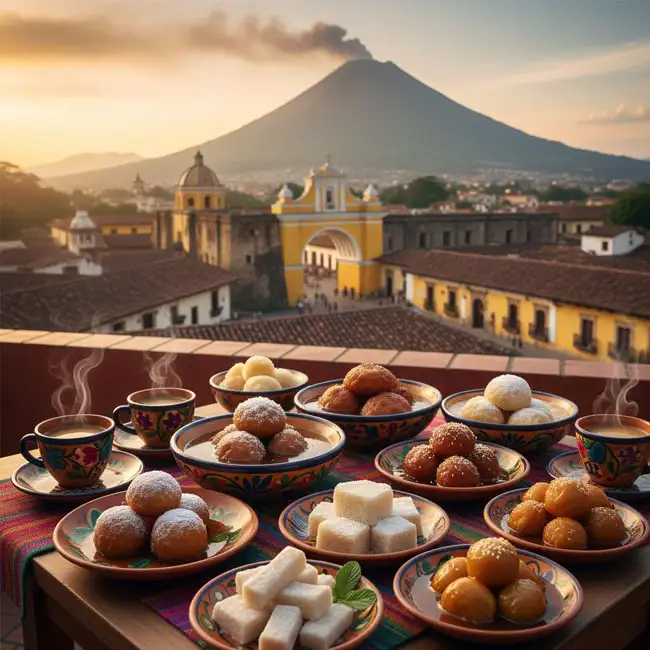
A Deep Dive into Central America’s Sweetest Treats
Hello again, dessert devotees and culinary explorers! If you thought the savory appetizers of Guatemala were a treat, hold onto your hats, because we are about to journey into the land of Guatemalan desserts—a world of incredible sweetness, comforting textures, and deep-rooted tradition. Just like the savory side of their cuisine, Guatemalan postres (desserts) are a harmonious blend of ancient Mayan staples and European influence, primarily from Spain. They are colorful, often incredibly rich, and tell a beautiful story of cultural fusion.
In Guatemala, desserts aren't just an afterthought; they are an essential part of celebrations, religious holidays, and daily life. You’ll find them everywhere—from elaborate baked goods in city panaderías (bakeries) to rustic, homemade favorites sold by street vendors in bustling local markets. They embody the country’s spirit: warm, generous, and utterly delightful.
Ready to explore the main ingredients, the standout sweets, and the wonderful cultural context of enjoying these postres? Let’s dive in and satisfy that sweet tooth!
📜 🍯 The Cultural Cornerstone of Guatemalan Sweets
To truly understand a Guatemalan dessert, you need to appreciate the pantry it comes from. Unlike some Western desserts built on butter and wheat flour, these sweets rely heavily on local, readily available products, making them uniquely flavorful and textured.
🥭 The Star Ingredients and Local Flavors
Guatemalan desserts draw their primary character and sweetness from ingredients that thrive in the country’s varied climate:
• Sugar Cane and Brown Sugar (Panela): The availability of sugar cane is key. Many traditional desserts are sweetened not with refined white sugar, but with panela (or rapadura), which is unrefined, whole cane sugar pressed into blocks. Panela imparts a deep, molasses-like richness and caramel flavor that is irreplaceable in many recipes.
• Plantains and Bananas (Plátanos): The abundance of these tropical fruits means they are utilized in countless ways, both savory and sweet. When fully ripe, the natural sugars in plantains caramelize beautifully, providing a dense, satisfying base for many dessert preparations.
• Corn (Maíz): Yes, the king of the savory world also plays a role in desserts! Corn flour or masa is used as a thickener and base for sweet beverages and puddings, lending a creamy, earthy texture that is uniquely Central American.
• Spices: Cinnamon (canela) is arguably the most essential spice, featuring prominently in nearly every sweet dish and drink. Cloves, allspice, and sometimes a hint of nutmeg are also used to create that deep, cozy, warming flavor profile that defines so many traditional postres.
⛪ A Tradition of Holiday and Festive Sweets
In Guatemala, many of the most famous and elaborate desserts are tied to religious or community holidays, particularly Christmas, Easter (Semana Santa), and the Day of the Dead (Día de Muertos).
• Semana Santa Specials: During Holy Week, you’ll find complex, often syrup-drenched sweets. Preparing these desserts can be an all-day affair, a loving tradition that brings families together in the kitchen. The slow cooking and layering of flavors reflect the solemnity and importance of the occasion.
• Street Market Treats: Everyday desserts are often sold ready-made at stalls in local markets. These are designed to be affordable and easily consumed on the spot, providing a quick burst of energy and sweetness to shoppers and vendors alike. They embody the practical, yet indulgent, side of Guatemalan life.
• Communal Enjoyment: Like the savory antojitos, desserts are a point of social connection. Sharing a plate of sweet buñuelos or a cup of warm atole is an act of friendship and hospitality. It’s all about slowing down, enjoying the company, and savoring the moment.
🍩 🍮 The Sweetest Stars: Must-Try Guatemalan Desserts (Postres)
The variety of Guatemalan sweets is staggering, ranging from crunchy fried dough to spoon-ready puddings and preserves. Here are some of the most essential postres you need to know about.
🥭 Rellenitos de Plátano: The Iconic Sweet Handheld
While we touched on these in the appetizer section, the rellenito is so versatile and often leans so sweet that it deserves primary billing among desserts.
• The Concept: As a reminder, the base is a dough made from perfectly ripe (often black-skinned) boiled plantains, mashed and sweetened. It's then filled with a small amount of refried black beans that have been seasoned with cinnamon, a bit of sugar, and sometimes a dash of chocolate.
• The Experience: They are lightly fried, giving them a slight crust. The magic is in the contrast: the creamy, sweet plantain against the subtly savory, spiced bean filling. It’s a genius use of local staples, creating a dessert that is dense, comforting, and deeply satisfying. It's truly unique to Central America and a perfect example of blending indigenous ingredients with a sweet tooth.
🍮 Mole de Plátano: A Sauce That Elevates
This is an absolute must-try—a dessert that showcases the complex, savory-sweet profile that defines much of traditional Guatemalan cooking.
• The Dish: This is a plate of thick slices of fried, ripe plantain (the same kind used for rellenitos), smothered in a thick, rich sauce called mole. But this isn't just any mole!
• The Sauce: The mole for this dish is a dark, complex blend of tomatoes, various types of chiles (like chile pasa or chile guaque for flavor, not heat), pumpkin seeds (pepitoria), sesame seeds, and, crucially, chocolate and cinnamon. The resulting sauce is intensely nutty, subtly smoky, slightly spicy, and wonderfully sweet.
• The Delight: The warm, sweet, mushy plantain soaked in the luxurious, textured mole creates an unparalleled taste sensation. It’s an ancient recipe that perfectly balances all five major flavor profiles—sweet, salty, bitter, sour, and umami—in one remarkable dessert.
🥣 Buñuelos and Torrejas: Fried Dough Delights
Every culture has its version of fried dough, and Guatemala is no exception. These are especially popular during holiday seasons.
• Buñuelos: These are airy, light, fluffy fritters made from a yeast-leavened wheat dough. They are deep-fried into golden spheres and then doused in a warm, cinnamon-infused syrup often made with panela. They are typically served drenched in this syrup, making them wonderfully sticky and decadent—a true comfort food often enjoyed during the Christmas season.
• Torrejas: Similar to French toast or bread pudding, torrejas involve thick slices of sweet bread or rolls soaked in milk, egg, and cinnamon, then lightly fried until golden. Like buñuelos, they are then submerged in a deep, rich, spiced panela syrup. They are soft, sweet, and incredibly satisfying, a staple of Semana Santa (Holy Week).
🥥 Cocadas and Canillitas de Leche: Simple Candy Classics
These are the simple, satisfying candies and sweets you find year-round at markets and roadside stands—perfect for a quick sugar fix.
• Cocadas: These are coconut candies, but unlike the dry, chewy bars found elsewhere, the Guatemalan version is often moist and almost fudge-like, made by cooking shredded coconut with plenty of sugar (or panela), sometimes a little milk, and food coloring to give them vibrant pink, green, or yellow hues. They are firm enough to hold their shape but still tender to chew.
• Canillitas de Leche: These are a classic example of dulces de leche (milk sweets). They are small, cylindrical candies made from simmering milk and sugar until they crystallize into a crumbly, fudgy texture. They are intensely sweet, milky, and melt delightfully in your mouth, often flavored simply with vanilla or cinnamon.
🍽️ ☕ The Sweet Rituals: How and Where Guatemalans Enjoy Postres
The setting and timing of a sweet treat are key to the Guatemalan dining experience. Desserts are not always just for the end of a big meal; they are often the reason for a social gathering.
🏡 From the Panadería to the Home Kitchen
• The Bakeries: Guatemalan panaderías are treasures. They offer a vast array of sweet bread, pastries, and small cakes (pasteles) often sold by weight. These are perfect for the afternoon coffee break (la hora del café). The pastries themselves are often less buttery than European counterparts, relying more on yeast and simple sugar glazes.
• Afternoon Coffee Culture: The coffee break is a sacred time. Often, the day's main sweet indulgence happens here. A fresh piece of pan dulce (sweet bread) or a few canillitas are enjoyed with a strong, aromatic cup of local coffee. This ritual is a moment to pause, relax, and connect with family or colleagues.
• Street-Side Stands: For the warmest, freshest experience, you can't beat the street vendors. Often specializing in just one or two items, like buñuelos or atol de elote (a sweet corn drink), these vendors provide a quick, delicious, and highly atmospheric dessert experience. The food is made in small batches and served hot—the ultimate comfort.
🌽 Sweet Drinks: Atole and Licuados
Sometimes the dessert is a drink, offering nourishment and warmth along with sweetness.
• Atole: This is a hot, thick, corn-based beverage. While it can be savory, the sweet versions are popular postres. Atol de Elote (sweet corn) is rich, creamy, and infused with cinnamon, tasting like warm liquid corn pudding. Atol Blanco is a simpler, unflavored version often served with a dusting of sugar and cinnamon. It’s the perfect, filling treat for a cool evening.
• Licuados and Jugos: Throughout the day, blended fruit drinks (licuados or jugos) are a natural sweet indulgence. Using fresh tropical fruits like mango, pineapple, papaya, or marañón (cashew fruit), these are blended with milk or water and sometimes a little panela, offering a refreshing, natural sweetness.
In essence, Guatemalan desserts are a beautiful culmination of history, tradition, and tropical bounty. They represent the country's innate ability to take simple, fundamental ingredients—corn, plantains, panela—and transform them into postres that are complex, satisfying, and utterly unforgettable. They invite you to sit down, slow down, and taste the sweet heart of Central America.
❓ FAQ: Your Guatemalan Dessert Questions Answered
Q1: Is Guatemalan dessert generally based on chocolate?
A: While chocolate originated in Central America and is a traditional ingredient in Guatemala (especially in mole sauces and ceremonial drinks), most everyday Guatemalan desserts are not primarily based on chocolate. Instead, they rely heavily on the sweetness of panela (brown sugar), cinnamon, and tropical fruits like plantains, mangoes, and coconut. Chocolate is certainly present in high-end sweets and the classic Mole de Plátano, but it is not the main foundation for the majority of postres.
Q2: What is the significance of panela in Guatemalan sweets?
A: Panela, or unrefined whole cane sugar, is highly significant. It serves as the primary sweetener in traditional recipes, distinguishing Guatemalan sweets from those relying on white, refined sugar. Panela imparts a much richer, deeper caramel or molasses flavor and a more golden color. Its use reflects the country's agricultural heritage and commitment to less-processed, deeply flavorful foundational ingredients.
Q3: Are there any specific Guatemalan desserts tied to the Day of the Dead (Día de Muertos)?
A: Yes, one of the most famous dishes tied to the Day of the Dead (November 1st) is Fiambre, which is a savory chilled salad, but on the sweet side, many families prepare large batches of dulces de temporada (seasonal sweets). These often include candied fruits and vegetables like sweet potato (camote), squash (ayote), or chilacayote, all slow-cooked in a rich panela syrup. These sweets are often placed on altars as offerings for deceased loved ones.
🍨 Authentic Guatemalan Sweets: Delicious Recipes for Your Next Family Gathering
👉 Indulge 3 Everyday Guatemala Desserts
| 🌐 🍨 < Back | 🇬🇹 🍝 < Previous | Next > 🍷 🇬🇹 |