
🏠 Home > 🗺️ Recipes > 🍲 Soups > 🇬🇼 Guinea-Bissau Soups
🇬🇼 🍲 Guinea-Bissau Soups Recipes
Published by Supakorn | Updated: February 2026
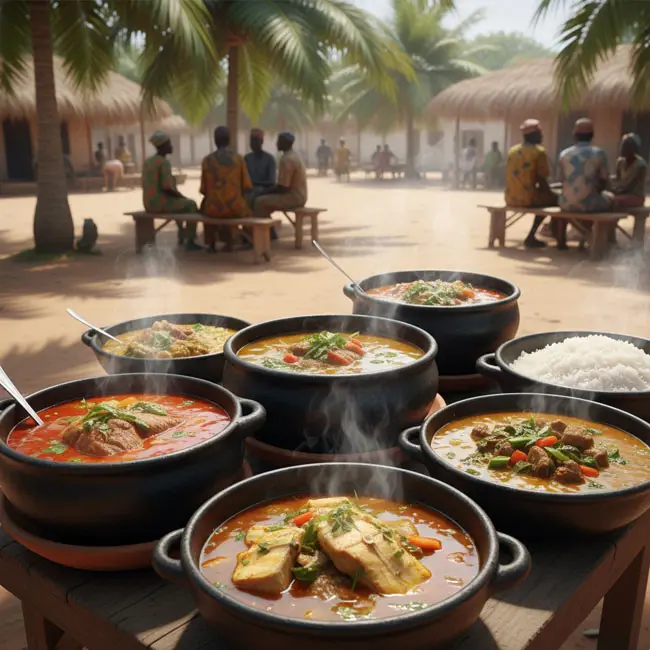
💥🌍 A Deep Dive into the Soulful Caldos of West Africa
If there’s one place where Guinea-Bissau truly speaks through food, it’s in its soups—locally known as caldos. These aren’t quick broths or light starters. They are slow-cooked, deeply layered stews that anchor daily meals and family gatherings alike.
In many homes, a pot of caldo sits gently bubbling for hours, filling the kitchen with nutty, earthy aromas. These soups are not just nourishment; they’re a form of storytelling, passed down through generations, shaped by geography, climate, and community.
To understand Guinea-Bissau cuisine, you start with the caldos.
🧭 The Culinary Crossroads: Why Guinea-Bissau’s Soups Deserve Your Attention
Guinea-Bissau sits at a fascinating crossroads of culinary identity. Indigenous West African cooking methods blend seamlessly with Portuguese culinary language, while local ingredients—peanuts, palm products, rice, and seafood—take center stage.
Unlike many Western soups, Guinea-Bissau caldos are:
• Thick and hearty
• Built to be eaten with rice
• Designed to feed many
They’re meals in themselves, not side dishes.
Each caldo reflects practicality and patience. Ingredients are layered slowly, flavors deepen over time, and nothing is rushed. These soups are about sustaining families, honoring ingredients, and cooking with intention.
🌾 The Trinity of Flavor: Core Ingredients in Guinea-Bissau Caldos
Every great caldo starts with a familiar trio—ingredients that define both flavor and identity.
🥜 1. Mancarra (Peanuts): The Creamy Foundation
Peanuts, known locally as mancarra, are the backbone of Guinea-Bissau’s most iconic soups.
Used ground or blended, peanuts create a rich, velvety base that thickens naturally and delivers deep, savory flavor. Unlike dairy-based creams, peanut richness feels earthy and satisfying rather than heavy.
This ingredient reflects agricultural pride—peanuts are widely grown and deeply valued across the country.
🌴 2. Palm Oil and Palm Fruit: Color, Aroma, and Depth
Palm products give Guinea-Bissau caldos their unmistakable character.
Palm oil brings warmth, color, and aroma, while palm fruit extracts form the base of some of the most traditional soups. These ingredients connect the food directly to the land and local harvesting practices.
The result is flavor that feels bold, rustic, and unmistakably West African.
🐟 3. Coastal Proteins: Fish and Shellfish
With the Atlantic Ocean nearby, seafood naturally plays a starring role.
Fish, shrimp, and oysters appear frequently in caldos, adding gentle brininess that balances rich peanut or palm-based sauces. These proteins are accessible, fresh, and woven into everyday cooking.
Seafood-based caldos often feel lighter, but no less satisfying.
🍲 The Big Three: Essential Guinea-Bissau Caldos You Must Know
These soups define Guinea-Bissau’s culinary identity. Each one highlights a different facet of local cooking.
🥄 Caldo de Mancarra: The National Peanut Stew
This is Guinea-Bissau’s most famous dish—and for good reason.
Caldo de Mancarra is thick, creamy, and deeply comforting. Built around peanuts, it’s often paired with chicken or seafood and always served with rice.
The flavor is beautifully balanced:
• Nutty and savory
• Gently spicy
• Brightened with citrus
It’s a dish that feels both humble and celebratory—common enough for daily meals, yet special enough for guests.
🌺 Caldo de Chabéu: Palm Fruit Stew with Roots
Caldo de Chabéu is a more rustic, deeply traditional soup that reflects rural and regional cooking.
Made from palm fruit extract, this caldo is rich in color and earthy in flavor. It often includes hearty vegetables and proteins that make it incredibly filling.
This soup is closely tied to heritage and seasonal cooking. Preparing it is a labor of love, usually reserved for family gatherings or special occasions.
🦪 Pitche-Patche: Coastal Oyster Soup
Pitche-Patche highlights Guinea-Bissau’s coastal influence.
This soup is lighter and more broth-forward than peanut or palm stews, often featuring oysters or shellfish. Tomatoes, onions, and subtle spices create a clean, ocean-inspired flavor profile.
Some versions include pounded rice, which gently thickens the soup and adds texture—an example of local ingenuity at work.
🔥 Cooking Philosophy: How Guinea-Bissau Caldos Come Together
Even without diving into recipes, understanding the cooking mindset is key.
🍳 Refogado: The Flavor Base
Everything begins with a slow sauté of onions, garlic, and chili. This step builds the foundation of flavor and should never be rushed.
🍋 Balance Through Acidity
Rich stews rely on contrast. Citrus—often added near the end—brings brightness and lifts heavy flavors.
🌶️ Heat with Respect
Spice is present but controlled. Heat enhances rather than dominates, allowing the main ingredients to shine.
🍚 Rice Is Not Optional: The Essential Companion
No Guinea-Bissau caldo stands alone.
Rice serves as:
• A neutral base
• A texture contrast
• A way to stretch meals for families
The stew is spooned generously over rice, creating a complete, deeply satisfying dish.
🌱 Beyond the Classics: Greens, Tubers, and Everyday Caldos
Beyond the famous soups, daily cooking includes a wide variety of vegetable-forward caldos.
🥬 Leafy Green Stews (Cití & Cassava Leaves)
Soups made with potato leaves or cassava leaves are common and nutrient-dense. These caldos are thick, earthy, and often enjoyed throughout the week.
🍠 Root Vegetables as Natural Thickeners
Cassava, yams, and sweet potatoes break down during cooking, thickening the stew naturally and adding subtle sweetness.
These everyday caldos reflect practicality and sustainability—nothing wasted, everything valued.
🏠 Caldos and Community: How Soups Fit into Daily Life
In Guinea-Bissau, soups are social food.
• Cooked in large pots
• Shared among family and neighbors
• Eaten slowly and communally
A caldo is rarely rushed. It’s meant to be enjoyed together, often accompanied by conversation and connection.
🌍 Why Guinea-Bissau Soups Matter for Food Lovers & Creators
From a culinary and perspective, Guinea-Bissau caldos are incredibly valuable.
• Underrepresented online
• Rich in cultural storytelling
• Accessible ingredients worldwide
They offer depth, authenticity, and meaning—qualities modern food audiences crave.
❓ FAQ: Guinea-Bissau Soups Explained
Q1: Are Guinea-Bissau soups always spicy?
A: Not always. Heat is present but adjustable and often added gently.
Q2: Are caldos soups or stews?
A: They’re closer to stews—thick, hearty, and served with rice.
Q3: What makes Caldo de Mancarra unique?
A: Its deep peanut base combined with seafood or chicken and citrus balance.
✨ Final Thoughts: The Heart of Guinea-Bissau in a Pot
Guinea-Bissau soups are not just recipes—they’re expressions of identity.
Each pot tells a story of land and sea, patience and generosity. From the creamy comfort of Caldo de Mancarra to the earthy depth of Caldo de Chabéu and the coastal brightness of Pitche-Patche, these caldos reveal the true soul of Bissau-Guinean cooking.
If you want to understand Guinea-Bissau, start with a spoon—and take your time. 🍲🌍
🍲 West African Warmth, Fast: 3 Quick & Simple Guinea-Bissau Soups
| 🌐 🍲 < Back | 🇬🇼 🍷 < Previous | Next > 🥗 🇬🇼 |