🏠 Home > 🗺️ Recipes > 🍨 Desserts > 🇬🇳 Guinea Desserts
🇬🇳 🍨 Guinea Desserts Recipes
Published by Supakorn | Updated: March 2026
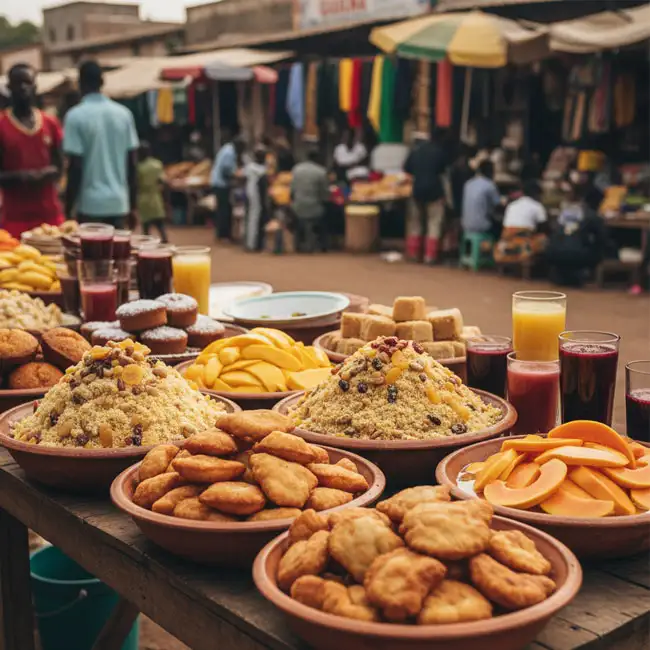
If you’ve got a sweet tooth and a passion for exploring the world through your taste buds, you are in for a massive treat. When we think of West African food, we often jump straight to the spicy Jollof rice or the savory peanut stews. But let me tell you, Guinea (Conakry) has a hidden world of desserts and sweet snacks that are absolutely legendary.
In Guinea, "dessert" isn't always a formal course served on a silver platter at the end of a fancy meal. Instead, it’s a lifestyle. It’s the burst of sugar from a perfectly ripe mango, the creamy comfort of a chilled grain pudding, or a crunchy peanut brittle shared between friends during a long afternoon chat. Today, we’re diving deep into the sugary heart of Guinean culture—no apron required (yet!), just a big appetite for discovery.
🍯 The Sweet Philosophy: How Guinea Does Sugar 🇬🇳 🍨
Before we list the star players, we have to talk about why Guinean sweets taste the way they do. The flavor profile here isn't about artificial syrups or heavy chocolate. It’s built on three pillars: Grains, Dairy, and Fruit.
🥥 Natural Over Artificial
Because Guinea is blessed with a lush, tropical climate, the "sugar" usually comes straight from the source. We’re talking about pineapples so sweet they taste like candy and bananas that are creamy enough to be ice cream. In many Guinean homes, a bowl of sliced, chilled seasonal fruit is the ultimate dessert.
🥛 The Love for "Lait Caillé" (Curdled Milk)
In the mountainous Fouta Djallon region, the Fulani (Peul) people have a rich heritage centered around cattle. This means high-quality dairy is a staple. Many traditional desserts use fermented milk or yogurt bases, giving them a tangy, refreshing edge that balances out the sweetness. It’s healthy, filling, and incredibly cooling in the West African heat.
🌾 Grain-Based Goodness
Millet and couscous aren't just for savory sides. In Guinea, these grains are steamed to perfection and transformed into sweet, pudding-like delicacies. It’s a brilliant way to turn humble pantry staples into something celebratory.
🍨 Iconic Guinean Sweet Treats to Dream About
If you find yourself wandering the vibrant markets of Conakry or sitting down for a family feast, these are the names you’ll hear. These are the heavy hitters of the Guinean dessert world.
🥣 1. Thiakry (The King of Puddings)
If Guinea had a national dessert, Thiakry (also spelled Chakery) would likely wear the crown. It’s a creamy, chilled dessert made from millet granules (couscous) mixed with sweetened yogurt or sour cream.
• The Vibe: Imagine a cross between rice pudding and a sophisticated yogurt parfait.
• The Extras: It’s often flavored with nutmeg, vanilla, or even a splash of orange blossom water. Some people love adding raisins or coconut flakes for extra texture. It’s cold, refreshing, and deeply satisfying.
🥜 2. Kongodo (Peanut Brittle / Candy)
Guinea is a major producer of groundnuts (peanuts), so naturally, they turned them into candy. Kongodo is a crunchy, hard candy made by caramelizing sugar and folding in roasted peanuts. It’s the ultimate "pocket snack." You’ll see kids and adults alike munching on these shards of nutty caramel throughout the day. It’s simple, but highly addictive!
🥯 3. Doni (Guinean Sweet Fritters)
While often eaten as a snack or breakfast, Doni definitely hits the dessert spot. These are small, deep-fried dough balls. Unlike Western donuts, they aren't usually filled with cream; instead, the sweetness is cooked right into the dough (sometimes using mashed overripe bananas or just a good helping of sugar). They are crispy on the outside, chewy on the inside, and perfect when paired with a bit of honey.
🍍 4. Fresh Fruit Salads with a Twist
In Guinea, fruit is an art form. A dessert platter might feature:
• Papaya drizzled with fresh lime juice to make the flavor pop.
• Mangoes sliced into "hedgehogs."
• Pineapples so juicy they literally melt in your mouth.
The "twist" often comes from a sprinkle of ginger or a side of roasted peanuts to add a savory crunch to the juicy fruit.
🌴 The Cultural Context: Eating and Living in Guinea
To understand the desserts, you have to understand the rhythm of life in Guinea. It’s a country that moves to the beat of community and seasons.
🤝 The "Sharing" Culture
In many Guinean households, food is served communally. While desserts like Thiakry might be served in individual bowls, dry sweets like Kongodo or fried fritters are usually placed in a large central bowl. Sharing a sweet treat is a sign of friendship and peace. If you have a bowl of sweets, you must offer some to whoever walks through your door.
☀️ Beating the Heat
Because Guinea is tropical, desserts serve a functional purpose: cooling you down. That’s why you’ll find so many dairy-based sweets served chilled. After a spicy meal of Jollof or Maffi, a cold Thiakry acts like a fire extinguisher for your palate.
🕌 Celebrations and Holidays
During religious festivals like Eid al-Fitr (at the end of Ramadan), the dessert game goes into overdrive. This is when families prepare the "good stuff"—massive batches of Thiakry, special honey-drenched cakes, and plenty of sweet ginger juices. It’s a time when the whole neighborhood smells like caramelized sugar and spices.
🥥 Common Ingredients in the Guinean Sweet Pantry
If you wanted to stock your kitchen like a Guinean dessert chef, here is what you would need:
• Millet & Sorghum: The base for many traditional puddings.
• Baobab Fruit: The pulp of the baobab fruit is often used to flavor sweets. It has a tangy, citrusy taste and is packed with vitamins.
• Honey: Used as a natural sweetener long before refined sugar became common.
• Ginger: Not just for savory food! Ginger adds a warm, spicy glow to many fruit-based desserts.
• Coconut Milk: Used to add richness to porridges and cakes.
🚶♂️ The Street Food Sweet Crawl
If you’re a tourist in Conakry, the best way to experience desserts is on your feet. Street vendors, often women with impressive balance carrying large trays on their heads, sell the freshest treats.
You might find someone selling frozen hibiscus or ginger "pouches"—basically natural popsicles tied in small plastic bags. You bite a corner off and suck out the sweet, icy nectar. It’s the most authentic way to stay cool while navigating the bustling markets.
💡 Why You Should Try Guinean Desserts
Aside from being delicious, Guinean sweets are:
1.Less Processed: Most use whole grains and fresh fruits rather than refined flours and artificial dyes.
2.Unique Textures: The use of millet granules gives a "pop" and chew that you won't find in smooth Western puddings.
3.Perfectly Balanced: They rarely use "cloying" sweetness. Instead, they balance sugar with acidity (lime/baobab) or saltiness (peanuts).
🧐 Frequently Asked Questions (FAQ)
❓ 1. Is Thiakry gluten-free?
Traditionally, yes! Thiakry is made from millet, which is a naturally gluten-free grain. However, if you are buying pre-packaged mixes, always check the label to ensure no wheat flour was added as a filler.
❓ 2. Can I make these desserts vegan?
Absolutely. While many Guinean desserts use cow’s milk or yogurt, you can easily swap them for coconut milk or cashew yogurt. In fact, many coastal Guinean sweets already use coconut as a primary fat source!
❓ 3. How sweet are Guinean desserts compared to Western ones?
Generally, they are less sweet. Guineans tend to let the natural flavor of the grain or fruit shine through. You won't find the "sugar crash" intensity of a fudge brownie here; it’s more about subtle, layered sweetness.
❓ 4. What is the best fruit to eat in Guinea?
While subjective, the Guinean Mango is world-renowned. During mango season (roughly April to June), the variety and sweetness are unmatched. It’s often considered the "default" dessert for millions of people.
🍨 Sweeten Your Weeknight: 3 Fast Guinean Desserts the Family Will Love
👉 Make 3 Weeknight Guinean Desserts
| 🌐 🍨 < Back | 🇬🇳 🍝 < Previous | Next > 🍷 🇬🇳 |