🏠 Home > 🗺️ Recipes > 🥘 Sauces > 🇬🇳 Guinea Sauces
🇬🇳 🥘 Guinea Sauces Recipes
Published by Supakorn | Updated: March 2026
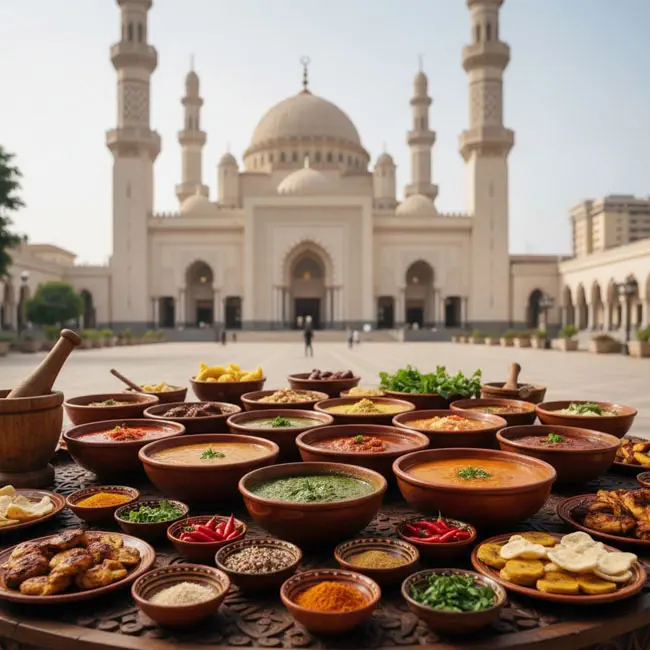
If you’re the kind of person who believes that the "magic" of a meal is all in the gravy, then welcome to your spiritual home. In Guinea (Conakry), the sauce isn't just a condiment—it is the meal. You could have a mountain of perfectly steamed rice or a pile of pounded yams, but without the "Sauce," it’s just a blank canvas waiting for an artist.
Guinean sauces are thick, vibrant, and packed with layers of flavor that tell a story of the land. They represent a beautiful marriage between the earth (leafy greens and root veggies) and the sea (fresh and smoked fish). Whether you're sitting in a bustling "Maquis" in the heart of Conakry or at a quiet family table in the Fouta Djallon mountains, the sauce is what brings everyone together. Let's peel back the lid of the pot and see what's simmering inside!
🍯🌶️ The Culinary Soul: Why Sauces Matter in Guinea 🇬🇳 🥘
In Guinean culture, the "sauce" (often referred to as Maffi in the Susu or Pular languages) is the ultimate test of a cook’s skill. It’s not about quick fixes; it’s about the slow transformation of simple ingredients into something complex and soul-warming.
🏠 A Communal Way of Life
If you visit Guinea, you won’t see people eating separate plated meals very often. Instead, you’ll see the "Grand Bol" (The Big Bowl). A massive base of rice is laid down, and the sauce is poured directly into the center, saturating the grains. Everyone sits around the bowl, and the act of eating becomes a rhythmic, shared experience. It’s about more than just calories—it’s about peace, conversation, and community.
🌿 The Green Gold and Red Oil
Two things define the look and taste of a Guinean sauce: Leafy Greens and Red Palm Oil.
• Red Palm Oil: This isn't the processed stuff you find in snacks. This is raw, unrefined palm oil that tastes nutty and earthy. It gives the sauces a stunning orange-red hue and a silky mouthfeel.
• Leaves: Guineans are masters of utilizing greens—sweet potato leaves, cassava leaves, and spinach are all chopped and simmered until they become a savory, melt-in-your-mouth paste.
🥘 Iconic Guinean Sauces You Have to Know
Every region in Guinea has its favorite, but these four are the undisputed champions of the national dinner table.
🥜 1. Maffi Tigadeguena (The Peanut Powerhouse)
This is the one most people fall in love with first. Maffi Tigadeguena is a rich, creamy sauce made from groundnut (peanut) paste.
• The Vibe: Think of the most savory, spicy peanut butter you’ve ever had, then turn it into a stew.
• The Secret: It usually involves beef or lamb and a variety of root vegetables like carrots and potatoes. The oil from the peanuts rises to the top during the slow-cooking process, which is exactly where all the flavor lives!
🍃 2. Sauce Feuille (The Leafy Legend)
This is the true "comfort food" of Guinea. It’s made by finely shredding sweet potato leaves or cassava leaves.
• The Flavor: It’s incredibly earthy. When combined with smoked fish and palm oil, it creates a deep, umami-rich flavor that is totally addictive.
• The Kick: It’s almost always served with a side of "Piment" (hot chili) to cut through the richness of the greens.
🍅 3. Sauce Tomate (The Versatile Classic)
Don't let the name fool you—this isn't your average Italian pasta sauce. Guinean Sauce Tomate is fried down until the tomatoes lose their acidity and become sweet and concentrated. It’s often loaded with chunks of fried fish or "Konkoé" (smoked catfish), making it a smoky, spicy delight that pairs perfectly with white rice.
🦀 4. Sauce Gombo (The Silky Okra Sauce)
For those who love a bit of texture, Sauce Gombo (Okra Sauce) is a masterpiece. The okra is chopped or grated, creating a "draw" (a slightly viscous texture) that helps the sauce cling to every grain of rice or piece of foutou. It’s often packed with seafood like crabs and shrimp, making it a luxurious coastal favorite.
🏺 The Secret Ingredients of the Guinean Kitchen
What makes these sauces taste so "Guinean"? It’s all about the traditional flavor enhancers that you won't find in a standard supermarket.
🌑 1. Soumbala (The Umami Bomb)
If you smell something incredibly pungent but taste something incredibly delicious, that’s Soumbala. Made from fermented néré seeds, it’s the African version of a bouillon cube or miso paste. It adds a "funk" and depth that makes the sauce feel complete.
🐟 2. Smoked and Dried Fish
Even in meat-based sauces, Guineans often add a bit of dried or smoked fish. It acts as a seasoning rather than a main protein, adding a layer of smokiness that balances the sweetness of the vegetables.
🌶️ 3. The Piment (Habanero)
Heat is essential! Usually, a whole habanero pepper is dropped into the pot. It infuses the sauce with a floral aroma without making it too spicy. If you want the heat, you crush the pepper on your plate; if not, you leave it alone!
🌍 Regional Flair: From the Forest to the Coast
Guinea’s geography is diverse, and so are its sauces!
• The Coast (Lower Guinea): Expect lots of fresh seafood and heavy use of red palm oil.
• The Highlands (Fouta Djallon): The land of the Fulani people. Here, you’ll find more dairy influence and sauces that lean heavily on beef and garden vegetables.
• The Forest Region: This is where the greens are king. The sauces here are often darker, denser, and packed with wild-harvested leaves and mushrooms.
🥣 How to Enjoy Sauces Like a Local
If you find yourself sitting down to a Guinean feast, remember these "Friend-to-Friend" tips:
1.Rice is the Base: Usually, "Riz Gras" (fat rice) or plain white rice is the canvas.
2.The "Hand" Rule: Use your right hand. Form a small ball of rice, dip it into the sauce, and use your thumb to push it into your mouth. It sounds tricky, but it’s the best way to get the perfect sauce-to-rice ratio!
3.Don't Rush: These sauces took hours to cook. The culture of eating is slow, relaxed, and full of storytelling.
💡 Why Guinean Sauces are a Health Powerhouse
These sauces aren't just tasty; they are nutritional goldmines.
• They are naturally gluten-free (the thickeners are peanuts or okra, not flour).
• They are packed with Vitamin A from the palm oil.
• The huge amount of leafy greens provides a massive boost of Iron and Fiber.
🧐 Frequently Asked Questions (FAQ)
❓ Q1. Is Guinean sauce very spicy?
It can be! However, the heat is usually "controllable." Most cooks leave the peppers whole in the sauce, so you only get the heat if you choose to burst the pepper on your own portion.
❓ Q2. Can I make these sauces vegetarian?
Definitely. While smoked fish is a common seasoning, the heart of the sauce is the peanut paste or the greens. You can easily omit the meat and fish and add more root vegetables or beans to keep that authentic Guinean vibe.
❓ Q3. What is the difference between Sauce Feuille and Maffi Hakko?
They are very similar! "Feuille" is simply the French word for "leaf." In various local dialects, like Pular, you might hear it called Maffi Hakko. The specific flavor depends on which leaf is being used (sweet potato vs. cassava).
🥘 Romantic & Robust: 3 Efficient Guinean Sauces for Two
👉 Try 3 Weeknight Guinean Sauces
| 🌐 🥘 < Back | 🇬🇳 🍱 < Previous |