
🏠 Home > 🗺️ Recipes > 🍝 Main Dishes > 🇬🇾 Guyana Main Dishes
🇬🇾 🍝 Guyana Main Dishes Recipes
Published by Supakorn | Updated: February 2026
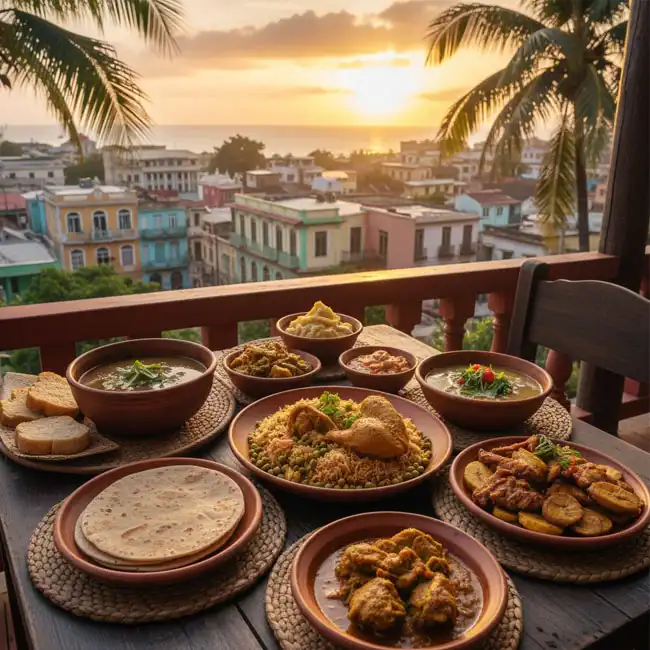
Guyana is one of those countries where the food immediately tells you the story of the land—its people, its migrations, its struggles, its nature, and its deep mix of cultures. While it sits on the South American continent, Guyana is culturally tied to the Caribbean. This is why its cuisine feels like a celebration of Creole heritage, African roots, Indian influences, Indigenous traditions, and a touch of European techniques, all cooked in a way that feels warm, bold, and unbelievably comforting.
If you're curious about Guyana’s main dishes, what they’re all about, how they reflect the country’s history, and why they taste so uniquely “Guyanese,” this guide walks you through everything—no recipes yet, just delicious storytelling, cultural insight, and dish exploration.
Let's dive in. Grab a plate… even if it’s just an imaginary one.
🍲 The Heart of Guyanese Cuisine: A Blend of Cultures
There are very few countries whose main dishes reflect such a perfect blend of cultural identities. In Guyana, food is not just something you eat—it’s something you inherit.
🌍 Afro-Guyanese Heritage
Afro-Guyanese cooking is bold, savory, earthy, and often stew-heavy. It’s deeply tied to comfort dishes, slow simmering, and hearty flavors that bring families together. This side of the cuisine highlights cassava, plantains, root vegetables, and bold seasoning techniques. African influences live strongly in Guyana’s love for stews, braised meats, and dishes built for feeding a community.
🕌 Indo-Guyanese Influence
Indo-Guyanese dishes are aromatic, spiced, layered, and often revolve around curry traditions. Rice dishes, long-simmered curries, dhal, and roti are central. The spice flavor is not overpowering but rather warm and aromatic. You’ll notice turmeric, cumin, curry blends, fresh herbs, and slow cooking.
🌿 Indigenous Amerindian Foundations
Indigenous groups—such as the Arawak, Macushi, Wapishana, and others—contributed techniques that shape Guyana’s core dishes today. They introduced ways to prepare cassava, local river fish, wild meats, cassareep, and traditional stews. These dishes remain central to national identity.
🏰 European & Chinese Touches
European colonization brought baking traditions, pastries, preserved meats, and seasoning blends. Chinese immigrants contributed noodles, stir-fries, fried rice, and techniques that later adapted into local styles.
All these influences together form the base of Guyana's main dishes—rich, diverse, satisfying, and filled with stories.
🍛 Signature Guyanese Dishes Everyone Should Know
Let’s walk through the dishes that define what “main dishes” mean in Guyana. These aren’t just meals—they’re part of daily life, holidays, Sundays with family, and village celebrations.
🍽️ Pepperpot – Guyana’s National Dish
If you ever meet a Guyanese person and ask about traditional food, you'll hear “Pepperpot” within seconds. This dish carries deep historical roots from Indigenous Amerindian communities. At its core, Pepperpot is a rich, dark stew made with cassareep—an Amerindian reduction of cassava juice cooked until it becomes thick, glossy, and slightly caramel-like in flavor.
Pepperpot is known for being sweet-savory, lightly spicy, aromatic, and unique. Traditionally enjoyed on holidays or special family gatherings, its flavor deepens over time, making it perfect for multiple days. It’s one of those dishes that, once tasted, you never forget.
🍛 Curry & Rotis – Indo-Guyanese Essentials
Curry is the heartbeat of Indo-Guyanese households. Whether it's chicken curry, fish curry, or vegetable curry, the base always involves aromatic spices, garlic, ginger, herbs, and long simmering.
Alongside curry comes roti—especially dhal puri, sada roti, or paratha-style roti. Roti is essential, soft, and meant for tearing and scooping. When paired with curry, it becomes a main dish that’s comforting, complete, and soul-warming.
🥘 Cook-Up Rice – Guyana’s One-Pot Comfort Food
Cook-Up Rice is the dish that represents the Guyanese approach to practicality and flavor. It’s a one-pot dish combining rice, coconut milk, seasonings, and whatever protein or vegetables a household has on hand.
There are Afro-Guyanese versions, Indo-Guyanese versions, and household-specific variations, but the soul of Cook-Up Rice stays the same:
a hearty family-style one-pot meal that feeds everyone with love and simplicity.
🐟 Fried Fish, Stews & River-Inspired Dishes
Guyana is covered with rivers—Essequibo, Demerara, Berbice—so fish naturally plays a central role in many main dishes.
Common preparations include:
• fried fish with local spices
• fish stews enriched with herbs, tomatoes, and aromatics
• grilled river fish influenced by Indigenous cooking techniques
Fish is a major protein in rural regions, especially among communities living near waterways. These dishes are fresh, lightly seasoned, and often paired with rice or ground provisions.
🍖 Stewed Meats: Creole Classics
Stewing is one of the most beloved cooking styles in Guyana. Meats simmer for hours with seasoning, aromatics, and a base of tomatoes, onions, and herbs. The resulting dishes are deeply flavored, tender, and rich.
Popular stews include:
• stewed chicken
• stewed beef
• stewed lamb
• stewed fish
These dishes serve as weeknight dinners, weekend gatherings, and everyday comfort food.
🍌 Metemgee – A Root Vegetable Treasure
Metemgee (or “Metem”) is an Afro-Guyanese dish made with coconut milk, dumplings, root vegetables, and ground provisions. It’s hearty, thick, creamy, and deeply tied to African heritage. This dish is nourishing and often cooked for family gatherings or on weekends when everyone has time to enjoy a slower meal.
🍠 Ground Provisions – The True Backbone of Guyanese Meals
In Guyana, “ground provisions” means starchy vegetables harvested from the earth—cassava, eddo, sweet potatoes, yams, plantains, and dasheen. These are often boiled and served as a main dish component alongside fish, stews, or curries.
Ground provisions are loved for their nutritional value, affordability, and cultural significance. They reflect Indigenous and Afro-Guyanese culinary identity.
🥟 Chinese-Guyanese Noodles & Stir-Fries
Chinese influence brought noodles, fried noodles, chow mein, and fried rice into daily Guyanese cuisine. Today, Guyanese chow mein is its own category—different from Chinese chow mein, different from Caribbean chow mein, and absolutely essential in celebrations.
Chinese-Guyanese main dishes incorporate:
• local herbs
• Caribbean aromatics
• Guyanese-style seasoning
• sometimes ground provisions alongside noodles
The blend is magical and uniquely Guyanese.
🌴 Cultural Traditions Behind Guyanese Main Dishes
Food in Guyana is tied deeply to daily life, geography, and cultural traditions passed down for generations.
🧺 Communal Eating and Large Family Gatherings
Guyanese meals are often prepared in big pots for large gatherings. Whether it’s Cook-Up Rice or Pepperpot simmering on the stove, food is meant to be shared. This tradition reflects strong community ties and hospitality, especially in villages.
🌾 Indigenous Cooking Practices
Indigenous communities developed foundational techniques:
• cassava processing
• cassareep preparation
• open-fire cooking
• preserving meats with natural ingredients
These early methods shaped some of Guyana’s most iconic main dishes.
🥥 The Role of Coconut Milk & Cassava
Coconut milk and cassava appear across every culture in Guyana. They shape the textures, depth, and richness of many main dishes—from creamy stews to baked dishes to fried specialties.
Cassava in particular is vital:
• boiled cassava
• cassava bread
• cassava oil
• cassareep (a key ingredient in Pepperpot)
No ingredient better represents Guyana’s Indigenous influence.
🍚 Rice as a Universal Base
Indo-Guyanese culture embraces rice heavily, but it's also universal in the entire country. Rice pairs with curries, stews, fried fish, and more. It is a staple in everyday meals and forms the base for Cook-Up Rice and other one-pot dishes.
🥄 Guyanese Flavors & Ingredients That Define Main Dishes
Guyana’s cuisine gets its identity from a few iconic ingredients and flavor-building techniques.
🌶️ Herbs, Aromatics & Local Seasoning
Guyanese seasoning blends typically include:
• garlic
• thyme
• cilantro
• onions
• green onions
• mild peppers
pimento seeds
These aromatics build the flavor base for most stews, curries, and rice dishes.
🍠 Ground Provisions as a Cultural Symbol
These starchy vegetables reflect resilience and Indigenous wisdom. They nourish families, provide energy, and appear in daily meals throughout the country. Many main dishes revolve around them as the star ingredient, not just a side.
🧄 Slow Simmering & Stew Techniques
Guyanese main dishes love slow cooking. Many families believe “low heat brings real flavor,” and that motto is reflected in national dishes. Stews become richer the longer they simmer—much like Pepperpot deepening over days.
🧂 Caribbean & Creole Seasoning Influence
Creole-style seasoning—savory, herb-filled, slightly sweet-savory, and aromatic—gives many main dishes their rounded flavors. Even Chinese-Guyanese dishes adopt Creole seasoning to give them a local twist.
🍽️ Guyana’s Mealtime Culture & How People Eat Daily
Understanding what Guyanese people eat is only part of the picture. How they eat is just as important.
🕰️ Main Meals of the Day
Typical Guyanese households enjoy:
• a hearty breakfast (sometimes heavy enough to be considered a main dish)
• lunch as the central meal
• dinner as a lighter but still flavorful meal
Weekends bring bigger dishes like Pepperpot, Cook-Up Rice, or Metemgee.
🧑🤝🧑 Food as a Social Experience
Meals are shared among family and neighbors. People drop by unannounced and are always welcomed with food. Celebrations, holidays, and gatherings revolve around cooking.
🏡 Home Cooking Over Dining Out
While street food and restaurants are growing in popularity, Guyana remains a place where home-cooked meals dominate. Recipes are passed down through generations, and every household has its own version of classic dishes.
🎉 Guyanese Main Dishes for Holidays & Celebrations
Food is at the center of major celebrations.
🎄 Pepperpot for Christmas
Pepperpot is the crown jewel of holiday breakfasts. Families prepare large pots and reheat it over several days. Its rich, deep flavor makes it a perfect festive dish.
🎊 Cook-Up Rice for New Year’s & Gatherings
Cook-Up Rice feeds crowds easily, making it a celebratory favorite. It’s simple, filling, and customizable based on what ingredients are available.
🕯️ Curries & Rotis for Festivals
Indo-Guyanese celebrations almost always include curries and rotis. These meals symbolize warmth, prosperity, and family unity.
🌎 Why Guyanese Main Dishes Are Unique in the Caribbean
Guyana’s cuisine stands apart from other Caribbean nations for several reasons.
🏞️ Geography
It’s the only English-speaking country on the South American mainland with strong Caribbean cultural ties. This unusual mix influences ingredients and cooking methods.
🧬 Diverse Cultural DNA
Few cuisines draw from so many cultural origins—African, Indian, Indigenous, European, and Chinese—while merging them into completely new dishes.
🇬🇾 Indigenous Roots at the Center
Cassava, cassareep, and Amerindian cooking techniques aren’t add-ons—they’re foundational. This sets Guyanese cuisine apart in flavor and identity.
❓ FAQ: Guyana Main Dishes
1. What is the national dish of Guyana?
Pepperpot is considered the national dish, known for its cassareep base and rich, slow-cooked flavor.
2. What do Guyanese people eat daily?
Rice dishes, curries, stewed meats, fried fish, Cook-Up Rice, and meals featuring ground provisions are common daily foods.
3. Why is Guyanese food so culturally mixed?
Because Guyana’s population comes from Afro-descendant, Indo-Guyanese, Indigenous, Chinese, and European groups, creating a diverse and blended cuisine unlike any other.
🍝 Balanced & Healthy Guyana Main Dishes for Everyday Cooking
👉 Get 3 Healthy World’s Best Guyana Recipes
| 🌐 🍝 < Back | 🇬🇾 🥪 < Previous | Next > 🍨 🇬🇾 |