
🏠 Home > 🗺️ Recipes > 🥘 Sauces > 🇬🇾 Guyana Sauces
🇬🇾 🥘 Guyana Sauces Recipes
Published by Supakorn | Updated: February 2026
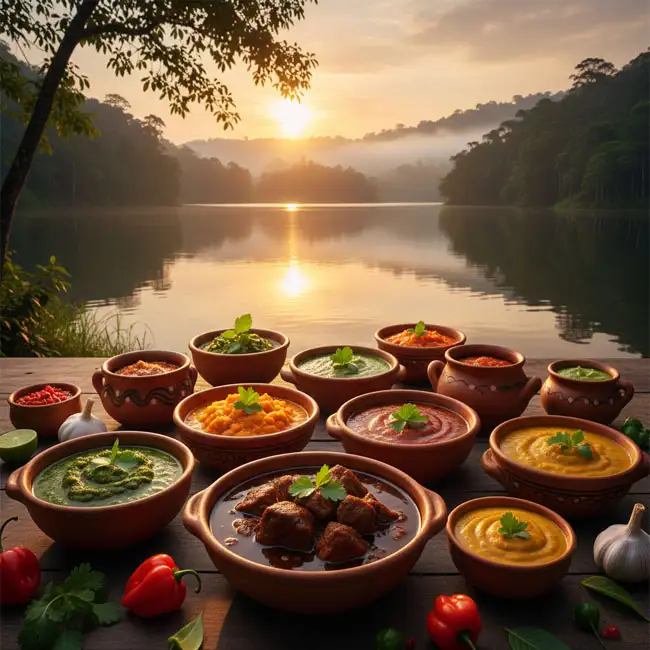
💥 The Fiery, Flavorful Soul of the Kitchen
Hello, fellow flavor chasers! If you thought Guyanese food was just about rice and peas, you're in for a spicy awakening! We're peeling back the layers on one of the most exciting, yet often unsung, heroes of Guyanese cuisine: Guyana Sauces. These aren't just mere condiments; they are the concentrated essence of the nation's cultural history, the key to unlocking its deep, complex flavor profiles, and the defining signature of almost every dish served in the "Land of Many Waters."
Picture this: A meal where every bite offers a thrill—smoky, tangy, sweet, and, often, gloriously hot! In Guyana, sauces are non-negotiable. They are the lifeblood of the plate, transforming simple ingredients into memorable feasts. From rich, slow-simmered gravies that tell tales of ancient Amerindian cooking to vibrant, eye-watering pepper sauces that testify to a true love for heat, the sauce spectrum here is as wide and colorful as the country's population itself.
If you’re someone who believes a meal isn't complete without that perfect drizzle, dollop, or dip, you need to know about these essential Guyanese flavor foundations. Forget your standard ketchup and mustard; we're diving into the real deal: the fiery, fermented, and fantastic sauces that make Guyanese food truly unique.
🌶️ The Flavor Foundation: Guyana's Multicultural Sauce Culture
To understand Guyanese sauces is to understand Guyana itself—a vibrant mashup of Indigenous, African, Indian, European, and Chinese influences, all flourishing under the tropical sun.
📜 From Tradition to Table: The Indigenous Impact
The absolute cornerstone of Guyanese sauce culture comes from the Indigenous Amerindian people: Cassareep. This thick, dark, and slightly sweet liquid is derived from the poisonous bitter cassava root. Like the creation of Cassava Bread, making Cassareep is an ancient, intricate process involving boiling and reduction until the liquid is safe, sterile, and rich with flavor.
Cassareep's role is not just to add flavor; it acts as a natural preservative. It's the essential ingredient in Pepperpot, Guyana's national dish, where it helps keep the stew rich and flavorful for days, even weeks, without refrigeration—a necessity in historical times. This tradition of using natural, local ingredients for preservation and deep flavor has set the stage for all Guyanese sauces.
🔥 The Legacy of Heat: African and Indian Influence
The love for heat is deeply ingrained in Guyanese cooking, largely fueled by the culinary traditions brought by enslaved Africans and later, indentured East Indian laborers. Both groups arrived with a preference for bold, highly spiced foods, and both quickly embraced the locally abundant, potent Wiri Wiri pepper.
• African Influence: Emphasized slow-cooked stews and gravies that incorporated local starches and bold seasonings, creating rich, savory sauces that accompany ground provisions.
• Indian Influence: Introduced the use of curry powders, turmeric, and layered spice blends, which form the base of the creamy, aromatic sauces (curries) that are typically mopped up with Roti.
The result? A dynamic environment where every sauce and gravy is packed with powerful, layered flavor—it’s never subtle!
💥 The Headliners: Sauces That Define the Guyanese Palate
While countless savory gravies and curries exist, a few key condiments and foundational sauces stand alone as the most iconic and essential to the Guyanese pantry.
🌑 Cassareep (The Dark, Smoky Gold)
As mentioned, Cassareep is truly the queen of Guyanese foundational sauces. It is a slow-reduced syrup made from the strained juice of the bitter cassava root, seasoned with cinnamon, cloves, and brown sugar.
• The Vibe: Deep, earthy, slightly sweet, and intensely savory with a hint of smokiness. It's not a spicy heat but a rich, complex depth.
• The Role: Primarily, Cassareep is the defining ingredient in Pepperpot. It gives the stew its characteristic dark color, unique flavor, and, most importantly, its preservative quality, allowing the dish to be reheated daily and deepen in flavor over time. It's a taste of history in a bottle, indispensable for Guyanese Christmas.
🌶️ Wiri Wiri Pepper Sauce (The Fiery Red Heart)
For the heat lovers, there is no discussion of Guyanese condiments without paying homage to the notorious Wiri Wiri Pepper Sauce. The Wiri Wiri pepper itself is a small, round, cherry-shaped pepper native to Guyana and is intensely hot, rating high on the Scoville scale.
The sauce is typically a simple concoction, letting the pepper’s unique, fruity, and fierce heat shine. The peppers are often blended or crushed with vinegar, garlic, salt, and maybe a dash of mustard or sugar, then aged to allow the flavors to meld.
• The Vibe: Intense, fruity heat that hits you immediately and lingers beautifully.
• The Role: This is the universal hot sauce of Guyana. It is served on the side of virtually everything—from breakfast Bake and Saltfish to hearty Creole dinners, and especially alongside Chowmein or Fried Rice. A good Guyanese pepper sauce is judged by its ability to bring tears to your eyes while still delivering a wonderful, fruity flavor.
🌿 Green Seasoning (The Flavor Backbone)
While technically a marinade and flavor base rather than a finished sauce, Green Seasoning is so vital that it forms the pre-sauce foundation for almost every savory dish in Guyana. It's the secret to that distinct Guyanese flavor.
This vibrant, verdant paste is a powerful blend of fresh herbs and aromatics, typically including:
• Thyme (broad leaf and fine leaf)
• Escallion (spring onions)
• Garlic
• Onions
• Wiri Wiri peppers or Scotch Bonnet (optional, but common)
• Celery
• Bandhania (Culantro or Sawtooth Coriander)
• The Vibe: Fresh, aromatic, pungent, and herbaceous. It’s the smell of a Guyanese kitchen.
• The Role: Used to marinate meats (chicken, beef, goat) and seafood before cooking, ensuring that the flavor permeates every fiber. It's also often sautéed at the beginning of a dish's preparation (like curries or stews) to build a deep, aromatic base for the final sauce or gravy.
🍛 How Sauces Shape Guyanese Eating and Living
The way Guyanese people use sauces speaks volumes about their culture—it’s about personalization, communal eating, and maximizing flavor with every opportunity.
🥣 The Personalization Station
In a traditional Guyanese setting, it's rare for a dish to be intensely spicy straight from the pot, especially if it's meant to feed a crowd of varying spice tolerances. Instead, the heat is typically served on the side, giving every diner the power to control their experience.
• The Pepper Sauce Bottle: The Wiri Wiri Pepper Sauce bottle is the centerpiece of the table, treated with respect and caution. Everyone adds their own desired dose to their plate, often a small spoonful or a dash, before mixing it into their curry or stew. It’s a point of pride to tolerate the intense heat!
• The Gravy-to-Starch Ratio: When eating dishes like Cook-up Rice or Curries with Roti, the goal is to have the perfect ratio of moist, flavorful gravy (sauce) to the starch. The sauce is the star; the rice or Roti is the vehicle.
🍲 Gravies and Curries: The Core Cooking Sauces
Many main courses in Guyana are sauce-based by design. The richness and depth come from the cooking process itself.
• Curry Sauce: Guyanese curries are distinct from Indian or Thai versions. They tend to be thicker, richer, and packed with aromatic spices like masala (a local curry powder blend), turmeric, and cumin (geera). The resulting gravy is not thin or milky, but substantial, intended to cling heavily to the Roti or rice.
• Stew Sauces (Stews and Cook-up): Dishes like Beef Stew or Chicken Stew are characterized by a savory, brown gravy achieved by 'browning' the meat (caramelizing sugar) before adding the seasoned liquid and aromatics. This rich, thick sauce, seasoned with Green Seasoning, is the comfort food standard.
🍍 From Savory to Sweet: Dipping and Drizzling
Even the simple act of snacking often involves a sauce or dip.
• Ketch-up and Tamarind Balls: While not traditional sauces, the love for dipping leads to fun uses. Many Chinese-influenced takeout dishes like Fried Rice or Lo Mein are drizzled with a simple soy sauce mixed with a bit of Guyanese hot sauce.
• Sweet Sauces: Fruit preserves and jams, often made from tropical fruits like golden apple, pineapple, or guava, serve as the "sauce" for Guyanese pastries like Pine Tarts and Salara.
✨ More Condiments and Essential Flavor Boosters
The sauce world in Guyana extends beyond the main players, involving a fascinating range of specialized, smaller-batch condiments and ingredients that add that crucial finishing touch.
🥭 Mango Sour (The Tangy Delight)
Mango Sour is a vibrant, tangy chutney-like sauce that is wildly popular. It’s made from green (unripe) mangoes, which are cooked down with garlic, peppers (optional, but good!), and a little sugar and salt.
• The Vibe: Tangy, slightly sweet, and intensely fruity.
• The Role: It’s a traditional pairing for Indian-influenced snacks like Pholourie (fried split-pea balls) and Samosas, offering a sharp, cooling contrast to the fried dough. It’s also often served alongside fish and poultry dishes.
🌿 Tamarind Sauce/Chutney (Sweet and Tart Complexity)
Made from the pulp of the tamarind pod, Tamarind Sauce is another key component of the snack culture. The pulp is soaked, strained, and then cooked with brown sugar, vinegar, ginger, and a dash of pepper.
• The Vibe: Distinctly sweet, tart, and deeply fruity with a molasses-like richness.
• The Role: Excellent as a dipping sauce for fried snacks, or as a rich, glossy glaze for baked or grilled meats. It offers a depth of flavor that complements almost any protein.
🍯 Chow Mein Sauce (The Takeout Essential)
Guyana has a strong Chinese culinary influence, but the "Guyanese Chinese" style is a category all its own, often characterized by a savory, dark, and slightly thick sauce for its famous Chow Mein.
This sauce typically features:
• Soy Sauce (specifically dark soy for color)
• Oyster Sauce or Mushroom Sauce
• Brown Sugar
• A thickening agent (like cornstarch)
• Garlic and Ginger
• The Vibe: Umami-rich, savory, and lightly sweet, providing a gorgeous, glossy coating to the noodles and meat.
• The Role: It's the unifying element of classic Guyanese Chow Mein, Lo Mein, and Fried Rice, defining the flavor that locals crave from the Chinese restaurants.
⚠️ The Pepper Culture: Heat as a Way of Life
You cannot discuss Guyanese sauces without a special section dedicated to the Pepper. It’s not about heat for the sake of heat; it’s about a deep appreciation for the flavor that peppers bring, especially the mighty Wiri Wiri and Scotch Bonnet.
🌶️ The Wiri Wiri Difference
While most Caribbean islands lean heavily on the Scotch Bonnet, Guyana is defined by the Wiri Wiri. It's smaller, rounder, and boasts a more concentrated, sharp, and very fruity flavor profile before the scorching heat hits.
• Pepper Sauce Variations: You'll find homemade sauces across the country, often containing secret family ingredients—sometimes a touch of mustard powder, pineapple, or even rum (though we won't get into that) to achieve a unique flavor balance. It’s a matter of immense family pride to have the best (and often the hottest) homemade sauce.
🌿 Pepper Pickle and Mango Achar
Beyond the liquid sauce, Guyanese culture utilizes peppers in various preserved forms:
• Pepper Pickle: Whole or sliced peppers (often Wiri Wiri or larger hot varieties) are preserved in a spicy, vinegary brine, ready to be eaten whole alongside a meal for a shocking burst of flavor and heat.
• Mango Achar: A South Asian-influenced condiment where mangoes and other vegetables are pickled with a heavy spice blend and oil. It’s intensely savory, tangy, and hot, serving as a powerful side condiment, especially for curries.
❓ Frequently Asked Questions About Guyana Sauces
We've turned up the heat on this topic! Here are the answers to the most common questions about Guyanese sauces.
Q1: Is Cassareep a spicy sauce like the Wiri Wiri Pepper Sauce?
A: No, Cassareep is not spicy at all! In fact, it's quite the opposite. Cassareep is the dark, rich reduction of cassava juice, which has a deeply earthy, slightly sweet, and savory flavor profile. It's the essential base for Pepperpot, but any spiciness in that dish comes from separate ingredients, usually the addition of whole Wiri Wiri or Scotch Bonnet peppers to the pot, which impart flavor without overwhelming heat.
Q2: Why is Green Seasoning so important if it's not a final "sauce"?
A: Green Seasoning is crucial because it is the foundational flavor base that determines the taste of the final sauce or gravy. It's used to heavily marinate meats before cooking and is often the first thing sautéed in the pot. By loading the protein and the cooking oil with these fresh, pungent herbs (like thyme, scallions, and garlic), the Green Seasoning ensures that the resulting cooking juices and gravy are intensely flavored, defining the unique Guyanese aroma and taste.
Q3: Can I substitute another hot sauce for Wiri Wiri Pepper Sauce?
A: While you can use another hot pepper sauce, it will significantly change the authentic Guyanese flavor. The Wiri Wiri pepper is known for its intense heat and a distinct fruity flavor that is difficult to replicate. The closest widely available substitute in terms of heat and fruity notes is a Scotch Bonnet or Habanero pepper sauce. However, true Guyanese cuisine relies on the unique bite and aroma of the native Wiri Wiri.
💖 Your Next Step in Guyanese Flavor
We've explored the fascinating world of Guyanese sauces—from the deep, smoky tradition of Cassareep to the fiery, fruity kick of Wiri Wiri Pepper Sauce. These condiments and cooking bases are what make the food of Guyana so unforgettable, turning simple ingredients into a complex, satisfying journey for the taste buds. They are the stories, the history, and the love packed into every spoonful.
Now that you know the major players in the Guyanese flavor game, are you ready to learn how to make the base flavor of any Guyanese dish? Would you like me to find an authentic, detailed recipe for Green Seasoning so you can start building that incredible Guyanese flavor profile at home?
🥘 Unlocking the Soul of South America: 3 Flavor-Packed Vegetarian Guyanese Sauces You Need to Try
👉 Savor 3 Lifestyle Best Guyana Sauces
| 🌐 🥘 < Back | 🇬🇾 🍱 < Previous |