
🏠 Home > 🗺️ Recipes > 🍲 Soups > 🇰🇪 Kenya Soups > 🍲 1.Suppu ya Mbuzi (Traditional Goat Bone Broth) , 2.Maharagwe ya Nazi (Creamy Coconut Bean Soup) , 3.Seasonal Mboga Medley (Fresh Kenyan Vegetable Soup)
🍲 Warm Your Soul with These Easy Seasonal Kenyan Soup Classics
Published by Supakorn | Updated: March 2026
Hey there, fellow food explorer! If you’ve been following my culinary journey, you know I’m obsessed with flavors that tell a story. Today, we’re diving into the steaming, aromatic world of Kenyan Soups. While most people think of grilled meats or fluffy breads when they think of East Africa, the true secret to a Kenyan's vitality often lies at the bottom of a soup bowl.
These aren't just "starters" to a meal; in many Kenyan homes, a hearty soup is the main event. Whether it’s a rainy evening in the highlands of Limuru or a breezy night on the coast of Malindi, there is a seasonal soup for every mood. These recipes are exploding in popularity internationally right now because they focus on "clean eating"—fresh vegetables, high-quality proteins, and zero artificial additives.
In this guide, I’ve curated 3 Absolute Must-Try Recipes that are simple enough for a weeknight but tasty enough to impress your foodiest friends:
💥 • Recipe 1: Suppu ya Mbuzi: The legendary, nutrient-packed Goat Bone Broth.
💥 • Recipe 2: Maharagwe ya Nazi: A creamy, dreamy Red Bean and Coconut Soup.
💥 • Recipe 3: Mboga Medley: A fresh, seasonal Vegetable Soup that’s like a garden in a bowl.
Trust me, once you get these simmering on your stove, your kitchen is going to smell like a Kenyan sunset. Ready to grab your ladle? Let's do this!
🥣📚Introduction: The Magic of the Kenyan Soup Pot 🇰🇪 🍲
Before we get to the recipes, let’s talk about why these soups are so special. Kenyan cooking is deeply seasonal. We eat what the earth provides right now. This means the ingredients are at their peak flavor and nutritional value.
Internationally, there’s a massive trend toward "Bone Broths" and "Plant-Based Creamy Soups," and Kenya has been doing both for centuries! These recipes are popular in the West because they offer a break from heavy, processed foods. They are hydrating, packed with minerals, and use "warming" spices that aid digestion.
This article is designed to be your friendly companion. I’ve simplified the steps so you don't need fancy equipment—just a good pot and a little bit of patience. By the end of this, you’ll see that making authentic East African food is totally doable in your own kitchen. Let's start with the most iconic one of all!

🦴 Recipe 1: Suppu ya Mbuzi (Traditional Goat Bone Broth)
🇰🇪 🍲 About this Recipe
If there is a "National Recovery Drink" in Kenya, this is it. Suppu ya Mbuzi is a clear, intense broth made from goat bones. It’s what you drink when you’re feeling under the weather, when you’ve had a long day, or when you’re celebrating at a local butchery. It’s light on the stomach but incredibly deep in flavor. It’s the ultimate "Zero Waste" dish because it uses the bones to extract every bit of goodness.
📝 Ingredients & Measurements
• 2 lbs of Goat Bones (Make sure they have some marrow and a little meat attached)
• 8 cups of Water
• 2 large Red Onions (Finely chopped)
• 3 cloves of Garlic (Crushed)
• 1 inch of Fresh Ginger (Grated)
• 2 large Tomatoes (Diced)
• 1 bunch of Fresh Cilantro/Dhania (Chopped, stems and leaves separated)
• 2 teaspoons of Salt (Adjust to taste)
• 1 teaspoon of Black Peppercorns (Whole)
• 2 Fresh Lemons (Cut into wedges for serving)
👩🍳 Step-by-Step Instructions
1.Prep the Bones: Rinse the goat bones under cold water to remove any loose fragments.
2.The First Sear: In a large heavy-bottomed pot, sear the bones on medium-high heat for about 5 minutes until they start to brown. This adds a smoky depth to the broth.
3.Aromatic Base: Add the chopped onions, garlic, and ginger to the pot with the bones. Stir them around for 3 minutes until the onions become translucent and smell amazing.
4.Add the Liquid: Pour in the 8 cups of water. Add the salt, peppercorns, and the chopped cilantro stems (keep the leaves for later!).
5.The Long Simmer: Bring the pot to a boil, then immediately reduce the heat to low. Cover the pot and let it simmer gently for at least 2 to 3 hours. The longer it simmers, the more marrow and flavor you extract!
6.Add Tomatoes: About 30 minutes before you’re ready to serve, stir in the diced tomatoes. They will break down and add a hint of sweetness and color.
7.Final Touch: Stir in the fresh cilantro leaves just before turning off the heat.
8.Serve: Ladle the hot broth into mugs or bowls. Always serve with a fresh lemon wedge on the side—squeezing the lemon into the soup right before drinking is the "Kenyan Way."
💡 Tips & Mistakes to Avoid
• Low and Slow: Never boil the broth vigorously for the whole time, or it will turn cloudy and the meat will become tough. A gentle "smile" (tiny bubbles) is what you want.
• Skim the Top: If you see any gray foam rising to the top in the first 20 minutes, just skim it off with a spoon for a cleaner-tasting broth.
• The Lemon is Mandatory: Don't skip the lemon! The acidity cuts through the richness of the goat fat and makes the flavor pop.
• Don't Over-Salt Early: The broth reduces as it cooks, so the saltiness will intensify. It’s better to add more salt at the very end.
❓ FAQ
Q1.Can I use Beef bones instead?
Yes, you can! It’s called "Suppu ya Ng'ombe." It will be slightly richer and less "gamey" than goat.
Q2.How long does it keep?
It stays fresh in the fridge for 3 days and actually freezes beautifully for up to 3 months.
Q3.Is this a meal or a drink?
In Kenya, it's often served in a mug as a "pre-meal" drink, but you can add potatoes or carrots to make it a full meal.
🍱 Summary
Suppu ya Mbuzi is pure liquid gold. It’s humble, healthy, and represents the heart of Kenyan hospitality. It’s the perfect way to start your seasonal soup journey.
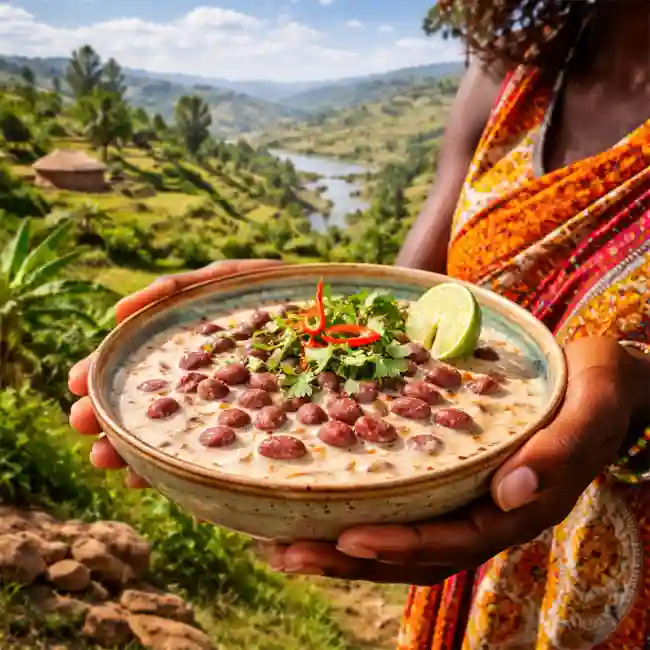
🥥 Recipe 2: Maharagwe ya Nazi (Creamy Coconut Bean Soup)
🇰🇪 🥣 About this Recipe
This soup is a star of the Swahili Coast. Maharagwe ya Nazi turns simple red beans into a luxurious, creamy masterpiece using coconut milk. It’s the perfect vegetarian option and is incredibly popular because it’s so filling. In Kenya, we often eat this with Chapati or Rice, but as a soup, its thick consistency is pure comfort in a bowl. It’s sweet, savory, and aromatic all at once.
📝 Ingredients & Measurements
• 2 cups of Pre-boiled Red Kidney Beans (Or 2 cans of 15oz beans, rinsed)
• 1 can (14oz) of Full-Fat Coconut Milk
• 1 large Onion (Diced)
• 2 cloves of Garlic (Minced)
• 1 teaspoon of Turmeric Powder (For that beautiful golden color)
• 1 teaspoon of Ground Coriander
• 1/2 teaspoon of Cinnamon (The secret "warm" ingredient)
• 2 tablespoons of Tomato Paste
• 1 tablespoon of Vegetable Oil
• Salt and Pepper to taste
• Fresh chili (Optional, for a kick)
👩🍳 Step-by-Step Instructions
1.Sauté the Aromatics: Heat the oil in a pot over medium heat. Add the onions and cook until soft and golden. Add the garlic and cook for another minute.
2.Spice it Up: Stir in the turmeric, coriander, and cinnamon. Let the spices "toast" in the oil for 30 seconds until they become fragrant.
3.Add the Base: Stir in the tomato paste and cook for 2 minutes to take away the raw acidity.
4.The Beans: Add your beans to the pot. Stir well so every bean is coated in that spicy, tomatoey goodness.
5.Coconut Magic: Pour in the coconut milk. If the mixture looks too thick to be a soup, add half a cup of water or vegetable broth.
6.Simmer: Turn the heat down to low and let it simmer for 15–20 minutes. You want the beans to soak up the coconut flavor and the sauce to become thick and velvety.
7.Season: Add salt and pepper to taste. If you like heat, drop in a whole green chili (don't cut it if you want mild flavor, just let it steep!).
8.Serve: Serve hot in deep bowls. It’s great on its own or with a side of bread for dipping.
💡 Tips & Mistakes to Avoid
• Full-Fat is Best: Don't use "light" coconut milk; it will make the soup watery. The creaminess is what makes this dish legendary.
• Don't Rush the Simmer: The longer it sits on low heat, the better the flavors marry.
• Check the Beans: If using canned beans, make sure they aren't already mushy. If using dried beans, make sure they are fully soft before adding the coconut milk.
• The Cinnamon Secret: Just a pinch of cinnamon makes the coconut taste much richer—don't skip it!
❓ FAQ
Q1.Can I use other beans?
Yes, black beans or pinto beans work, but red kidney beans are the traditional choice.
Q2.Is this vegan?
Absolutely! It’s 100% plant-based and incredibly high in protein.
Q3.Can I add vegetables?
Definitely. Diced carrots or spinach added at the end work beautifully in this soup.
🍱 Summary
Maharagwe ya Nazi is like a tropical hug. It’s rich, creamy, and proves that you don't need meat to have a deeply satisfying and "tasty" Kenyan meal.

🥗 Recipe 3: Seasonal Mboga Medley (Fresh Kenyan Vegetable Soup)
🇰🇪 🥕 About this Recipe
In Kenya, "Mboga" means vegetable. This soup is a celebration of the harvest. It’s what you make when the local market is overflowing with fresh greens, carrots, and potatoes. It’s a "clear" soup, meaning it’s light and refreshing, perfect for those days when you want something healthy but warm. It’s a staple in rural Kenyan homes where the ingredients come straight from the family "shamba" (farm).
📝 Ingredients & Measurements
• 2 large Potatoes (Peeled and cubed)
• 3 large Carrots (Sliced into rounds)
• 2 cups of Shredded Cabbage or Kale (Sukuma Wiki)
• 1 cup of Green Peas (Fresh or frozen)
• 1 large Onion (Chopped)
• 3 medium Tomatoes (Diced)
• 6 cups of Vegetable Broth or Water
• 2 tablespoons of Vegetable Oil
• 1 teaspoon of Cumin Seeds
• Salt and Black Pepper to taste
• A handful of Fresh Parsley or Cilantro for garnish
👩🍳 Step-by-Step Instructions
1.The Scent of Cumin: Heat oil in a large pot. Add the cumin seeds and let them sizzle for 20 seconds. This adds an earthy, nutty base to the soup.
2.Sauté: Add the onions and cook until translucent. Toss in the tomatoes and cook until they break down into a soft mush.
3.Root Veggies First: Add the potato cubes and carrot slices. Stir them into the tomato base for a few minutes.
4.The Simmer: Pour in the vegetable broth or water. Add salt and pepper. Bring to a boil, then lower the heat and simmer for 10–12 minutes until the potatoes are almost tender.
5.The Greens: Add the shredded cabbage (or kale) and the green peas. These cook faster, so we add them later to keep their bright green color.
6.Final Simmer: Let everything cook for another 5–8 minutes. Check the seasoning and add more salt if needed.
7.Garnish: Turn off the heat and stir in the fresh parsley or cilantro.
8.Serve: This soup is best served piping hot in a big bowl. It’s light enough that you can have two helpings!
💡 Tips & Mistakes to Avoid
• Uniform Cutting: Try to cut your potatoes and carrots into similar sizes so they cook at the same rate.
• Don't Overcook the Greens: You want the cabbage or kale to have a little "bite" left to it, rather than being soggy.
• Fresh is King: Since the ingredients are simple, the quality of the vegetables really matters. Use the freshest ones you can find.
• Season as You Go: Add a little salt at each stage (onions, then veggies, then broth) to build deep layers of flavor.
❓ FAQ
Q1.Can I add protein?
Yes! Adding pre-cooked chicken or chickpeas makes this a very hearty meal.
Q2.What if I don't have cumin seeds?
You can use half a teaspoon of ground cumin, but add it with the tomatoes so it doesn't burn.
Q3.Is this soup good for meal prep?
Yes! It tastes even better the next day as the vegetables soak up the seasoned broth.
🍱 Summary
The Mboga Medley is the ultimate "Simple & Fresh" dish. It’s a versatile, healthy, and colorful soup that brings the best of the Kenyan garden to your table.
🌟 Final Thoughts: A Spoonful of Kenya
There you have it—three different soups, three different vibes, but all 100% authentic Kenya. What I love about these recipes is that they are so forgiving. You don't need to be a Michelin-starred chef to get them right. They are about the "feeling" of the food—warm, welcoming, and deeply nourishing.
Making these soups is a great way to slow down. In our fast-paced world, there's something therapeutic about chopping fresh vegetables or watching a pot of beans simmer in coconut milk. I really encourage you to try at least one of these this week. Start with the Mboga Medley if you want something light, or go for the Maharagwe ya Nazi if you're craving something creamy.
Once you’ve tried them, I’d love to hear how they turned out! Did you add your own twist? Did the scent of cardamom and cumin transport you to East Africa? Share your soup stories with your friends and family—after all, a pot of soup is always better when shared.
| 🇰🇪 🍲 < Back |