
🏠 Home > 🗺️ Recipes > 🏛️🧪 Sacred Infusions & Botanical Tonics > 🏝️ Kingdom of Kerma: Sacred Infusions & Botanical Tonics Recipes > 🏛️🧪 1.Kerma Sacred Grain Tonic (Circa 2500 BCE)
🏛️🧪 Unearthing Nubia’s 5,000-Year-Old Sacred Grain elixir
Published by Supakorn | Updated: October 2026
🦁🛕 Ancient Civilization Origins: The Lost Realm of Kerma
Hey there, my fellow food history explorers! Have you ever looked at your morning beverage and wondered what people were sipping on 5,000 years ago along the banks of the Nile River? Long before modern wellness elixirs, smooth artisan concoctions, or store-bought grain drinks took over our pantry shelves, an extraordinary empire flourished in southern Egypt and northern Sudan. Welcome to the ancient Kingdom of Kerma—one of Africa’s earliest and most powerful urban civilizations.
While everyone knows about the Great Pyramids of Giza, Kerma was busy building massive mud-brick monuments known as Deffufas, trading gold, ebony, and ivory, and mastering the art of sacred ancient gastronomy. Their culture was rich, deeply spiritual, and fundamentally connected to the fertile soil of the Nile Valley. Food and drink weren't just about survival in Kerma; they were sacred rituals designed to honor the deities, sustain royal dynasties, and nourish the hardworking people who built monumental cities from clay and sun.
Among their most guarded culinary treasures was a deeply comforting, nutrient-dense elixir made from malted grains, sun-dried dates, aromatic wildflowers, and local spices. This was the legendary Kerma Sacred Grain Tonic. It provided energy during grueling physical construction, refreshed priests during high sacred ceremonies, and served as a symbol of hospitality across the Nubian desert. Today, we are dusting off the archaeological archives and pulling this ancient secret out of the sands of time so you can recreate its divine, comforting taste right in your modern kitchen!
🔮 The Storyteller’s Intro: 5,000 Years of Ancestral Flavors
Close your eyes for a second and step back into 2500 BCE. The midday African sun radiates intense heat over the sprawling mud-brick citadel of Kerma. A gentle cool breeze sweeps off the emerald waters of the Nile, carrying the sweet scent of roasting grains, crushing honeycombs, and simmering herbs from the palace kitchens. Giant clay urns (pithoi) sit partially buried in damp sand, slowly fermenting and steeping a golden-amber liquid that smells like toasted nutty grains, floral sweetness, and earthly spices.
This wasn’t an ordinary everyday drink. It was a holy elixir—a sacred grain tonic crafted by temple keepers and ancient healers. It represented the life force of the earth, fusing the vitality of sorghum and barley with the natural sweetness of desert palms. When you hold a warm cup of this resurrected recipe today, you aren’t just sipping a flavorful herbal beverage; you are literally tasting a direct living link to 5,000 years of Nubian human history.
🌍 The Global Value of Antique Heritage
In our fast-paced modern world of processed drinks and synthetic flavorings, reviving heritage recipes like Kerma's grain tonic brings invaluable wisdom back to our tables. Ancient civilizations had a profound understanding of holistic nutrition long before modern dietary science existed. They knew how to sprout, soak, slow-roast, and gently infuse grains to extract maximum energy, gentle digestion, and clean vitality.
Rediscovering this ancient Nubian culinary jewel isn't just a fun cooking exercise; it's an act of preserving human cultural legacy. By honoring the culinary heritage of Kerma, we give credit to an ancient African empire that profoundly shaped the history of the Nile region, ensuring that their traditions, craftsmanship, and flavors continue to inspire kitchen creators around the globe.
🌾 The Culinary Resurrection
How do archaeologists and food historians recreate a beverage from a lost empire? Thanks to modern bio-archaeology, chemical residue analysis from excavated ceramic vessels, and wall paintings in ancient tombs, researchers have decoded the primary organic markers left behind in Kerma’s ancient vessels. Microscopic starch grains, phytoliths, traces of date sugar, and dried flower pollen found in ancient Nubian burial sites allowed culinary historians to reconstruct this exact liquid portrait!
We have taken those fascinating archaeological discoveries and translated them into a foolproof home kitchen recipe. No alcohol, no impossible-to-find ancient ritual items, and no complex lab equipment required! Just pure, natural, wholesome ingredients that bring the majestic spirit of ancient Kerma straight into your favorite mug.
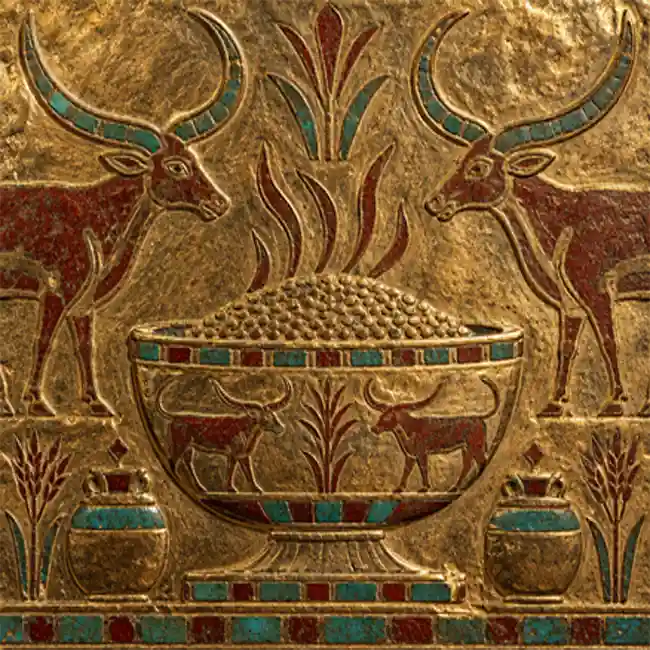
🍯 Recipe: Kerma Sacred Grain Tonic (Circa 2500 BCE)
🏺 Legends Behind This Excavated Secret
Legend has it that during the construction of the Great Western Deffufa—a towering mud-brick temple structure—the artisans, priests, and ruler-kings drank this sacred grain tonic at every major solar alignment. It was believed to impart the strength of the desert bull and the longevity of the Nile palm. The drink was revered as a gift from the river gods, cooked slowly over clay hearths to draw out the natural sugars locked deep inside roasted sorghum and sprouted grains.
Archaeological digs at the Kerma necropolis unearthed thousands of delicate ceramic beakers alongside large fermentation jars, demonstrating that this beverage was enjoyed by both high royalty and everyday citizens during community feasts. Now, let's step into the pantry and prepare this legendary brew!
🌿 Ingredients & The Noble Pantry
✦The Ancestral Staples
The original Kerma pantry relied heavily on what grew natively along the lush Nile floodplains. Sorghum (Sorghum bicolor) and early varieties of emmer barley formed the wholesome core of their grain production. Wild desert dates added rich caramelly sweetness, while wild chamomile, coriander seeds, and local wildflower honey provided fragrance and herbal balance.
✦ Modern Substitutes
Because ancient heirloom sorghum grains can sometimes be tricky to find depending on where you live, you can easily use accessible modern alternatives without losing the authentic spirit or flavor of the drink!
• Whole Sorghum or Whole Pearl Barley: Sorghum gives a deeply authentic earthy, nutty taste. If sorghum isn't in your local grocery store, whole pearl barley or whole grain farro works as a wonderful modern substitute.
• Medjool Dates: Used in place of ancient Nubian desert dates for rich natural sweetness, body, and golden amber color.
• Raw Wildflower Honey: To match the unrefined honey collected from wild African bee hives.
• Whole Coriander Seeds & Dried Chamomile Flowers: These mimic the floral and lightly spiced aromatic profile revealed in ancient vessel residue tests.
• Cardamom Pods & Cinnamon Stick: Modern comforting additions that perfectly complement the historical botanical profile.
✦ Ancient Proportions
(Note: All measurements are given in standard ratios for simple kitchen preparation)
• 1 cup whole grain sorghum (or whole pearl barley)
• 8 cups pure spring water
• 6 large Medjool dates, pitted and roughly chopped
• 3 tablespoons raw wildflower honey (adjust to taste)
• 1 tablespoon whole coriander seeds, lightly cracked
• 1 tablespoon dried chamomile flowers (or 2 pure chamomile tea bags)
• 3 green cardamom pods, lightly crushed
• 1 whole cinnamon stick
• 1 pinch fine sea salt
• 1 tablespoon fresh lemon juice (for bright balance)
🔥 The Chef’s Ancient Ritual
Ready to brew like an ancient royal herbalist? Follow this sacred step-by-step ritual to create a smooth, deeply aromatic grain tonic:
1.The Grain Awakening (Soaking Ritual)
Begin by thoroughly rinsing your whole grain sorghum or pearl barley in cold water to remove excess dust. Place the rinsed grains in a glass bowl, cover with 3 cups of fresh room-temperature water, and let them soak for at least 8 to 12 hours (overnight works best). This softens the outer grain bran and unlocks its gentle, sweet nuttiness.
2.The Hearth Toasting
Drain the soaked grains thoroughly. Heat a heavy-bottomed pot or ceramic Dutch oven over medium heat (do not add oil). Add the drained grains to the dry pot and toast them gently for 6 to 8 minutes, stirring continuously. You will hear a light crackling sound, and a wonderful nutty, toasted aroma will fill your kitchen.
3.The Sacred Infusion
Pour the remaining 8 cups of fresh spring water directly over the toasted grains. Add the chopped Medjool dates, crushed cardamom pods, whole cinnamon stick, cracked coriander seeds, and a pinch of sea salt. Bring the entire mixture to a gentle, rolling boil over medium-high heat.
4.The Slow Simmering
Once boiling, reduce the heat to low, cover the pot with a tight-fitting lid, and let it simmer slowly for 45 to 50 minutes. The liquid will slowly transform into a rich, golden-amber hue as the grains soften and the dates dissolve into a natural caramel base.
5.The Botanical Bloom
Remove the pot from the heat source. Uncover and gently stir in the dried chamomile flowers. Cover the pot again with the lid and allow the hot tonic to steep naturally for 15 to 20 minutes off the heat. This allows the floral herbs to release their aromatic essence without developing any bitter notes.
6.The Straining Ritual
Line a fine-mesh strainer or sieve with a layer of clean cheesecloth and place it over a large heat-safe pitcher or bowl. Carefully pour the cooked grain mixture through the strainer. Use the back of a wooden spoon (or gather the cheesecloth and press gently) to extract every last drop of rich, liquid goodness from the grain bed.
7.The Honey Harmonization
While the golden liquid is still warmly steaming, stir in the raw wildflower honey and fresh lemon juice until completely dissolved and smoothly blended.
8.Presentation & Serving
Pour the warm Kerma Sacred Grain Tonic into ceramic mugs or clay cups. Garnish with a sprinkle of ground cinnamon or a fresh chamomile blossom. Drink warm for deeply comforting cozy vibes, or chill in the refrigerator to enjoy as a crisp, refreshing ancient iced grain brew!
🔥 Secrets of the Ancestral Hearth
To ensure your Kerma Sacred Grain Tonic turns out perfectly every single time, keep these ancestral kitchen tips in mind:
◦ Never Skip Toasting the Grains: Dry-toasting the soaked grains before adding liquid triggers the Maillard reaction. This creates that authentic, comforting caramel-nutty aroma that defines true ancient grain brews.
◦ Keep the Heat Gentle: Avoid boiling the mixture violently for prolonged periods. High boiling can make the tonic cloudy and overly thick. A calm, gentle simmer yields a smooth, silk-like elixir.
◦ Add Honey off the Heat: Raw honey loses its beneficial natural enzymes and delicate floral aroma if boiled. Always stir honey in after the tonic has stopped boiling and cooled slightly.
◦ Repurpose the Cooked Grain Mash: Don't throw away the strained grains and dates! They are fully cooked, delightfully spiced, and packed with fiber. You can serve them as a warm morning breakfast porridge with a splash of warm oat milk and extra honey!
◦ Store Properly: This tonic keeps beautifully in a sealed glass jar in your refrigerator for up to 5 days.
🦂❓ Ancient Civilization Origins FAQ
Q1:Is this Kerma grain tonic non-alcoholic?
Yes, absolutely! While some ancient civilizations fermented grains into thick festive beers, this specific recipe focuses entirely on the non-alcoholic, tea-like infusion method using toasted grains, dates, and botanical herbs. It is 100% wholesome, family-friendly, and non-intoxicating.
Q2:What does Kerma Sacred Grain Tonic taste like?
It tastes remarkably smooth, comforting, and layered! You get an initial warmth of toasted nutty grain (similar to roasted barley tea or horchata), followed by gentle caramelly sweetness from dates and honey, finished with a subtle floral note from chamomile and citrusy warmth from coriander.
Q3:Can I make a gluten-free version of this recipe?
Yes! Sorghum grain is naturally 100% gluten-free. If you use whole grain sorghum, this recipe is completely gluten-free. Just ensure you double-check your sorghum packaging for any cross-contamination if you have celiac disease.
Q4:Can I drink this chilled or iced?
Definitely! In the ancient Nubian desert, room-temperature or cooled drinks kept in porous clay pots were famously refreshing. Serve it poured over ice cubes with a slice of lemon on a hot sunny day for an incredible natural thirst-quencher.
🏜️ The Taste of Archeology
When you sip this elixir, you are taking a direct journey through time. The earthy warmth of sorghum grounds your senses, while the sweet dates and soothing chamomile lift the flavor profile into something truly majestic. It’s light yet satisfying, sweet yet balanced, and completely distinct from any modern bottled beverage. It is literally history served in a cup.
🍽️ Final Thoughts: Bringing Antiquity to Your Modern Table
Cooking ancient recipes is about far more than just filling our bellies; it’s about reconnecting with the story of humanity. By preparing Kerma’s Sacred Grain Tonic in your modern kitchen, you build a bridge across five millennia, honoring the creativity, resourcefulness, and flavor wisdom of our ancient ancestors. Whether you brew this during a cozy quiet evening, share it with family around the breakfast table, or serve it at a historical dinner party, it is guaranteed to inspire fascinating conversations!
🔑 The Golden Hook (The Sacred Union)
Now that you hold the secret of Nubia’s legendary grain tonic, why keep it to yourself? Join our growing global community of historical food lovers and home kitchen archeologists!
Did you brew this recipe with sorghum or barley? Did you drink it piping warm or chilled over ice? Drop a comment below, share a photo of your golden brew on social media, and tag us! Let’s keep the ancient culinary secrets alive together—one forgotten recipe at a time. Subscribe to our newsletter so you never miss our next excavated food discovery!
👑 Credit to the Keepers of the Culture (The Legacy)
We extend our deepest gratitude and respect to the international team of bio-archaeologists, Sudanologists, historians, and African heritage researchers whose painstaking excavation work in northern Sudan continues to shed light on the magnificent Kingdom of Kerma. Their dedication to analyzing pottery residue, preserving monuments, and translating historical artifacts makes it possible for kitchen enthusiasts around the world to rediscover, honor, and celebrate the rich culinary legacy of ancient Nubian civilization.
| 🏝️ 🏛️🧪 < Back |