
🏠 Home > 🗺️ Recipes > 🏛️🌾 Primitive Grains & Flatbreads > 🏝️ Kingdom of Kerma: Primitive Grains & Flatbreads Recipes > 🏛️🌾 1.Kerma Ancestral Stone-Baked Sorghum Flatbread
🏛️🌾 The 5,000-Year-Old Secret: Recreating Nubia’s Lost Kerma Stone-Baked Sorghum Bread
Published by Supakorn | Updated: October 2026
🛕🦂 Ancient Civilization Origins: The Ancient Kingdom of Kerma (Nubia / Modern Sudan)
🌾 The Storyteller’s Intro: Unearthing 5,000 Years of Sacred Ancestral Flavors
Hey there, my fellow food explorers and home bakers! Have you ever stood in your modern kitchen, preheating a digital oven, and wondered what baking was like before electricity, yeast packets, or refined white flour even existed? Today, we are taking an incredible step back through the mists of time—about 5,000 years, to be exact—to visit one of the greatest yet most criminally underrated civilizations in human history: the Kingdom of Kerma.
Picture this: it’s 2500 BCE. You’re standing on the sun-drenched, golden banks of the Nile River in what is today northern Sudan. The air smells of sweet river silt, acacia wood smoke, and the warm, nutty aroma of freshly ground grain baking on scalding Riverbed stones. Long before Rome built its Colosseum, and right alongside the builders of the Egyptian pyramids, the masters of Kerma built massive mud-brick monuments called Deffufas, crafted breathtaking pottery, and sustained their thriving empire on a golden staple: whole-grain sorghum flatbread baked on flat clay griddles and heated river stones.
This isn't just another rustic bread recipe to throw into your weekend rotation. This is literal edible history. Together, we’re going to step into the boots of an experimental archaeologist, tap into ancient culinary wisdom, and recreate this lost flatbread right in your own kitchen using simple, wholesome ingredients you can easily grab today.
🌐 The Global Value of Antique Heritage
Why does a 5,000-year-old loaf of sorghum bread matter to us today in our high-tech world? Because ancient grains like sorghum were the true fuel of human civilization! Long before industrial agriculture modified wheat for high gluten, ancient cultures depended on hardy, drought-resistant grains that nourished entire empires through harsh climates and long desert seasons.
When we recreate recipes like Kerma stone-baked bread, we aren't just making dinner; we are preserving global human heritage. We are honoring the ingenuity of ancient African bakers who understood food chemistry, thermal heat retention, and natural grain fermentation thousands of years before modern food science textbooks were ever written. Plus, learning how our ancestors cooked gives us a deeper respect for real, unprocessed food, showing us how incredible simple ingredients can taste when treated with patience and care.
🥖 The Culinary Resurrection
Resurrecting a recipe from a civilization that left no written cookbooks isn't easy, but archaeological excavations in Nubia have given us astonishing clues! Archaeologists unearthing Kerma settlements found grinding stones (querns), burnt traces of ancient wild and domesticated sorghum seeds, and heavy clay baking platters called dokhas.
By pairing these archaeological finds with traditional Nubian baking techniques passed down orally through generations, food historians have successfully reconstructed how Kerma bakers turned humble sorghum grain into delicious, nutrient-dense flatbreads. Today, we are bringing that exact culinary resurrection into your home! We’ll adapt those ancient hearth methods so you can recreate this ancient masterpiece using a heavy cast-iron skillet or a baking stone in a standard home oven.
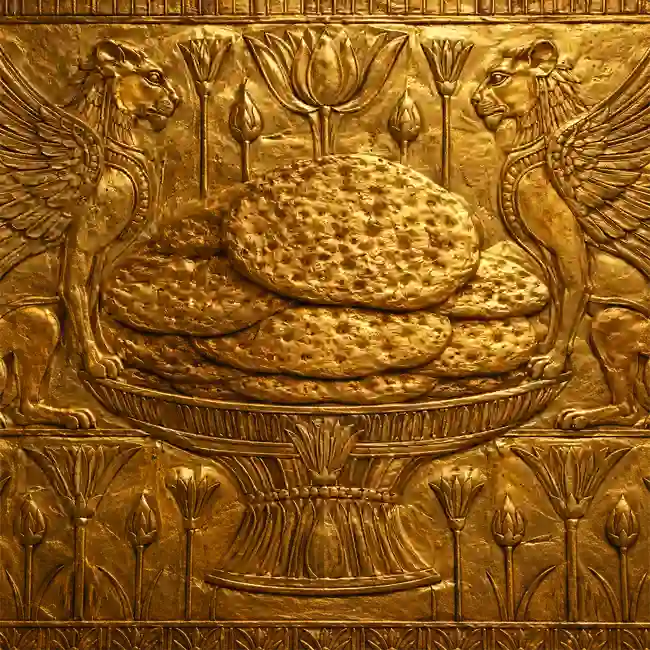
🌾 Recipe: Kerma Ancestral Stone-Baked Sorghum Flatbread
📜 Legends Behind This Excavated Secret
In the ancient Kingdom of Kerma, bread was far more than daily food—it was deeply tied to life, energy, and royal reverence. Legend has it that the master bakers of Kerma were held in high esteem, entrusted with nourishing priests, artisans, and royal guardians. Sorghum was viewed as a sacred gift from the Nile’s fertile floods, symbolizing endurance and eternal renewal.
When royal tombs were excavated at Kerma, archaeologists found small clay models of granaries and baking pots placed alongside the deceased. The people of Kerma believed that no soul should trek into the afterlife without a supply of stone-baked sorghum bread to sustain their spiritual journey. Every bite of this bread carries the quiet strength of an empire that commanded the trade routes of the ancient world.
🧺 Ingredients & The Noble Pantry
🌾 The Ancestral Staples
To keep this recipe as historically authentic as possible while keeping it easy for modern bakers, let’s talk about our core grain: Sorghum (Sorghum bicolor). Sorghum is an ancient grain native to northeastern Africa that has been cultivated for thousands of years. Naturally gluten-free, it has a rich, nutty, slightly sweet flavor profile that sets it apart from modern wheat. In ancient Kerma, whole sorghum grain was meticulously ground by hand between two heavy granite stones until reduced to a coarse flour, then mixed with Nile water and left to soak naturally under the warm sun.
🔄 Modern Substitutes
Don't worry, you don't need to go out and buy granite river stones or dig up clay from a riverbank! Here is how we bridge the ancient pantry with modern grocery stores:
◦ Sorghum Flour: Readily available at most health food stores, Asian/African international markets, or online. Look for whole-grain sorghum flour.
◦ Whole Wheat or Spelt Flour: Ancient Kerma flatbreads were gluten-free or very low gluten, making sorghum dough slightly crumbly. Adding a small proportion of whole wheat, spelt, or einkorn flour makes the dough much easier to shape while maintaining a deep, earthy taste. (If you want a 100% gluten-free bread, simply swap the wheat for psyllium husk or xanthan gum as noted below).
◦ Warm Water: Plain filtered water works perfectly.
◦ Wild Ferment or Pinch of Active Dry Yeast: Ancient bakers relied on natural wild airborne yeasts and sour starter cultures. A tiny splash of lemon juice or overnight ambient soaking creates that subtle, classic ancient tang. Alternatively, a tiny pinch of modern yeast helps give a light lift.
◦ Coarse Sea Salt: Unrefined sea salt or pink Himalayan salt brings out the warm, nutty undertones of the grain.
📏 Ancient Proportions
Here are your exact measurements for making a batch of four traditional Kerma flatbreads:
◦ Whole-grain sorghum flour: 2 cups (approx. 240 grams)
◦ Whole wheat flour or spelt flour: 1/2 cup (approx. 60 grams) — for a 100% gluten-free option, substitute with 1 tablespoon ground psyllium husk powder
◦ Warm water: 1 cup to 1 and 1/4 cups (approx. 240ml to 300ml, added gradually)
◦ Lemon juice or unpasteurized apple cider vinegar: 1 tablespoon (to mimic ancient mild natural fermentation)
◦ Coarse sea salt: 1 teaspoon
◦ Olive oil or sesame oil: 1 tablespoon (plus extra for lightly oiling your pan)
👨🍳 The Chef’s Ancient Ritual
Follow these step-by-step instructions to turn these humble ancient ingredients into an aromatic, golden flatbread worthy of an ancient king!
1.The Grain Awakening (Soaking Phase):
In a large ceramic or glass mixing bowl, combine the whole-grain sorghum flour and whole wheat flour (or psyllium husk). Pour in 1 cup of warm water and stir in 1 tablespoon of lemon juice. Mix well until a thick, shaggy paste forms. Cover the bowl loosely with a clean kitchen towel and let it sit at room temperature for at least 2 to 4 hours (or overnight for the best traditional flavor). This ancient soaking process softens the hardy sorghum bran and unlocks deep, sweet grain flavors.
2.Forming the Sacred Dough:
After soaking, uncover your bowl. Add the coarse sea salt and 1 tablespoon of olive oil. Gradually pour in the remaining 1/4 cup of warm water while kneading gently with your hands right in the bowl. Sorghum dough feels distinctly different from modern wheat dough—it is less stretchy and feels more like soft, workable clay. Knead for about 3 to 5 minutes until the dough comes together into a smooth, pliable ball that holds its shape.
3.Portioning the Earth:
Divide your dough ball into 4 equal portions. Roll each portion gently between your palms to form a smooth ball. Cover the dough balls with a damp towel so they don't dry out while you prepare your hearth.
4.Heating the Ancient Hearth:
Place a heavy cast-iron skillet, heavy stainless steel pan, or baking stone onto your stovetop over medium-high heat. Allow the pan to preheat thoroughly for 7 to 10 minutes until it is intensely hot. The secret to ancient stone baking is high, direct heat!
5.Shaping the Flatbread:
Take a dough ball and place it between two sheets of parchment paper (or on a surface lightly dusted with sorghum flour). Press down firmly with the palm of your hand, then use a rolling pin or flat hands to flatten it into a circle roughly 6 to 7 inches in diameter and about 1/4-inch thick.
6.The Stone Bake:
Lightly wipe your hot cast-iron skillet with a drop of oil using a paper towel. Gently peel off the top layer of parchment paper, invert the dough directly onto your hot skillet, and peel away the second paper. You should hear an immediate, satisfying sizzle!
7.Baking to Golden Perfection:
Bake the flatbread untouched for roughly 2 to 3 minutes. Look for beautiful brown freckles and slight blistering on the bottom surface. Flip the bread using a spatula and press down gently on the edges. Bake the second side for another 2 minutes until cooked through, rustic, and golden brown with toasted edges.
8.Resting under the Cloth:
Transfer the hot bread to a clean woven cloth or bread basket and wrap it tightly. The steam trapped inside the cloth will soften the outer crust, giving you a tender, chewy flatbread. Repeat with the remaining dough balls.
🔥 Secrets of the Ancestral Hearth
• Mastering Moisture Balance: Sorghum flour absorbs water much faster and more intensely than modern wheat flour. If your dough feels crumbly or cracked while rolling, add warm water one teaspoon at a time until it reaches a soft dough consistency.
• Sustaining Maximum Pan Heat: Do not rush the preheating stage! Ancient baking relies on high heat transfer from hot stone surfaces. If your pan isn't hot enough, the bread will dry out and turn hard instead of developing a crispy exterior and chewy center.
• Controlling Edge Cracking: Because sorghum lacks gluten, the outer edges of your round dough may crack slightly as you roll it out. Simply wet your fingers with cold water and gently smooth the edges before transferring the dough to the hot skillet.
• Softening with the Steam Trick: Always wrap your freshly baked flatbreads in a clean cloth immediately after cooking. Letting them sit wrapped for 5 minutes makes them wonderfully pliable, perfect for dipping and scooping up hearty stews!
🦁❓ Ancient Civilization Origins FAQ
Q1: Is this ancient Kerma bread naturally gluten-free?
A: Traditional 100% sorghum bread is completely gluten-free! If you make this recipe using the psyllium husk option instead of whole wheat flour, your flatbread will be 100% gluten-free and historically accurate to pure sorghum preparations.
Q2: What does Kerma sorghum bread taste like?
A: It offers a deeply comforting, nutty, and slightly sweet earthiness with a mild sour undertone from the ambient soaking process. It is far more flavorful and satisfying than plain white flour flatbreads.
Q3: How would ancient Nubians eat this bread 5,000 years ago?
A: Flatbread served as both plate and utensil! Ancient Nubians broke off pieces of warm flatbread with their hands to scoop up rich lentil dishes, vegetable purees, roasted wild meats, wild greens, honey, and fresh goat cheese.
Q4: How long can I store cooked sorghum flatbreads?
A: They are best enjoyed fresh off the stone! However, you can store leftover wrapped flatbreads in an airtight container at room temperature for up to 2 days. Simply reheat them on a warm skillet for 30 seconds per side to restore their soft texture.
🏺 The Taste of Archeology
When you take your first bite of this warm, stone-baked sorghum bread, take a quiet moment to savor the experience. You are tasting the exact same nutty grain profile, tactile texture, and hearth-baked aroma that sustained ancient Nubian kings, architects, farmers, and families along the Nile River five millennia ago. It is a incredible feeling knowing that simple ingredients—grain, water, salt, and heat—can connect us directly across thousands of years of human history.
🍽️ Final Thoughts: Bringing Antiquity to Your Modern Table
Cooking ancient recipes isn't about rigid historic reenactment; it's about reconnecting with real, slow food traditions in our fast-paced modern life. Adding Kerma stone-baked sorghum bread to your home cooking brings rich historical storytelling directly to your dinner table. Serve this flatbread alongside hearty vegetable stews, spiced dips, roasted meats, or simply drizzled with raw honey and olive oil. Your friends and family won't just enjoy a delicious meal—they'll get a fascinating story about an ancient empire with every single bite!
🤝 The Golden Hook (The Sacred Union)
If you enjoyed stepping back in time with us to bake this ancient Kerma flatbread, don't let the journey end here! Join our global community of history lovers, home bakers, and food explorers who are passionate about keeping human culinary history alive.
Subscribe to our newsletter, drop a comment below sharing how your stone-baked flatbread turned out, and share this recipe with your fellow history buffs. Together, let's make sure these sacred flavor secrets of ancient civilizations are never lost again!
📜 Credit to the Keepers of the Culture (The Legacy)
This recipe and historical overview are dedicated to the brilliant archaeologists, Nubian historians, and African heritage researchers whose ongoing field work at Kerma and across the Nile Valley continues to uncover the vibrant history of ancient Nubia. Special honor goes to the modern Nubian communities of Sudan and Egypt, who have faithfully preserved ancestral grain culinary traditions, baking techniques, and hospitality across thousands of generations.
| 🏝️ 🏛️🌾 < Back |