
🏠 Home > 🗺️ Recipes > 🥪 Appetizers > 🇱🇦 Laos Appetizers
🇱🇦 🥪 Laos Appetizers Recipes
Published by Supakorn | Updated: February 2026
🌾 The Foundation of Flavor: What Makes Lao Starters Unique?
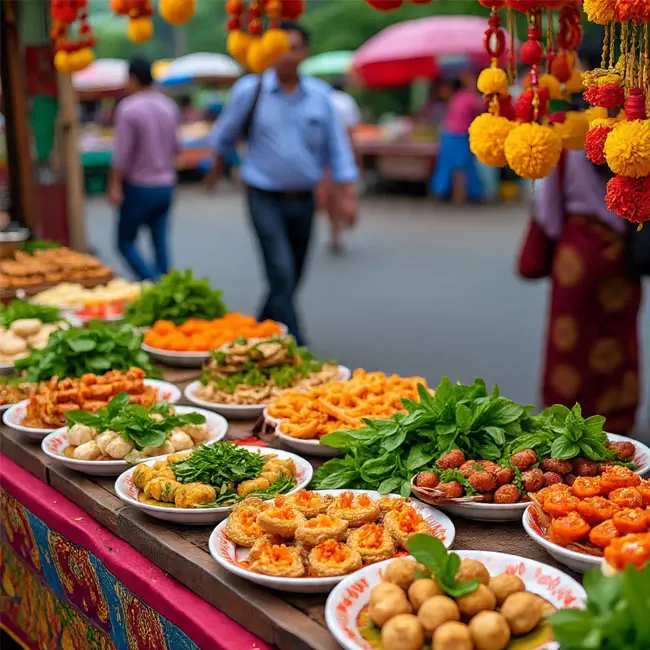
Laos appetizers, often called “Lao starters,” are more than just small bites — they reflect the country’s deep connection to fresh herbs, fermented flavors, and rice-based creations. Whether served at a family feast or street-side gatherings, these starters set the tone for a flavorful meal. Lao cuisine blends bold seasoning with balance, where sour, salty, spicy, and earthy tastes come together in harmony. Appetizers such as Nam Khao (crispy rice salad) or fresh herb spring rolls showcase the country’s love for texture and freshness, while fermented fish sauce (Paa Daek or Padaek) and roasted rice powder (Khao Khua) add depth unique to Laos. These small plates are not only delicious but also represent the cultural roots of Lao hospitality.
🍚 The Essential Role of Sticky Rice (Khao Niao)
In Laos, sticky rice (Khao Niao) is the main staple, and it influences every aspect of the meal, including the appetizers. Lao people traditionally eat sticky rice by hand, rolling it into small balls (Khao Jii) and using it as an edible utensil to scoop up main dishes and appetizers.
Many starters are specifically designed to be eaten with sticky rice. For example, the intense flavor of chili pastes (Jeow) is perfectly mellowed and absorbed by a ball of warm sticky rice. This preference for sticky rice over loose grain rice gives Lao cuisine a unique texture and means that even the appetizers are hearty and substantial, reflecting the deeply agricultural identity of the nation. It's truly the foundation upon which the entire meal is built.
🌿 The Freshest Ingredients: Herbs and Foraging
Lao food is renowned for its reliance on wild herbs and fresh, often foraged, ingredients. The flavor profile is incredibly vibrant, characterized by a refreshing, almost cooling sensation that cuts through the heat and spice.
Key herbs that define Lao starters include mint, coriander, dill, and sawtooth coriander (Phak Chi Farang). These are not mere garnishes; they are tossed liberally into salads and rolls. This reliance on fresh aromatics and the emphasis on the natural, earthy flavors of the land distinguish Lao appetizers from many other Southeast Asian cuisines. The food is raw, rustic, and full of natural vitality, reflecting the importance of locally sourced produce.
🌍 Earthy Umami: Padaek and Khao Khua
Two ingredients are non-negotiable for achieving the authentic, earthy depth of Lao appetizers:
• Padaek (Fermented Fish Sauce): This strong-smelling, thick, and intensely savory sauce is the cornerstone of Lao cooking. Unlike the clear fish sauce used elsewhere, Padaek adds a complex, fermented umami depth that is fundamental to the flavor of many Lao starters, including savory dips (Jeow) and certain salads. It is responsible for the unique, often acquired, taste that makes Lao food so memorable.
• Khao Khua (Roasted Rice Powder): Sticky rice is dry-roasted until golden brown and then coarsely ground. This powder is essential for creating the signature texture and nutty aroma of dishes like Nam Tok and Larb. When added to appetizers, it slightly thickens the dressing and gives the dish a rustic, earthy dimension that is simply irreplaceable.
🍽️ Popular Lao Appetizers You’ll Love
🥗 Nam Khao (Crispy Rice Salad)
One of the most beloved appetizers, Nam Khao combines deep-fried rice balls with herbs, peanuts, and fermented pork (Som Moo), creating a crunchy yet tangy salad that excites the palate.
Nam Khao is perhaps the most iconic example of Lao culinary genius. The starter begins with sticky rice that is seasoned, shaped into balls, and deep-fried until it forms a gorgeous, golden-brown crust. This crust is then broken up and tossed with a highly flavorful dressing (lime, fish sauce, chili), fresh herbs, peanuts, and often cured pork sausage. The magic lies in the contrast: the crispy, warm rice against the cool, fresh herbs and tangy dressing. It’s a riot of textures and flavors that embodies the Lao philosophy of balancing ingredients.
🌯 Fresh Herb Spring Rolls (Yao Dip)
Lao spring rolls wrap fresh vegetables, herbs, and sometimes noodles in delicate rice paper. They’re served with peanut or fish-based dipping sauce, making them refreshing and light.
Known in Laos as Yao Dip (literally "raw roll"), these fresh spring rolls are characterized by their generous filling of ultra-fresh herbs like mint, basil, and coriander, often accompanied by thin rice vermicelli noodles and sometimes thinly sliced sausage or shrimp. The rice paper is merely a translucent vessel for showcasing the fresh ingredients. They are typically served with a dipping sauce—either a mild, sweet Peanut Sauce (for a Western-friendly approach) or a vibrant, fish-sauce based dip with plenty of chili, lime, and sugar. They are the perfect cooling starter.
🌶️ Jeow Bong (Chili Paste Dip)
A signature dip made with roasted chilies, garlic, and traditionally, shredded buffalo skin. Served with sticky rice or vegetables, it’s a flavorful appetizer that highlights the Lao love for spice and depth.
The various Jeow (Lao chili dips) are vital to the Lao meal, acting as the savory anchor. Jeow Bong is perhaps the most famous. It's distinguished by being both sweet and savory, often incorporating sun-dried chilies that are roasted until smoky, then pounded with garlic, shallots, and usually a dash of sugar or honey, giving it a caramelized sweetness to balance the intense heat. The texture is thick and chunky, and it's the perfect condiment for dipping sticky rice, grilled meats, or raw vegetables before a main meal.
🔪 Essential Appetizer Techniques
🥣 The Mortar and Pestle: Flavor Integration
Just like the main dishes, many Lao appetizers rely heavily on the mortar and pestle (Krok). This tool is not just for crushing; it’s for integrating and bruising the ingredients to release their essential oils and flavors.
For appetizers like Jeow dips, the mortar and pestle are used to pound roasted chilies and garlic into a paste, ensuring the flavors are completely married. For salads, the mortar is used to gently bruise the herbs or vegetables, allowing them to instantly absorb the dressing. This process is crucial because the quick pounding creates a more rustic texture and a deeper, more profound flavor than simply blending or stirring. The "sound" of the Krok is the sound of Lao cooking itself.
♨️ Roasting and Grilling for Depth
Many core ingredients in Lao appetizers are roasted or grilled first, adding a smoky, charred depth of flavor that is essential to the cuisine's profile.
• Chilies and Garlic: For any Jeow (dip), the chilies, garlic, and shallots are typically roasted until slightly blackened and soft. This process removes the raw bite, enhances their natural sweetness, and imparts a smoky note that is far superior to using fresh ingredients alone.
• Sticky Rice: Khao Khua (roasted rice powder) requires careful dry-roasting of the sticky rice in a pan until fragrant, maximizing its nutty flavor before it's ground. This step is what makes Larb and Nam Tok so distinctively Lao.
🍋 Balancing the Dressing: The Sour Punch
The dressing for most Lao salads and appetizers, often containing no oil, focuses heavily on fresh lime juice for its sour element. This intense sourness is balanced by the saltiness of the fish sauce (Padaek or clear Nam Pla) and the heat of the chili.
The sour component is not just about taste; it also provides the refreshing, palate-cleansing quality that makes appetizers like Nam Khao so invigorating before a meal. A good Lao appetizer dressing should feel thin, punchy, and utterly clean on the palate, stimulating appetite rather than suppressing it.
🍚 Appetizers and The Lao Dining Experience
🤝 Communal Eating: Sharing the Starters
Lao culture places a high value on hospitality and communal dining. Appetizers are always served in a way that encourages sharing. You won't see individual portions; instead, the table will be laden with shared plates of Nam Khao, a communal platter of fresh herbs, and a few bowls of different Jeow (dips) centered around a basket of Khao Niao.
This sharing style reflects the close-knit nature of Lao society. Eating together is a ritual where everyone samples a bit of everything, discussing the subtle differences in spice level or the flavor of a particular herb. The meal is a collaborative effort, and the appetizers set this relaxed, generous tone from the start.
🌶️ Palate Preparation: From Hot to Hearty
Lao appetizers are strategically placed at the beginning of the meal to stimulate and prepare the palate. The intense heat, sourness, and salty umami in dishes like Nam Khao and Jeow Bong are designed to wake up the taste buds.
By starting with these bold, refreshing, and often fiery flavors, the main courses (which are usually savory and rich) taste even better. The appetizers are the dramatic opening act that makes the following meal feel rich, complex, and deeply satisfying. This culinary sequence is essential to the authentic Lao dining structure.
🍃 The Herb Platter (Phak)
A distinctive feature of the Lao table—even for appetizers—is the presence of a platter of raw vegetables and herbs (Phak). This can include lettuce, long beans, cucumber, cabbage wedges, and an array of fresh herbs.
These greens serve two purposes: they are used as wraps for appetizers (such as wrapping Nam Khao in a lettuce leaf) or they are simply dipped directly into the Jeow. They provide a cooling, crunchy texture and a mild flavor that balances the intensity of the dips and salads, underscoring the Lao preference for freshness and textural variety in every single bite.
🌟 More Must-Try Lao Appetizers
🥩 Sliced Meat Salad: Nam Tok
While often served as a main dish with sticky rice, Nam Tok (meaning "waterfall," referring to the juices dripping off the grilled meat) is frequently served in smaller portions as a hearty appetizer.
This salad consists of perfectly grilled beef or pork, which is thinly sliced and immediately tossed in a dressing of lime juice, fish sauce, chilies, shallots, mint, and, most importantly, a generous amount of Khao Khua (roasted rice powder). The texture is meaty and chewy, while the flavor is smoky, nutty, and vibrant. It's a robust appetizer that introduces diners to the essential Khao Khua flavor profile.
🐔 Aromatic Steamed Savory Custard: Mok Pa/Mok Gai
Mok dishes refer to food that is steamed in a banana leaf packet. While Mok Pa (fish) or Mok Gai (chicken) can be a main course, they are also served in smaller individual packets as highly aromatic appetizers.
The ingredients—usually fish or chicken—are mixed with lemongrass, chili, fish sauce, coconut milk, and a special herb called dill (which is very common in Lao cuisine). The mixture is wrapped tightly in a banana leaf and steamed. The result is a savory, moist, and intensely fragrant custard that carries the earthy aroma of the banana leaf. It offers a warm, soft texture and a complexity of flavor that contrasts beautifully with the crispy, cold Nam Khao.
🥚 Ping Kai and Khao Jii (Grilled and Skewered)
Simple grilled items are popular street-side appetizers:
• Ping Kai (Grilled Chicken): Chicken marinated in lemongrass, garlic, and turmeric, then grilled over charcoal. It's smoky, savory, and usually served with one of the many Jeow dipping sauces.
• Khao Jii (Grilled Sticky Rice): Small patties of sticky rice are grilled, often brushed with egg, and sometimes served with a dipping sauce. This is a humble, simple, and satisfying appetizer that highlights the versatility of Khao Niao.
❓ FAQ
Q1: What makes Lao appetizers different from Thai appetizers?
A1: Lao starters emphasize fermented flavors (Padaek), sticky rice (Khao Niao), and roasted rice powder (Khao Khua), offering a more earthy, sour, and intensely savory profile compared to the sweeter notes found more often in Central Thai cuisine.
Q2: Are Lao appetizers usually spicy?
A2: Many can be spicy due to the liberal use of fresh and roasted chilies, but spice levels are adjustable. The heat is always balanced with the sourness of lime and the freshness of herbs, and the spice is typically tempered by scooping it up with sticky rice.
Q3: Can Lao appetizers be made vegetarian?
A3: Yes, absolutely! Dishes like fresh spring rolls, Nam Khao (by skipping fermented pork), or various Jeow dips can easily be adapted by skipping the fish sauce/Padaek and using soy sauce, tamari, or vegetarian mushroom sauce for the essential savory flavor.
🥪 Authentic Laos Appetizers Recipes
| 🌐 🥪 < Back | Next > 🍝 🇱🇦 |