
🏠 Home > 🗺️ Recipes > 🥘 Sauces > 🇲🇾 Malaysia Sauces > 🥘 1.Versatile Sambal Tumis (The All-Rounder) , 2.Creamy Satay Peanut Sauce (Kuah Kacang) , 3.Authentic Rendang Spice Paste (Kerisik Base)
🥘 The Secret Sauce: Transforming Your Festive Meals with Malaysian Flavor
Published by Supakorn | Updated: February 2026
Hey there! Have you ever wondered why food at a Malaysian holiday party tastes so... electric? It’s not just the ingredients themselves; it’s the magic happening in the background. In Malaysia, we don't just "cook" food; we build it layer by layer, and the foundation of every masterpiece is a killer sauce or paste.
In the international culinary scene, "Malaysian Sauces" are becoming the new gold standard for home cooks who want to add depth to their kitchen. Whether you are in New York or Sydney, people are realizing that a single spoonful of a well-made Malaysian paste can do more for a dish than an entire spice rack of dried herbs. These sauces are the "secret weapons" that turn a simple Tuesday dinner into a holiday feast.
In this guide, I’m going to share three legendary sauce and paste recipes that are absolutely essential for festive home cooking. Once you master these, you’ll be able to whip up a Malaysian-style feast anytime. We’re going to cover:
💎 • Recipe 1: Versatile Sambal Tumis – The ultimate chili base for Nasi Lemak and beyond.
👑 • Recipe 2: Creamy Satay Peanut Sauce – The nutty, savory dip that everyone fights over.
🏆 • Recipe 3: Authentic Rendang Spice Paste – The rich, complex foundation for the world's most famous slow-cooked dry curry.
Let’s get those aromatics ready and start blending!
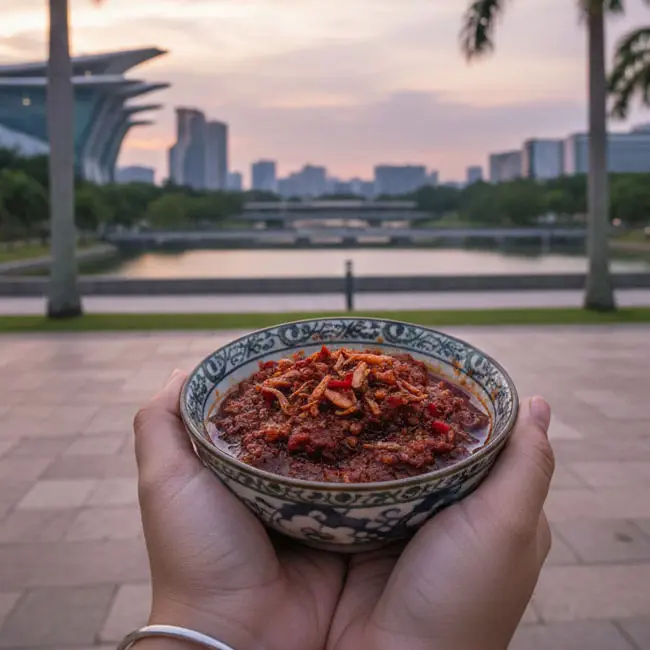
🌶️ Recipe 1: Versatile Sambal Tumis (The All-Rounder)
🌶️ About this Recipe
If you only learn one Malaysian recipe in your life, let it be Sambal Tumis. This is the mother sauce of Malaysia. It is a slow-cooked, caramelized chili paste that is equal parts spicy, sweet, and savory. During the holidays, a huge jar of this is always kept ready. It can be used as a condiment for coconut rice, a base for stir-frying prawns, or even a dip for fried snacks. The "Tumis" part refers to the technique of sautéing the paste until the oil separates, which creates a deep, rich flavor that stays fresh for weeks.
🌶️ Ingredients & Measurements
The Chili Base:
• 50 grams dried red chilies (deseeded and soaked in hot water)
• 5 fresh red chilies
• 10 shallots (or 2 medium red onions)
• 4 cloves garlic
• 1 inch shrimp paste (Belacan), toasted
The Seasoning:
• 1/2 cup vegetable oil
• 3 tablespoons tamarind juice (from 1 tablespoon tamarind pulp mixed with water)
• 4 tablespoons palm sugar (Gula Melaka), chopped
• 1 teaspoon salt
• 1 large onion, sliced into rings (optional, for texture)
🌶️ Step-by-Step Instructions
1.Prep the Paste: Blend the soaked dried chilies, fresh chilies, shallots, garlic, and toasted shrimp paste until you have a smooth, thick paste.
2.Heat the Oil: In a heavy-bottomed pan, heat the oil over medium heat. You need quite a bit of oil to ensure the sambal "cooks" rather than "burns."
3.The Slow Cook: Add the blended paste to the oil. Stir frequently. This is the patience-testing part. You need to cook it for 20-30 minutes on low-medium heat.
4.Pecah Minyak: Watch for the "oil separation." This is when the oil turns dark red and starts to bubble up to the surface. This means the water has evaporated and the chili is fully cooked.
5.Flavor Up: Add the tamarind juice, palm sugar, and salt. Stir well until the sugar melts and the sambal turns a dark, maroon color.
6.The Finish: If you like, add the sliced onion rings and cook for another 5 minutes until they soften. Let it cool completely before storing in a jar.
🌶️ Tips & Mistakes to Avoid
• Deseed for Safety: If you don't want a "mouth on fire" experience, make sure to remove all the seeds from the dried chilies before soaking.
• Don't Skimp on Oil: The oil is a heat conductor and a preservative. If you use too little, the sambal will taste "raw" and won't last as long.
• Patience is Key: If you stop cooking before the oil separates, the sambal will taste sour and metallic. Wait for that dark red glow!
• Toasting the Belacan: Always toast your shrimp paste in a dry pan until it’s crumbly and fragrant. Raw shrimp paste has a very different, less pleasant aroma.
🌶️ FAQ
Q1.How long does it last?
In a clean glass jar in the fridge, it can stay fresh for up to a month.
Q2.Can I make it vegan?
Absolutely! Simply swap the shrimp paste for a tablespoon of fermented bean paste (Taucu) or a little extra salt and miso.
🌶️ Summary
Sambal Tumis is the backbone of Malaysian home cooking. It’s a labor of love that rewards you with a flavor that is bold, sophisticated, and incredibly addictive.
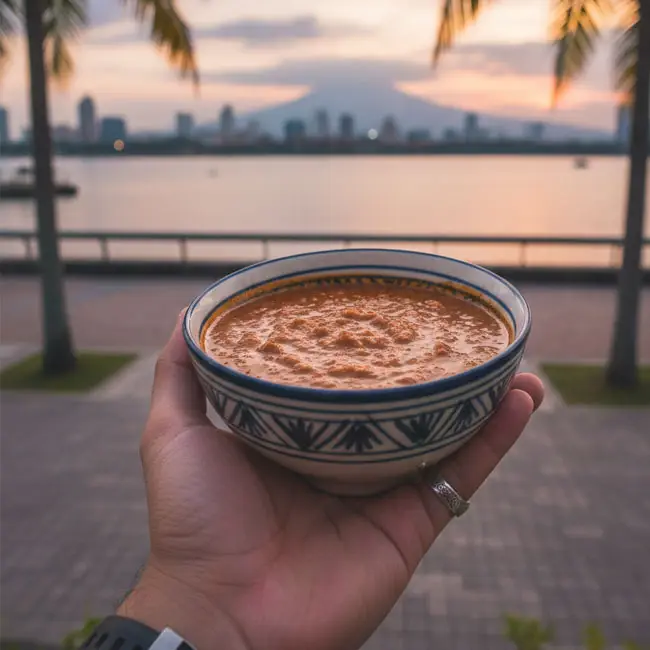
🥜 Recipe 2: Creamy Satay Peanut Sauce (Kuah Kacang)
🥜 About this Recipe
A holiday gathering in Malaysia is almost incomplete without Satay, but as any local will tell you, the skewers are just a vehicle for the Peanut Sauce. This sauce is a masterclass in balance. It’s thick, grainy, sweet, and has a subtle underlying heat. Unlike store-bought peanut butters, an authentic Malaysian peanut sauce has a complex aromatic base of lemongrass and galangal. It’s perfect as a dip for grilled meats, rice cakes, or even as a dressing for a festive salad.
🥜 Ingredients & Measurements
The Nutty Base:
• 300 grams raw peanuts
• 1/2 cup vegetable oil (for frying the nuts)
The Aromatic Paste:
• 5 shallots
• 3 cloves garlic
• 2 stalks lemongrass (white part only)
• 1 inch galangal (sliced)
• 5 dried chilies (soaked)
The Liquids & Seasoning:
• 1 cup water (adjust for desired thickness)
• 1/2 cup thick coconut milk
• 3 tablespoons palm sugar (Gula Melaka)
• 2 tablespoons tamarind juice
• 1/2 teaspoon salt
🥜 Step-by-Step Instructions
1.Roast the Peanuts: Fry the raw peanuts in a little oil or dry-roast them until golden brown. Once cooled, grind them coarsely. You want some "crunch," so don't turn them into powder!
2.Blend the Aromatics: Process the shallots, garlic, lemongrass, galangal, and dried chilies into a smooth paste.
3.Sauté: In a pot, heat some oil and fry the aromatic paste until it smells incredible and the oil starts to rise to the top.
4.Combine: Add the coarsely ground peanuts and water. Stir well and bring to a gentle simmer.
5.Simmer & Season: Add the palm sugar, tamarind juice, and salt. The sauce will start to thicken and turn a deep brown.
6.The Creamy Finish: Stir in the coconut milk. Let it simmer on low heat for another 10 minutes until the sauce is thick and oily.
🥜 Tips & Mistakes to Avoid
• Grainy is Good: Do not use a blender to make the peanuts into a smooth paste. The charm of this sauce is the rustic, crunchy texture.
• Watch the Sugar: Palm sugar can vary in sweetness. Add it gradually and taste as you go. It should be sweet, but not "dessert-sweet."
• Don't Boil Coconut Milk: Once you add the coconut milk, keep the heat low. High heat can cause the coconut milk to curdle and lose its creamy shine.
• Keep Stirring: Peanuts settle at the bottom and can burn easily. Give the pot a frequent stir.
🥜 FAQ
Q1.Can I use peanut butter?
In a pinch, yes, but use "chunky" unsweetened peanut butter. However, the flavor won't be as deep as freshly roasted peanuts.
Q2.Can I make this in advance?
Yes! It actually tastes better the next day after the spices have settled. Just thin it out with a little water when reheating.
🥜 Summary
This Peanut Sauce is the ultimate crowd-pleaser. It’s rich, fragrant, and brings a sense of comfort and celebration to any festive table.
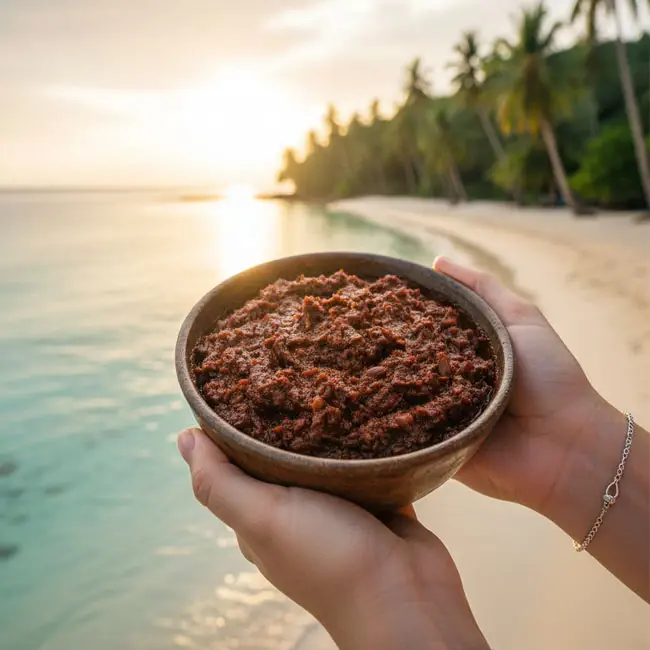
🥩 Recipe 3: Authentic Rendang Spice Paste (Kerisik Base)
🥩 About this Recipe
Rendang is often voted the most delicious food in the world, and the secret lies entirely in the Rendang Spice Paste. This isn't just a sauce; it's a concentrated blast of tropical aromatics. What makes it unique is the combination of "Rempah" (spice paste) and "Kerisik" (toasted coconut butter). It’s designed for slow cooking, where the paste eventually dries up and coats the meat in a dark, intensely flavorful crust. For festive home cooking, this paste is the gold standard of "Show-Stopping" flavors.
🥩 Ingredients & Measurements
The Spice Blend (Rempah):
• 10 shallots
• 4 cloves garlic
• 3 stalks lemongrass (white parts)
• 2 inches galangal
• 1 inch ginger
• 1 inch fresh turmeric
• 10 dried chilies (soaked)
The "Kerisik" (The Secret Ingredient):
• 1 cup fresh grated coconut (or unsweetened desiccated coconut)
The Pot Aromatics:
• 2 turmeric leaves (finely shredded) – Optional but highly recommended
• 4 kaffir lime leaves (torn)
• 1 cinnamon stick
• 2 star anise
• 1/2 cup coconut milk (for the paste stage)
• Salt and palm sugar to taste
🥩 Step-by-Step Instructions
1.Make the Kerisik: This is the most important step. Toast the grated coconut in a dry pan over low heat, stirring constantly, until it is dark golden brown (almost like coffee grounds). While still hot, pound it in a mortar and pestle or grind it until the oil comes out and it becomes a thick, dark paste.
2.Blend the Rempah: Blend the shallots, garlic, lemongrass, galangal, ginger, turmeric, and dried chilies with a little oil.
3.Fry the Base: Heat oil in a large pot. Add the cinnamon and star anise, then pour in the blended spice paste. Sauté until fragrant and dark.
4.Add Kerisik: Stir in the homemade Kerisik. This will immediately give the paste a nutty, toasted aroma and a darker color.
5.Infuse: Add the torn kaffir lime leaves and shredded turmeric leaves.
6.The Paste Foundation: At this point, your paste is ready. You can add your meat (beef or chicken) and coconut milk to start the slow-braising process. Season with salt and palm sugar.
🥩 Tips & Mistakes to Avoid
• Don't Burn the Coconut: When making Kerisik, stay at the stove. It goes from "perfectly toasted" to "bitter and burnt" in seconds.
• Fine Shredding: Turmeric leaves can be "stringy." Make sure you slice them as thinly as humanly possible to ensure they melt into the sauce.
• No Water: Try to blend your spices with oil instead of water. This helps the frying process (tumis) happen faster and more effectively.
• The Dry Goal: Authentic Rendang should be dry. Don't be afraid to let the sauce reduce until it's just a thick, oily paste coating the meat.
🥩 FAQ
Q1.Can I find Kerisik at the store?
Sometimes, but homemade Kerisik is 100% better. It’s the difference between a good Rendang and a legendary one.
Q2.What meat is best?
Beef chuck or brisket is traditional for its fat content, but this paste works amazingly well with chicken thighs or even firm tofu and tempeh.
🧪 Summary
Rendang paste is the pinnacle of Malaysian festive cooking. It represents the depth of our culture—patient, complex, and incredibly rewarding.
🥂 Final Thoughts
Festive home cooking is all about creating a feeling, and nothing creates that "holiday warmth" like the smell of a Malaysian sauce simmering on the stove. These three recipes—Sambal Tumis, Satay Sauce, and Rendang Paste—are the building blocks of hundreds of different Malaysian dishes.
I promise you, once you start making these from scratch, those store-bought jars will never look the same again. There’s something so satisfying about pounding your own spices and watching the oil separate into that beautiful red glow. It’s a meditative process that ends in a flavor explosion.
Try making one of these this weekend. Start with the Sambal—it’s the easiest and the most versatile. Once you see how it transforms a simple plate of rice or fried eggs, you’ll be ready to tackle the Rendang.
Don't forget to share your cooking adventures! There’s no right or wrong here—just your own personal touch. Happy cooking, and may your kitchen always be filled with the amazing aromas of Malaysia!
| 🇲🇾 🥘 < Back |