
🏠 Home > 🗺️ Recipes > 🍱 Snacks > 🇲🇾 Malaysia Snacks
🇲🇾 🍱 Malaysia Snacks Recipes
Published by Supakorn | Updated: February 2026
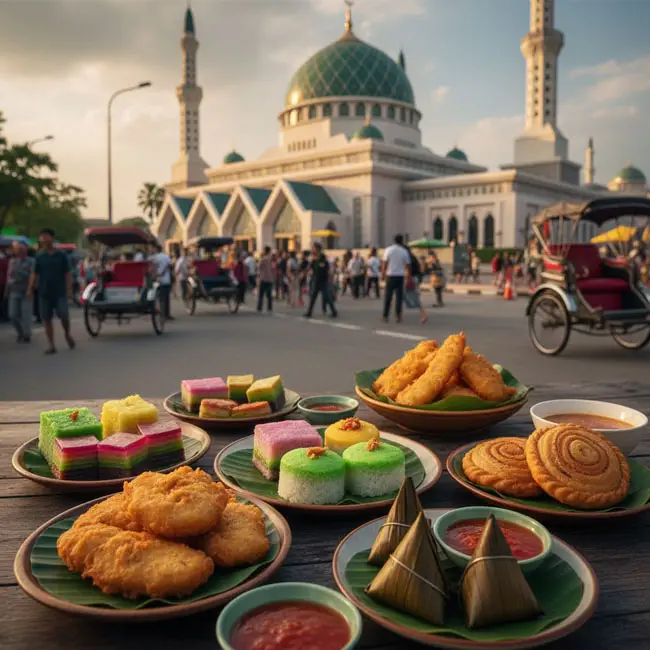
Malaysia snacks are more than just quick bites between meals—they are tiny windows into the country’s multicultural soul. Influenced by Malay, Chinese, Indian, Peranakan, and indigenous traditions, Malaysian snacks reflect how people live, gather, and share food every day. From bustling morning markets to late-night roadside stalls, snacks are part of daily life, eaten casually, shared generously, and remembered fondly.
This guide focuses on the cultural side of Malaysia snacks: how they are enjoyed, what makes them special, and why locals keep coming back to the same flavors again and again. No complicated recipes here—just friendly storytelling, food culture, and the snack names you’ll hear everywhere in Malaysia.
🥟 Malaysia Snack Culture: Small Bites, Big Meaning
In Malaysia, snacks are not treated as something minor. They are deeply connected to routine, family, and community. Many people grow up eating the same snacks their parents and grandparents enjoyed, often prepared by familiar hands at neighborhood stalls.
Snacks are eaten:
• Early in the morning with family before work or school
• Mid-morning during a short break
• In the afternoon as a light meal
• Late at night at street stalls after a long day
Because of Malaysia’s warm climate, snacks are usually light, flavorful, and easy to eat on the go. They are designed to satisfy without feeling heavy, making them perfect companions for daily life.
🍡 Traditional Malay Snacks You’ll See Everywhere
🌴 Kuih: The Heart of Malaysian Snacks
Kuih is a collective term for traditional Malaysian snacks, usually small, colorful, and handmade. These snacks are commonly sold in morning markets, neighborhood shops, and roadside stalls.
Kuih often feature ingredients like rice flour, coconut milk, palm sugar, and pandan leaves. The flavors are gently sweet rather than overpowering, and textures range from soft and chewy to slightly firm.
Popular kuih styles include:
• Steamed kuih with smooth, glossy surfaces
• Fried kuih with crispy edges
• Layered kuih with vibrant colors
Eating kuih is often a social experience. Families buy mixed boxes to share at home, and coworkers bring them to the office for everyone to enjoy together.
🥥 Onde-Onde (Kuih Buah Melaka)
Onde-onde are small green rice balls filled with liquid palm sugar and coated in fresh grated coconut. When bitten into, the sweet filling flows gently, creating a satisfying contrast with the chewy outer layer.
These snacks are commonly enjoyed in the afternoon and are often associated with home-style comfort and nostalgia.
🍠 Kuih Keria
Kuih keria is a sweet potato donut coated in a thin layer of crunchy sugar glaze. It is crispy on the outside and soft inside, making it a favorite for breakfast or mid-morning snacks.
🥢 Chinese-Influenced Malaysian Snacks
Chinese Malaysian communities have contributed many beloved snacks that are now enjoyed by everyone, regardless of background.
🥟 Popiah
Popiah is a fresh spring roll filled with cooked vegetables, tofu, and sometimes egg. It is wrapped in a thin crepe-like skin and often eaten as a light snack or shared among friends.
Popiah is known for its balance—soft, crunchy, savory, and slightly sweet—all in one bite.
🍥 Chee Cheong Fun (Snack-Style)
While often eaten as a light meal, chee cheong fun is also a popular snack. These smooth rice noodle rolls are served with light sauces and sometimes sesame seeds.
Locals enjoy it in the morning or as a gentle snack that doesn’t feel too filling.
🌶️ Indian-Inspired Snacks in Malaysia
Indian snacks in Malaysia often feature bold spices and satisfying crunch, reflecting South Indian culinary traditions adapted to local tastes.
🥨 Murukku
Murukku is a crunchy, spiral-shaped snack made from rice flour and spices. It is commonly prepared during festive seasons but is also available year-round at markets and shops.
People often snack on murukku while chatting, watching television, or during family gatherings.
🍌 Banana Fritters (Indian-Style)
Deep-fried banana fritters are popular across cultures in Malaysia. Crispy outside and soft inside, they are usually eaten hot and fresh in the afternoon.
🍢 Street Snacks and Everyday Life
Street snacks are where Malaysia’s food culture truly comes alive. These snacks are affordable, quick, and deeply tied to everyday routines.
🍢 Satay-Style Snacks (Non-Alcohol Context)
While satay is often considered a main dish, smaller portions are commonly enjoyed as snacks, especially in the evening. People gather around stalls, chatting while waiting for skewers to grill.
🥔 Fried Snacks at Roadside Stalls
Roadside stalls often display trays of fried snacks like tofu, vegetables, and dough-based bites. Customers point at what they want, and the vendor fries them fresh.
This style of eating encourages interaction—short conversations, smiles, and familiar faces.
🏡 Snacks at Home: Family and Comfort
Not all Malaysian snacks come from markets. Many are made at home, especially during weekends or special occasions.
Home snacks are often prepared in batches and shared with neighbors or relatives. This habit strengthens community bonds and keeps traditional food knowledge alive.
Children often grow up watching elders prepare snacks, learning by observation rather than written recipes.
🧁 Modern Malaysian Snacks: Tradition Meets Creativity
In recent years, Malaysia snacks have evolved with modern twists. Bakeries and home-based businesses experiment with traditional flavors in new forms.
Examples include:
• Pandan-flavored cakes inspired by kuih
• Coconut-based desserts with modern presentation
• Snack boxes combining traditional and contemporary items
Despite the creativity, the heart of Malaysian snacks remains the same: familiar flavors and comforting textures.
🌏 Why Malaysia Snacks Are Loved Worldwide
Malaysia snacks appeal to many people because they are:
• Balanced in flavor, not overly sweet
• Texturally interesting
• Rooted in cultural stories
• Easy to share
For travelers, snacks are often the first introduction to Malaysian food culture. For locals, they are daily companions that feel like home.
🍽️ How Locals Enjoy Malaysia Snacks Daily
There are no strict rules for eating snacks in Malaysia. People eat them:
• Standing by a stall
• Sitting on plastic chairs by the roadside
• At home with family
• At work during short breaks
This flexibility makes snacks an essential part of Malaysian food identity.
❓ FAQ: Malaysia Snacks
❓ Q1. What are Malaysia snacks known for?
Malaysia snacks are known for their cultural diversity, gentle sweetness, and use of ingredients like coconut, rice flour, and palm sugar.
❓ Q2. Are Malaysian snacks usually sweet or savory?
Both. Malaysia offers a wide range of sweet and savory snacks, often enjoyed at different times of the day.
❓ Q3. When do locals usually eat snacks in Malaysia?
Snacks are eaten throughout the day—from early morning to late at night—depending on routine and personal preference.
❓ Q4. Why are snacks important in Malaysian food culture?
Snacks reflect daily life, community sharing, and cultural heritage, making them an essential part of Malaysia’s food identity.
🍱 Crowd-Favorite Celebration Snacks from Malaysia
👉 Indulge 3 Celebration Malaysia Snacks
| 🌐 🍱 < Back | 🇲🇾 🍞 < Previous | Next > 🥘 🇲🇾 |