
🏠 Home > 🗺️ Recipes > 🍲 Soups > 🇲🇾 Malaysia Soups
🇲🇾 🍲 Malaysia Soups Recipes
Published by Supakorn | Updated: February 2026
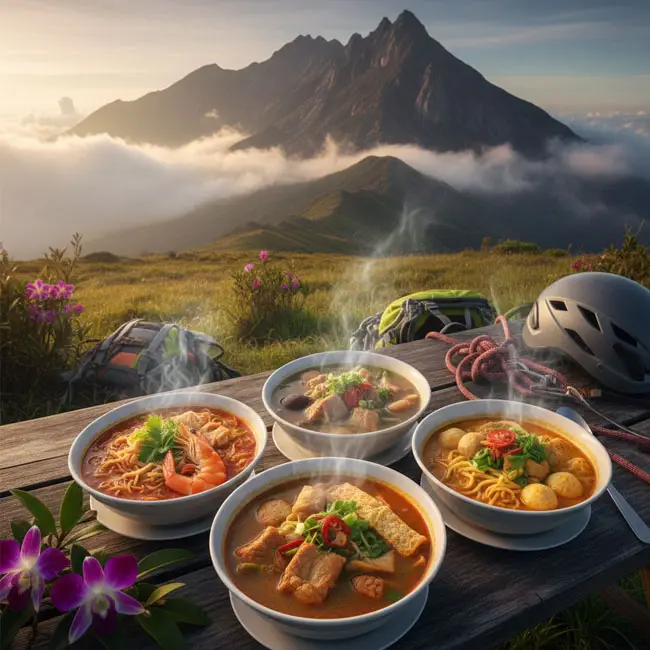
There is something incredibly soul-soothing about a bowl of hot soup, isn’t there? But in Malaysia, soup isn’t just a side dish or a light starter. It’s often the star of the show, a meal in itself, and a deep reflection of our multicultural identity. Whether it’s a rainy monsoon evening or a humid afternoon, Malaysians are always ready to "slurp" their way through a flavorful broth.
In this guide, we’re diving deep into the steaming pots of Malaysia soups. We’ll chat about how these broths define our daily life, the different regional variations, and why the "soup culture" here is a beautiful, aromatic blend of Malay, Chinese, and Indian traditions. So, grab a spoon (and maybe some chopsticks), and let's get into it!
🥣 The Philosophy of the "Slurp": Malaysian Soup Culture
In Western dining, soup is often a smooth, blended affair served before the main course. In Malaysia, we like our soups complex, textured, and usually filled with enough ingredients to keep you full for hours.
🏠 A Bowl for Every Occasion
For many Malaysian families, a meal isn't complete without a bowl of soup in the center of the table.
• The Daily Staple: In Chinese-Malaysian households, "slow-boiled soups" (Lo Fo Tong) are served nightly to balance the body's energy.
• The Street Feast: At the Mamak stalls or night markets, soups are bold, spicy, and meant to be eaten with a side of crusty bread or white rice.
• The Festive Warmth: During celebrations, soups become more elaborate, using premium herbs and meats to welcome guests.
⚖️ The Balance of "Heat" and "Cool"
Malaysian soup culture is heavily influenced by the concept of "heaty" and "cooling" foods. If you’ve been eating too much fried food, your grandma will likely boil a "cooling" melon soup. If you’re feeling under the weather, a "heaty" ginger or herbal broth is brought out. It’s food as medicine, but it tastes a whole lot better than a pill!
🍜 The Legends: Iconic Spicy and Creamy Soups
When most people think of Malaysia soups, their minds go straight to the bold, red, and spicy varieties. These are the heavy hitters that have put Malaysia on the global food map.
🍜 Laksa: The Queen of Noodle Soups
You can’t talk about Malaysian broth without mentioning Laksa. However, don't just ask for "Laksa" without specifying which one, or you might start a friendly debate!
• Curry Laksa: A rich, coconut-milk-based broth infused with chili, lemongrass, and turmeric. It’s creamy, spicy, and usually loaded with tofu puffs, prawns, and cockles.
• Asam Laksa: This is a sour, fish-based soup from Penang. It uses tamarind (asam) to give it a tangy kick, balanced with shredded mackerel and torch ginger flower. It’s refreshing, pungent, and absolutely addictive.
🥣 Soup Utara (Northern Style Soup)
Coming from the northern states like Kedah and Perlis, this is a clear but incredibly flavorful beef or chicken broth.
• The Flavor: It’s packed with "Sup Bunjut" (a spice pouch containing star anise, cinnamon, and cardamom).
• The Toppings: It’s served with a garnishing of fried shallots, Chinese celery, and a very spicy Sambal Kicap (spicy soy sauce) on the side.
🌿 Herbal and Traditional Broths: The Comfort Zone
Beyond the spice, Malaysia has a deep love for herbal broths that focus on depth of flavor and health benefits.
🍖 Bak Kut Teh (Meat Bone Tea)
Despite the name, there is no actual tea in the soup. Bak Kut Teh is a complex broth made by simmering pork ribs (or chicken in the "Chik Kut Teh" version) with an array of Chinese herbs and spices like goji berries, dong quai, and star anise.
• The Ritual: It’s traditionally eaten for breakfast! It’s served with a side of white rice, fried dough crullers (You Tiao), and a pot of strong Chinese tea to cut through the richness.
🍲 Sup Kambing (Mutton Soup)
This is an Indian-Muslim (Mamak) classic. Sup Kambing is a thick, yellowish mutton soup that is incredibly aromatic.
• The Spice: It’s heavy on the black pepper, cumin, and coriander.
• The Texture: The meat is cooked until it’s falling off the bone. It’s almost always eaten by dipping pieces of toasted Roti Bengali (thick white bread) into the broth to soak up every last drop.
🥦 Light and Clear: The Everyday Heroes
Not every soup needs to be a spice explosion. Sometimes, the beauty of Malaysia soups lies in their simplicity.
🍈 Sayur Air (Clear Vegetable Soup)
This is the ultimate home-cooked comfort food. It usually features leafy greens (like spinach or bayam), anchovies for umami, and slices of sweet potato or corn. It’s light, hydrating, and tastes like home.
🥟 Yong Tau Foo Soup
In this dish, various items like tofu, okra, chilies, and bitter melon are stuffed with fish paste and served in a clear, sweet soybean and anchovy broth. It’s a favorite for those looking for a "cleaner" meal that still packs a punch of flavor.
🗺️ Regional Soup Specialties: A Journey Across the States
If you travel through the 13 states of Malaysia, you'll find that the "soup of the day" changes constantly.
🥥 Laksa Sarawak (East Malaysia)
Celebrity chef Anthony Bourdain once called this the "Breakfast of the Gods." Unlike the Laksa in West Malaysia, Sarawak Laksa uses a base of sambal belacan and coconut milk, but with a very subtle, earthy spice profile that doesn't use curry powder.
🍜 Soto Ayam
A favorite in Johor and influenced by Javanese culture, Soto Ayam is a spiced chicken soup served with Nasi Impit (compressed rice cubes) and Begedil (fried potato patties). The broth is yellow from turmeric and incredibly fragrant.
🐟 Sup Ikan (Fish Soup)
In coastal towns, clear fish soups made with ginger and tomatoes are the go-to. They use the freshest catch of the day, ensuring the broth is sweet and clean without any fishy aftertaste.
🥄 How We Eat Soup: More Than Just a Spoon
Eating soup in Malaysia is an art form. It’s rarely just about the liquid; it’s about the accompaniments.
1.The "Dip" Culture: Whether it's Roti Canai, You Tiao, or plain white bread, we love dipping our carbs into the soup.
2.The Rice Connection: Many Malaysians won't eat soup alone. It’s almost always poured over a bowl of hot steamed rice, transforming the broth into a hearty sauce.
3.The Condiment Tray: A Malaysian soup is never "finished" until the eater adds their touch. You'll always find small bowls of bird’s eye chilies (Cili Padi), lime halves, and fried shallots on the table to customize the flavor.
🍲 Why Malaysian Soups are Unique
What sets our soups apart from the rest of the world?
• Complexity: We aren't afraid to mix seafood and meat, or sweet and sour flavors in a single pot.
• Fresh Aromatics: We use fresh roots like galangal, ginger, and turmeric rather than just dried powders.
• The Umami Factor: We use dried anchovies (Ikan Bilis), dried shrimp, and fermented shrimp paste (Belacan) to create a base layer of flavor that is incredibly deep.
🥯 Final Thoughts: A Hug in a Bowl
Malaysian soups are a testament to our history. You can taste the spice trade of the past, the influence of our ancestors, and the abundance of our tropical land in every spoonful. Whether you are sweating over a spicy bowl of Laksa at a roadside stall or sharing a quiet herbal soup with family at home, these broths are what keep the Malaysian spirit warm.
Next time you’re looking for a meal that offers comfort, excitement, and a bit of a sweat, look no further than the diverse world of Malaysia soups.
❓ FAQ: Your Soup Questions Answered
Q1. Is Malaysian soup usually very spicy?
It depends! While Laksa and Sup Kambing have a kick, many soups like Bak Kut Teh, Soto, and vegetable soups are mild and focus more on herbal or savory flavors.
Q2. What is "Sup Bunjut"?
You’ll see this mentioned in many recipes. It’s a pre-packed muslin spice bag containing whole spices like star anise, cinnamon, cloves, and cardamom. It allows the flavors to infuse into the soup without you having to bite into a whole spice!
Q3. Are there vegetarian options for Malaysian soups?
Yes! While many traditional broths use anchovies or meat for the base, many Chinese-style vegetable soups and some "Mamak" dhal soups are entirely vegetarian-friendly.
Q4. Why do Malaysians eat hot soup in such hot weather?
It sounds crazy, but eating hot, spicy soup actually helps you cool down! It induces sweating, which is the body's natural way of lowering its temperature. Plus, it’s just too delicious to wait for a cold day.
Q5. Can I eat these soups as a main meal?
Absolutely. Most Malaysian soups are served with noodles, rice, or bread, making them a complete and very filling meal.
🍲 Warm the Heart with Iconic Malaysian Festive Soups
👉 Cook 3 Malaysia Celebration Soups
| 🌐 🍲 < Back | 🇲🇾 🍷 < Previous | Next > 🥗 🇲🇾 |