
🏠 Home > 🗺️ Recipes > 🍷 Drinks > 🇲🇽 Mexico Drinks
🇲🇽 🍷 Mexico Drinks Recipes
Published by Supakorn | Updated: February 2026
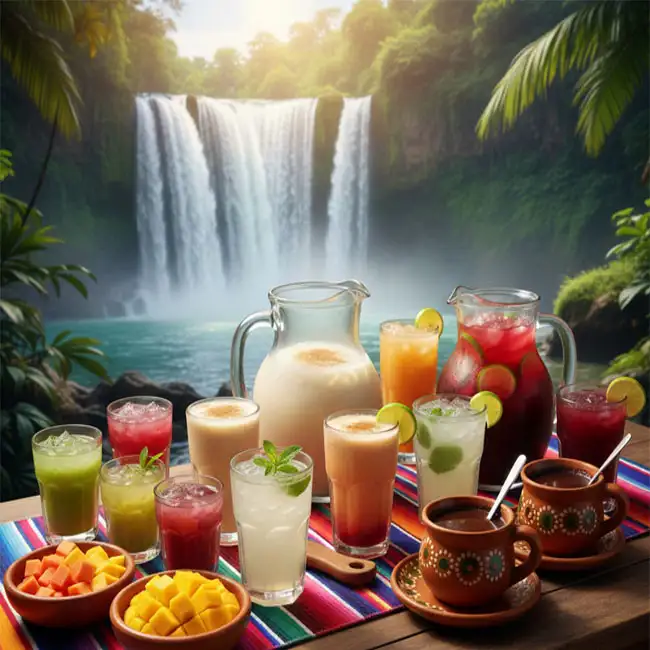
Hey food lovers and refreshment seekers! Welcome to a journey into the vibrant, flavorful, and incredibly refreshing world of Mexican beverages. When you think of Mexico, your mind might jump straight to those iconic main dishes we talked about—the tacos, the moles, the enchiladas. But trust me on this: the drink culture is just as rich, complex, and deeply rooted in history as the food itself.
This chat is dedicated entirely to the incredible, authentic, non-alcoholic drinks that truly hydrate the nation, warm the soul, and showcase Mexico’s genius for natural flavors. These beverages—the Aguas Frescas (fresh waters), the cozy hot drinks are the unsung heroes of every Mexican meal and social gathering.
Think of walking through a bustling mercado (market), the air thick with the aroma of spices and ripe fruit, and then spotting those huge, colorful glass containers (vitroleros) filled with brilliant magenta, creamy white, and sunny yellow liquids. That, my friends, is the heart of Mexican refreshment. Ready to dive into the history, the ritual, and the sheer deliciousness of Mexico's favorite non-alcoholic drinks? Let's get sipping!
💧 The Essence of Refreshment: Mexico’s Drink Culture Foundation
Mexican drink culture is not just about quenching thirst; it’s about transformation. It’s the art of taking simple, natural ingredients—like seeds, grains, flowers, and fruits—and turning them into something magnificent and restorative. This tradition goes back thousands of years, predating the Spanish conquest, and is intrinsically linked to the land and the needs of its people.
☀️ The Need for Refreshment: Climate and Hydration
Mexico is a country of intense sun and varying climates, making proper hydration a daily necessity, not a luxury. This environmental reality fueled the development of Aguas Frescas—drinks that are inherently lighter, less sugary than modern sodas, and designed to genuinely quench thirst.
The tradition reflects an old-school wisdom: using what the earth provides fresh, blending it simply with water, and ensuring hydration tastes incredible. Whether you’re working hard in the fields, bustling through a humid city market, or sitting down for the mid-day Comida, a large glass of a naturally flavored drink is mandatory. These drinks act as a cleansing counterpoint to the rich, spicy main dishes, balancing the palate and aiding digestion. They are a daily health necessity wrapped in deliciousness, and the ingenuity in creating these thirst-quenchers is truly something to celebrate.
The key component of this tradition is accessibility. Unlike formal, expensive drinks, Aguas Frescas are democratic. They are everywhere—sold from buckets on the side of the road, served in every fonda (small eatery), and pitcher-ready in every home refrigerator. This universal availability underlines their fundamental role in Mexican life.
🕰️ Drinks Rooted in Mesoamerica: Corn and Cacao
The foundation of Mexican drink culture is inseparable from the ingredients that shaped its ancient civilizations: corn (maíz) and cacao. Long before sugar was common, these ingredients were the basis for nutritious, ceremonial, and everyday beverages.
Cacao, in particular, was revered by the Olmec, Maya, and Aztec civilizations. It wasn't consumed as the sugary confection we know today. Instead, cacao beans were ground, mixed with water, chili peppers, and spices, and served as a bitter, frothy, highly valuable beverage reserved for the elite, rituals, and warriors. This ancient tradition of treating cacao as a profound, ceremonial drink laid the groundwork for the modern Mexican hot chocolate tradition. The addition of spices like cinnamon and sometimes chili to modern hot chocolate is a direct link to this powerful pre-Hispanic past.
Corn, the lifeblood of Mexico, didn't stop at being the base for tortillas. It was also the primary ingredient for nourishing, warm beverages. Ancient peoples created Atole—a thick, warm drink made from masa (corn dough) and water, often flavored with fruit, honey, or later, chocolate. Atole was (and still is) a staple for workers, infants, and during cold mornings, providing sustained energy and vital nutrients. These ancient drinks—rooted in the most sacred plants—show that Mexican beverages have always been about nourishment and tradition, not just flavor.
🥤 The Crown Jewels: Famous Aguas Frescas and Hydrating Blends
Aguas Frescas (literally "fresh waters") are the defining category of non-alcoholic Mexican drinks. They are light, refreshing, often naturally sweet (or tart!), and made by blending fruits, seeds, grains, or flowers with water and a bit of sweetener, then often strained to achieve a perfect, smooth consistency. Seeing them displayed in those towering vitroleros is a signature Mexican sight.
🌸 Agua de Jamaica: The Tart and Rosy Quencher
If you're looking for a drink that is both incredibly satisfying and visually stunning, Agua de Jamaica (pronounced ha-MY-cah) is your answer. This drink is made from the dried calyces (the red, protective part of the flower) of the hibiscus plant.
To make it, the dried hibiscus flowers are boiled in water to release their incredible, deep magenta color and intensely tart flavor. It is then sweetened and chilled. The flavor is often compared to cranberry juice, but with a more earthy, floral, and complex undertone. Agua de Jamaica is beloved because it is so incredibly refreshing, possessing a lovely tartness that cuts through the heat of the day and the richness of many main dishes. It’s also traditionally believed to have restorative and health properties, cementing its place as a healthy, daily staple rather than a mere treat.
The color alone, that vibrant, almost electric pink-red, makes it stand out on any table or market stall. It’s a testament to the Mexican ability to take something simple—a dried flower—and transform it into a daily ritual of pleasure.
🍚 Horchata: The Milky, Cinnamon Dream
Horchata (pronounced or-CHAH-tah) is a complete contrast to the tartness of Jamaica, yet it is equally essential. This is the creamy, white, sweet drink of the Aguas Frescas family, and it’s a global star.
While horchata traditions exist elsewhere, the Mexican version is uniquely based on rice. The process is a labor of love: rice is soaked overnight with cinnamon sticks, sometimes almonds or other seeds, and then meticulously blended with water until creamy. The mixture is strained multiple times to achieve a velvety smoothness, then sweetened and chilled.
The taste is immediately recognizable: cooling, subtly sweet, deeply flavored with cinnamon, and surprisingly satisfying. It feels richer than a typical Agua Fresca due to the starchy, creamy rice base. It is the perfect pairing for spicy food, as the subtle sweetness and creaminess naturally soothe the palate. Horchata represents the ingenuity of using grains to create beverages that are both hydrating and slightly nourishing, a perfect example of blending simplicity with elegant flavor.
🍋 The Citrus Stars: Limonada, Naranjada, and Unique Fruit Blends
While the floral and grain-based drinks get a lot of attention, Mexico is also a paradise for fruit-based beverages. The most common are the straightforward and utterly perfect Limonada (limeade) and Naranjada (orangeade).
Unlike heavily processed citrus drinks, these are made fresh daily, often right at the moment of ordering. A classic limonada is simply fresh lime juice, water, and just enough sugar to balance the intense sourness of the Mexican lime. The same goes for naranjada. They are often served sparkling (with bubbly mineral water) or still. These beverages emphasize freshness and clean flavor above all else.
Beyond the classics, Mexican markets are a treasure trove of seasonal fruit-based Aguas Frescas: bright pink Agua de Sandia (watermelon), earthy Agua de Pepino (cucumber), tangy Agua de Piña (pineapple), and the rich, tropical Agua de Mango. These showcase the sheer diversity of Mexico’s produce and the culture’s dedication to using seasonal ingredients in their most refreshing form.
🌳 Agua de Tamarindo: The Tangy, Earthy Favorite
Another pillar of the Aguas Frescas trinity is the unique Agua de Tamarindo (tamarind water). Tamarind is the pulp from the pods of the tamarind tree, known for its distinct sweet-and-sour flavor profile.
To make this drink, the fibrous, sticky pulp is separated from the seeds and fibers, often by soaking it in hot water. The resulting liquid is thick, tangy, and earthy. Once strained and sweetened, it creates a dark, beautifully brown-colored drink that is complex and utterly addictive. The flavor profile—a perfect balance of tartness and subtle sweetness—makes it incredibly popular, especially with meat dishes. It shows how Mexican beverage culture embraces truly unique and non-traditional fruits, transforming them into everyday delights.
🔥 Warming the Soul: Traditional Hot Beverages
While Aguas Frescas dominate the sun-drenched afternoons, Mexican culture holds a deep, warm spot for comforting hot drinks. These are typically associated with cold mornings, evening cenas (suppers), holidays, and ceremonial occasions. These drinks showcase the deep Indigenous traditions involving corn and cacao.
🍫 Chocolate Caliente: History in a Cup
As mentioned, chocolate has sacred roots in Mexico, and that reverence lives on in Chocolate Caliente (hot chocolate). The Mexican approach to hot chocolate is fundamentally different from the European style.
Mexican hot chocolate is usually made with ground cacao that is blended with warming spices, most notably cinnamon and sometimes a touch of chili or almond. It is traditionally less sweet and richer than its European counterpart. It is often made with water (especially in Oaxaca and Indigenous areas) instead of milk, which results in a lighter, cleaner chocolate flavor that truly lets the spices shine.
The preparation is ritualistic, often involving a molinillo (a wooden whisk/stirrer). The molinillo is twirled rapidly between the palms to mix the spices and create a beautiful, foamy head on the drink. This rich, frothy beverage is the quintessential drink for chilly evenings, Christmas, and the Day of the Dead, paired often with sweet breads or churros. It’s a delicious connection to Mexico's ancient past.
🌽 Atole and Champurrado: The Thick, Nourishing Comforts
If you want a drink that feels like a hug from the inside out, you need to try Atole. This thick, warm beverage is based on masa (the corn dough used for tortillas) or masa harina (corn flour). It’s essentially a liquid, slightly sweet corn porridge.
The masa is cooked slowly with water or milk and sweetened with piloncillo (unrefined cane sugar) or regular sugar. It is often flavored with vanilla, cinnamon, or fruit purees like pineapple or guava. Atole is a staple breakfast or late-night drink, particularly prized for its incredible ability to sustain and warm. It's often served alongside Tamales, making for a classic, wholesome, and deeply satisfying meal pairing.
Champurrado is simply a specific, luxurious variation of Atole. It is Atole that has been enriched and flavored with chocolate. This combination—the thickness and nourishment of the corn base blended with the rich, spicy flavor of Mexican chocolate—makes it an exceptionally decadent and popular holiday and morning beverage. Both Atole and Champurrado highlight the enduring versatility and importance of corn in the Mexican diet, proving that the most fundamental ingredient can create both solid food and delicious, warm liquid nourishment.
🍹 The Lifestyle: Where and How Drinks are Enjoyed
The enjoyment of these non-alcoholic beverages is deeply woven into the fabric of daily Mexican life, turning a simple moment of refreshment into a cultural observance.
🌈 The Colors of the Mercado: Street-Side Hydration
The mercado (local market) and the street food scene are the ultimate showcases for Mexican drink culture. The Aguas Frescas stalls are usually the most visually striking, with those massive glass vitroleros filled with intensely colored liquids lined up.
These street vendors are experts. They know exactly how sweet to make their Horchata, and they know which fruit is perfectly ripe for the day’s Agua de Piña. The drinks are prepared fresh daily, ensuring the highest quality and most vibrant flavors. Buying an Agua Fresca from a street cart, served in a large, plastic cup with ice, is one of the most quintessential and joyful everyday experiences in Mexico. It provides instant, delicious relief and perfectly complements the antojitos (street snacks) or tacos you might be enjoying. The market is where the drinks truly come alive as part of the daily hustle and bustle.
🏡 The Drink at the Comida: Complementing the Main Dish
At home or in a traditional fonda, the beverages play a critical, functional role: they are meant to perfectly complement and balance the main dish.
Unlike water or sodas, Aguas Frescas are seen as an integrated part of the meal. A tart Agua de Jamaica might be chosen to cut the richness of a pork Mole. A sweet, cooling Horchata might be served to mitigate the heat of a spicy salsa. They are an essential element of the traditional Comida Corrida (set lunch menu), which often includes a rotating Agua Fresca of the day.
This pairing shows the care and thought put into every meal. The drink is not just a side note; it's a co-star, carefully selected to ensure the overall dining experience is balanced, refreshing, and deeply satisfying. Whether hot or cold, ancient or modern, the non-alcoholic drinks of Mexico are foundational to its hospitality, its history, and its utterly delicious culinary identity. So next time you find yourself with an authentic Mexican meal, make sure you complete the experience with a tall, vibrant Agua Fresca!
❓ FAQ (Frequently Asked Questions)
Q1: What is the main difference between Mexican hot chocolate and European hot chocolate?
A: The main difference lies in the flavor profile and texture. Mexican hot chocolate is traditionally made with ground cacao that includes distinct spices like cinnamon and sometimes chili, making it more complex, earthy, and aromatic. It is often less sweet and can be made with water (especially in southern regions) rather than milk, resulting in a lighter-bodied drink, which is typically frothed using a wooden tool called a molinillo.
Q2: Why are Aguas Frescas considered so healthy and traditional in Mexico?
A: Aguas Frescas are considered traditional because they are based on fresh, natural ingredients like flowers (hibiscus, Jamaica), seeds (rice, Horchata), and seasonal fruits, aligning with ancient dietary wisdom. They are generally made with less sugar than commercial sodas, focusing on natural flavors and hydration. Their simplicity and reliance on natural ingredients connect them directly to the Indigenous culinary heritage.
Q3: What is Atole and when is it typically consumed?
A: Atole is a thick, warm, nourishing beverage made from masa (corn dough) or masa harina. It is flavored with things like vanilla, cinnamon, fruits, or in the case of Champurrado, chocolate. Atole is traditionally consumed during cold mornings as a filling breakfast drink or for supper (cena). It is often paired with Tamales and is especially popular during holidays like Day of the Dead and Christmas for its comforting and sustaining qualities.
🍷 Cozy Mexican Night: Your Guide to Delicious Dinner Drinks
👉 Taste 3 Everyday Mexico Beverages
| 🌐 🍷 < Back | 🇲🇽 🍨 < Previous | Next > 🍲 🇲🇽 |