
🏠 Home > 🗺️ Recipes > 🍝 Main Dishes > 🇲🇽 Mexico Main Dishes
🇲🇽 🍝 Mexico Main Dishes Recipes
Published by Supakorn | Updated: February 2026
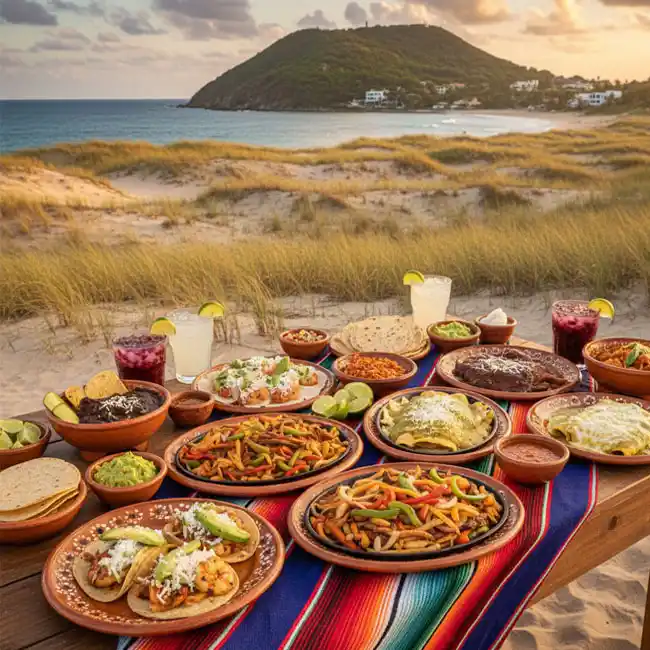
Hey everyone, grab a seat and get ready, because we're about to embark on a mouthwatering journey deep into the heart of Mexican food culture. Forget everything you think you know about "Mexican food" from chain restaurants—we're talking about the real deal here. We’re going past the surface level, past the familiar quick bites, and into the soul of comida mexicana (Mexican food), specifically focusing on the incredible main dishes that define this vibrant, UNESCO-recognized cuisine.
This isn't about listing ingredients or telling you how to cook a specific dish. Nope. This is about understanding why Mexican food tastes the way it does, how it shapes family life, and where these incredible flavors come from. Think of this as a friendly, in-depth chat over a giant bowl of steaming, comforting Pozole (or maybe a big plate of street-style tacos—we’ll get there!). Ready to explore the amazing world of authentic Mexican main dishes? Let’s dive in!
🌶️ A Taste of Tradition: Understanding Mexican Food Culture
When you talk about Mexican food, you’re not just talking about food. You are talking about history, family, ritual, and a deep connection to the land. Mexican cuisine is a living, breathing artifact—an expression of mestizaje, the beautiful blending of Indigenous traditions with European, particularly Spanish, influences. This cultural foundation is the bedrock of every main dish, making the food not just delicious, but genuinely significant. Every dish tells a story that stretches back thousands of years, a story primarily narrated by a fundamental trio of ingredients.
🌽 The Holy Trinity: Corn, Beans, and Chili Peppers
If there’s one thing you need to understand about Mexican main dishes, it’s the centrality of what is often called The Holy Trinity: corn, beans, and chili peppers. These three items aren't just common ingredients; they are the architectural pillars of the entire culinary system.
Corn (Maíz) is arguably the most important. It is the literal foundation of life in Mexico, dating back to ancient civilizations. It’s not just corn on the cob; it’s the masa (dough) used to make tortillas, tamales, sopes, gorditas, and so much more. The process of nixtamalization—soaking and cooking the corn in an alkaline solution—is an ancient, ingenious technique that makes the corn more nutritious and pliable. This process isn't just a cooking step; it's a cultural, chemical, and historical ritual that transforms a simple grain into the daily bread of Mexico. Imagine a main dish without a perfect, warm, fresh tortilla accompanying it; it's almost impossible! The tortilla is the utensil, the side dish, and often, the vessel for the main course itself.
Then we have beans (Frijoles). Simple, yes, but indispensable. They provide the necessary protein and balance to the corn-heavy diet. Whether they are whole in a broth (de la olla), mashed and refried (refritos), or incorporated into a filling, beans are a main dish’s quiet, dependable partner. They are the ultimate comfort food, providing a savory, earthy backdrop to the more complex flavors.
Finally, the chili pepper (Chile). This is where the flavor profile explodes and the complexity really sets in. Mexican food is not just "spicy"—it is nuanced, smoky, fruity, sweet, and earthy, all thanks to the incredible variety of chilies. From the mild, smoky Ancho and the fruity Guajillo used in rich moles and adobos, to the fiery Habanero or the fresh, bright Serrano used in salsas, chilies are flavor agents. They give character to every main dish, acting as a seasoning, a coloring agent, and a fundamental flavor component. They are the heart and soul of the spice rack, defining the difference between, say, a mole from Oaxaca and one from Puebla.
🕰️ A History Woven in Flavor: Pre-Hispanic and Spanish Influences
The main dishes we cherish today are products of a magnificent historical collision. Before the arrival of the Spanish, Indigenous Mexican cuisine was a masterpiece based on the Holy Trinity, along with turkey, squash, tomatoes, avocados, and unique herbs like epazote. They had sophisticated cooking methods, like steaming (tamales in the vaporera) and pit roasting (barbacoa).
When the Spanish arrived, they introduced a whole new set of ingredients that revolutionized the main dish. They brought pigs, cows, sheep, and chickens—meaning pork and beef became staples. They also introduced dairy (cheese), rice, wheat (though corn remained supreme), and a variety of spices and herbs like cinnamon and cloves, which found their way into complex dishes like Mole. This fusion, or Mestizaje, is what gives Mexican food its depth. When you eat a taco of Carne Asada (beef), you are experiencing the Spanish contribution of beef, married perfectly to the Indigenous masa tortilla and chili-based salsa. It's a culinary hug between two continents, resulting in the brilliant main dishes we enjoy today.
🗺️ The North, Central, and South: A Land of Culinary Regions
To appreciate Mexican main dishes fully, you have to recognize that Mexico is not a single culinary entity. It is a vast country with distinct geographical and cultural regions, each boasting its own unique signature dishes and traditions.
In the North, where cattle ranching is prominent and the landscape is more arid, beef and wheat (flour tortillas) take center stage. You find phenomenal Carne Asada tacos and Machaca (dried shredded beef) as staples. The flavors tend to be simpler, focusing on the quality of the meat and fresh accompaniments.
Central Mexico, particularly the states like Puebla, Mexico City, and Jalisco, is the birthplace of many famous dishes. This is the land of rich Moles, comforting Pozole, and complex stuffed chiles like Chiles en Nogada. The cuisine here is often more refined, incorporating many ingredients due to the central role of Mexico City as a historical hub.
The South and Southeast (think Oaxaca, Chiapas, and the Yucatán Peninsula) offer the most distinct flavors. Oaxaca is often called the "Land of Seven Moles" and is known for its Indigenous traditions, like wrapping tamales in banana leaves instead of corn husks. The Yucatán, with its proximity to the Caribbean, uses unique ingredients like sour oranges, Achiote paste (made from annatto seeds), and the pit-roasting technique called Pib to create stunning main courses like Cochinita Pibil. Understanding these regions is key to understanding the diversity of "Mexican Main Dishes."
🌮 The Icons: Mexico’s Dominant Main Dishes (Beyond the Tex-Mex)
When we talk about main dishes in Mexico, we’re often talking about incredible comfort food—dishes that are painstakingly prepared, rich in flavor, and designed to be shared. These are the showstoppers, the dishes tied to celebrations, family gatherings, or simply a deep, satisfying lunch. These are the meals that require more than just a quick assembly; they demand time, technique, and love.
🌮 Tacos: The Perfect Handheld Meal
Let's start with the undisputed king: the Taco. Now, please, erase the image of the crunchy, pre-formed shell filled with ground beef. The authentic Mexican taco is a perfect, soft, corn-based canvas (or sometimes flour, especially in the North) for a myriad of complex, slow-cooked fillings.
The taco is the ultimate everyday main dish—a cornerstone of the diet. It represents speed, efficiency, and incredible flavor. But what truly makes it a main dish is the quality and preparation of the protein. We are talking about slow-braised meats that melt in your mouth, each prepared with a specific chili marinade or cooking technique:
• Al Pastor: Thin slices of pork marinated in a mix of chiles, spices, and a hint of pineapple, cooked on a vertical rotisserie (like a Shawarma/Gyro) and shaved off. It's an adaptation that originated from Lebanese immigrants, now a beloved Mexican staple.
• Barbacoa: Traditionally lamb or goat, slow-cooked for hours, often in an underground pit, until incredibly tender. Served simply with its own savory juices.
• Carnitas: Pork shoulder or other cuts slow-cooked (confit-style) in lard until super crispy on the outside and unbelievably tender inside. A specialty of Michoacán.
In Mexico, a taquería (taco stand/restaurant) often specializes in just one of these styles. The taco is never lonely, either. It’s always accompanied by a rainbow of salsas, from the creamy avocado-based Salsa Verde to the smoky, red Salsa Roja, diced onions, cilantro, and a squeeze of fresh lime. Eating tacos isn't just a meal; it's an art form of combining flavors and textures.
🥘 Mole: The Art of the Slow-Simmered Sauce
If the taco is the daily workhorse, Mole (pronounced MOH-lay) is the celebratory masterpiece. The word mole simply means "sauce" in Nahuatl (an Indigenous language), but in practice, it refers to one of the most complex and revered culinary preparations in the world. This is where the term "main dish" really stretches its meaning, as the sauce is the main event.
A true Mole, such as the famous Mole Poblano (from Puebla) or the Mole Negro (from Oaxaca), can contain anywhere from 20 to over 30 ingredients. The base is always a mixture of different chilies—like Mulato, Pasilla, and Ancho—that are toasted, rehydrated, and ground. To this, countless other ingredients are added: nuts (almonds, peanuts), seeds (sesame, pumpkin), spices (cinnamon, cloves, cumin), tomatoes, and often, a touch of unrefined sugar or chocolate (not for sweetness, but for depth and color).
The preparation is a labor of love, often taking days. The grinding, roasting, and simmering is typically a communal, familial event. The resulting sauce is intensely flavored—deep, savory, and layered—and is usually poured over slow-cooked turkey or chicken, and served with rice. Mole is a dish of incredible cultural significance, often reserved for weddings, Quinceañeras, and major holidays, signifying respect, tradition, and profound hospitality.
🥣 Pozole & Menudo: Festive Bowls of Tradition
Sometimes, the main dish takes the form of a soul-warming bowl of soup or stew. Pozole (pronounced poh-SOH-leh) is perhaps the most beloved of these. It is a hearty, pre-Hispanic stew based on cacahuazintle corn kernels (a specific type of large-kernel white corn that is nixtamalized until it "blooms" into a beautiful, flower-like shape).
The stew comes in three main colors:
• White Pozole (Blanco): The base, with no chili, allowing the flavor of the corn and the meat (usually pork or chicken) to shine.
• Red Pozole (Rojo): Flavored and colored with milder, fruity chilies like Guajillo and Ancho.
• Green Pozole (Verde): Common in Guerrero, this version gets its color from tomatillos, pumpkin seeds, and sometimes cilantro and epazote.
Pozole is never served plain. It's a highly interactive dish. You customize your bowl with a generous array of garnishes: shredded lettuce or cabbage, radishes, onion, oregano, and a squeeze of lime. It’s traditionally eaten on Thursday, Saturday, or Sunday, and especially during national holidays like Mexican Independence Day. It’s a celebratory, feel-good main course meant to be eaten with family and friends.
A close cousin, though regionally distinct, is Menudo, a stew made with tripe and a red chili broth. It is legendary as a weekend dish and a traditional breakfast/brunch item, famed for its comforting, restorative qualities.
🫔 Enchiladas and Tamales: Comfort Food Royalty
These two dishes represent the pinnacle of Mexican comfort food, both centered around the masa dough, but prepared and served in entirely different ways.
Enchiladas literally means "in chile" or "seasoned with chile." It involves lightly fried corn tortillas dipped in a chili sauce and then filled, typically with shredded chicken, cheese, or vegetables. The dish is then baked or simmered briefly and topped with a finishing garnish—cream, fresh cheese (queso fresco), and onions. Like Pozole, Enchiladas have vibrant color variations:
• Enchiladas Rojas (Red): Made with a rich, tomato and chile pasilla sauce.
• Enchiladas Verdes (Green): Made with a zesty, bright tomatillo and serrano chili sauce.
• Enmoladas: Not enchiladas per se, but tortillas dipped in Mole sauce, showcasing how the primary flavor agent (the chile/sauce) dictates the dish’s character.
Tamales are an ancient, pre-Hispanic dish and perhaps the most labor-intensive. They are essentially masa dough, mixed with lard or oil to make it fluffy, which is then spread onto a corn husk or banana leaf, filled with a savory or sweet filling (like Mole chicken, pork in Salsa Verde, or dried fruit), and then steamed until firm. Tamales are the ultimate expression of slow food. Like Mole, they are often made in enormous batches during major holidays (Christmas, Day of the Dead) or family celebrations, with everyone pitching in on the assembly line. They are a main dish that embodies community and tradition.
🍽️ The Rhythm of the Day: Eating and Living in Mexico
Mexican food culture is defined not only by what is eaten but by how and when it is eaten. The culinary schedule is structured around social interaction, family, and the rhythm of the day, making mealtimes significant cultural events. Understanding this rhythm is key to understanding the main dish’s role in daily life.
☀️ From Desayuno to Cena: The Structure of Meals
The Mexican day is structured around two very distinct, substantial main meals, making the traditional cena (dinner) a surprisingly light affair.
1.Desayuno (Breakfast): This is usually eaten early and can range from something light to a substantial, warm meal. Think scrambled eggs, Chilaquiles (fried tortilla pieces simmered in salsa), or a small plate of Huevos Rancheros. It’s intended to fuel the morning.
2.Comida (The Main Meal/Lunch): This is the most important meal of the day and the primary setting for the main dishes we’ve been discussing. Eaten generally between 2:00 PM and 4:00 PM, Comida is often a multi-course affair, particularly in restaurants or at home in a fonda (small eatery). It starts with soup, followed by the Plato Fuerte (the main course—a rich mole, a plate of Carne Asada, a helping of Cochinita Pibil, etc.), often served with rice and beans, and finishes with a small dessert. This meal is sacred. Businesses slow down, schools break, and families gather.
3.Cena (Dinner/Supper): Because Comida is so substantial, Cena is often a very light evening meal, eaten around 8:00 PM or 9:00 PM. It might be a small bowl of hot chocolate and bread, or maybe some leftovers, but rarely the elaborate, heavy main dishes that define lunch.
👨👩👧👦 Sobremesa: More Than Just Dessert
One of the most beautiful traditions tied to the main meal (Comida) is the Sobremesa (literally "over the table"). This is the period after the main course is cleared but before people leave the table. It is not about food; it's about conversation.
The Sobremesa can last for an hour or more, particularly on weekends. It is the time for family and friends to linger, talk about the day, discuss politics, share stories, and genuinely connect. The incredible main dishes serve not just to satisfy hunger, but as a centerpiece around which this crucial social and familial bonding occurs. It underscores the idea that food is the vehicle for human connection, not just sustenance. You don't rush through a main dish in Mexico; you savor the flavor and then savor the company.
🚚 The Heart of the Streets: Antojitos as Main Dishes
The lines blur beautifully in Mexico between street food (Antojitos or "little cravings") and the formal main dish. While some are small snacks, many are substantial enough to serve as a perfectly acceptable Plato Fuerte for Comida or a late-night meal. These dishes showcase the genius of the masa dough in its many forms:
• Gorditas: Thick masa patties that are split open and stuffed with various savory fillings like chicharrón (pork rinds), cheese, or beans. They are rich and filling.
• Sopes: Small, thick masa disks with pinched-up edges, like a mini-pizza crust, which are lightly fried, smeared with beans, and topped with shredded meat, cream, cheese, and salsa.
• Huaraches: Shaped like the sole of a sandal (huarache), these are large, thin masa bases topped with similar ingredients to sopes.
These street foods are main dishes of convenience and immediate gratification. The taquero (taco vendor) or Antojito vendor is an artist, preparing the meal right in front of you. This street food culture is central to the Mexican culinary identity, proving that complex, satisfying main dishes don't need a formal dining room—they just need fresh ingredients and passion.
🌿 A Look Ahead: Modern Trends and Sustainability
Mexican cuisine is old, but it's not static. It continues to evolve, embracing modern sensibilities while fiercely protecting its ancient heritage. Today’s chefs and home cooks are looking at both the future and the past simultaneously, ensuring the rich traditions of the main dishes endure.
🌎 Protecting a Heritage: UNESCO Recognition
The world has recognized the singular importance of this food culture. In 2010, UNESCO recognized Traditional Mexican Cuisine as an Intangible Cultural Heritage of Humanity. This is a massive deal, as it validates not just the dishes themselves, but the entire culinary system: the farming (especially of corn), the ancient techniques (like nixtamalization), the communal preparation (like Tamales and Mole), and the specific social practices (like Sobremesa).
This recognition has spurred a renewed focus on preserving the authentic flavors of the main dishes, encouraging cooks to use heritage corn varieties, source local, sustainable ingredients, and stick to time-honored methods. It means that the Mole you eat today is being protected as a cultural masterpiece for future generations.
🌱 The Rise of Plant-Based Comida Mexicana
While traditional Mexican main dishes often feature pork, beef, or chicken (thanks to Spanish influence), the cuisine's roots are inherently based on the Holy Trinity—corn, beans, and chilies. Historically, vegetables and plant-based protein were the norm.
Today, there is a beautiful resurgence in focusing on these naturally plant-forward main dishes. You see traditional dishes being celebrated: complex mushroom fillings for tacos and quesadillas, incredible vegetable stews, and the use of ingredients like huitlacoche (corn smut, a delicacy with an earthy, truffle-like flavor) or hibiscus flowers (Jamaica) used as a savory taco filling. Mexican food, at its heart, has always offered incredible, hearty, and satisfying main dishes that just happen to be plant-based, making it perfectly positioned for modern food trends without sacrificing any of its deep, rich flavor.
So, there you have it. Mexican main dishes are a world unto themselves—a beautiful blend of deep history, regional diversity, and passionate family tradition. They are more than just food; they are an invitation to slow down, connect, and taste the beautiful, complex history of a truly great civilization.
❓ FAQ (Frequently Asked Questions)
Q1: Why is "Mexican food" in the US often so different from the food in Mexico?
A: That’s a fantastic question! The difference largely boils down to geography, history, and ingredient availability. The style most common outside of Mexico is often called Tex-Mex or Cal-Mex. This style adapted Mexican flavors using ingredients common in the US (like cheddar cheese, hard taco shells, and large amounts of ground beef). In contrast, authentic Mexican food relies heavily on the ancient process of nixtamalization for its corn, fresh queso fresco (fresh cheese), and the distinct, varied flavors of fresh and dried chilies, prioritizing slow-cooked, complex flavors over quick assembly.
Q2: Is it true that lunch (Comida) is the most important meal of the day in Mexico?
A: Absolutely, yes! The Comida is the main event. It usually takes place between 2:00 PM and 4:00 PM and is the time when the most substantial and complex main dishes (like Mole, Pozole, or a large plate of Carne Asada) are served. This is often a multi-course meal designed to be enjoyed at a leisurely pace with family or colleagues. Because Comida is so hearty, the evening meal (Cena) is typically much lighter, often consisting of just a snack or light beverage.
Q3: What is nixtamalization and why is it so vital to the main dishes?
A: Nixtamalization is an ancient, Indigenous process where dried corn kernels are cooked and soaked in an alkaline solution (usually limewater). This is absolutely vital! It chemically transforms the corn, making it softer, easier to grind into masa (dough), and—most importantly—it significantly increases its nutritional value by making the B vitamins and niacin digestible. Without nixtamalization, you couldn't make a proper, pliable tortilla, a smooth tamal, or a perfectly "bloomed" Pozole kernel. It’s the essential starting point for almost every corn-based main dish in Mexico.
🍝 Authentic Mexican Dinner Ideas Made Easy
👉 Discover 3 Family Mexico Dishes
| 🌐 🍝 < Back | 🇲🇽 🥪 < Previous | Next > 🍨 🇲🇽 |