
🏠 Home > 🗺️ Recipes > 🍝 Main Dishes > 🇫🇲 Micronesia Main Dishes
🇫🇲 🍝 Micronesia Main Dishes Recipes
Published by Supakorn | Updated: June 2026
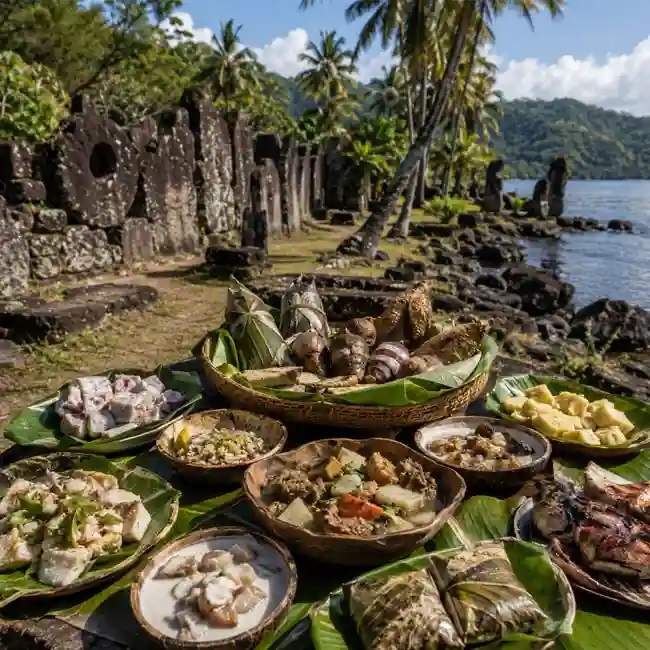
Hey there, fellow food lover! If you have ever stared at a map of the vast Pacific Ocean and wondered what paradise tastes like, you are in the exact right place. Today, we are taking an incredible culinary journey to Micronesia. Spanning thousands of tiny, sun-drenched islands across the western Pacific—including beautiful spots like Chuuk, Kosrae, Pohnpei, Yap, and the Marshall Islands—this region holds some of the best-kept food secrets on the planet.
When you think of Micronesian food, think fresh, think natural, and think deeply connected to both the earth and the ocean. For centuries, the locals have mastered the art of living off the land and sea, creating a food culture that is wonderfully minimalist yet bursting with rich, tropical flavor. We are talking about fresh catches straight from the coral reefs, starchy root vegetables pulled from the rich volcanic soil, and the creamy, comforting touch of freshly squeezed coconut milk.
In this ultimate guide, we are going to explore the soul of Micronesia main dishes. We will chat about how the locals eat, how geography shapes every single plate, and the iconic dishes you absolutely have to look out for when you travel here. Grab a fresh coconut water, get comfy, and let’s dive straight into the delicious heart of the Pacific!
🇫🇲 🍝 The Soul of the Island: Micronesian Food Culture and Heritage
To truly understand Micronesia main dishes, you have to understand the rhythm of island life. Out here in the deep blue Pacific, food is not just fuel; it is a beautiful celebration of community, family, and survival. Traditionally, Micronesian society relies heavily on subsistence farming and coastal fishing. This means what you catch or harvest in the morning is exactly what sits on your dinner plate by sunset.
Historically, these islands were isolated from the rest of the world, which forced the indigenous people to become incredibly creative with a select few staple ingredients. Every single plant and animal is treated with immense respect. For instance, the coconut tree is often called the "tree of life" here, because it provides everything from hydration and cooking oil to building materials and shelter.
🥥 The Trio of Staples: Taro, Yam, and Breadfruit
If there is one thing you will find at almost every single Micronesian meal, it is a hearty starch. Before rice was introduced by trade partners, the absolute kings of the island kitchen were taro, yams, and breadfruit (locally known as mai or uru). These are not just side dishes; they form the heavy base of Micronesia main dishes. They are roasted, boiled, mashed, or baked in traditional underground ovens to create a satisfying, energy-packed foundation for savory meats and seafood.
🐟 The Bounty of the Pacific Ocean
You cannot talk about an island nation without talking about the sea. The waters surrounding Micronesia are teeming with incredible marine life. Fishing is a skill passed down through generations, from reef fishing at night to deep-sea trolling for massive tuna and mahi-mahi. Because the seafood is so unbelievably fresh, preparation is often kept beautifully simple. Why mask the natural, sweet flavor of a fish that was swimming just an hour ago?
🌺 A Beautiful Fusion of Influences
While the roots of Micronesian cuisine are purely indigenous, history has brought several waves of global travelers to these shores. Over the centuries, Spanish, German, Japanese, and American influences have gently woven their way into the local food tapestry. You will notice subtle hints of Japanese soy sauce, Spanish cooking techniques, and modern American conveniences seamlessly blended with ancient island traditions. It is a delicious, slow-evolving fusion that makes the modern food scene here truly unique.
🍽️ The Living and Dining Style: How Locals Enjoy Their Food
If you are looking for stiff etiquette, formal silverware, and silent dining rooms, you won’t find them here! Eating in Micronesia is a warm, joyful, and highly social experience. It is all about coming together, sharing what you have, and celebrating the simple blessings of island life.
🍃 The Warmth of Community Feasts
In Micronesian culture, food is the ultimate love language. Large gatherings, known as feasts or potlucks, are central to community life, marking everything from weddings and funerals to the welcoming of a traveler from a neighboring island. Food is traditionally served on beautiful, hand-woven plates made from banana leaves or coconut fronds. Sitting down together on woven mats, sharing stories, and laughing while enjoying a massive spread of local delicacies is the authentic way to experience Micronesia main dishes.
🌋 The Magic of the Underground Oven
While modern kitchens with gas stoves are common today, the heart of traditional Micronesian cooking still belongs to the earth. Similar to the Hawaiian umu or imu, the Micronesian underground oven is a pit dug into the ground, lined with volcanic rocks, and heated by a roaring hardwood fire. Food—usually whole fish, pork, taro, and breadfruit wrapped tightly in green banana leaves—is placed over the hot stones, covered with more leaves and earth, and left to slow-cook for hours. The result? Unbelievably smoky, tender, and juicy main dishes that taste like pure heaven.
👐 Eating with Your Hands and Heart
Don't be shy about getting your hands dirty! In many traditional settings, especially during casual family gatherings or cultural celebrations, eating with your hands is entirely normal and even encouraged. It creates a closer, more tactile connection to the food you are eating. Locals will expertly scoop up a piece of smoky fish along with a chunk of starchy taro, dip it into a bit of fresh coconut cream, and enjoy the perfect bite. It is casual, comfortable, and completely stress-free.
🗺️ Culinary Tourism: Food Adventures Across the States
Traveling through Micronesia is a dream for anyone who loves untouched natural beauty, but it is also an incredible treasure hunt for your taste buds. Because Micronesia is a federation of distinct island states, each region brings its own unique culinary personality to the table. Let’s take a virtual food tour across the islands to see where your culinary adventures can take you.
🏞️ Pohnpei: The Land of Lush Waterfalls and Rich Soil
Pohnpei is a stunning, mountainous island known for its dramatic landscapes, ancient stone cities like Nan Madol, and incredibly fertile soil. Because it gets plenty of tropical rainfall, things grow exceptionally well here. When you visit Pohnpei, you will find an abundance of massive yams and unique varieties of bananas that you can't find anywhere else. The main dishes here often feature deeply rich, earth-grown flavors paired with fresh lagoon fish.
🌊 Chuuk: A Diver's Paradise with Fresh Reef Delights
Chuuk is world-famous for its massive, ship-wreck-filled lagoon, making it a bucket-list destination for scuba divers. But when you surface from the deep blue, the food scene is just as exciting. Chuukese main dishes revolve heavily around the ocean. Think fresh octopus, locally harvested crabs, and reef fish prepared in light, refreshing ways that let the natural sweetness of the seafood shine. Dining here usually means sitting right on the water's edge, watching the sunset over the lagoon.
🗿 Yap: Ancient Traditions and Stone Money Flavors
Yap is perhaps the most culturally preserved state in Micronesia, famous for its giant, circular stone money and traditional thatched-roof houses. The food scene here reflects this deep respect for the past. When you travel to Yap, you will experience Micronesia main dishes in their truest, most historic forms. The reliance on the underground oven, home-grown taro patches, and community-hunted wild game or fish is very strong here, offering travelers an incredibly authentic taste of ancient Pacific history.
🌅 Kosrae: The Sleeping Lady Island and Sweet Tropical Bounty
Kosrae is a peaceful, breathtaking island often called the "Island of the Sleeping Lady" due to the shape of its mountain skyline. It is a hidden gem for eco-travelers. Kosrae is famous for its citrus fruits, particularly the sweet, green Kosraean tangerine, but its main savory dishes are equally wonderful. The local cooking makes incredible use of fresh, thick coconut cream to smother soft breadfruit and fresh ocean fish, creating comforting meals that feel like a warm hug.
⭐ Top Iconic Micronesia Main Dishes You Need to Try
Alright, now let’s get to the star of the show: the actual dishes! If you find yourself looking at a local menu or attending an island feast, these are the legendary Micronesia main dishes that you absolutely have to try. Each one tells a beautiful story of survival, tradition, and tropical flavor.
🐟 1. Micronesian Baked Fish (The Ocean's Finest)
Simple, pure, and absolutely perfect. This is the quintessential Micronesian main dish. Instead of using heavy batters or deep frying, a whole freshly caught fish—like red snapper or grouper—is cleaned and stuffed with local herbs, wild ginger, and sliced onions. It is then wrapped securely in thick, green banana leaves and placed directly onto the hot stones of an underground oven or an open grill. The banana leaf seals in all the natural moisture and juices, while imparting a delicate, smoky, grassy aroma to the tender white meat. It is flaky, juicy, and tastes exactly like the ocean.
🍠 2. Pohnpeian Uhw (The Earth-Baked Feast)
In Pohnpei, Uhw refers to the grand tradition of cooking a massive feast in the underground oven. The main star of a traditional Uhw is often a whole roast pig or large sections of local wild game, accompanied by heaps of taro, giant yams, and breadfruit. The meat is slow-cooked for hours under a heavy blanket of leaves, allowing the fat to melt beautifully into the starchy root vegetables beneath it. The result is an incredibly tender, smoky, and rich main dish that is saved for the most special occasions and honored guests.
🥥 3. Chuukese Kon (The Ultimate Comfort Starch)
Kon is a deeply traditional and highly respected dish in Chuuk, often served during important cultural events and family gatherings. It is made from breadfruit that has been thoroughly steamed or baked until soft. The warm breadfruit is then placed into a large, hand-carved wooden bowl and pounded with a heavy stone pestle until it transforms into a smooth, thick, and dough-like consistency. It is then shaped into elegant mounds and completely submerged in a pool of fresh, sweet, and rich coconut cream. It is dense, filling, and provides the perfect comforting contrast to a side of salty, grilled fish.
🧅 4. Kelaguen (The Zesty, Refreshing Protein)
While Kelaguen is most famous in the neighboring Mariana Islands, variations of this incredibly popular dish can be enjoyed all throughout Micronesia. It is a brilliant cooking technique where the protein—most commonly fresh chicken or white fish—is finely chopped or minced. Instead of using heat to cook the meat, it is "cooked" or cured using the natural acidity of fresh citrus juice, like lemons or limes. It is tossed with freshly grated coconut, fiery local chili peppers, and green onions. It is bright, tangy, spicy, and incredibly refreshing on a hot tropical afternoon.
🥖 5. Kosraean Fafa (The Royal Taro Delicacy)
Fafa is a historic, sweet-and-savory dish from the island of Kosrae that was traditionally reserved exclusively for island royalty and high chiefs. It is made by boiling or baking soft taro roots and then pounding them down into a perfectly smooth paste using a traditional wooden pounder. The smooth taro is then mixed with sweet, ripe bananas and completely drenched in a rich caramel-like syrup made from reduced coconut milk. It is a dense, luxurious, and deeply satisfying main dish that bridges the line between a hearty dinner and a decadent treat.
💡 Essential Insider Tips for Your Micronesian Food Adventure
If you are lucky enough to pack your bags and head out to these gorgeous islands, here are a few friendly insider tips to help you navigate the local food scene like an absolute pro.
• Visit the Local Morning Markets: The absolute best place to see the raw ingredients of Micronesia main dishes is at the open-air morning markets in towns like Kolonia (Pohnpei) or Weno (Chuuk). Go early to see local fishermen bringing in their colorful daily catches and farmers piling up massive, earth-covered yams.
• Say Yes to Village Invitations: Micronesian people are famously warm-hearted and hospitable. If a local family invites you to join them for a meal or a village feast, always accept with a big smile! It is the only way to experience authentic home cooking and traditional underground oven dishes that you simply cannot buy in a standard restaurant.
• Embrace the Seasonal Rhythm: Because the cuisine relies so heavily on fresh agricultural harvests, certain dishes might only be available during specific times of the year. For example, breadfruit season brings an absolute explosion of creative breadfruit main dishes, while other months might focus more on taro and yams. Go with the flow and enjoy whatever nature is providing at that moment!
• Look for Roadside BBQ Stands: If you are driving around the islands and smell a wonderful cloud of wood smoke, pull over immediately! Small, family-run roadside stands are everywhere, serving up freshly grilled reef fish, local chicken skewers, and roasted starches for just a few dollars. It is fast, casual, and incredibly delicious.
🖐️ FAQ: Frequently Asked Questions About Micronesian Food
Q1. What is the most common ingredient used in Micronesia main dishes?
The most common and essential ingredients in Micronesian cuisine are fresh seafood (like tuna, mackerel, and reef fish), starchy root crops (taro and yams), breadfruit, and coconut. Coconut is used in almost every stage of cooking, from its refreshing water and tender meat to the rich, thick cream squeezed from mature coconuts used to sauce savory dishes.
Q2. Is Micronesian food spicy?
Generally speaking, traditional Micronesian food is not overly spicy. The flavor profiles focus on the natural, clean sweetness of fresh fish, the earthiness of root vegetables, and the richness of coconut. However, local chili peppers are widely available, and dishes like Kelaguen often feature a fantastic spicy kick for those who enjoy a bit of heat!
Q3. Can vegetarians find good main dishes in Micronesia?
Yes, absolutely! While seafood and meats are highly celebrated, the abundance of tropical agriculture means there are plenty of incredible plant-based options. Traditional dishes centering around pounded breadfruit (Kon), taro delicacies (Fafa), roasted yams, and fresh tropical fruits are naturally vegetarian and offer deep, complex island flavors without any meat.
Q4. How has modern life changed traditional eating habits in Micronesia?
While traditional cooking methods like the underground oven are still highly preserved for weekends and cultural celebrations, modern convenience has brought imported goods into daily island life. Ingredients like rice, canned meats, and soy sauce are now everyday staples in many modern Micronesian kitchens, creating a unique contemporary fusion of flavors alongside ancient recipes.
🍝 Bringing the Islands Home: Simple & Authentic Micronesian Meals You'll Love
👉 Unlock 3 Delicious, Affordable Micronesian Main Dishes!
| 🌐 🍝 < Back | 🇫🇲 🥪 < Previous | Next > 🍨 🇫🇲 |