
🏠 Home > 🗺️ Recipes > 🥪 Appetizers > 🇲🇲 Myanmar Appetizers
🇲🇲 🥪 Myanmar Appetizers Recipes
Published by Supakorn | Updated: February 2026
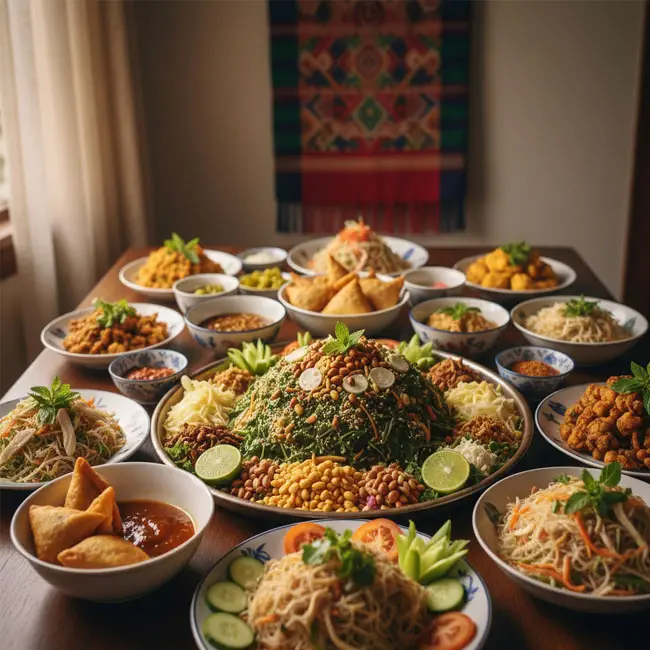
🥗 Welcome to the World of A-Hlu and Thoke!
Hey there, fellow food explorers! If you’ve ever had a peek into the culinary world of Myanmar (formerly Burma), you probably know that it's a vibrant, flavor-packed mashup influenced by its neighbors: India, China, and Thailand. But trust me, Burmese food stands all on its own. It's a journey of contrasts—sour, bitter, salty, and savory all playing nicely together, often in one single bite!
We’re not talking about your average chips and dip here. In Myanmar, the line between a snack, a starter, and even a light meal is wonderfully blurred. The best way to kick off any culinary adventure in this incredible country is with the appetizers, or as locals might call them, a-hlu (simple snacks) or the famous thoke (salads). Ready to ditch the boring starters and jump into the unique street food scene of Yangon and beyond? Let's dive in!
🌏 The Melting Pot of Flavors
Before we get into the crunch and the spice, let’s chat about why this food tastes so unique. Myanmar sits at a geographical crossroads. To the west, you get the aromatic spices and savory pulses of India. To the north, the stir-fry techniques and noodle love of China. And to the east, the fresh herbs and zingy chilis of Thailand.
However, the "soul" of Myanmar cuisine is uniquely Burmese. It’s built on a foundation of fermented ingredients, nutty oils, and a textural obsession that makes every bite an event. In Myanmar, eating is a social glue. Appetizers aren't just food; they are a gesture of hospitality.
🥗 The Star of the Show: Salads (Thoke)
In Burmese cuisine, the word for salad is 'Thoke' (pronounced thoh-kay), and they are nothing short of legendary. Forget lettuce and light dressing; a Burmese salad is a hearty, complex dish, typically hand-mixed and coated in nutty oil, toasted chickpeas, dried shrimp (sometimes!), lime, and a punch of garlic. They're so rich they often serve as both an appetizer and a main dish!
🌿 The Iconic National Appetizer: Laphet Thoke (Tea Leaf Salad)
You simply cannot talk about Burmese food without starting with Laphet Thoke—the famous Pickled Tea Leaf Salad. This isn't just food; it's a cultural symbol.
• What it is: A glorious medley of textures and flavors. It starts with soft, slightly bitter, fermented green tea leaves (laphet), which are mixed with crunchy elements like toasted peanuts, fried garlic chips, crispy yellow split peas, sesame seeds, chopped tomatoes, and shredded cabbage. It’s dressed lightly with peanut oil, a bit of salt, and a squeeze of lime.
• Why it's a must-try: The flavor profile is wild! You get the bitterness of the tea leaves, the sour tang of the lime, the saltiness from the seasoning, and the ultimate crunch from the beans. It’s an awakening for your taste buds.
🥕 Samosa Thoke (Samosa Salad)
Hold up, a salad... with samosas? Yes, and it's brilliant! This is a fantastic example of the Indian influence making a deliciously local twist.
• What it is: Small, crunchy, deep-fried samosas (usually filled with potato and onions) are sliced up and thrown into a bowl with shredded cabbage, fresh mint, chickpeas, and a thin, tangy broth made from lentils or tamarind.
• Why it's a must-try: It’s comfort food disguised as a salad. The crispy, warm pastry soaks up the savory, sour broth, while the fresh herbs and raw onions cut through the richness.
🌶️ Gin Thoke (Ginger Salad)
If you love a spicy, aromatic kick, this one's for you. While Laphet Thoke gets all the fame, Gin Thoke is the zingy cousin that deserves just as much love.
• What it is: It’s all about the pickled ginger! The ginger is finely sliced and mixed with the same crunchy beans, nuts, and oil-based dressing as Laphet Thoke.
• Why it's a must-try: It's a zesty, sharp, and highly aromatic starter. The ginger provides an incredible fiery warmth, making it the perfect palate cleanser.
🥨 Crunchy & Savory: Fried Snacks (Kyaw)
When you’re walking through a Burmese market, the sweet, savory scent of frying oil is your friendly guide, leading you to the stands piled high with golden-brown fried treats, collectively known as Kyaw. These are your classic, deep-fried appetizers.
🧅 Peh Kyaw (Split Pea Fritters) and Bu Thi Kyaw (Gourd Fritters)
These fritters are the unsung heroes of the Burmese snack scene and are often served alongside soups or eaten as a quick snack.
• What they are: Thin, crispy fritters made from a simple batter of rice flour and spices. Peh Kyaw are made with chickpea or split-pea flour, creating a dense, crunchy texture. Bu Thi Kyaw uses slices of gourd or squash dipped in a similar batter.
• How to eat them: They're best enjoyed piping hot, dunked into a tangy, sweet tamarind dipping sauce that cuts through the oiliness.
🥖 E Kya Kway (Fried Dough Sticks)
You might recognize this Chinese-influenced snack from other parts of Asia, but in Myanmar, it takes on a life of its own.
• What it is: Long, golden-brown, lightly salty fried dough sticks. They are airy, chewy, and irresistibly dippable.
• How to eat them: While some use them to dunk into coffee, a popular Burmese twist is to tear them up and use them as a crunchy garnish for various salads and soups.
🍤 Bayia Kyaw (Chickpea Fritters)
If you love Middle Eastern falafel, you will adore Bayia Kyaw. These are bite-sized nuggets of pure joy.
• The Vibe: These are made from soaked and ground yellow split peas, mixed with onions, chilis, and turmeric. They are fried until they are incredibly crunchy on the outside but stay slightly soft and nutty on the inside.
• The Best Part: They are usually sold in small paper bags on the street corner—the perfect snack to munch on while exploring.
🏘️ The Art of Living: How Myanmar Eats
To truly understand Myanmar appetizers, you have to understand the lifestyle. In Myanmar, "have you eaten yet?" is a more common greeting than "how are you?"
🍵 The Tea House Culture
The tea house is the heart of social life in Myanmar. It's where deals are made, news is shared, and—most importantly—where appetizers are the main event. People sit on small plastic stools, sipping tea and sharing plates of fritters, steamed buns, and salads for hours. It’s a slow-paced, beautiful way to live.
🤝 The Communal Table
Appetizers in Myanmar are rarely eaten alone. They are placed in the center of the table for everyone to share. There is a beautiful etiquette involved—using a serving spoon, making sure the elders are served first, and always ensuring there's enough for a surprise guest.
🏘️ Street Side Delights: Regional & Quick Bites
Wandering the streets, you’ll find vendors offering a variety of unique, quick-fire snacks that are perfect for sharing.
🍳 Mont Lin Ma Yar (Husband and Wife Snack)
This snack's name literally translates to “husband and wife” because the small, round rice flour pancakes are cooked in pairs, face-to-face, before being joined together.
• What it is: A savory, fluffy, bite-sized pancake. One side often gets a topping like a quail egg, green onions, or chickpeas.
• Why it's a must-try: They are crispy on the outside, soft and warm on the inside. They are fantastic to eat on the go!
🍢 Grilled Skewers (Wet Tha Doke Hto)
You’ll see the smoke and smell the charcoal before you see the stall! This is Myanmar’s answer to BBQ tapas.
• What it is: Various meats, fish, and vegetables skewered and simmered in a light, mild broth before being finished over an open grill.
• How to eat them: Grab a handful of sticks, and they're usually served with a strong, spicy dipping sauce.
🥥 Shwe Yin Aye (A Sweet "Appetizer")
While technically a dessert, many locals enjoy these cooling treats in the afternoon heat. It’s a bowl of coconut milk filled with jelly, sticky rice, and bread. In the humid tropical climate, a cold, creamy bowl like this is the ultimate "pre-meal" refresher.
🥢 Why Textures Matter So Much
If there is one thing you should know about Burmese appetizers, it’s that texture is king. A dish isn't complete unless it has:
1.The Crunch: From fried beans, garlic chips, or fritters.
2.The Softness: From steamed rice cakes or noodles.
3.The Chew: From fermented tea leaves or meats.
4.The Liquid: Often a light broth or a nutty oil dressing.
This obsession with texture makes Burmese appetizers feel like a party in your mouth. You never get bored!
💡 Tips for Navigating the Burmese Snack Scene
If you're lucky enough to visit a Burmese market or restaurant, here are a few pro-tips from your "foodie friend":
• Don't Fear the Fermentation: Some smells might be strong (like fish paste or fermented tea), but the taste is much milder and deeply savory. Give it a chance!
• Watch the Spice: If you aren't a fan of heat, look out for the tiny green chilis hidden in salads. They pack a punch!
• Freshness is Key: For fried snacks (Kyaw), always try to buy them when they are coming straight out of the hot oil.
• Embrace the "Thoke": If you see something labeled "Thoke," order it. Whether it's tomato salad, potato salad, or noodle salad, the Burmese way of mixing ingredients is always a winner.
🌟 The Perfect Start to Any Meal
Myanmar’s appetizers are not just placeholders; they are complex, flavorful dishes that tell a story of the country’s history, culture, and rich agricultural landscape. They brilliantly balance oiliness with freshness, and richness with tang. From the iconic, herbaceous Laphet Thoke to the humble, crunchy fritters, each bite is a perfect blend of texture and taste that gets your palate ready for the main course.
So next time you get a chance, skip the standard starters and jump straight into the wonderful world of Burmese appetizers. You won't regret the adventure!
❓ FAQ on Myanmar Appetizers
1. Is Laphet Thoke (Tea Leaf Salad) actually bitter?
Yes, it can be! The base of the salad is fermented tea leaves, which naturally have a slightly bitter and sour profile. However, this is beautifully balanced by the rich peanut oil dressing, the saltiness of the fried beans, the acidity of the lime, and the freshness of the tomatoes.
2. Are Burmese appetizers usually vegetarian-friendly?
Many are! The most famous appetizers like Laphet Thoke, Peh Kyaw (Split Pea Fritters), and Samosa Thoke are naturally vegetarian. However, always double-check about the use of fish sauce (ngapi) or dried shrimp, as these are very common seasonings.
3. What is the most common dipping sauce for fried Burmese snacks?
The most common and popular dipping sauce for fried snacks, or Kyaw, is a tangy tamarind sauce. This sauce is made by mixing tamarind pulp with water, a touch of palm sugar, and often some crushed red chili flakes.
4. Can I find these snacks outside of Myanmar?
Absolutely! Look for Burmese restaurants in cities with large international communities. You’ll often find Laphet Thoke and Samosa Thoke on the menu. Some specialty grocers even sell "Tea Leaf Salad Kits" so you can mix the crunch and the tea leaves at home!
5. Why are the portions of appetizers often so large?
In Myanmar, the concept of a "course-by-course" meal is less common than in the West. Often, appetizers are brought out and kept on the table throughout the meal, acting as side dishes to rice and curry. Because they are shared, the portions are designed to satisfy a group.
🥪 A Taste of Tradition: 3 Authentic Myanmar Appetizer Recipes You Can Master at Home
| 🌐 🥪 < Back | Next > 🍝 🇲🇲 |