
🏠 Home > 🗺️ Recipes > 🍷 Drinks > 🇲🇲 Myanmar Drinks > 🍷 Laphet Yay Cho (Sweet Milk Tea) , Moh Let Saung (Coconut Milk & Sago Cooler) , Phalooda (Burmese Falooda)
🍷 Beyond the Tea Leaf Salad: Unlock the Unique Flavors of Myanmar's Classic Drinks
Published by Supakorn | Updated: February 2026
Introduction: Your Sweet Sip of Southeast Asia
Hey there, flavor adventurer! We all know Myanmar (formerly Burma) for its incredible Tea Leaf Salad (Lahpet Thoke), a masterpiece of crunchy textures and savory-sour delight. But here’s a secret: the country’s beverage scene—the hot, the cold, the creamy, and the wonderfully complex—is just as rich, and maybe even more vital to daily life.
In Myanmar, every corner tea shop (laphet yay saing) is a social hub, a place where business deals are struck, friendships are solidified, and hours are spent gossiping over tiny, strong cups of something uniquely delicious. Whether you're navigating the humid streets of Yangon or relaxing by Inle Lake, a perfectly crafted drink is never far away.
Unlike the subtle complexity of some global beverages, Burmese drinks are bold, often intensely sweet, deeply creamy, and full of satisfying texture. They reflect a culinary history influenced by India and China, yet they maintain a distinctive character all their own. And the best part? The most popular ones are incredibly simple to recreate in your home kitchen.
This comprehensive guide is your personal ticket to the most authentic, must-try drinks from Myanmar. We’ve curated three classic recipes that capture the essence of Burmese refreshment and hospitality. We’ll show you how to master the art of the perfect sweet tea, assemble an ultimate cooling dessert drink, and even tackle the impressive textural marvel of Burmese Falooda.
Ready to stir up something spectacular? Let's dive in!
We’re bringing the flavors of the tea shop right to you with these three traditional recipes:
1.Laphet Yay Cho (Sweet Milk Tea): The national pick-me-up, a rich and creamy blend you can customize.
2.Moh Let Saung (Coconut Milk & Sago Cooler): The perfect street-side, icy-cold refresher for tropical heat.
3.Phalooda (Burmese Falooda): A multi-layered, rose-infused masterpiece that doubles as a dessert.
🔹 Recipe 1: Laphet Yay Cho (Burmese Sweet Milk Tea)
About this Recipe
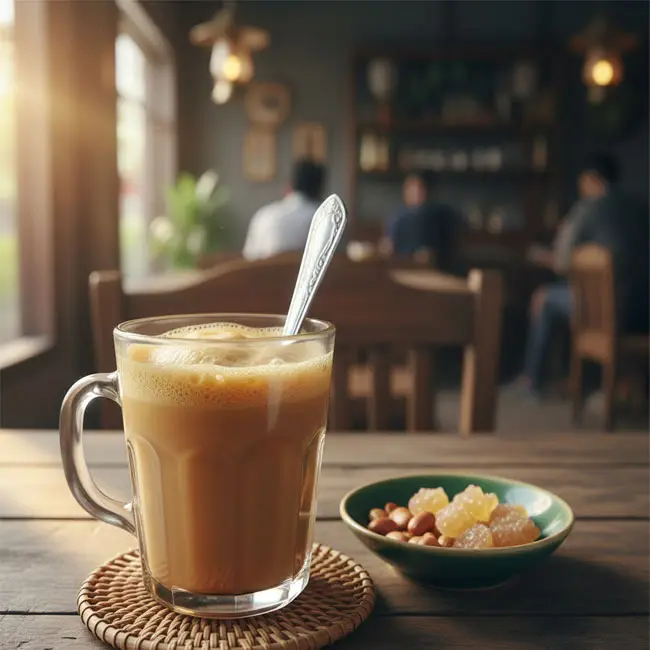
If Myanmar has a national drink, it's not a spirit or a juice—it’s Laphet Yay Cho (လက်ဖက်ရည်ချို), the iconic Burmese Sweet Milk Tea. This isn't your average Earl Grey with a splash of milk; this is a cultural institution. It’s a bold, strong black tea base that is intensely sweetened and creamified with a blend of sweetened condensed milk and evaporated milk.
The flavor profile is rich, malty, and profoundly sweet, delivering a serious caffeine and sugar rush that fuels the entire country. The secret to its greatness lies in the balance and the customizable nature of the recipe. In tea shops, there are dozens of different ways to order, from Kyaup Sike (rich, milky, less sweet) to Cho Seit (very sweet, more tea). This recipe will give you the perfect Laphet Yay Cho—a balanced, traditional sweet tea—and the knowledge to adjust it to your perfect taste.
Ingredients & Measurements
This recipe makes 2 servings of rich, sweet tea.
Ingredient - Measurement - Notes
- Strong Black Tea Leaves 2 tablespoons Use strong, malty tea like Assam, Ceylon, or a strong English Breakfast blend.
- Boiling Water 1 cup (240ml) For brewing a concentrated tea base.
- Sweetened Condensed Milk 3 tablespoons (or to taste) The main sweetener and creamer.
- Evaporated Milk 2 tablespoons (or to taste) Adds an essential layer of milky richness without the heavy sweetness.
- Extra Hot Water or Milk ½ cup (120ml) For serving, depending on desired strength.
Step-by-Step Instructions
1.Brew the Concentrate: In a teapot or sturdy mug, combine the black tea leaves and 1 cup of boiling water. Let the tea steep for 5-7 minutes to create a dark, strong concentrate. The longer the steep, the stronger and more bitter the tea, which is necessary to cut through the richness of the milk.
2.Strain and Divide: Strain the tea concentrate, discarding the leaves. Divide the hot, concentrated tea equally between two small teacups or large mugs.
3.Create the Sweetness: Into each cup of hot tea, add 1.5 tablespoons of sweetened condensed milk and 1 tablespoon of evaporated milk.
4.Mix Thoroughly: Use a spoon to stir the tea vigorously, ensuring the condensed milk melts and fully integrates with the tea and evaporated milk. The color should be a beautiful, rich caramel.
5.Adjust and Serve: Taste the tea.
- For a stronger, sweeter, and creamier tea (known as A-Cho Seint), serve it as is.
- For a lighter, less intense version, add a splash of extra hot water or plain hot milk to each cup.
6.Enjoy: Serve immediately, preferably with a savory snack like E-Kyar Kway (fried dough sticks).
Tips & Mistakes to Avoid
- Tip: The Right Tea is Everything: Don't use a weak tea bag. You need the strong tannins and malty flavor of a high-quality black tea to stand up to the sheer amount of milk and sugar. Assam is the traditional choice.
- Mistake: Not Steeping Long Enough: The biggest mistake is brewing a weak tea base. The tea must be bitter and concentrated for the final product to be balanced, otherwise, it just tastes like sweet milk.
- Tip: Adjusting the "Cho" (Sweetness): Want it less sweet? Reduce the condensed milk and increase the evaporated milk. Want it sweeter and creamier? Increase the condensed milk and/or evaporated milk and reduce the plain water/milk used in the final step.
FAQ
Q: Can I drink Laphet Yay Cho cold?
A: Absolutely! Iced Burmese Tea is also extremely popular. Just follow the steps, but double the amount of all liquids, chill the tea concentrate completely, and pour the final mixture over a glass full of ice cubes.
Q: What is the difference between this and Thai Iced Tea?
A: Thai Iced Tea (Cha Yen) often uses spices (like star anise or cardamom) and food coloring, giving it a distinct herbal taste and bright orange hue. Burmese Tea relies solely on the strength of the black tea and the blend of evaporated/condensed milk for its flavor and rich brown color.
Summary
Laphet Yay Cho is the quintessential Burmese drink—bold, comforting, and sweet enough to start any day with a punch. Mastering the balance of strong tea and rich milk is your key to unlocking this indispensable piece of Myanmar culture.

🔹 Recipe 2: Moh Let Saung (Coconut Milk & Sago Cooler)
About this Recipe
When the tropical sun is beating down, the answer is Moh Let Saung (မုန့်လက်ဆောင်း). This is a refreshing, street-side cooler that’s part dessert, part drink, and 100% essential for beating the heat. It’s incredibly similar to Shwe Yin Aye (which you might recall from the previous section), but Moh Let Saung is often simpler, focusing on the beautiful contrast between creamy, cold coconut milk and chewy sago pearls or rice flour pellets.
The key flavor comes from the palm jaggery syrup (htanyet) which gives the drink a deep, complex caramel sweetness far superior to plain white sugar. The overall experience is creamy, cold, intensely sweet, and delightfully textural—you’ll be slurping and chewing your way through the bowl!
Ingredients & Measurements
This recipe makes 4 refreshing servings.
Ingredient - Measurement - Notes
For the Palm Jaggery Syrup:
- Palm Jaggery (Htanyet) or Brown Sugar 1 cup (200g) Palm jaggery is highly recommended for authentic flavor.
- Water 1 cup (240ml)
- Salt 1 small pinch Balances the jaggery’s richness.
For the Cooler:
- Cooked Sago Pearls 1 cup Small sago or tapioca pearls, cooked until clear.
- Thick Coconut Milk 2 cups (480ml) Full-fat canned, chilled.
- Ice Generous amount Crushed ice is ideal.
Step-by-Step Instructions
1.Prepare the Palm Jaggery Syrup: In a small saucepan, combine the jaggery (or brown sugar), water, and salt. Heat over medium-low heat, stirring occasionally until the jaggery is completely dissolved and the mixture begins to simmer.
2.Simmer and Thicken: Continue to simmer gently for 5-7 minutes until the syrup is slightly reduced and coats the back of a spoon. It should have a wonderful caramel aroma.
3.Strain and Cool: Strain the finished syrup through a fine-mesh sieve (jaggery often contains small impurities) and allow it to cool completely. Refrigerate to chill for at least 1 hour.
4.Cook the Sago/Tapioca: Cook the sago or tapioca pearls according to the package directions (usually boiling until clear). Immediately drain them and rinse thoroughly under cold running water to stop the cooking and remove excess starch. This prevents them from sticking together. Keep them in the fridge.
5.Assemble the Drink: In each serving glass or bowl, add a generous spoonful of the chilled sago pearls.
6.Layer the Sweetness: Drizzle 2-3 tablespoons of the chilled palm jaggery syrup over the sago.
7.Add Ice and Milk: Fill the glass with a large scoop of crushed ice. Pour the cold, thick coconut milk over the ice and the mix-ins until the glass is nearly full.
8.Serve: Stir gently just before serving. The jaggery syrup will mix with the coconut milk, creating a beautiful gradient.
Tips & Mistakes to Avoid
- Tip: Palm Jaggery is King: While brown sugar works, seeking out palm jaggery (Htanyet) from an Asian market will elevate this drink from good to truly authentic. Its molasses-like, smoky sweetness is unmistakable.
- Mistake: Sticky Sago: The key to perfect sago is rinsing! After boiling, you must rinse the pearls repeatedly with cold water until the water runs clear. Otherwise, they will clump into an unappetizing ball.
- Tip: Add More Texture: For an extra Burmese touch, add a spoonful of cooked, mashed sticky rice or some cubes of coconut jelly (nata de coco) to the glass before adding the milk.
FAQ
Q: Can I use pre-made syrup?
A: Yes, you can use high-quality maple syrup or a simple brown sugar syrup, but you’ll miss the depth of flavor that real palm jaggery provides.
Q: How do I store Moh Let Saung components?
A: Store the chilled coconut milk, the cooled jaggery syrup, and the cooked sago pearls in separate, airtight containers in the fridge for up to 3 days. Assemble just before serving for the best experience.
Summary
Moh Let Saung is the ultimate tropical quencher, combining the richness of coconut with the deep, earthy sweetness of jaggery, punctuated by the fun chewiness of sago. It's a must-have for any hot day and a delightful taste of Burmese street food.
🔹 Recipe 3: Phalooda (Burmese Falooda)
About this Recipe
If Moh Let Saung is a simple cooler, then Phalooda (ဖာလူဒါ)—the Burmese version of Falooda—is a grand culinary spectacle. With origins in the Persian dessert faloodeh, this elaborate, multi-layered drink is a true festive treat, often served after a rich meal or on special holidays.
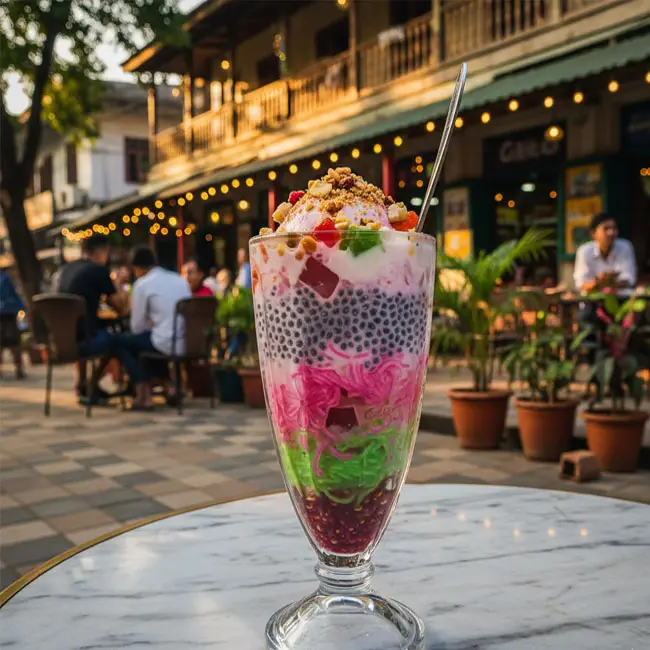
The Burmese interpretation of Falooda is unique because it often features a soft, spongy bread pudding element alongside the classic mix-ins. It is built in layers: a base of rose syrup and various jellies, topped with sweet basil seeds (sabja), silky vermicelli noodles, sweetened milk, and finally, a generous scoop of vanilla ice cream. It’s the perfect blend of hot (pudding/noodles) and cold (ice cream/milk), creamy and chewy, floral and sweet. It’s a sensory overload in the best possible way!
Ingredients & Measurements
This recipe makes 4 spectacular servings.
Ingredient - Measurement - Notes
The Base & Mix-ins:
- Rose Syrup (Rooh Afza) ½ cup (120ml) Essential for the distinctive floral flavor.
- Cooked Vermicelli Noodles 1 cup Thin, sweet noodles, cooked until soft.
- Sweet Basil Seeds (Sabja) 2 tablespoons Soaked until fully plumped and gelatinous.
- Cubes of colorful Jelly 1 cup Use store-bought or homemade agar-agar/jello.
The Milk:
- Whole Milk or Evaporated Milk 4 cups (960ml) Chilled.
- Sugar (optional) 2 tablespoons Add only if you prefer extra sweetness.
The Topping:
- Vanilla Ice Cream 4 scoops A necessary, creamy flourish.
- Chopped Nuts (Pistachios, Almonds) 2 tablespoons For garnish and crunch.
Step-by-Step Instructions
1.Soak the Basil Seeds: In a small bowl, soak the sweet basil seeds in 1 cup of water for at least 30 minutes. They will swell up, developing a clear, gelatinous coating. Drain any excess water before use.
2.Prepare the Vermicelli: Cook the vermicelli noodles according to package instructions. Drain them immediately and run under cold water to cool and prevent sticking. Cut them into shorter, spoon-friendly lengths. Chill.
3.Prepare the Milk: In a jug, whisk together the cold milk and sugar (if using). Add a splash of rose syrup to infuse the milk with a subtle pink color and flavor. Chill thoroughly.
4.Layer the Glass: Choose a tall, clear glass for the best visual effect.
- Layer 1: Rose Syrup & Jelly. Pour 2 tablespoons of rose syrup into the bottom of the glass. Spoon in a layer of the cubed jelly.
- Layer 2: Chewy & Spongy. Add a layer of the soaked basil seeds and the cooked vermicelli. (If adding the Burmese bread pudding, place a few cubes of it here).
- Layer 3: The Cream: Gently pour the chilled, sweetened milk over the mix-ins, filling the glass almost to the top.
5.The Finale: Place a large scoop of Vanilla Ice Cream on top.
6.Garnish and Serve: Sprinkle with chopped nuts. Serve immediately with a long spoon and a straw, ready for your guest to stir and enjoy the textural blend!
Tips & Mistakes to Avoid
- Tip: The Power of Basil Seeds: Don't substitute basil seeds with chia seeds. Basil seeds (Sabja) swell much more dramatically and have a distinct, slippery texture that is essential for authentic Falooda.
- Mistake: Over-Syruping: Rose syrup is very strong! Use it in layers and don't add too much to the milk, otherwise, the floral flavor can become overwhelming.
- Tip: Go the Extra Mile (Bread Pudding): For the most authentic Burmese Phalooda, bake a simple bread pudding (cubes of white bread baked in a quick custard of milk, egg, and sugar) and add a few pieces to the layers for that signature spongy texture.
FAQ
Q: Can I use different ice cream flavors?
A: While vanilla is traditional and balances the strong rose flavor perfectly, Kulfi, strawberry, or even a light pistachio ice cream can be used for a modern twist.
Q: Where can I find sweet vermicelli?
A: Look for Falooda Sev or sweet vermicelli in the international/South Asian section of a large supermarket or an Asian specialty store. Thin rice vermicelli can also work in a pinch.
Summary
Phalooda is more than a drink; it’s a bowl of edible joy. With its layers of floral rose, creamy milk, and exciting textures from sago to vermicelli, it’s a spectacular centerpiece that guarantees a memorable culinary experience.
Final Thoughts: Your Burmese Beverage Journey Starts Now
We've covered the breadth of Burmese drink culture, from the essential morning routine of a strong, creamy Laphet Yay Cho to the festive, multi-layered delight of Phalooda. What you’ve learned is that these recipes aren't complicated; they rely on simple, high-quality ingredients like strong tea, coconut milk, and jaggery to deliver bold, satisfying results.
No matter which recipe you choose, you're not just making a drink—you're recreating a small, sweet piece of Myanmar's famous hospitality.
Ready to start your journey? I recommend you begin with the Laphet Yay Cho to get a feel for that intense, creamy sweetness, and then move on to the refreshing complexity of Moh Let Saung.
Which of these three classic Myanmar drinks are you going to try first? Let me know, and be sure to share your photos and experience!
| 🇲🇲 🍷 < Back |