
🏠 Home > 🗺️ Recipes > 🏛️🍖 Hearth-Roasted Mains > 🏟️ Mycenaean Greek: Hearth-Roasted Mains Recipes > 🏛️🍖 1.Bronze Age Mycenaean Homeric Fire-Roasted Wild Lamb
🏛️🍖 Unearthing the Bronze Age: The Legend of Homer’s Roasted Wild Lamb
Published by Supakorn | Updated: September 2026
🛕🏺 Ancient Civilization Origins: Mycenaean Greece & The Aegean World
📜 The Storyteller’s Intro: 3,000 Years of Homeric Hearth Flavors
Imagine standing on a windswept citadel overlook on the Peloponnese peninsula, around 1200 BCE. The sun dips low over the Aegean Sea, casting golden light across massive Cyclopean stone walls. In the grand central megaron—the heart of the royal Mycenaean palace—a great circular hearth crackles with logs of sweet olive wood, aromatic wild thyme, and dried resinous pine. The air is thick with rich, savory wood smoke and the undeniable aroma of wild mountain game dripping golden fats directly onto white-hot embers.
This isn't just a meal; it is a sacred ritual fit for Agamemnon, Achilles, and the legendary heroes immortalized in Homer’s Iliad and Odyssey. Long before refined pan reductions, modern stove stovetops, or complex global spice trades, ancient warriors and lords dined on food shaped purely by fire, stone, sea salt, mountain herbs, and wild game. Today, we are cracking open the forgotten vaults of history to recreate a true masterpiece of antiquity: Mycenaean Homeric Roasted Wild Lamb. Grab a cup of fresh well water, settle in by the fire, and let us embark on an unforgettable culinary journey to the dawns of Western civilization.
🌐 The Global Value of Antique Heritage
Why do ancient culinary traditions still hold such a deep hold on our modern imaginations? Food is the ultimate time machine. Languages shift, empires crumble into dust, and ancient monuments weather away under centuries of wind and rain, but the primal human sensation of tasting hearth-roasted meat seasoned with wild mountain herbs remains entirely unchanged across thousands of years.
When we explore Mycenaean foodways, we aren't merely reading dry facts in archaeological journals. We are engaging with a direct living connection to our shared human ancestors. The Mycenaean civilization laid the foundational bedrock for Classical Greece, which in turn helped shape Western literature, philosophy, governance, and gastronomy. Reclaiming these ancestral recipes restores lost links to the natural environment. It teaches us how ancient cooks harmonized bold game flavors with pure, unadulterated ingredients gathered straight from local hillsides, orchards, and salt marshes.
🔥 The Culinary Resurrection
Resurrecting a 3,000-year-old culinary creation presents an intriguing puzzle. The Mycenaean Greeks left behind thousands of Linear B clay tablets, but these administrative records were primarily inventories of livestock, wheat stores, coriander harvests, fig orchard yields, and olive oil shipments—not detailed step-by-step cookbooks.
To bridge this historical gap, food historians and experimental archaeologists combine three vital sources: Linear B agricultural logs, real archaeological excavations of palace hearths and ceramic cook pots, and the vivid banquet descriptions recorded in Homer’s epic poetry. In Homeric verse, heroes consistently slaughter prime rams, spit-roast wild mountain game over wood embers, sprinkle the roasting meat with coarse salt and fragrant mountain herbs, and baste it repeatedly with rich emulsions of olive oil, wild honey, and tart fruit juices. By carefully weaving together these ancient clues, we bring back to life an authentic feast that hasn't burned upon a royal hearth in three millennia.
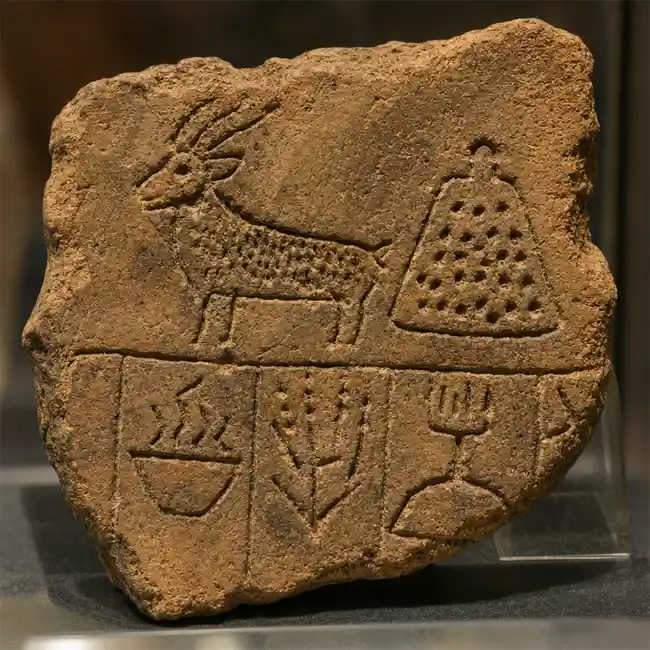
🥩 Recipe: Bronze Age Mycenaean Homeric Fire-Roasted Wild Lamb
🗡️ Legends Behind This Excavated Secret
According to epic legend, when heroic assemblies gathered upon the plains of Troy or inside the royal halls of Mycenae, no momentous decision, pact, or celebration took place without a formal sacrificial roast. The prime cuts of wild mountain lamb or wild boar were prepared over open hearth fires by warrior-chefs who understood every nuance of fire management.
Wild mountain sheep in ancient Greece roamed freely across rugged terrain, grazing on wild thyme, savory, oregano, marjoram, sage, and wild garlic. This natural herb-rich diet gave their meat an intensely aromatic, savory flavor profile. When roasted slowly over seasoned olive wood, the meat absorbed the fragrant wood resin and crisp mountain herb smoke, producing a crust so rich and flavorful that poets sang its praises for generations.
🌾 Ingredients & The Noble Pantry
✨ The Ancestral Staples
The Mycenaean pantry relied entirely on the natural bounty of the Mediterranean landscape. The primary fat was cold-pressed olive oil from local groves, balanced by raw wild thyme honey gathered from cliffside hives. Acid came from ancient tart pomegranate juices, verjuice (unripe sour grape juice), or wild mountain vinegar. Fragrance was provided by wild mountain herbs—dried oregano, thyme, crushed coriander seeds, bay leaves, and wild garlic—alongside coarse sea salt harvested from rocky coastal tide pools.
🔄 Modern Substitutes
If you don't happen to have wild mountain game grazing on your backyard cliffs, don't worry at all! Here is how to easily adapt these bronze-age ingredients using items available at your local market:
◦ Wild Mountain Lamb: Look for high-quality pasture-raised bone-in lamb leg, shoulder, or bone-in rack. Australian or New Zealand grass-fed lamb works extraordinarily well because its rich, natural grass-fed diet closely replicates wild game.
◦ Verjuice (Unripe Grape Juice): If verjuice is hard to find, combine equal parts fresh lemon juice and raw unsweetened apple cider vinegar.
◦ Raw Wild Thyme Honey: Any high-quality unfiltered wildflower or thyme honey will work beautifully.
◦ Coarse Sea Salt: Flaky sea salt, sea salt flakes, or coarse gray salt perfectly matches the unrefined sea salts of the ancient Aegean.
◦ Rendered Animal Fat: Tallow, lard, or a high-quality extra virgin olive oil works ideal as the primary roasting base.
📝 Ancient Proportions
Here is your exact kitchen blueprint for creating an authentic Homeric feast for 4 to 6 hungry heroes:
◦ Primary Meat: 4 to 5 pounds bone-in grass-fed lamb leg or shoulder (trimmed of excess tough silver skin)
◦ Ancient Basting Fat: 1/2 cup cold-pressed extra virgin olive oil
◦ Acidic Balance: 1/3 cup verjuice (or equal parts fresh lemon juice and organic apple cider vinegar)
◦ Sweet Nectar: 3 tablespoons raw wildflower or thyme honey
◦ Aromatic Herbs: 2 tablespoons dried mountain oregano
◦ Forest Herbs: 2 tablespoons fresh thyme leaves (or 1 tablespoon dried wild thyme)
◦ Seed Spice: 1 tablespoon crushed coriander seeds
◦ Pungent Allium: 6 cloves wild garlic, coarsely smashed
◦ Bay Infusion: 4 whole dried bay leaves, crushed coarsely
◦ Preservation Element: 1.5 tablespoons coarse sea salt
◦ Piquant Heat: 1 tablespoon coarsely ground black pepper or long pepper
◦ Fruit Accent: 1/4 cup fresh sour pomegranate juice (optional, for final glaze)
👨🍳 The Chef’s Ancient Ritual
Step 1: Preparing the Sacred Cut
Begin by bringing your bone-in lamb leg or shoulder to room temperature, letting it sit out of refrigeration for roughly 45 to 60 minutes. Use a sharp knife to score the outer fat layer in a crosshatch pattern, making incisions about 1/4-inch deep. This allows the ancient herb marinade and rendered fats to penetrate deep into the meat fibers.
Step 2: Grinding the Ancestral Rub
In a stone mortar and pestle (or a standard spice grinder), combine the crushed coriander seeds, dried mountain oregano, wild thyme, smashed garlic, crushed bay leaves, coarse sea salt, and black pepper. Grind the mixture roughly—you want a coarse, rustic texture rather than a fine powder.
Step 3: Mixing the Nectar & Oil Emulsion
In a small clay bowl or mixing cup, whisk together the cold-pressed extra virgin olive oil, raw honey, verjuice (or lemon/vinegar mixture), and pomegranate juice. Whisk vigorously until the honey fully dissolves and emulsifies with the oil and fruit acids.
Step 4: Anointing the Meat
Place your scored lamb in a ceramic baking vessel or large glass dish. Rub the dry herb and garlic mix thoroughly all over the meat, pressing the aromatic herbs deep into the scored fat cuts. Pour two-thirds of the nectar and oil emulsion over the lamb, massaging it evenly into every side. Set aside the remaining one-third of the liquids for basting during roasting. Allow the lamb to marinate at room temperature for at least 1 hour, or cover and chill overnight for maximum depth of flavor.
Step 5: Preparing the Hearth Fire (Modern Oven or Grill)
◦ For Oven Cooking: Pre-heat your oven to 425 degrees Fahrenheit ( 220 degrees Celsius ). If you have a pizza stone or cast-iron sheet, place it on the lower rack to radiate intense floor heat, mimicking an ancient dome hearth.
◦ For Outdoor Charcoal/Wood Fire Grill: Set up your grill for two-zone indirect cooking, aiming for an ambient dome temperature of 350°F to 400°F. Throw a few chunks of hardwood (oak, olive wood, or fruitwood) directly onto the coals to create authentic hearth wood smoke.
Step 6: The Initial Searing Fire
Place the anointed lamb onto a rack inside a heavy roasting pan (or directly onto the indirect grate of your smoker/grill). Roast uncovered at 425 degrees Fahrenheit ( 220 degrees Celsius ) for the first 20 minutes to form a crisp, mahogany-colored herbal crust on the outside fat cap.
Step 7: Slow Hearth Roasting & Frequent Basting
Reduce the oven temperature to 325 degrees Fahrenheit / 165 degrees Celsius. Pour a cup of water or vegetable stock into the bottom of the roasting pan to prevent falling drippings from scorching. Roast the lamb slowly for roughly 1.5 to 2 hours (depending on exact thickness), basting every 25 to 30 minutes with the reserved honey-herb-olive oil emulsion.
Step 8: The Final Flame Glaze
During the final 10 minutes of cooking, brush the lamb generously with any remaining honey-pomegranate emulsion. The natural sugars in the honey and fruit juice will caramelize under the heat, forming a sticky, savory-sweet ancient glaze over the herb crust.
Step 9: Checking Internal Temperature
Insert a digital meat thermometer into the thickest part of the lamb leg without touching the bone:
◦ For Medium-Rare: Remove at 130°F (54°C) (will rise to ~135°F during resting).
◦ For Medium: Remove at 140°F (60°C) (will rise to ~145°F during resting).
Step 10: Resting the Homeric Feast
Transfer the roasted lamb to a large wooden board. Tent it loosely with parchment paper or foil and allow it to rest undisturbed for a full 20 to 25 minutes. Resting allows the internal juices to redistribute evenly throughout the tender meat fibers, ensuring every single slice stays rich and succulent. Carve into thick, rustic slices and serve warm alongside pan drippings!
🛡️ Secrets of the Ancestral Hearth
◦ Mind the Honey Caramelization: Because natural raw honey contains unrefined sugars, it can burn quickly if exposed to high direct heat for too long. Apply the honey-rich marinade during the initial high-heat sear, but save the heavy liquid basting for lower-temperature roasting, saving the thickest glaze brush for the final 10 minutes.
◦ Never Skip the Resting Phase: Cutting into hot lamb straight out of the oven causes all the savory juices to run out onto the board, leaving you with dry meat. A patient 20-minute rest keeps all that moisture trapped inside.
◦ Embrace Coarse Textures: Ancient cooks didn't have refined powders. Keep your sea salt, pepper, and coriander coarsely cracked. These larger spice fragments create a wonderful crunch against the tender meat.
◦ Incorporate Wood Smoke: If you are using a standard modern indoor oven, you can add a tiny splash of natural liquid smoke to your olive oil marinade, or roast the lamb on a pre-heated cast-iron skillet to achieve an authentic stone-hearth char.
🏰❓ Ancient Civilization Origins FAQ
Q1: Did Mycenaean Greeks actually eat lamb cooked with honey?
A: Yes! Linear B tablets frequently record royal inventory logs pairing livestock with honey jars, olive oil, dried figs, and coriander seeds. Combining raw honey with sea salt, vinegar, and herbs created an effective natural marinade that tenderized meat while balancing strong gamey flavors.
Q2: What kind of wild herbs were used in Bronze Age Greece?
A: Archaeological botanical digs in the Aegean region show widespread historical use of wild oregano (origanum vulgare), mountain thyme, savory, wild sage, coriander seeds, bay leaf, and wild garlic species gathered directly from hill slopes.
Q3: How was meat roasted without modern roasting pans?
A: Mycenaean cooks roasted meat in two main ways: spit-roasting whole or large portions directly over open ceramic hearth embers, or baking smaller cuts inside heavy earthenware tripods, clay pots, or clay domed ovens set directly over glowing coals.
Q4: Can I make this recipe ahead of time for a dinner party?
A: You can certainly marinate the lamb leg in the dry herb rub and olive oil blend up to 24 hours in advance. Keep it covered in your refrigerator, then bring it back to room temperature 1 hour before roasting.
🏺 The Taste of Archeology
Slicing into this Homeric roasted lamb is a complete sensory experience. The outer crust offers a crisp, herbal crunch packed with savory sea salt, aromatic crushed coriander, and pungent wild garlic. Right beneath that herb layer, the sweetness of caramelized wild honey and tart verjuice melds seamlessly with the rich, tender game meat. Every mouthful carries the unmistakable signature of wood fire, rocky mountain pastures, and coastal sea salt—a taste that directly bridges three thousand years of human history.
🏛️ Final Thoughts: Bringing Antiquity to Your Modern Table
Cooking ancient recipes is far more than an exercise in historical curiosity; it is an incredible reminder that great food has always been rooted in simplicity, quality ingredients, and respect for natural flavors. You don't need complicated modern equipment or artificial flavor enhancers to create a meal that feels truly regal. By mastering basic fire control, high-quality pasture-raised meats, fresh olive oil, raw honey, and wild herbs, you can recreate the exact same feast enjoyed by ancient kings in your modern kitchen today.
🔱 The Golden Hook (The Sacred Union)
Are you fascinated by the forgotten flavors of the past? Join our growing community of modern culinary archaeologists and history enthusiasts! Subscribe to our newsletter, share this ancient recipe with your fellow history buffs, and drop a comment below letting us know which ancient civilization's kitchen secrets you want us to excavate next. Let’s keep these timeless culinary secrets alive together!
📜 Credit to the Keepers of the Culture (The Legacy)
This historical recipe reconstruction is inspired by extensive research in Aegean Bronze Age foodways, Linear B epigraphic records from Pylos and Mycenae, classical literary studies of Homeric epic banquets, and experimental culinary archaeology projects hosted by Mediterranean historical institutes worldwide. We extend our deepest gratitude to the archaeologists, historians, and archivists who dedicate their lives to unearthing and preserving the heritage of human civilization.
| 🏟️ 🏛️🍖 < Back |