
🏠 Home > 🗺️ Recipes > 👑🍝 Imperial Mains (Main Dishes) > 🇳🇿 New Zealand Imperial Mains (Main Dishes) Recipes > 👑🍝 1.Heritage Roasted Lamb with Honey-Horopito Glaze & Roasted Roots
👑🍝 Rediscovering Aotearoa: The Secrets of Colonial New Zealand High-Society Cuisine
Published by Supakorn | Updated: September 2026
🏰 The Forgotten Aristocratic Legacy of New Zealand: The Colonial Gentry Era
📖 The Storyteller’s Intro
Picture yourself stepping back in time to the mid-nineteenth century. Imagine the crisp sea breeze blowing off the Pacific Ocean into the stately dining rooms of Christchurch and Hawkes Bay. Beyond the rugged wild wilderness, grand timber manors hosted extravagant dinner parties under the glow of warm candlelight. Deep inside the private estate kitchens, dedicated head chefs worked late into the evening, fusing traditional European culinary techniques with the raw, untamed produce of Aotearoa. These kitchen halls were filled with the rich aromas of native botanicals, slow-roasted meats, and handmade glazes. It was an era where wealthy landowners and high-society families created an exclusive dining tradition—one that remained strictly kept inside private journals, fading away as modern convenience took over.
🌐 The Global Value
These refined recipes were once reserved strictly for elite estates and distinguished colonial banquets. They reflected an extraordinary fusion: world-class British roasting techniques blended with New Zealand’s uniquely fertile land, native herbs, and pristine coastal harvests. As decades passed and fast-paced modern cooking emerged, many of these time-honored dishes slip away from home kitchens. What was once the gold standard of high-society entertainment became almost entirely forgotten by the modern world. Preserving these culinary gems brings back more than just incredible flavor—it connects us to a lost art of patient, deliberate, and deeply comforting cooking.
📜 The Collection
Today, we are opening the vault to bring one of the most celebrated high-society secret recipes back to life. We are taking you on a journey into the grand dining halls of old to recreate an exquisite culinary masterpiece: Heritage Roasted Venison and Lamb with Honey-Horopito Glaze. This dish captures the pinnacle of nineteenth-century New Zealand luxury, updated so you can recreate this iconic feast right in your own kitchen today.
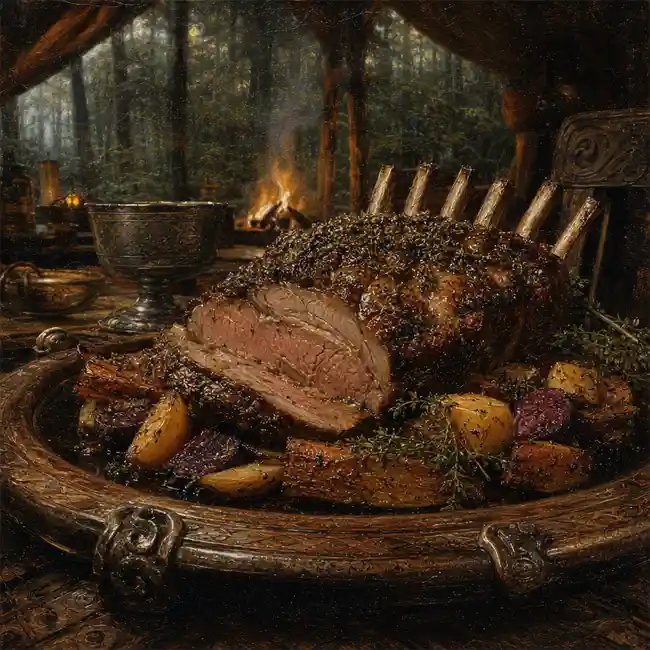
🍽️ Recipe: Heritage Roasted Lamb with Honey-Horopito Glaze & Roasted Roots
👑 About this Aristocratic Secret
This extraordinary centerpiece dish was traditionally prepared for seasonal estate gatherings and high-society harvest celebrations. Executive estate chefs would select prime cuts of tender grass-fed lamb, slow-roasting them over native hardwood embers until tender enough to yield to a silver spoon. The star of the dish was the signature glaze made from local raw honey and wild Horopito—a native pepper tree bark that delivered a gentle, complex warmth. Servings were carved live at the head of long mahogany dining tables, offering guests an unforgettable taste of pure wilderness refined by high-society craftsmanship.
🎨 Ingredients & The Aristocratic Touch
🌿 The Royal Pantry
The secret to this dish lies in the pristine purity of its components. High-society cooks prioritized local, grass-fed meats paired with sweet root vegetables and naturally gathered wild herbs. The combination of slow-rendered meat juices with tangy fruit conserves and native herbal spices yielded a rich, layered glaze that balanced savory, sweet, and mild peppery notes.
🔄 Modern Substitutes
• Wild Horopito Leaves: If you cannot source authentic New Zealand Horopito leaves, you can substitute a blend of 3 parts freshly cracked black peppercorns, 1 part ground pink peppercorns, and a pinch of lemon zest.
• Manuka Honey: If pure Manuka honey is unavailable, use any high-quality raw wildflower honey or dark amber honey.
• Kūmara (New Zealand Sweet Potato): If sweet potatoes are hard to find, standard purple or orange sweet potatoes make a wonderful replacement.
📝 The Measurements
• 1 whole bone-in leg of grass-fed lamb (approximately 2.5 kilograms)
• 4 tablespoons pure Manuka honey or raw dark honey
• 2 tablespoons dried Horopito leaves, crushed (or pepper substitute)
• 6 cloves fresh garlic, peeled and sliced into thin slivers
• 3 tablespoons cold-pressed extra virgin olive oil
• 2 tablespoons fresh rosemary leaves, finely chopped
• 2 tablespoons fresh thyme leaves, finely chopped
• 1 kilogram Kūmara or sweet potatoes, peeled and cut into large chunks
• 500 grams baby carrots, scrubbed clean
• 2 large red onions, peeled and quartered
• 2 teaspoons coarse sea salt
• 1 teaspoon ground black pepper
• 2 cups vegetable broth for pan basting
👨🍳 The Chef’s Ritual
1.Preparing the Meat with Care: Begin by taking your leg of lamb out of the refrigerator at least forty-five minutes before cooking. Bringing the meat to room temperature ensures even roasting throughout. Pat the surface dry using clean kitchen paper.
2.Infusing the Aromatics: Using a sharp paring knife, make small quarter-inch incisions all over the surface of the lamb leg. Insert a thin sliver of fresh garlic and a pinch of chopped rosemary into each slit, pressing deep into the meat.
3.Crafting the Spice Rub: In a small mixing bowl, combine the olive oil, sea salt, black pepper, chopped thyme, and half of your crushed Horopito. Rub this aromatic herb mixture over every inch of the lamb, massaging it into the surface.
4.Setting the Roasting Bed: Preheat your oven to 180 degrees Celsius (350 degrees Fahrenheit). Arrange the prepared Kūmara chunks, baby carrots, and quartered red onions across the bottom of a heavy roasting pan. Pour the vegetable broth over the base of the vegetables.
5.The Initial Slow Roast: Place the seasoned leg of lamb directly on top of the bed of root vegetables. Slide the roasting pan into the center rack of your oven and let it roast gently for 1 hour and 15 minutes, basting the meat occasionally with the pan drippings.
6.Glazemaking: While the lamb roasts, warm the honey gently in a small saucepan over low heat until it becomes liquid. Stir in the remaining crushed Horopito leaves until well blended.
7.Glazing to Perfection: Carefully pull the roasting pan out of the oven. Generously brush the warm honey-horopito glaze all over the outer surface of the lamb leg. Return the lamb to the oven for another 25 to 30 minutes, allowing the glaze to caramelize into a rich, mahogany crust.
8.Resting the Dish: Once the internal temperature reaches your preferred level of doneness, remove the roast from the oven. Transfer the lamb to a warm wooden cutting board, cover loosely with foil, and let it rest for 20 minutes before carving. This step locks in every drop of savory juice!
💡 Secrets of the Palace Kitchen (Tips & Mistakes)
• Never Skip the Resting Phase: Cutting into the lamb immediately after taking it out of the oven causes all the natural juices to run out onto the board, leaving your roast dry. Resting allows the meat fibers to relax and retain moisture.
• Watch the Honey Glaze Carefully: Honey burns quickly due to its natural sugars. Only apply your honey-horopito glaze during the final half-hour of cooking so it forms a glossy, flavorful crust without scorching.
• Sear for Rich Flavor: If time permits, quickly sear the lamb leg in a hot skillet for two minutes on each side before roasting to lock in deep roasted notes.
• Keep Vegetables Chunky: Cut your Kūmara and root vegetables into large, uniform pieces so they roast slowly without turning mushy while the lamb cooks.
❓🛎️ Aristocratic FAQ
Q1: Can I use a boneless lamb roast instead of a bone-in leg?
A: Absolutely! A boneless leg of lamb works wonderfully. Just adjust the roasting time slightly down by 15 to 20 minutes, as boneless cuts tend to cook faster than bone-in cuts.
Q2: How do I store leftovers for the next day?
A: Allow the cooked lamb and vegetables to cool completely. Store them in an airtight container in the refrigerator for up to three days. Reheat gently in a low oven covered with foil to preserve moisture.
Q3: Is this dish suitable for dinner parties?
A: It is ideal for entertaining! You can prepare the garlic cuts and spice rub the night before, keeping the lamb covered in the fridge overnight so the flavors absorb deeply.
🌟 The Taste of History (Summary)
This dish brings together everything that made nineteenth-century New Zealand estate cuisine so special: pure farm-to-table ingredients, delicate botanical seasonings, and patient slow-roasting techniques. The sweetness of the glazed honey combined with the mild warmth of native pepper elevates everyday roast lamb into an extraordinary culinary experience.
🏛️ Final Thoughts: Bringing History to Your Table
Cooking classic dishes should never feel intimidating or distant. While these recipes were once hidden away inside exclusive estate kitchens, today you hold the exact steps needed to recreate them in your home. Cooking is one of the most powerful ways to connect across generations, bringing warmth, history, and genuine happiness around the family dining table.
🚀 The Call to Action (The Golden Hook)
If you fell in love with this journey into historical gastronomy, step up and join our community! Share your cooking photos, leave your comments, and subscribe to our newsletter to unlock more lost recipes from around the globe. Together, let's keep the world's greatest culinary traditions alive in our kitchens!
📜 Credit to the Keepers of the Culture (The Legacy)
We honor and acknowledge the traditional foodways, indigenous knowledge, and historic culinary caretakers of New Zealand who preserved the native flora, fauna, and agricultural practices across generations. Their wisdom and deep respect for the land make it possible for home cooks around the world to enjoy these timeless flavors today.
| 🇳🇿 👑🍝 < Back |