
🏠 Home > 🗺️ Recipes > 🏛️🧪 Sacred Infusions & Botanical Tonics > 🗿 Olmec: Sacred Infusions & Botanical Tonics Recipes > 🏛️🧪 1.Kakaw Kualli - The Ancestral Spiced Cacao Infusion
🏛️🧪 Unearthing the 5,000-Year-Old Olmec Sacred Cacao Elixir
Published by Supakorn | Updated: October 2026
🐆🧱 Ancient Civilization Origins: The Olmec Heartlands of Mesoamerica
📜 The Storyteller’s Intro: 5,000 Years of Ancestral Flavors
Welcome, my friend, to a journey that will take us far beyond the boundaries of our modern kitchens. I want you to close your eyes for just a second and picture this: It is three thousand years before the Common Era. We are standing deep within the lush, emerald-green, rain-drenched tropical lowlands of south-central Mexico, in the region we now know as Veracruz and Tabasco. The air is thick with humidity, the scent of blooming orchids, and the earthy aroma of damp soil. This is the realm of the Olmecs, widely celebrated by historians and archaeologists as the "Mother Culture" of Mesoamerica. Long before the Maya built their towering pyramids or the Aztecs established their vast empire, the Olmecs were carving colossal stone heads and mapping the stars.
But they were doing something else, too—something that would forever change the way humanity experiences flavor. They were stepping into the dense jungles, harvesting brightly colored, football-shaped pods from the trunks of understory trees, and unlocking the secrets of cacao.
Today, we are going to resurrect one of the most profoundly hidden ancient recipes known to human history. We are not just talking about food; we are talking about a sacred infusion, a drink that was meant to connect the earthly realm with the divine. When you sip this 5000-year-old Olmec sacred infusion, you are literally tasting the dawn of Mesoamerican civilization. You are partaking in an ancient culinary secret that survived the rise and fall of empires, hidden in the very DNA of the food we eat today. Grab your favorite mug, clear your mind, and let’s travel back in time together to uncover these forgotten civilization recipes.
🏛️ The Global Value of Antique Heritage
You might be wondering, why should we care about a drink that hasn't been widely prepared in its original form for millennia? The answer lies in the sheer global value of our antique heritage. Food is much more than sustenance; it is the ultimate time machine. When we explore lost civilization recipes, we are reading the unwritten diaries of our ancestors.
For decades, scientists believed that the Maya were the first to domesticate and consume cacao. However, recent archaeological excavations have completely rewritten our understanding of ancient food secrets. Deep within the ancient Olmec sites, particularly around San Lorenzo, archaeologists unearthed fragments of ceramic vessels dating back over three millennia. When they scraped the insides of these ancient pots and ran them through modern chemical analysis, they found something miraculous: traces of theobromine. This is the signature alkaloid compound found exclusively in the cacao plant.
This discovery proved that the Olmecs were the true pioneers of chocolate. But forget the sweet, milky candy bars you find at the grocery store today. To the Olmecs, cacao was a vital, sacred substance. It was used in holy ceremonies, given as offerings to the earth, and consumed by the elite to induce focus and stamina. Preserving and understanding these ancient sacred recipes allows us to honor the profound agricultural genius of early indigenous peoples. It reminds us that our modern global food system owes a massive debt to the ancient stewards of the Mesoamerican rainforests.
✨ The Culinary Resurrection
Bringing a 5,000-year-old recipe back to life is an act of culinary resurrection. We are taking the echoes of the past—the whispers of the ancestral hearth—and adapting them so that you can experience them right in your modern kitchen.
The beauty of this ancient kitchen secret is its pure, unadulterated simplicity. Ancient Mesoamerican cooking relied on the harmony of the earth's natural yields. There were no processed sugars, no artificial thickeners, and no dairy. By reviving this Olmec sacred infusion, we are stripping away thousands of years of European modifications (like refined sugar and milk) to get back to the raw, earthy, and fiery essence of the original drink. It is an incredibly grounding experience to stand at your stove, whisking ingredients that have sustained human civilization for thousands of years. Let's roll up our sleeves and bring this lost ancient recipe back to the light.
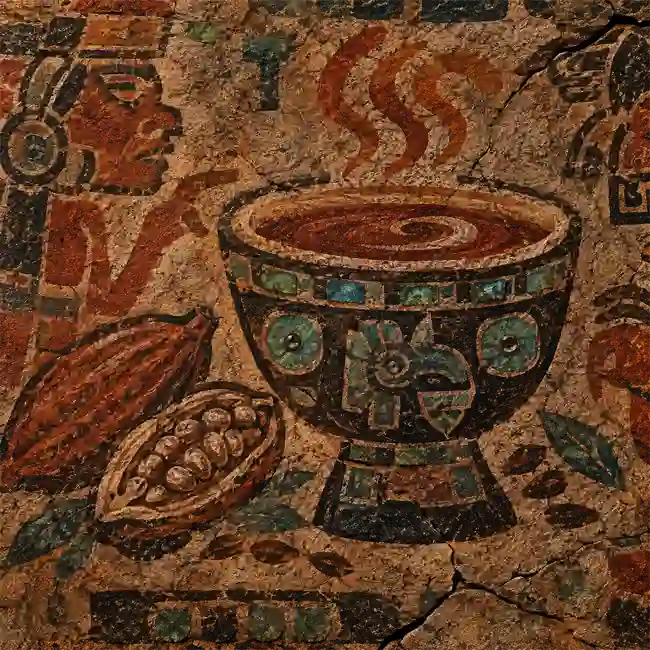
🏺 Recipe: Kakaw Kualli - The Ancestral Spiced Cacao Infusion
🏺 Legends Behind This Excavated Secret
Before we start mixing, we must understand the soul of what we are creating. In the sprawling mythology of ancient Mesoamerica, which finds its earliest roots in Olmec ideology, cacao was not considered a mere plant. It was a divine gift. Legend has it that the gods discovered the cacao mountain and, taking pity on the humans who were toiling on the earth, decided to share this sacred seed with them.
Because of its divine origins, this infusion was deeply respected. It was known as a drink that provided immense physical energy and spiritual clarity. Priests and leaders would consume this dark, rich, foaming liquid during important rituals, agricultural ceremonies, and community gatherings. The foam on top of the drink was considered the most sacred part, representing the spirit or the breath of life. It was a non-alcoholic elixir that stimulated the mind and warmed the body, a stark contrast to the intoxicating fermented drinks of other ancient cultures. To drink it was to commune with the earth itself.
🌿 Ingredients & The Noble Pantry
📚 The Ancestral Staples
To truly appreciate this forgotten ancient recipe, let's take a walk through the Olmec pantry and look at the star ingredients exactly as they would have found them in the wild:
• The Sacred Cacao (Kakaw): The Olmecs would harvest raw cacao pods, ferment the beans wrapped in banana leaves under the jungle sun, roast them over open wood fires, and then tirelessly grind them on a stone metate until they formed a rich, oily, bitter paste. This was the ultimate superfood of the ancient world.
• The Sacred Maize (Corn): Corn was the bedrock of Mesoamerican survival. According to indigenous lore, humans themselves were crafted from corn dough. In drinks, they used a specialized treated corn dough (nixtamal) to add a rich, toasted, earthy thickness to the liquid, turning a simple tea into a hearty, sustaining elixir.
• The Wild Vanilla Orchid: Long before vanilla became a baking staple, it was a wild climbing orchid in the Mexican jungle. The Olmecs would cure the green pods until they turned black and aromatic, using them to add deep floral and woody notes to temper the bitterness of the cacao.
• The Fire of the Earth (Chili): Ancient Mesoamericans loved a kick. Chili peppers were used to stimulate the blood and wake up the palate. The capsaicin in the chili acts as a natural enhancer for the complex alkaloids in the cacao.
🔄 Modern Substitutes
I know you probably don't have a stone metate or a backyard fire pit ready to go, and that is perfectly okay! We can achieve the exact same flavor profile using high-quality ingredients available today. Here is what you need to gather to recreate this ancient food secret:
• Instead of whole roasted cacao beans, we will use 100% pure, unsweetened raw cacao paste (or high-quality raw cacao powder if paste is unavailable). Ensure it is un-dutched and has zero added sugars.
• Instead of fresh ground nixtamalized corn dough, we will use Masa Harina (the exact same corn flour you would use to make fresh tortillas).
• Instead of whole dried wild orchids, we will use pure vanilla bean extract or scrape the caviar from half of a real vanilla bean.
• Instead of ancient jungle chilies, we will use a pinch of cayenne pepper or ancho chili powder for a smoky, warm heat.
• Optional sweetener: The Olmecs didn't have sugar cane. If they sweetened their drinks, they used wild honey. We will use a small touch of raw honey or agave nectar to make it palatable for modern taste buds, though true purists can skip it!
• A pinch of sea salt to bring out all the earthly flavors.
⚖️ Ancient Proportions
Here is your exact list of measurements to conjure this forgotten civilization recipe for two people. Remember, no artificial additives allowed in our ancient kitchen!
• 2 cups of fresh, filtered spring water
• 3 to 4 tablespoons of raw cacao paste (finely chopped) or raw cacao powder
• 1 tablespoon of Masa Harina (corn flour)
• 1 teaspoon of pure vanilla extract (or half a vanilla bean, scraped)
• 1/8 teaspoon of cayenne pepper (adjust based on your heat tolerance)
• 1/4 teaspoon of ancho chili powder (for a smoky depth)
• 1 pinch of high-quality sea salt
• 1 to 2 tablespoons of raw honey or agave nectar (optional, strictly for modern palates)
🔥 The Chef’s Ancient Ritual
Now comes the magic. We are not just cooking; we are performing a ritual that has survived the test of time. Put on some ambient, relaxing music, take a deep breath, and let's begin the culinary resurrection.
1.The Blooming of the Earth: In a medium-sized saucepan or a traditional clay pot (if you have one), pour in your 2 cups of filtered water. Place it over medium-low heat. You do not want the water to reach a rolling boil—just a gentle, rolling simmer. The ancients believed that boiling the cacao would kill its spirit and ruin the delicate oils.
2.The Incorporation of the Maize: While the water is warming up, place your 1 tablespoon of Masa Harina into a small bowl. Take about 3 tablespoons of the warm water from your pot and whisk it into the Masa Harina until it forms a smooth, lump-free slurry. Slowly pour this corn slurry back into the simmering pot, whisking gently. Let this cook for about 3 to 5 minutes. You will notice the water becoming beautifully thick and slightly opaque. This is the foundation of our elixir.
3.The Melting of the Sacred Bean: Once the corn water is slightly thickened and hot (but not boiling), add your finely chopped raw cacao paste or cacao powder. Whisk continuously. Watch as the water transforms into a deep, dark, midnight brown. The aroma of bitter chocolate and toasted corn will start to fill your kitchen. It is an incredibly intoxicating smell.
4.The Spicing of the Brew: Now, introduce the elements of fire and flora. Stir in your pinch of sea salt, the cayenne pepper, the ancho chili powder, and the pure vanilla extract. If you are using honey or agave, drizzle it in now. Stir gently for another 3 minutes to let the spices bloom and marry with the cacao oils.
5.The Ritual of the Foam: Here is the most critical ancient kitchen secret. To the Olmecs and the later Maya, a cacao drink without foam was considered lifeless. To create the sacred foam, remove the pot from the heat. If you have a traditional Mexican wooden whisk called a molinillo, rub it vigorously between your palms inside the pot to whip up a thick froth. If you don't have one, you can use a modern immersion blender, a regular whisk, or even carefully pour the hot liquid back and forth between two pitchers from a height (the truly ancient way!) until a beautiful, airy foam forms on the surface.
6.The Serving: Pour the hot, frothy infusion into wide clay mugs or your favorite ceramic cups. Ensure every cup gets a generous helping of the sacred foam on top. Serve immediately while it is piping hot.
🗝️ Secrets of the Ancestral Hearth
To make sure your journey into ancient culinary secrets is absolutely perfect, here are some troubleshooting tips straight from the ancestral hearth:
✦ Never Let It Boil: I cannot stress this enough. If your infusion boils aggressively, the raw cacao will seize, become overly grainy, and turn harshly bitter. Patience is key. Low and slow is the ancient way.
✦ The Masa is Mandatory: Do not skip the Masa Harina! It might sound strange to modern ears to put corn flour into a "hot chocolate" drink, but it is the secret ingredient that gives the infusion a velvety, luxurious mouthfeel. Without it, the drink will feel watery and thin.
✦ Tame the Fire: Ancient Mesoamericans loved a very spicy drink, but modern palates can be sensitive. Start with just a tiny dusting of cayenne. You can always add more to your mug later, but you cannot take the heat out once it is in there. The goal is a gentle, warming sensation in the back of the throat, not a burning mouth.
✦ The Power of the Pour: If you want to try the authentic pouring method to create foam, stand over a clean counter. Hold one pitcher low and pour the hot liquid from another pitcher held high above it. The aeration created by the dropping liquid creates a much silkier, longer-lasting foam than modern whisking. Just be careful with the hot liquid!
🧱❓ Ancient Civilization Origins FAQ
Q1:Was this ancient drink actually sweet like modern hot chocolate?
Not at all! This is perhaps the biggest surprise when people try lost civilization recipes. The original Olmec and Mesoamerican cacao drinks were primarily savory, earthy, bitter, and spicy. Sugar cane was not introduced to the Americas until the Spanish arrived thousands of years later. While they occasionally used wild honey, the flavor profile was much closer to a rich, dark, spiced broth than a dessert.
Q2:Is this infusion healthy to drink regularly?
Incredibly healthy! Because we are omitting refined sugars and dairy, you are left with a powerhouse of antioxidants. Raw cacao is famous for its high levels of magnesium, iron, and mood-boosting compounds like anandamide (often called the "bliss molecule"). The chili boosts metabolism, and the small amount of corn provides complex carbohydrates. It is a fantastic, natural pre-workout drink or a morning coffee replacement.
Q3:Did everyone in the Olmec civilization drink this, or just a select few?
Based on archaeological evidence, preparing raw cacao was labor-intensive, making it a highly prized commodity. It was largely reserved for the elite classes, rulers, priests, and successful warriors. It was also used heavily in religious rituals. However, during major community festivals or celebrations of the harvest, it is likely that the wider community would get to partake in the sacred drink.
Q4:Can I drink this cold?
Yes, absolutely! While it is intensely comforting when served hot, ancient Mesoamericans often consumed cacao beverages at room temperature or slightly chilled by the cool jungle nights. If you want to drink it cold, allow it to cool completely, give it a vigorous shake to bring back the foam, and pour it over a single large ice cube.
👅 The Taste of Archeology
So, what does 5000 years of history actually taste like? When you take your first sip, forget everything you know about standard hot chocolate. The first thing that hits your palate is the intense, unapologetic earthiness of the raw cacao, grounded by the toasted, savory notes of the corn masa. As the liquid slides down your throat, the floral aroma of the vanilla blossoms in your sinuses. Finally, just a second after you swallow, the cayenne and ancho chili wrap the back of your throat in a lingering, comforting warmth. It is rich, it is complex, and it feels deeply nourishing. It is a drink that demands your attention. It forces you to slow down, to sit in the present moment, and to appreciate the profound flavors of the natural world. It tastes, quite frankly, like pure archeology.
🏡 Final Thoughts: Bringing Antiquity to Your Modern Table
There is something truly magical about reaching back through the centuries and pulling a recipe into the present day. In our fast-paced, modern world, where everything is instantly accessible and highly processed, taking twenty minutes to stand by the stove and mindfully prepare this 5000-Year-Old Olmec Sacred Infusion is a radical act of self-care. It is a way to ground yourself.
By exploring these hidden ancient recipes, we do more than just expand our culinary horizons. We cultivate a deep respect for the civilizations that laid the groundwork for the foods we love today. Next time you need a moment of peace, or a burst of clean, natural energy, skip the modern coffee shop. Go to your pantry, gather your ancestral staples, and whip up a foaming cup of history. You will be amazed at how a simple combination of cacao, corn, vanilla, and chili can transport you across time and space.
🤝 The Golden Hook (The Sacred Union)
Now, my friend, it is your turn to become a keeper of the secrets of the ancient hearth! Culinary history only survives when we actively participate in it, share it, and pass it on. I want to challenge you this weekend to gather these ingredients, step into your kitchen, and brew this 5000-year-old elixir yourself.
When you do, I want to hear all about it! Did you manage to create that glorious, sacred foam? Did the heat of the ancient chilies surprise you? Drop a comment down below and share your experience with our community of culinary time-travelers. If you snap a photo of your steaming mug, be sure to tag us on social media. Share this article with a friend who loves history, anthropology, or just a really unique, healthy drink. Let’s unite to ensure these forgotten ancient recipes are never truly lost again!
🙏 Credit to the Keepers of the Culture (The Legacy)
Finally, it is incredibly important to acknowledge that this knowledge does not belong to us; it is a borrowed treasure. As we celebrate this Olmec sacred infusion, we must pay our deepest respects to the indigenous peoples of Mesoamerica. From the ancient Olmecs to the Maya, the Toltecs, the Aztecs, and the vibrant, living indigenous communities across Mexico and Central America today—they are the true guardians of this legacy.
Despite centuries of colonization, these communities fought tirelessly to preserve their ancestral ingredients, their languages, and their culinary traditions. The survival of cacao, nixtamalized corn, and the sacred act of foaming these beverages is a testament to their resilience. By learning about, preparing, and deeply respecting these ancient culinary secrets, we honor their ancestors and celebrate the profound contributions they have made to the global culinary tapestry. May we always cook with respect, gratitude, and an open heart.
| 🗿 🏛️🧪 < Back |