
🏠 Home > 🗺️ Recipes > 🥘 Sauces > 🇵🇦 Panama Sauces
🇵🇦 🥘 Panama Sauces Recipes
Published by Supakorn | Updated: February 2026
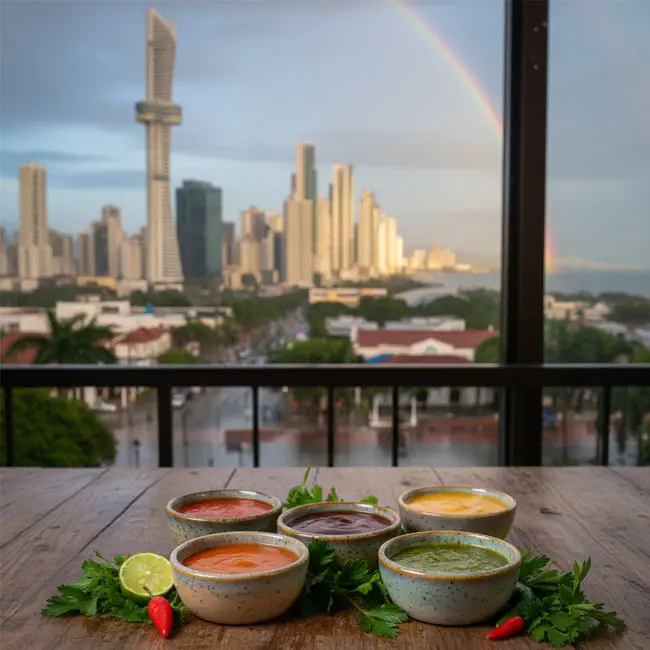
✨ The Culinary Backbone: Why Sauces Define Panamanian Cuisine
Hey flavor chaser! We’ve already taken a delicious tour through Panama’s appetizers, desserts, soups, and breads. Now, it’s time to uncover the real magic—the unsung heroes that provide the depth, the aroma, and the soul to every single dish: Panamanian sauces, marinades, and flavor bases.
In many ways, Panamanian cuisine is defined not by its main ingredients, but by how those ingredients are seasoned and sauced. This country loves slow cooking, simmering, and letting simple, fresh ingredients meld together over time. The sauces are the result of this patient process, turning humble meats, fish, and vegetables into comforting, unforgettable meals.
The history of Panamanian flavor is a testament to blending. You have the Spanish tradition of sofrito (a cooked aromatic base), the Afro-Caribbean influence of vibrant spices and coconut, and the indigenous use of native herbs and peppers. The result is a palette that is wonderfully rich, savory, and aromatic, but—and this is key—not overly spicy (unless you want it to be!). Panamanian flavor is about layering depth, not blasting heat.
Understanding the core sauces and flavor bases is like getting a backstage pass to the Panamanian kitchen. These are the secrets passed down through generations, the foundation of every great sancocho or guisado. Get ready to dive into the savory, aromatic heart of Panama!
🌶️ Menu Highlights: The Essential Panamanian Flavor Bases
These aren't just condiments you drizzle on top; these are the essential foundations that kickstart almost every savory Panamanian dish. If you know these three, you know the culinary language of Panama.
🧅 Sofrito Panameño: The Aromatic Soul
The Sofrito Panameño is, without a doubt, the single most important component in Panamanian savory cooking. It is the aromatic foundation used for everything from coloring rice to starting a rich stew or soup. You cannot cook Panamanian food without it.
What is it? A sofrito is a mixture of finely diced or pureed aromatics that are gently sautéed in oil or achiote oil. While variations exist, the Panamanian version typically features:
• Onions (cebolla): Usually white or yellow.
• Garlic (ajo): Generous amounts are standard.
• Bell Peppers (ajíes): Often green bell peppers and sometimes the small, sweet local peppers (ají dulce).
• Culantro (recao): The essential, defining ingredient, adding its signature pungent, earthy aroma.
• Tomatoes (tomate): Used less than in some other Latin American sofritos, but still common, especially for guisados.
The sofrito is cooked slowly until the vegetables are translucent and the flavors are fully released. This savory base is the first step in almost every traditional Panamanian recipe.
🍅 Guiso: The Hearty Stewing Sauce
Guiso literally translates to "stew," but when Panamanian cooks use it, it refers to the thick, rich, flavorful sauce created by slowly braising meat or vegetables in the sofrito base, often with added liquids and starches. The guiso is the main event and the most common way meat and fish are prepared in Panama.
The guiso sauce is built on the sofrito, then enriched with:
• Water or Broth: To allow for slow simmering.
• Tomato Paste/Sauce: Giving the guiso its signature reddish-brown color and depth.
• Potatoes or Root Vegetables: These often break down slightly, naturally thickening the sauce.
• Spices: Cumin, oregano, and sometimes bay leaves.
The resulting sauce is savory, slightly thick, and absolutely perfect for spooning over rice, yuca, or patacones. When you eat Carne Guisada (Stewed Beef) or Pollo Guisado (Stewed Chicken), you are tasting the delicious mastery of the guiso sauce.
💛 Achiote Oil: Color and Mild Flavor
Achiote (Annatto) is not a sauce, but a crucial coloring and flavoring agent used to create a flavorful oil base. The seeds of the achiote plant are soaked in hot oil, which turns the oil a beautiful, warm yellow-orange hue and imparts a subtle, slightly earthy, and peppery flavor.
This brightly colored oil is often used to sauté the initial sofrito or coat the rice before adding water for Arroz con Pollo (Rice with Chicken), giving the dish its iconic color. It's a flavor enhancer and a visual signature of authentic Panamanian cooking. It’s used to make food look vibrant and appetizing without relying on artificial colors.
🍽️ Eating and Living: The Application of Panamanian Sauces
In Panama, sauces and flavor bases are integral to the entire structure of the meal, demonstrating a cultural commitment to maximizing flavor in simple, humble ingredients.
🍚 The Rice Coating Tradition
Since plain white rice is the essential staple at lunch and dinner, the richness of the sauces is absolutely necessary. In a typical meal, the rice is meant to be the canvas for the guiso or the broth from the sancocho. The sauce from the stewed meat is often the only moisture and flavor mixed directly into the rice, making the sauce's quality paramount. A dry sauce is a sin in Panamanian cooking! The sauce must be ample enough to coat and saturate the rice completely.
🌿 Marinades for the Grill
While slow-simmered stews dominate, Panama loves to grill (asado), especially on weekends. Here, simple but effective marinades are essential. The most common marinade for beef or pork relies on: onions, garlic, cumin, oregano, a splash of vinegar or lime juice, and a dash of salsa inglesa (Worcestershire sauce).
The meats are left to soak up this tangy, savory marinade for hours before hitting the grill. This pre-treatment ensures the meat stays juicy and gets a deep crust of flavor, which is a perfect contrast to the fresh, un-sauced items often served alongside the grill.
🥫 The Table Condiments
While the sofrito and guiso are cooked into the food, Panamanian tables always offer a couple of crucial condiments for adding a last-minute burst of flavor, heat, or tang.
1.Chombo or Ají Picante: This is the local hot sauce, usually made from the fiery ají chombo (a type of scotch bonnet pepper). It is prepared by mixing the chopped pepper with vinegar, carrots, onions, and sometimes a little oil. It’s always offered on the side, allowing diners to control the heat—because, remember, Panamanian food is generally mild!
2.Lime (Limón): Fresh lime wedges are omnipresent. They are squeezed over ceviche, over fried fish, into soups (especially sancocho), and even over certain sweets. The burst of acidity provides a necessary balance to the richness of the stews and the oiliness of fried foods.
🥘 More Flavor Makers: Specialized Panamanian Sauces
Beyond the core foundations, Panama has several specialized sauces that are used for specific, delicious purposes, reflecting the country's diverse regions and ingredients.
🐟 Mojo: The Citrus-Herb Dressing
The Mojo is a versatile sauce or dressing, especially popular in coastal areas and for seafood or root vegetables. It is a bright, tangy sauce that contrasts beautifully with fried and savory items.
Panamanian mojo is typically made by vigorously mixing or blending: fresh lime juice, minced garlic, finely chopped cilantro and/or culantro, and olive oil (or sometimes a neutral oil). It is spooned over boiled yuca (yuca al mojo), used to dress grilled fish, or served as a dipping sauce for patacones. It’s clean, zesty, and highly aromatic.
🥥 Salsa de Coco: The Caribbean Creaminess
Reflecting the strong Afro-Caribbean influence, especially near Colón and Bocas del Toro, Salsa de Coco (Coconut Sauce) is essential. This is a rich, creamy, and mildly sweet sauce based on fresh coconut milk.
It is used primarily for seafood and chicken. The protein is often simmered directly in the coconut milk, which is seasoned simply with garlic, ají dulce (sweet peppers), onion, and sometimes a hint of turmeric or achiote for color. The sauce is thick, luxurious, and provides an exotic, slightly different flavor profile than the tomato-based guisos.
🍯 Tamarindo Glaze: Sweet and Sour Finish
Tamarind is a tangy, sweet-and-sour tropical fruit that is used throughout Panama in drinks and savory cooking. A simple Salsa de Tamarindo (Tamarind Sauce) or glaze is often made by reducing the pulp with sugar, vinegar, and sometimes spices.
This resulting tangy-sweet glaze is fantastic when brushed over grilled pork, short ribs, or sometimes fried fish. It provides a delightful sticky coating and a refreshing sour note that cuts through the richness of the meat. It's a true tropical flavor profile!
❓ Friendly Foodie FAQs
Got questions about these flavor masters? Here are the answers!
1. What is the key difference between Panamanian sofrito and the sofrito from Puerto Rico or Cuba?
The main difference is the heavy reliance on culantro (recao) in the Panamanian version. While other Caribbean sofritos might use cilantro (coriander leaves) and ají dulce (sweet peppers), the inclusion of culantro gives the Panamanian base a much more intense, earthy, and pungent aroma that is absolutely non-negotiable for their traditional stews and soups.
2. Is Panamanian food considered spicy because of the ají chombo?
No, Panamanian food is generally considered mild in flavor. The richness comes from the slow-cooked guisos and aromatic sofrito (using onions, garlic, and culantro). The ají chombo is used to make a fiery hot sauce that is almost always served on the side as an optional condiment. This allows diners to control the heat level, meaning the cuisine itself is not inherently spicy.
3. Does achiote only add color, or does it add flavor to the sauces?
Achiote primarily adds a beautiful, appetizing golden-orange color to dishes like rice, stews, and soups. However, it also imparts a subtle, slightly earthy, and faintly peppery flavor. It's not a dominant taste, but it provides a gentle background warmth and aromatic complexity that deepens the overall flavor profile of the Panamanian sauces and dishes it colors.
There you have it—the comprehensive guide to the essential sauces and flavor bases that make Panamanian food so incredibly delicious and comforting!
🥘 Elevate Your Meals: Essential Panamanian Sauce Recipes for Everyday Cooking
👉 View 3 Everyday Panama Sauces
| 🌐 🥘 < Back | 🇵🇦 🍱 < Previous |