
🏠 Home > 🗺️ Recipes > 🥪 Appetizers > 🇵🇾 Paraguay Appetizers > 🥪 1.Chipa (The Iconic Cheese Ring) , 2.Mbejú (The Simple Cassava Flatbread) , 3.Sopa Paraguaya (The Savory Corn Cake)
🥪 Hearty, Cheesy, and Gluten-Free: Exploring Paraguay’s Vegetarian Appetizers
Published by Supakorn | Updated: February 2026
🇵🇾 A Culinary Welcome: The Hearty Appetizer Culture
Paraguayan food is all about substance and community. Unlike some appetizer cultures that focus on light, delicate bites, the starter foods of Paraguay are dense, filling, and often the main focus of a small meal like breakfast or merenda (afternoon snack).
The popularity of these vegetarian staples abroad is soaring, particularly due to the growing global interest in gluten-free options and unique comfort foods. Since the cuisine relies on cassava starch (mandioca) and cornmeal (harina de maíz) instead of wheat flour, these appetizers are naturally accessible to a wide audience.
In this guide, we are going to master three vegetarian cornerstones of Paraguayan cuisine. We'll start with the famous cheese ring, then move to the quick flatbread, and finish with the "soup" that isn't!
🥇 • Recipe 1: Chipa (The Iconic Cheese Ring)
🥈 • Recipe 2: Mbejú (The Simple Cassava Flatbread)
🥉 • Recipe 3: Sopa Paraguaya (The Savory Corn Cake)
Let’s jump into the recipes!
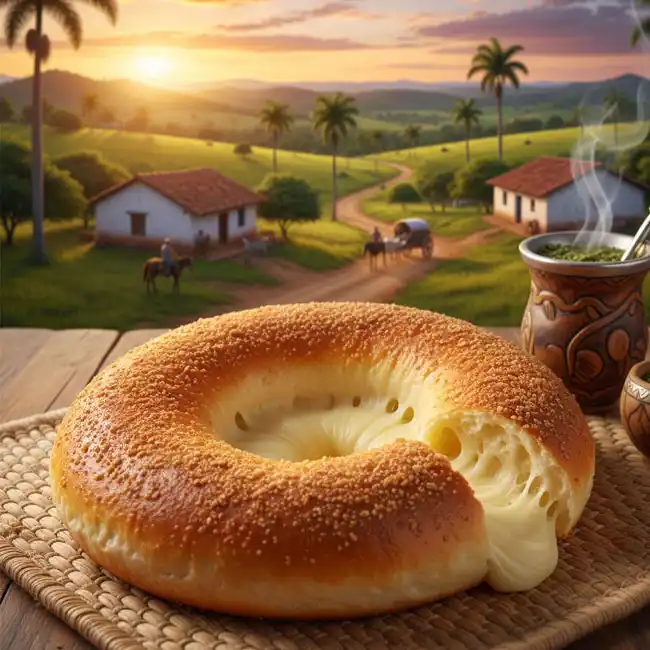
🥯 Recipe 1: Chipa – The Iconic Cheese Ring
Chipa is arguably the most famous food item in Paraguay. It’s the ubiquitous, cheesy, chewy ring sold by chiperas (vendors) at bus stops and along roadsides. It’s dense, moist, and perfectly savory—a taste of Paraguay in every bite.
✨ About this Recipe: A Taste of Tradition
This recipe focuses on the classic, everyday chipa baked in a ring or horseshoe shape. It uses cassava starch (almidón de mandioca) as its base, giving it that distinct, slightly chewy, almost rubbery texture that is characteristic of good Chipa. It is always best served warm, when the cheese is still soft and gooey!
🛒 Ingredients & Measurements
Here’s what you need to make approximately 12 medium-sized chipas:
• 2 cups of Fine Cassava Starch (Almidón de Mandioca / Tapioca Starch)
• 1 cup of grated hard, salty cheese (such as a dry white cheese, Parmesan, or Edam—the key is saltiness and flavor)
• 1/4 cup of unsalted butter or rendered lard, softened
• 2 large eggs
• 1/4 cup of milk (whole milk is best)
• 1 teaspoon of salt (adjust based on the saltiness of your cheese)
• 1 teaspoon of baking powder
📝 Step-by-Step Instructions
1.Prep the Dry: Preheat your oven to 400°F ( 200°C). Lightly grease a baking sheet or line it with parchment paper.
2.Cream the Base: In a large mixing bowl, beat the softened butter (or lard) with the eggs until the mixture is light and creamy.
3.Mix the Dry Ingredients: In a separate bowl, whisk together the cassava starch, grated cheese, salt, and baking powder until well combined.
4.Combine: Gradually add the dry ingredients to the butter and egg mixture. Mix well until a shaggy, coarse dough forms.
5.Add Liquid: Slowly incorporate the milk, mixing until the dough comes together. The final dough should be firm, smooth, and slightly elastic—it should not stick to your hands. If it's too crumbly, add a tiny bit more milk; if it's too sticky, add a little more cassava starch.
6.Shape: Take golf-ball sized pieces of dough and roll them into short logs. Join the ends of the logs to form a small ring or horseshoe shape.
7.Bake: Arrange the chipas on the prepared baking sheet. Bake for 15 to 20 minutes, or until they are puffed up and have turned a lovely golden-brown color on the outside.
8.Serve: Remove from the oven and serve immediately while they are still warm and the cheese is melted inside.
⚠️ Tips & Mistakes to Avoid
• The Right Starch is Key: Make sure you use fine cassava starch (also called tapioca starch or sour starch, depending on the brand), not cassava flour. The starch gives it the essential stretchy, chewy texture.
• Don't Skimp on the Cheese: The cheese provides most of the flavor and salt. Use a flavorful, slightly sharp cheese. Bland cheese makes for bland chipa.
• Dough Consistency is Crucial: The dough should be soft, but firm enough to hold its shape. Over-kneading can make it tough; only mix until just combined and smooth enough to shape.
• Always Serve Warm: Chipa tends to harden as it cools. If you have leftovers, they are best reheated in a toaster oven or microwave before eating.
❓ FAQ
1.Can I use fresh cheese instead of hard cheese?
You can, but you might need to reduce the amount of milk in the recipe, as fresh cheese contains more moisture. The flavor will also be milder.
2.Is Chipa naturally gluten-free?
Yes! Chipa is made entirely from cassava starch, making it naturally gluten-free.
3.How do I store leftover Chipa?
Store cooled chipas in an airtight container at room temperature for up to 2 days, or freeze the shaped, unbaked dough for up to 3 months. Bake straight from frozen, adding a few extra minutes to the cooking time.
📝 Summary
Chipa is the quintessential Paraguayan snack: simple, cheesy, naturally gluten-free, and always comforting. It's the perfect starter to share at any gathering!
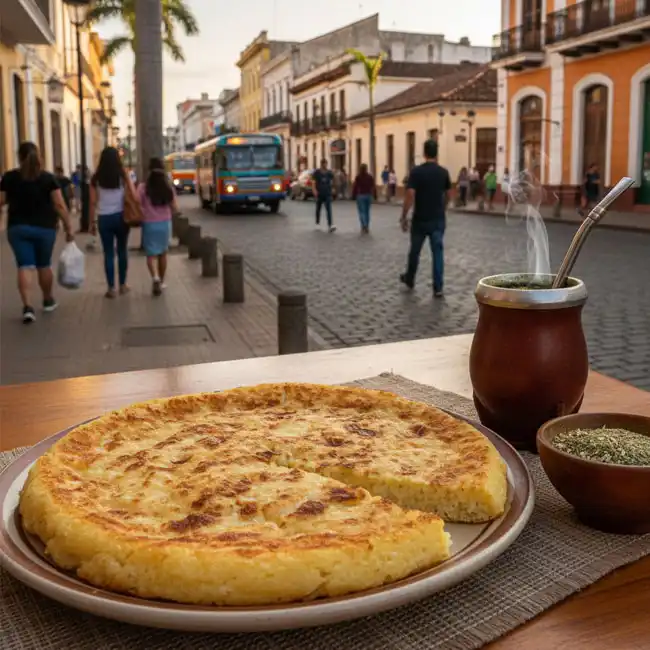
🍳 Recipe 2: Mbejú – The Simple Cassava Flatbread
Mbejú (pronounced meh-BAY-joo) is one of the oldest staples of the Guaraní diet. It’s an incredibly simple flatbread that comes together in minutes and is perfect for a quick breakfast or afternoon pick-me-up.
✨ About this Recipe: Ancient Simplicity
This flatbread is the definition of rustic food. It’s traditionally cooked on a hot skillet (budare) and requires minimal ingredients, showcasing the versatile nature of cassava. The texture is unique—crisp and lightly golden on the outside, and soft, slightly grainy, and moist on the inside.
🛒 Ingredients & Measurements
You'll get about 4–6 flatbreads from this batch:
• 1 1/2 cups of Fine Cassava Starch (Almidón de Mandioca / Tapioca Starch)
• 1/2 cup of fresh, crumbled cheese (like farmer’s cheese, queso fresco, or a simple ricotta)
• 1/4 cup of unsalted butter or rendered lard, softened
• 1/2 teaspoon of salt
• 1/4 cup of cold milk or water (you may need a little more)
📝 Step-by-Step Instructions
1.Prep the Starch: In a large bowl, combine the cassava starch and salt.
2.Add Fat: Rub the softened butter (or lard) into the starch mixture using your fingertips until the texture resembles coarse sand or breadcrumbs.
3.Add Cheese: Mix in the crumbled cheese until evenly distributed.
4.Moisten: Gradually add the cold milk or water, mixing until the mixture is just damp and clumpy, like wet sand. It should hold its shape when you squeeze a handful, but it must not form a traditional dough ball. This "damp sand" consistency is essential for the Mbejú texture.
5.Heat the Pan: Heat a medium non-stick skillet or flat griddle over medium heat. Do not add any oil or butter to the pan.
6.Form and Cook: Spoon about 1/2 cup of the damp cassava mixture into the center of the hot, dry pan. Use the back of the spoon to gently pat it down and flatten it slightly into a disc, about 1/2 inch thick.
7.Flip: Cook for 3 to 5 minutes on the first side, or until the edges begin to brown and the bottom is golden. Carefully flip the Mbejú using a spatula and cook the second side for another 3 to 4 minutes until golden.
8.Serve: Transfer to a plate and serve immediately. Repeat with the remaining mixture.
⚠️ Tips & Mistakes to Avoid
• The Texture is Key: The biggest mistake is making a dough that is too wet or smooth. The mixture should remain crumbly like damp sand, relying on the heat of the pan to bind the starch. If you make a smooth dough, it will turn out tough and rubbery.
• Use a Dry Pan: Traditionally, Mbejú is cooked in a hot, dry skillet. The fat in the butter is enough to keep it from sticking, provided you use a good non-stick pan.
• Don't Over-Flip: Let the Mbejú develop a crust before flipping. If you try to flip it too soon, it will break apart.
• Adjust Moisture for Cooking: If your Mbejú seems too dry and is crumbling apart in the pan, sprinkle a teaspoon of water or milk over the spot before patting it down in the skillet next time.
❓ FAQ
1.Can I make Mbejú sweet?
Yes! A sweet version exists. Simply omit the cheese and salt, and add sugar and perhaps a teaspoon of vanilla extract to the mixture. Serve with honey or jam.
2.What if I can't find cassava starch?
Tapioca starch is the same ingredient and works perfectly!
3.Can I freeze Mbejú?
It's best eaten fresh. The simple, quick preparation means you should aim to make only as much as you plan to eat right away.
📝 Summary
Mbejú is the ancient, resourceful flatbread of Paraguay. It's fast, incredibly simple, and provides a delightful, unique texture that pairs perfectly with a morning coffee or an afternoon tereré.
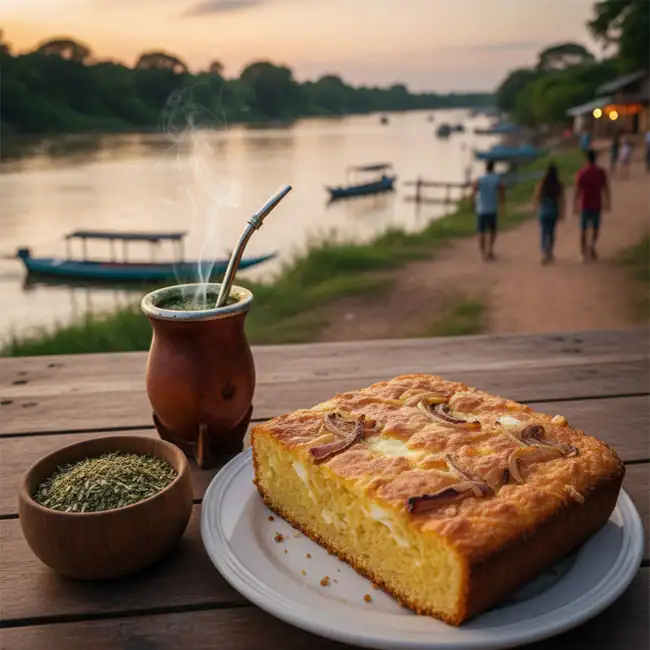
🌽 Recipe 3: Sopa Paraguaya – The Savory Corn Cake
The most misleading name in South American cuisine! Sopa Paraguaya means "Paraguayan Soup," but it is actually a dense, savory baked cornbread or cake. It is a national treasure and the perfect, hearty accompaniment to any meal.
✨ About this Recipe: Soup That Isn't
Sopa Paraguaya is a moist, spongy, and rich side dish. It is made primarily from cornmeal, fresh cheese, milk, and caramelized onions. Because it’s so substantial, it easily serves as a hearty appetizer or a side dish for barbecue.
🛒 Ingredients & Measurements
This recipe makes one 8x8 inch pan of Sopa Paraguaya:
• 1 cup of fine cornmeal (harina de maíz / not cornstarch)
• 1 cup of milk (whole milk preferred)
• 1 large yellow onion, very finely chopped
• 1/4 cup of vegetable oil or unsalted butter, plus extra for the pan
• 3 large eggs
• 1 cup of crumbled, fresh white cheese (queso fresco, or low-moisture mozzarella)
• 1 teaspoon of salt
• 1 teaspoon of baking powder
📝 Step-by-Step Instructions
1.Prep the Pan and Oven: Preheat your oven to 375∘F / 190∘C. Grease an 8x8 inch baking dish with butter.
2.Sauté the Onion: Heat the oil or butter in a skillet over medium-low heat. Add the chopped onion and cook slowly for about 10–15 minutes until it is very soft, translucent, and slightly caramelized. Let it cool slightly.
3.Make the Batter Base: In a large bowl, whisk together the eggs, milk, salt, and baking powder until well combined.
4.Combine Ingredients: Gently stir in the cornmeal and the crumbled cheese. Mix until just combined. The batter will be thick.
5.Add the Onion: Fold the sautéed onion and its oil/butter into the batter. Mix everything thoroughly.
6.Bake: Pour the batter into the prepared 8x8 inch dish, spreading it evenly.
7.Cook: Bake for 30 to 40 minutes, or until a toothpick inserted into the center comes out clean and the top is a deep golden brown.
8.Cool and Serve: Let the Sopa Paraguaya cool in the pan for about 10 minutes before slicing it into squares and serving.
⚠️ Tips & Mistakes to Avoid
• Cook the Onion Slowly: This is the secret to flavor. The onions must be cooked down until they are very soft. If they are crunchy or undercooked, they will taste harsh and detract from the Sopa.
• Use Fine Cornmeal: Do not use coarse polenta or masa harina (used for tortillas). You need fine cornmeal (harina de maíz) to achieve the proper texture.
• Don't Overbake: The Sopa should be moist and spongy. Overbaking will dry it out and make it crumbly. Check it at the 30-minute mark.
• Cheese Quality Matters: Use a cheese that melts well but has a good, distinct flavor. Salty, fresh cheese works best.
❓ FAQ
1.Can I make this ahead of time?
Yes, Sopa Paraguaya is excellent the next day. Store it covered in the refrigerator and reheat portions gently in the oven or microwave.
2.Can I use fresh corn instead of cornmeal?
Yes, the recipe for Chipa Guasú uses fresh corn kernels instead of dried cornmeal. The result is slightly softer and sweeter than Sopa Paraguaya.
3.Is Sopa Paraguaya considered gluten-free?
Yes, as it is made with cornmeal and contains no wheat flour, it is naturally gluten-free.
📝 Summary
Sopa Paraguaya is a savory corn cake that defies its name. It’s hearty, cheesy, and moist, making it the perfect comfort food side or a substantial vegetarian appetizer that satisfies everyone.
💭 Final Thoughts
Well, there you have it! You've just unlocked three of the most fundamental, flavorful, and incredibly comforting vegetarian appetizers from Paraguay. From the essential cheesy chew of Chipa to the simple, quick elegance of Mbejú, and the hearty sponge of Sopa Paraguaya, these recipes demonstrate that the best food is often simple, traditional, and based on humble, hearty ingredients like cassava and corn.
Don't be intimidated by the unique names or ingredients. Cassava starch and fine cornmeal are widely available now, and once you get the hang of the right texture (especially the "damp sand" of Mbejú and the firm dough of Chipa), you’ll find these recipes are incredibly easy to repeat.
Why not try making the Mbejú first for a super quick snack, and then tackle the Chipa on a weekend? Share your creations and let the world discover the rich, savory heart of Paraguayan cuisine! Happy cooking!
| 🇵🇾 🥪 < Back |